Nevada Is a State, Not a County: Clarifying American Geographic and Administrative Divisions
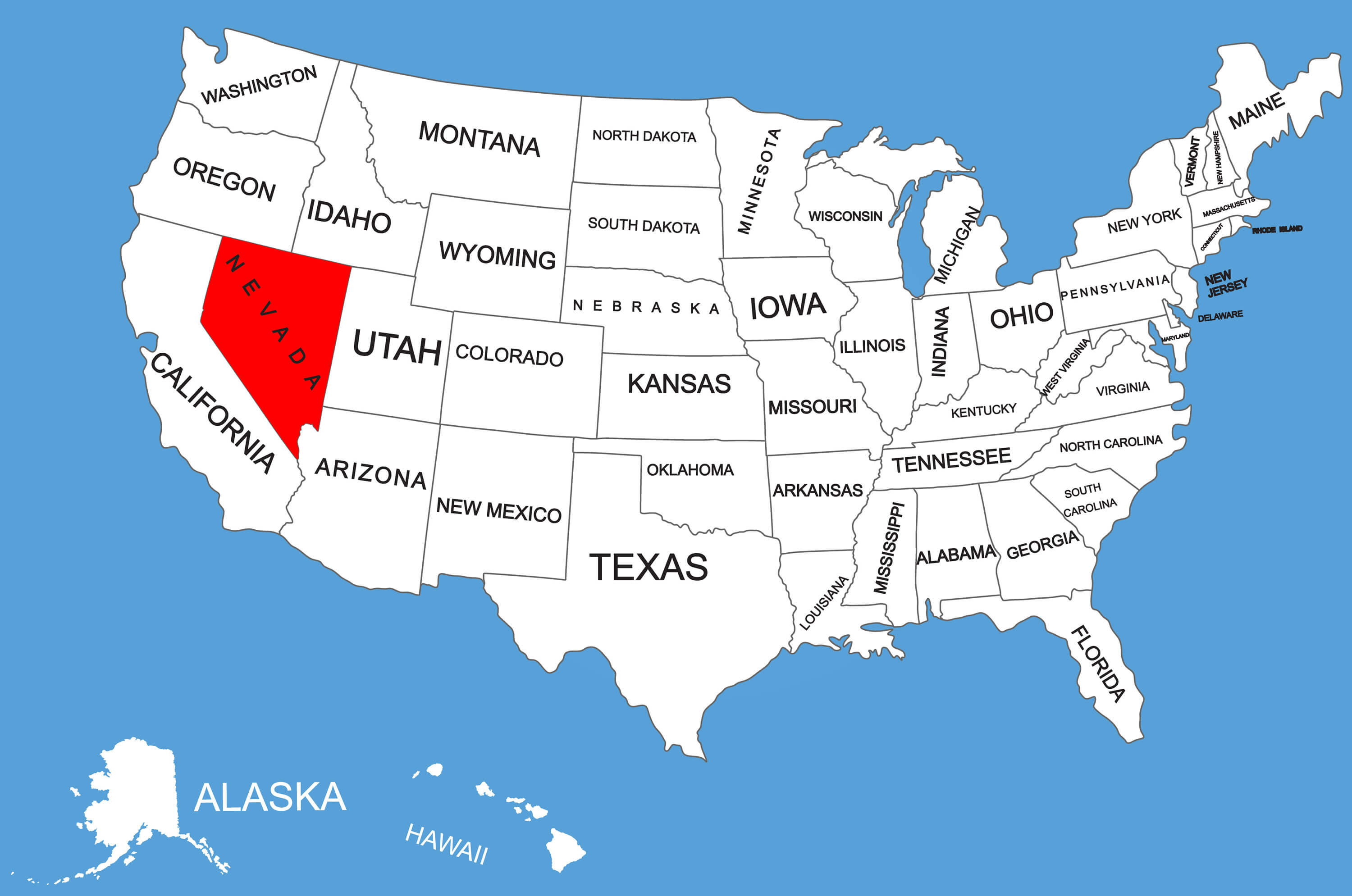
Nevada is a sovereign U.S. state, not a county. Admitted to the Union as the 36th state on October 31, 1864, Nevada maintains its own constitution, government, and legal jurisdiction. While there are specific counties named "Nevada" in...
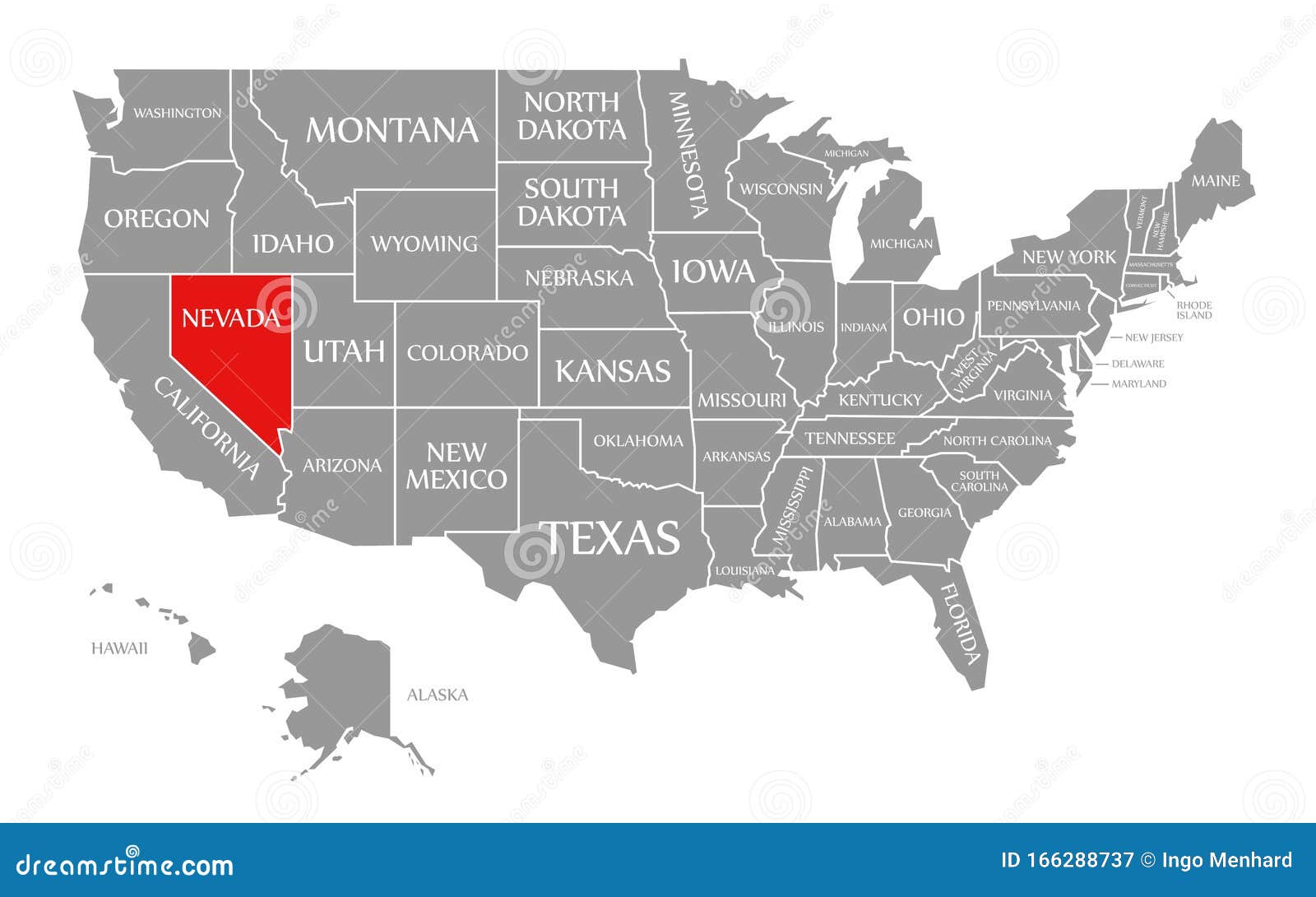
Nevada is a sovereign U.S. state, not a county. Admitted to the Union as the 36th state on October 31, 1864, Nevada maintains its own constitution, government, and legal jurisdiction. While there are specific counties named "Nevada" in California and Arkansas, the entity known as Nevada is a primary subnational division of the United States.
Contents
The distinction between a state and a county is a fundamental concept in American civil geography and law. Confusion often arises because the name "Nevada" is shared across different levels of government in the West. To understand why Nevada is a state and how it differs from the counties that share its name, one must look at the constitutional hierarchy of the United States, the history of Western expansion, and the administrative structure of the "Silver State" itself.
The Constitutional Hierarchy: State Sovereignty vs. County Administration
In the United States, the relationship between a state and a county is one of "parent" and "child." Under the Tenth Amendment to the U.S. Constitution, all powers not delegated to the federal government are reserved to the states or to the people. This makes Nevada a sovereign entity with the inherent power to govern its citizens, create laws, and manage its own internal affairs.
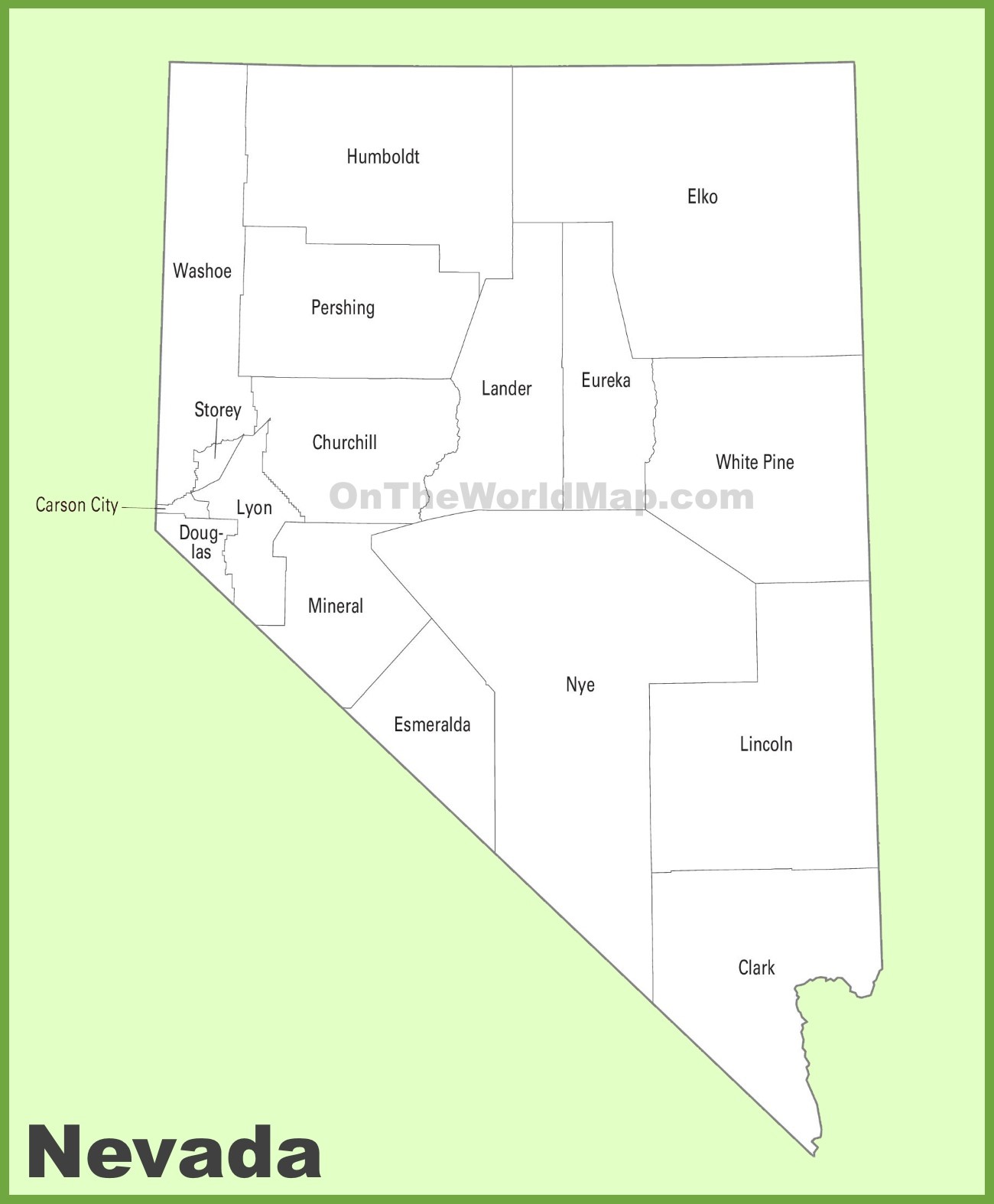
A county, by contrast, is an administrative subdivision of a state. In legal terms, many states follow "Dillon’s Rule," which posits that local governments (including counties) only possess the powers expressly granted to them by the state legislature. As of 2026, Nevada continues to operate as a sovereign state that is itself divided into 16 counties and one independent city.
The Source of Sovereignty
The State of Nevada derives its authority from the Nevada Constitution and its recognition by the U.S. Congress. It possesses the power to levy state taxes, manage a state court system, and maintain a National Guard. A county cannot exist independently of a state; it is a geographic boundary used to deliver state services at a local level, such as law enforcement via a Sheriff’s office, record-keeping through a County Clerk, and property assessment.
Dissecting the Confusion: Nevada County, California
The primary reason for the persistent question "Is Nevada a state or a county?" stems from the existence of Nevada County, California. Located in the Sierra Nevada mountains, this county was established in 1851—thirteen years before Nevada was admitted as a state.
The name "Nevada" is Spanish for "snow-covered," referring to the Sierra Nevada mountain range. Because the county in California was named for the mountains before the neighboring territory achieved statehood, a geographic overlap in nomenclature was created.
Key Differences Between the State and the California County
Nevada County, California, is famous for its Gold Rush history and contains towns like Grass Valley and Nevada City. Paradoxically, the city of Nevada City is the county seat of Nevada County, California, further complicating the search intent for those unfamiliar with Western geography. However, Nevada City is located in California, not in the State of Nevada.
Nevada County, Arkansas: The Southern Namesake
While less frequent, confusion also arises from Nevada County, Arkansas. Established in 1871, this county was named after the State of Nevada because of its similar shape (at the time of its founding) to the western state.
Unlike the California namesake, the Arkansas county has no geographic proximity to the State of Nevada. It is a rural jurisdiction in the southwestern part of Arkansas. This highlights a common trend in 19th-century American history: naming new counties after recently admitted states or famous geographic landmarks to evoke a sense of national expansion.
The History of Nevada’s Statehood: The "Battle Born" Legacy
Nevada’s path to statehood is unique and directly refutes any classification as a mere county. Originally part of the Utah Territory, the region became the Nevada Territory in 1861. Its rapid ascent to statehood in 1864 was driven by the American Civil War.
President Abraham Lincoln and the Republican-led Congress sought Nevada’s admission to ensure the three electoral votes for Lincoln’s re-election and to secure the state's vast silver and gold deposits to fund the Union’s war effort. This earned Nevada the nickname "Battle Born," a phrase that remains on the state flag as of 2026.
The Constitutional Telegram
A defining moment in Nevada's history was the transmission of its entire state constitution via telegraph to Washington D.C. This was the longest and most expensive telegram ever sent at the time, ensuring that the state could be officially admitted before the November 1864 election. This act of federal recognition solidified Nevada's status as a co-equal member of the Union, a status a county can never achieve.
Administrative Structure: The Counties Within the State of Nevada
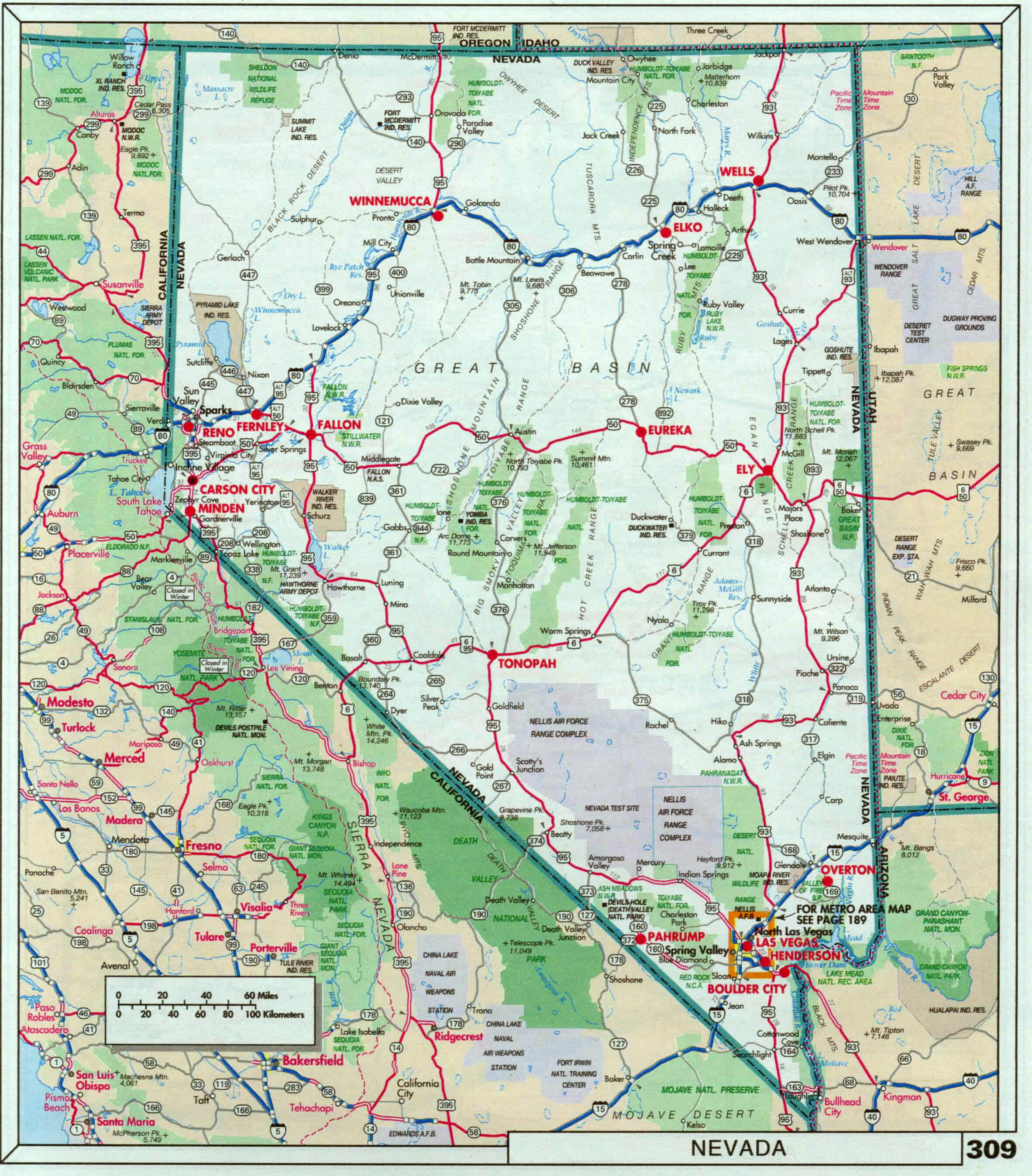
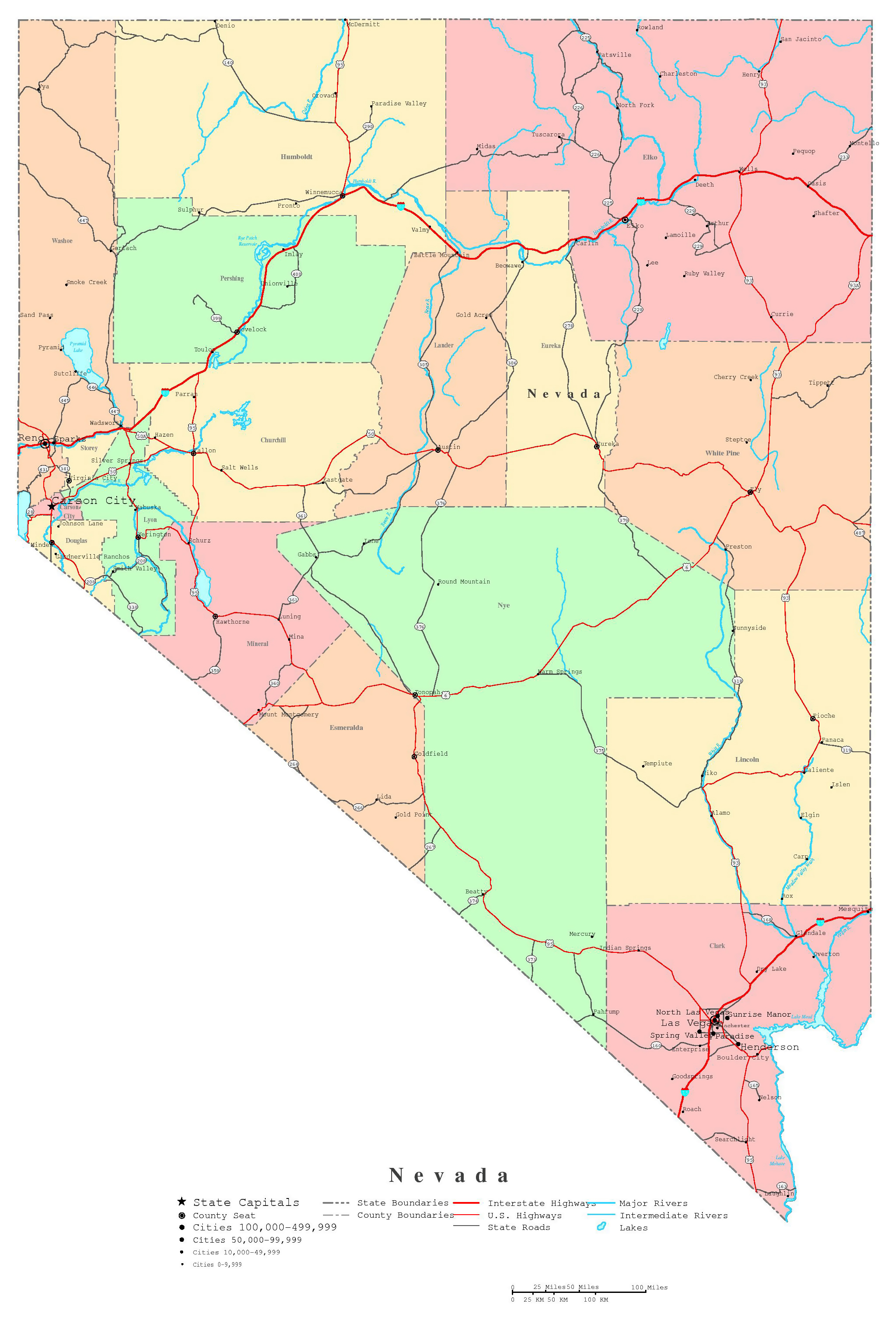
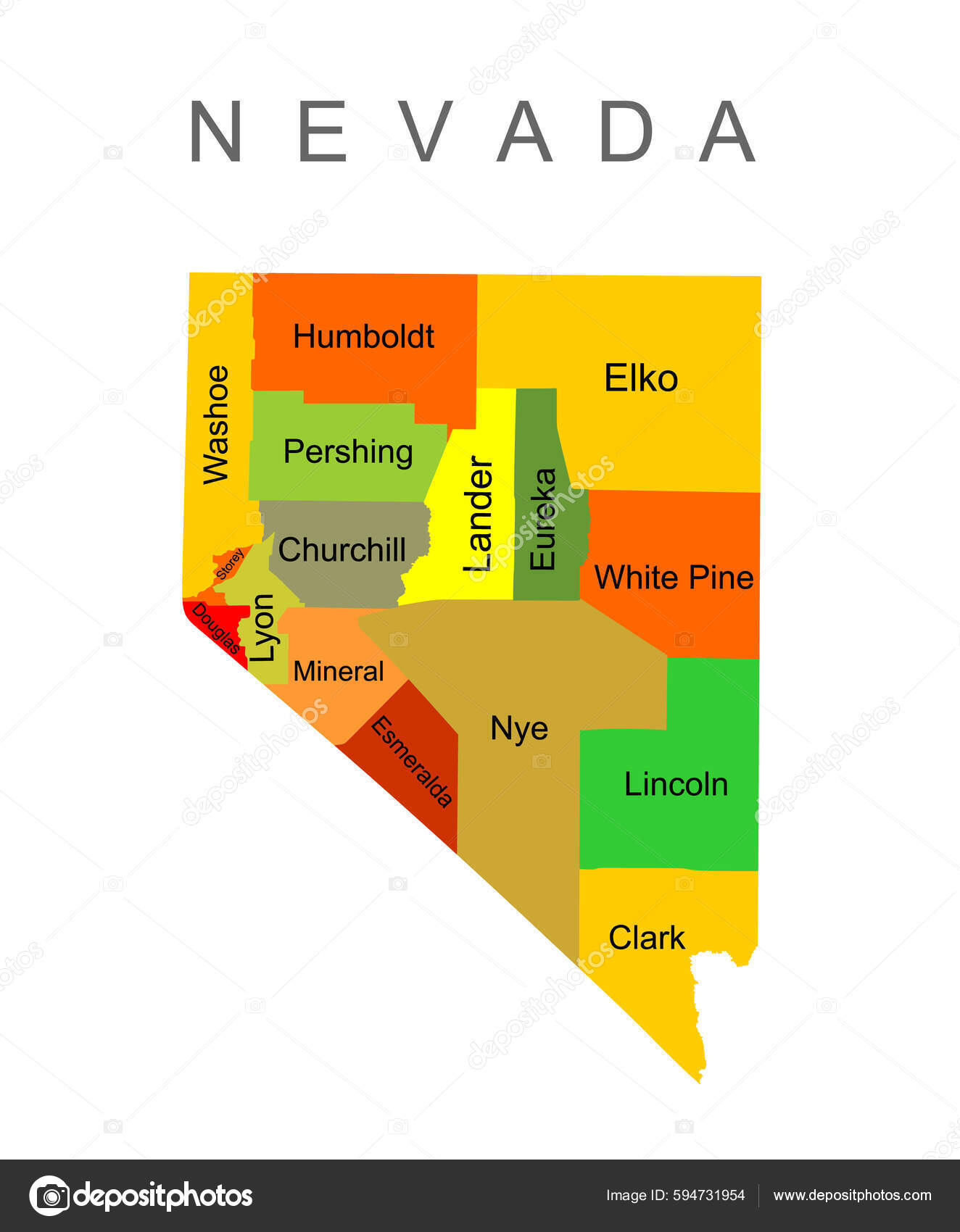
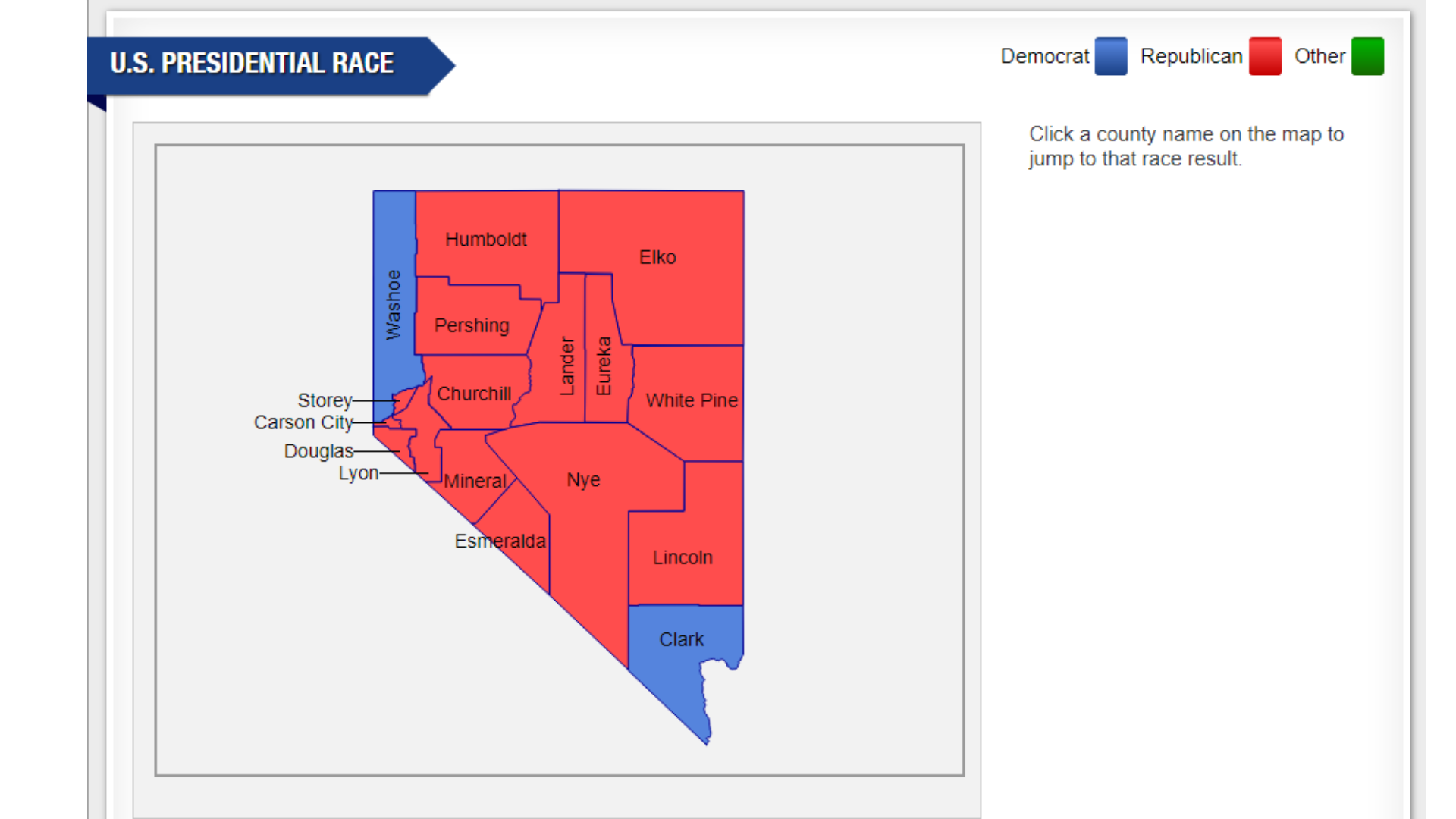
To further clarify that Nevada is a state, one must look at how it is subdivided. As of 2026, the State of Nevada is composed of 17 primary administrative divisions.
| Division Name | Type | County Seat | Significance |
|---|---|---|---|
| Clark | County | Las Vegas | Home to the majority of the state's population and the Las Vegas Strip. |
| Washoe | County | Reno | The second-most populous county, serving as a hub for northern Nevada. |
| Carson City | Independent City | N/A | The state capital; functions as both a city and a county-equivalent. |
| Elko | County | Elko | A major center for the gold mining industry in the rural northeast. |
| Nye | County | Tonopah | The largest county by land area in the state, housing the Nevada National Security Site. |
| Douglas | County | Minden | Located on the shores of Lake Tahoe, adjacent to the California border. |
Each of these entities is a "county" (or independent city) within the State of Nevada. There is no "Nevada County" inside the State of Nevada. If an individual is in Nevada County, they are almost certainly in California or Arkansas.
Legal and Practical Implications of the Distinction
Understanding that Nevada is a state rather than a county is vital for legal, fiscal, and administrative accuracy. The distinction impacts everything from tax liability to judicial jurisdiction.
1. Taxation and Revenue
States have the power to set sales tax, gasoline tax, and, in many cases, income tax. Nevada is well-known for having no state income tax. This is a state-level policy. Counties within Nevada, such as Clark or Washoe, may add their own local sales taxes on top of the state rate, but they cannot override state tax exemptions.
2. Law Enforcement and Courts
In the State of Nevada, the highest judicial authority is the Nevada Supreme Court. Beneath it are the District Courts, which are organized by judicial districts that often align with county boundaries. However, a "Nevada County" sheriff from California has no jurisdiction within the State of Nevada. Confusion on this point can lead to significant errors in filing legal documents or understanding where a warrant or deed is enforceable.
3. Federal Representation
States are represented in the U.S. Congress by two Senators and a proportional number of Representatives. Counties have no direct representation in the U.S. Senate. Nevada’s status as a state grants it a voice in the federal government that no county, regardless of its population or economic output, can possess.
Common Misconceptions and Why They Persist
The confusion often stems from how people search for geographic data. When a user types "Nevada" into a search engine or a shipping portal, the system may suggest "Nevada County, CA" due to alphabetical proximity or common shipping routes.
Furthermore, the city of Nevada, Missouri, and the city of Nevada, Iowa, add to the nomenclature overlap. However, these are municipalities (cities), not counties or states. In American English, the state is typically referred to by its name alone ("I am moving to Nevada"), whereas a county is almost always followed by the word "County" ("I live in Nevada County").
Frequently Asked Questions
Is there a Nevada County in the state of Nevada?
No. There is no "Nevada County" located within the boundaries of the State of Nevada. The state contains 16 counties with names like Clark, Washoe, and Elko, but none of them share the name of the state itself.
Which is bigger: the State of Nevada or Nevada County, California?
The State of Nevada is significantly larger. It covers approximately 110,572 square miles, making it the 7th largest state in the U.S. In contrast, Nevada County, California, covers roughly 974 square miles.
Why is the capital of Nevada not in Nevada County?
The capital of the State of Nevada is Carson City. It is not in "Nevada County" because Nevada County is located in California. Carson City is an independent city located in the western portion of the State of Nevada, near Lake Tahoe.
Can a county become a state?
While theoretically possible under Article IV, Section 3 of the U.S. Constitution, it is extremely rare and requires the consent of the state legislature and the U.S. Congress. Nevada did not start as a county; it transitioned from a Territory to a State.
Is Nevada City the capital of Nevada?
No. Nevada City is the county seat of Nevada County, California. The capital of the State of Nevada is Carson City. This is one of the most common geographic errors made by travelers and students.
Summary of Actionable Advice
When filling out government forms, arranging logistics, or conducting legal research, always verify the level of government required. If you are asked for a state, the answer is Nevada. If you are asked for a county and you are currently in Las Vegas, the answer is Clark County. If your documentation lists "Nevada County," you should immediately check if the jurisdiction is actually in California or Arkansas to avoid significant filing errors or jurisdictional overlaps.
Image Gallery