EGFR Antibodies in Cancer Therapy: Mechanisms, Clinical Applications, and 2026 Standards
EGFR antibodies are targeted monoclonal antibodies designed to bind to the extracellular domain of the Epidermal Growth Factor Receptor, effectively blocking the signaling pathways that drive tumor growth. By inhibiting ligand binding...
EGFR antibodies are targeted monoclonal antibodies designed to bind to the extracellular domain of the Epidermal Growth Factor Receptor, effectively blocking the signaling pathways that drive tumor growth. By inhibiting ligand binding and, in some cases, inducing immune-mediated cell death, these therapies provide a precision-medicine approach for treating colorectal, head and neck, and lung cancers.
Contents
The Molecular Rationale for EGFR Inhibition
The Epidermal Growth Factor Receptor (EGFR), also known as ErbB1 or HER1, is a transmembrane glycoprotein belonging to the protein kinase superfamily. In a healthy physiological state, EGFR regulates essential cellular processes, including growth, proliferation, and survival. However, in many solid tumors, EGFR is either overexpressed or subject to activating mutations, leading to uncontrolled cellular replication and the suppression of apoptosis (programmed cell death).
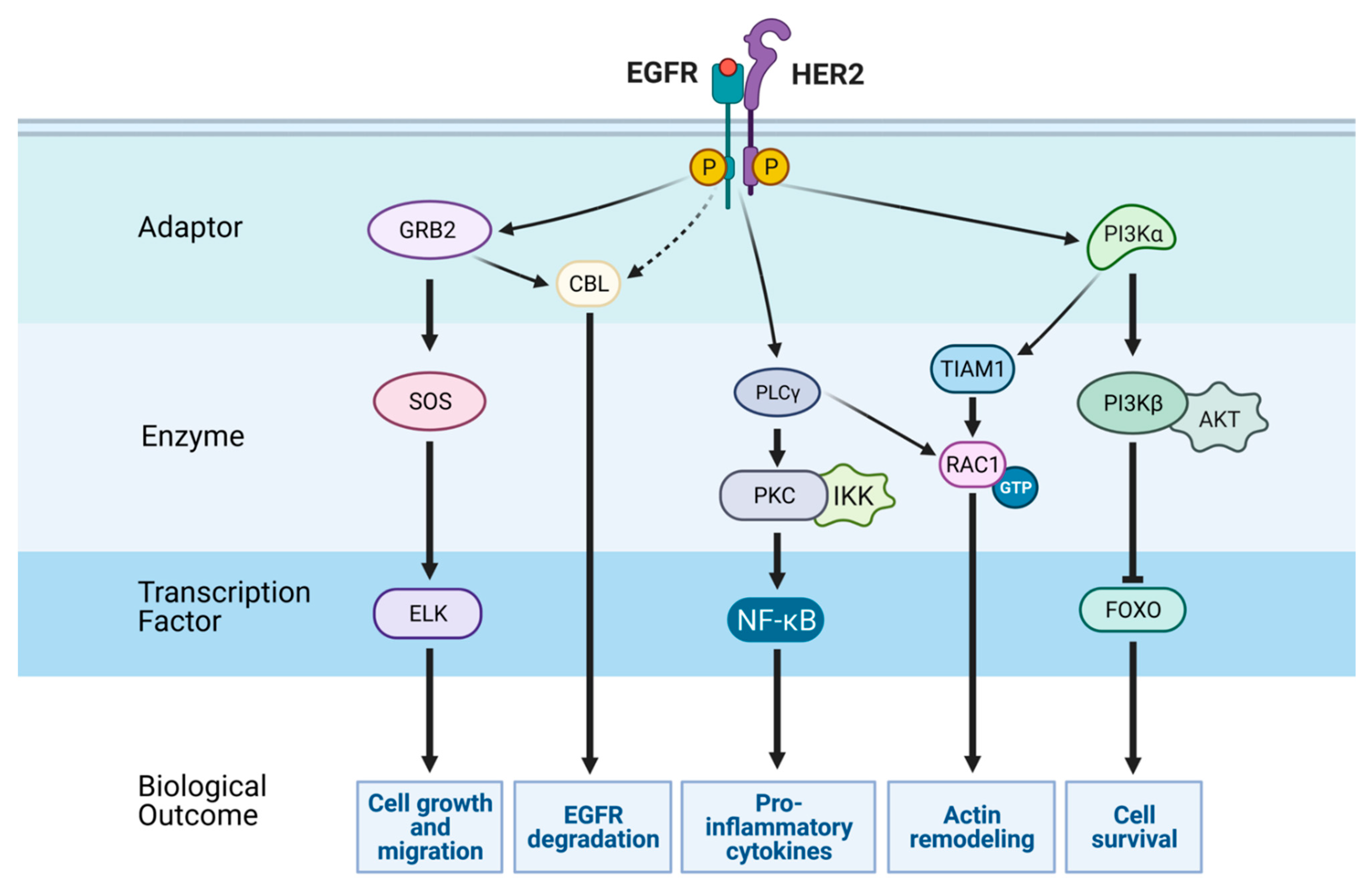
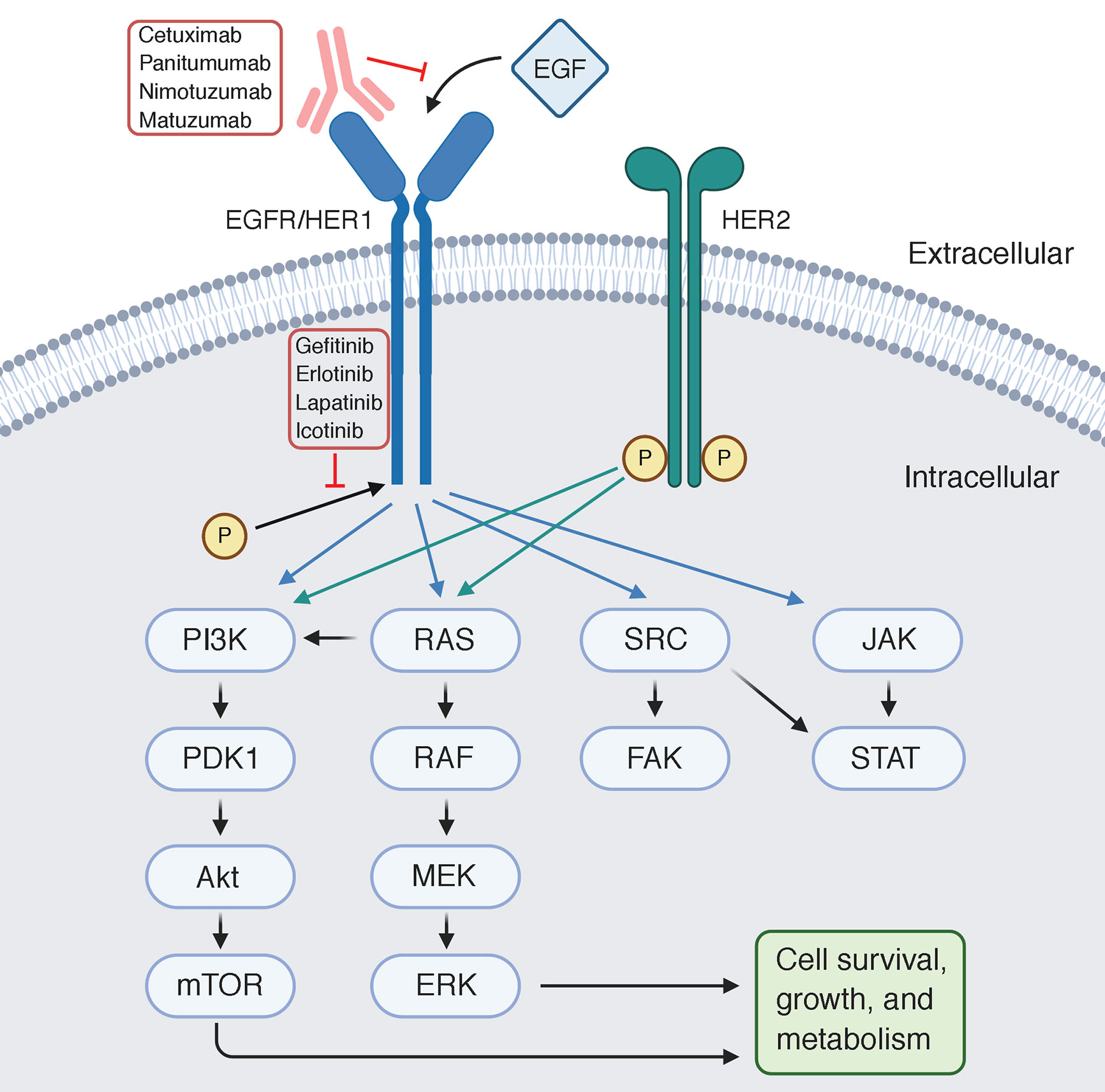
As of 2026, targeting the EGFR pathway remains a fundamental strategy in oncology. Unlike Small Molecule Tyrosine Kinase Inhibitors (TKIs), which penetrate the cell membrane to block the intracellular kinase domain, monoclonal antibodies (mAbs) target the extracellular portion of the receptor. This binding prevents natural ligands, such as epidermal growth factor (EGF) and transforming growth factor-alpha (TGF-$\alpha$), from attaching to the receptor. Without ligand binding, the receptor cannot undergo the dimerization necessary to activate downstream signaling cascades, such as the RAS-RAF-MEK-ERK (MAPK) pathway and the PI3K-Akt-mTOR pathway.
Primary Mechanisms of Action
EGFR antibodies function through several distinct biological mechanisms that contribute to their anti-tumor efficacy:
- Competitive Inhibition: The antibody occupies the ligand-binding site on the extracellular domain (specifically Domain III). This physically prevents EGF and other growth factors from docking, thereby "turning off" the receptor's growth signals.
- Receptor Internalization and Degradation: Upon binding, the antibody-receptor complex is often internalized by the cell and degraded in lysosomes. This process reduces the total number of EGFR molecules available on the cell surface, a phenomenon known as receptor down-regulation.
- Antibody-Dependent Cellular Cytotoxicity (ADCC): Certain EGFR antibodies, specifically those of the IgG1 subclass (like cetuximab), can recruit immune effector cells, such as Natural Killer (NK) cells. These immune cells recognize the tail end (Fc region) of the antibody and release cytotoxic granules to destroy the tumor cell.
- Inhibition of Angiogenesis: EGFR signaling is linked to the production of Vascular Endothelial Growth Factor (VEGF). By blocking EGFR, these antibodies indirectly reduce the tumor's ability to recruit new blood vessels, essentially starving the tumor of nutrients.
Key EGFR Monoclonal Antibodies in Clinical Practice
Several antibodies have been approved and refined for clinical use. Their selection depends on the specific cancer type, the patient’s genetic profile, and the desired immune response.
Cetuximab (Erbitux)
Cetuximab is a chimeric mouse-human IgG1 monoclonal antibody. It was the first EGFR-targeted antibody to gain widespread approval. Because it is an IgG1 isotype, it is highly effective at inducing ADCC. In 2026, it remains a standard of care for patients with RAS wild-type metastatic colorectal cancer (mCRC) and squamous cell carcinoma of the head and neck (SCCHN).
Panitumumab (Vectibix)
Panitumumab is a fully human IgG2 monoclonal antibody. Being fully human, it carries a lower risk of severe infusion-related allergic reactions compared to chimeric antibodies. However, as an IgG2 isotype, its ability to trigger ADCC is significantly lower than that of cetuximab. Its primary use is in the treatment of RAS wild-type mCRC, where it has shown comparable efficacy to cetuximab in improving progression-free survival.
Amivantamab (Rybrevant)
Amivantamab represents a newer generation of therapy: a bispecific antibody. It targets both EGFR and MET receptors. This is particularly crucial for patients with Non-Small Cell Lung Cancer (NSCLC) harboring EGFR Exon 20 insertion mutations, which are typically resistant to traditional TKIs and standard mAbs. Amivantamab bypasses traditional resistance mechanisms by targeting two different growth pathways simultaneously.
Necitumumab (Portrazza)
A second-generation fully human IgG1 antibody, necitumumab is specifically indicated for use in combination with gemcitabine and cisplatin for the first-line treatment of patients with metastatic squamous NSCLC.
Clinical Indications and Therapeutic Strategies
The application of EGFR antibodies is highly dependent on the "biomarker status" of the tumor. Treatment is rarely initiated without molecular testing.
Metastatic Colorectal Cancer (mCRC)
The most critical factor in using EGFR antibodies for CRC is the status of the RAS (KRAS and NRAS) and BRAF genes. If a tumor has a mutation in these downstream signaling proteins, the "switch" for cell growth is stuck in the "on" position regardless of whether the EGFR receptor is blocked. Therefore, EGFR antibodies are only effective in patients with RAS wild-type tumors. In 2026, guidelines mandate expanded RAS testing before prescribing cetuximab or panitumumab.
Head and Neck Squamous Cell Carcinoma (HNSCC)
In head and neck cancers, EGFR is overexpressed in over 90% of cases. Cetuximab is frequently used in combination with radiation therapy for locally advanced disease or alongside platinum-based chemotherapy for recurrent or metastatic cases. Interestingly, the effectiveness of EGFR antibodies in HNSCC does not currently depend on RAS mutation status in the same way it does in colorectal cancer.
Non-Small Cell Lung Cancer (NSCLC)
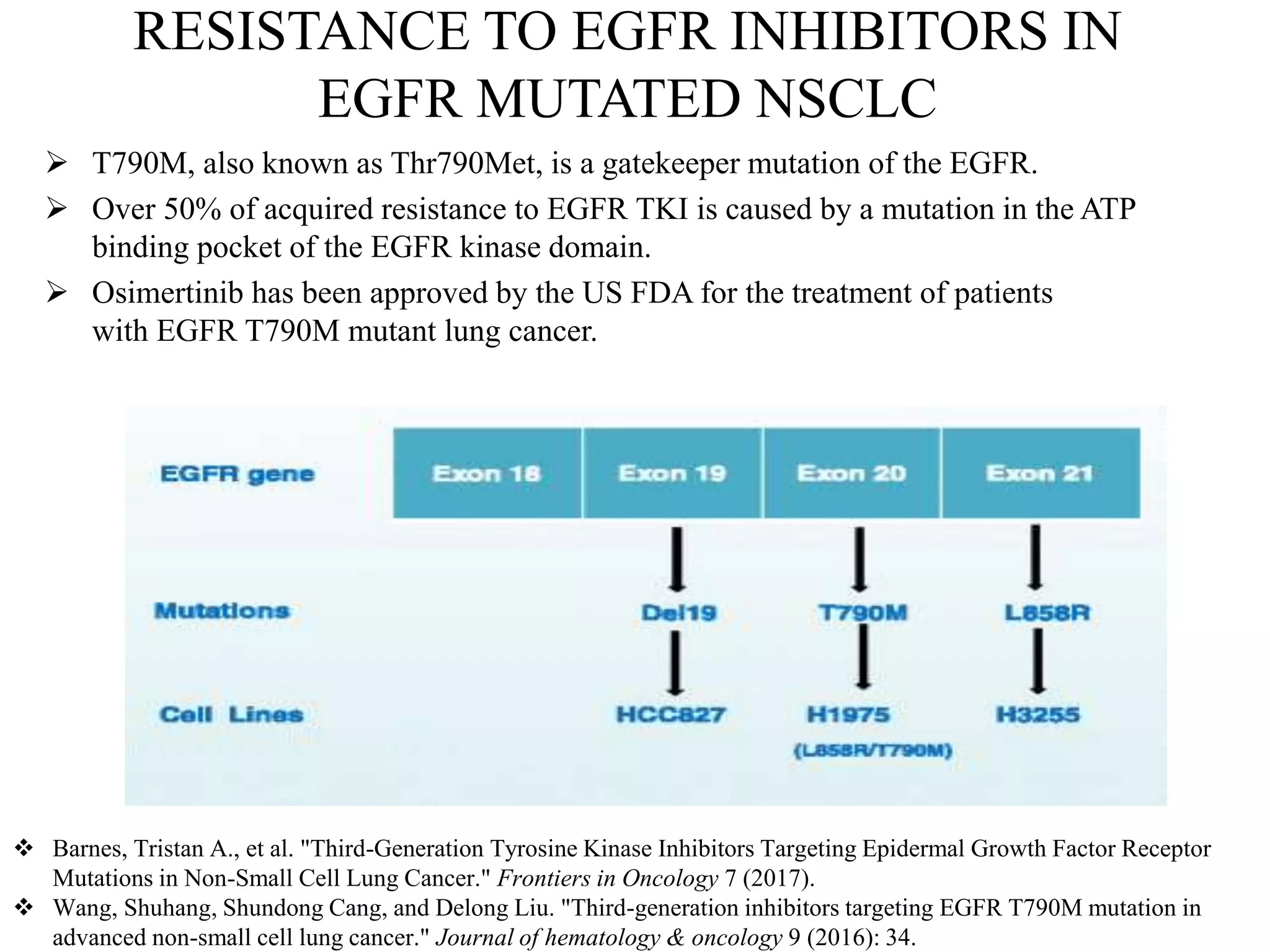
While TKIs are the primary targeted therapy for NSCLC patients with "common" EGFR mutations (like L858R or Exon 19 deletions), antibodies like amivantamab have filled the gap for more complex mutations, such as Exon 20 insertions. Furthermore, necitumumab remains an option for squamous cell histology, which typically lacks the sensitizing mutations found in adenocarcinomas.
Comparison of Common EGFR Monoclonal Antibodies
| Feature | Cetuximab (Erbitux) | Panitumumab (Vectibix) | Amivantamab (Rybrevant) |
|---|---|---|---|
| Antibody Type | Chimeric IgG1 | Fully Human IgG2 | Bispecific (EGFR/MET) |
| Primary Indication | mCRC, HNSCC | mCRC | NSCLC (Exon 20) |
| Immune Activation | High (ADCC) | Low | Moderate |
| Infusion Reaction Risk | Moderate to High | Low | Moderate |
| Typical Biomarker | RAS Wild-type | RAS Wild-type | EGFR Exon 20 Insertion |
| Administration | Weekly or bi-weekly | Every 2 weeks | Weekly/Bi-weekly cycles |
Management of Adverse Effects
The safety profile of EGFR antibodies is distinct from traditional cytotoxic chemotherapy. Because EGFR is expressed in normal epithelial tissues—particularly the skin and gastrointestinal tract—most side effects are "on-target" but "off-tumor."
- Dermatologic Toxicity: This is the most common side effect, occurring in up to 90% of patients. It typically manifests as an acneiform rash (papulopustular eruption) on the face, scalp, and upper trunk. While physically uncomfortable and cosmetically distressing, the severity of the rash is often positively correlated with the drug's anti-tumor efficacy.
- Hypomagnesemia: EGFR signaling is required for magnesium reabsorption in the renal tubules. Blocking this receptor can lead to significant magnesium wasting. Patients require regular electrolyte monitoring and often oral or intravenous magnesium supplementation.
- Paronychia: Inflammation and infection around the fingernails and toenails can occur after prolonged therapy, requiring topical steroids or antibiotics.
- Infusion Reactions: Especially prevalent with cetuximab due to its chimeric (mouse/human) nature. Pre-medication with antihistamines and corticosteroids is standard protocol.
Overcoming Resistance and Future Directions
Despite initial successes, many tumors eventually develop resistance to EGFR antibodies. This occurs through several mechanisms:
- Acquired Mutations: The tumor may develop mutations in the extracellular domain of EGFR (e.g., the S492R mutation), preventing the antibody from binding.
- Bypass Signaling: The cancer cell may activate alternative receptors, such as HER2 or MET, to circumvent the blocked EGFR pathway.
- Phenotypic Switching: Some tumors undergo an epithelial-to-mesenchymal transition (EMT), becoming less dependent on EGFR signaling for survival.
To combat this, the landscape in 2026 has shifted toward Antibody-Drug Conjugates (ADCs). These molecules use the EGFR antibody as a "homing device" to deliver a potent cytotoxic payload directly into the cancer cell. By delivering the "chemotherapy" directly to the target, ADCs can overcome resistance that stems from simple signaling bypasses.
FAQ: Understanding EGFR Antibody Therapy
What is the difference between an EGFR antibody and an EGFR TKI?
Monoclonal antibodies (like cetuximab) target the outside of the cell and can trigger the immune system to attack the tumor. Tyrosine Kinase Inhibitors (TKIs, like osimertinib) are small pills that enter the cell to block the internal signaling mechanism. They are used for different types of mutations and different stages of cancer.
Why do I need a genetic test before starting EGFR antibody treatment?
Genetic testing (specifically for RAS and BRAF mutations) is required because if these genes are mutated, the cancer's growth pathway is permanently "on" downstream of the receptor. In such cases, blocking the receptor with an antibody will not stop the cancer, and the patient would only experience side effects without the benefit of treatment.
Is the "EGFR rash" dangerous?
While the acne-like rash can be severe and painful, it is generally not life-threatening. Interestingly, clinical studies have shown that patients who develop a more significant rash often have a better response to the treatment. It is managed with topical creams, oral antibiotics (like doxycycline), and moisturizers.
Can EGFR antibodies be used with immunotherapy?
Research as of 2026 suggests that combining EGFR antibodies with immune checkpoint inhibitors (like PD-1 inhibitors) is a complex area. While the antibodies can stimulate the immune system via ADCC, the combination can sometimes increase toxicity, particularly in the lungs and liver. These combinations are usually reserved for specific clinical trial settings or very specific patient populations.
How are these medications administered?
EGFR antibodies are administered via intravenous (IV) infusion in a clinical setting. The frequency varies by drug; for example, cetuximab can be given weekly or every two weeks, while panitumumab is typically administered every 14 days.
Practical Recommendations for Patients and Clinicians
For patients starting EGFR antibody therapy, proactive skin care is the most effective way to maintain quality of life. Beginning a regimen of alcohol-free moisturizers, sunscreen, and potentially a prophylactic course of antibiotics (as prescribed by an oncologist) at the start of treatment can significantly reduce the severity of dermatologic side effects.
For clinicians, rigorous biomarker screening remains the "gatekeeper" of effective therapy. Utilizing liquid biopsies to monitor for the emergence of resistance mutations (like KRAS mutations appearing during treatment) is an increasingly vital tool in 2026, allowing for more agile shifts in therapeutic strategy before clinical progression is visible on imaging.
Image Gallery