Understanding Arkansas US Auto Insurance
Navigating the complexities of Arkansas auto insurance in 2026 requires a firm grasp of state-mandated minimums, the specific "add-on" no-fault rules, and the impact of the Arkansas Insurance Verification System (AIVS). Whether you are...
Navigating the complexities of Arkansas auto insurance in 2026 requires a firm grasp of state-mandated minimums, the specific "add-on" no-fault rules, and the impact of the Arkansas Insurance Verification System (AIVS). Whether you are a new resident or a long-time driver, staying compliant ensures both legal and financial protection on the road.
Contents
Understanding Arkansas US auto insurance involves adhering to the state's 25/50/25 liability minimums while navigating its unique status as a tort state with mandatory Personal Injury Protection (PIP) offers. Drivers must maintain continuous coverage verified through the AIVS system to avoid registration suspension and significant legal penalties.
The Legal Framework of Arkansas Auto Insurance
Arkansas operates primarily under a tort system, which means that the driver found at fault in an accident is responsible for the damages caused to others. However, Arkansas is often classified as an "add-on" state because it requires insurance companies to offer Personal Injury Protection (PIP) to every policyholder. While the state is not a pure "no-fault" state, these PIP benefits provide immediate medical coverage regardless of who caused the accident, unless the policyholder explicitly rejects them in writing.
As of 2026, the Arkansas Insurance Department (AID) continues to enforce strict oversight of rate filings and consumer protections. The legal landscape emphasizes driver responsibility, making it imperative to understand how liability is determined and how your policy responds to different types of incidents.
Minimum Liability Requirements (25/50/25)
The State of Arkansas mandates that every driver carry a minimum amount of liability insurance. These limits are frequently referred to by the shorthand 25/50/25. Breaking these down reveals the baseline financial protection required:
- $25,000 for Bodily Injury (Per Person): This covers the medical expenses, lost wages, and legal fees of a single individual injured in an accident where you are at fault.
- $50,000 for Bodily Injury (Per Accident): This is the total cap the insurance company will pay for all injuries sustained by multiple people in a single accident.
- $25,000 for Property Damage: This covers repairs to the other driver’s vehicle or any property (such as fences or storefronts) damaged in the collision.
It is important to note that these figures represent the minimum legal requirement. Given that the average cost of a new vehicle in 2026 and the rising expenses of medical procedures often exceed these limits, many financial advisors recommend carrying higher limits, such as 100/300/100, to protect personal assets from lawsuits.
Mandatory Offers: PIP and Uninsured Motorist Coverage
In Arkansas, insurers are legally obligated to offer certain types of coverage that go beyond basic liability. While you are not strictly required to keep these coverages, you must provide a written rejection if you choose not to include them in your policy.
Personal Injury Protection (PIP)
PIP is designed to cover your own medical expenses, lost wages, and even funeral expenses regardless of fault. In a state like Arkansas, PIP is an "add-on" feature. If you are injured, your PIP coverage kicks in immediately to pay your bills, which can be vital if the other driver is uninsured or if the determination of fault is delayed in court.
Uninsured/Underinsured Motorist (UM/UIM)
Arkansas has historically had a significant percentage of uninsured drivers. Uninsured Motorist (UM) coverage protects you if you are hit by someone who has no insurance at all. Underinsured Motorist (UIM) coverage applies when the at-fault driver has insurance, but their limits are too low to cover the full extent of your injuries or property damage. Given the 25/50/25 minimums in Arkansas, it is quite common for a multi-car accident to exceed an at-fault driver's limits, making UIM a critical component of a robust policy.
The Arkansas Insurance Verification System (AIVS)
Arkansas utilizes a sophisticated real-time verification system known as the Arkansas Insurance Verification System (AIVS). This system links the databases of insurance companies directly with the Office of Motor Vehicles (OMV).
When an insurance policy is cancelled or lapses, the insurer notifies the AIVS immediately. If the system does not show a replacement policy within a specific grace period, the state may suspend the vehicle's registration. Law enforcement officers also use AIVS during traffic stops to verify coverage instantly. Relying on an expired paper card is no longer a viable way to circumvent the law, as the digital record in AIVS is considered the definitive source of truth.
Penalties for Uninsured Driving
Driving without insurance in Arkansas carries heavy penalties in 2026. These may include:
- Fines: Initial fines typically range from $100 to $250 for a first offense but escalate significantly for subsequent violations.
- Registration Suspension: The OMV will suspend your vehicle registration until proof of insurance is provided and a reinstatement fee is paid.
- Vehicle Impoundment: Law enforcement has the authority to impound vehicles found to be uninsured on public roads.
- SR-22 Requirement: High-risk drivers may be required to file an SR-22 form, which is a certificate of financial responsibility that proves you are maintaining the required insurance limits.
Coverage Types and Their Functions
To fully understand Arkansas auto insurance, one must distinguish between the coverage that protects others (Liability) and the coverage that protects the policyholder (Physical Damage).
| Coverage Type | Status in Arkansas | What It Covers |
|---|---|---|
| Bodily Injury Liability | Mandatory | Others' medical bills when you are at fault. |
| Property Damage Liability | Mandatory | Others' property/vehicle repairs when you are at fault. |
| Personal Injury Protection (PIP) | Mandatory Offer | Your own medical bills and lost wages regardless of fault. |
| Uninsured Motorist (UM) | Mandatory Offer | Your injuries/damage when the other driver lacks insurance. |
| Collision Coverage | Optional* | Repairs to your own vehicle after an accident. |
| Comprehensive Coverage | Optional* | Damage from non-collision events (theft, hail, animal strikes). |
*Note: If your vehicle is financed or leased, your lender will likely require Collision and Comprehensive coverage.
Collision and Comprehensive: Protecting Your Asset
While the state does not require Collision or Comprehensive coverage, they are essential for anyone driving a vehicle with significant market value.
- Collision pays for damage to your car if you hit another vehicle or an object, regardless of fault.
- Comprehensive covers "acts of God" and other risks. In Arkansas, this is particularly relevant due to the frequency of severe weather, including hail and tornadoes, which can cause total losses for vehicles parked outdoors.
Factors Influencing Insurance Rates in Arkansas
Insurance premiums in Arkansas are determined using a variety of risk factors. In 2026, insurers utilize advanced algorithms to assess the likelihood of a claim. Key factors include:
- Credit-Based Insurance Scores: Arkansas law allows insurers to use your credit history as a factor in setting premiums. Drivers with higher credit scores generally pay lower rates, as statistical data suggests they are less likely to file claims.
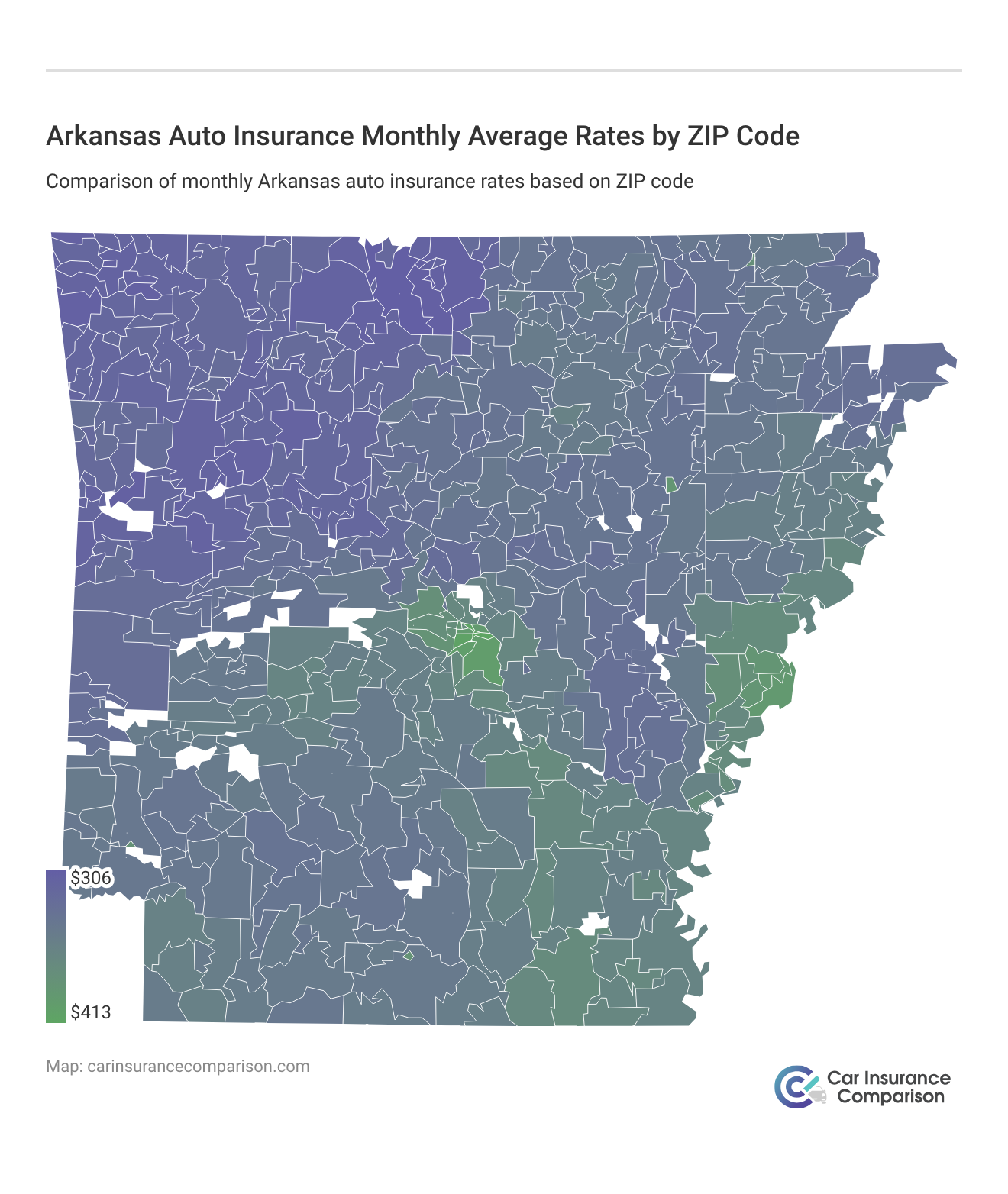
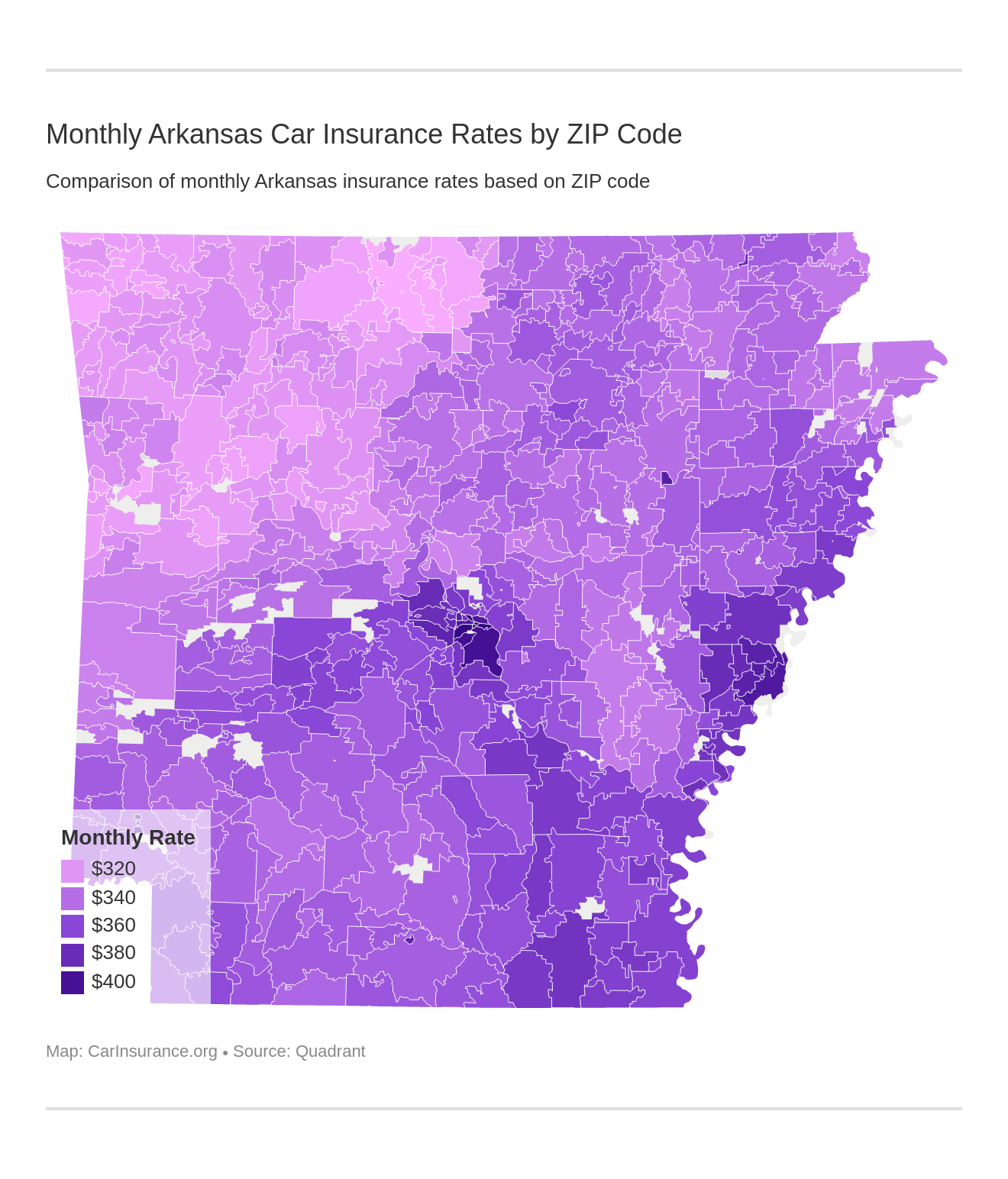
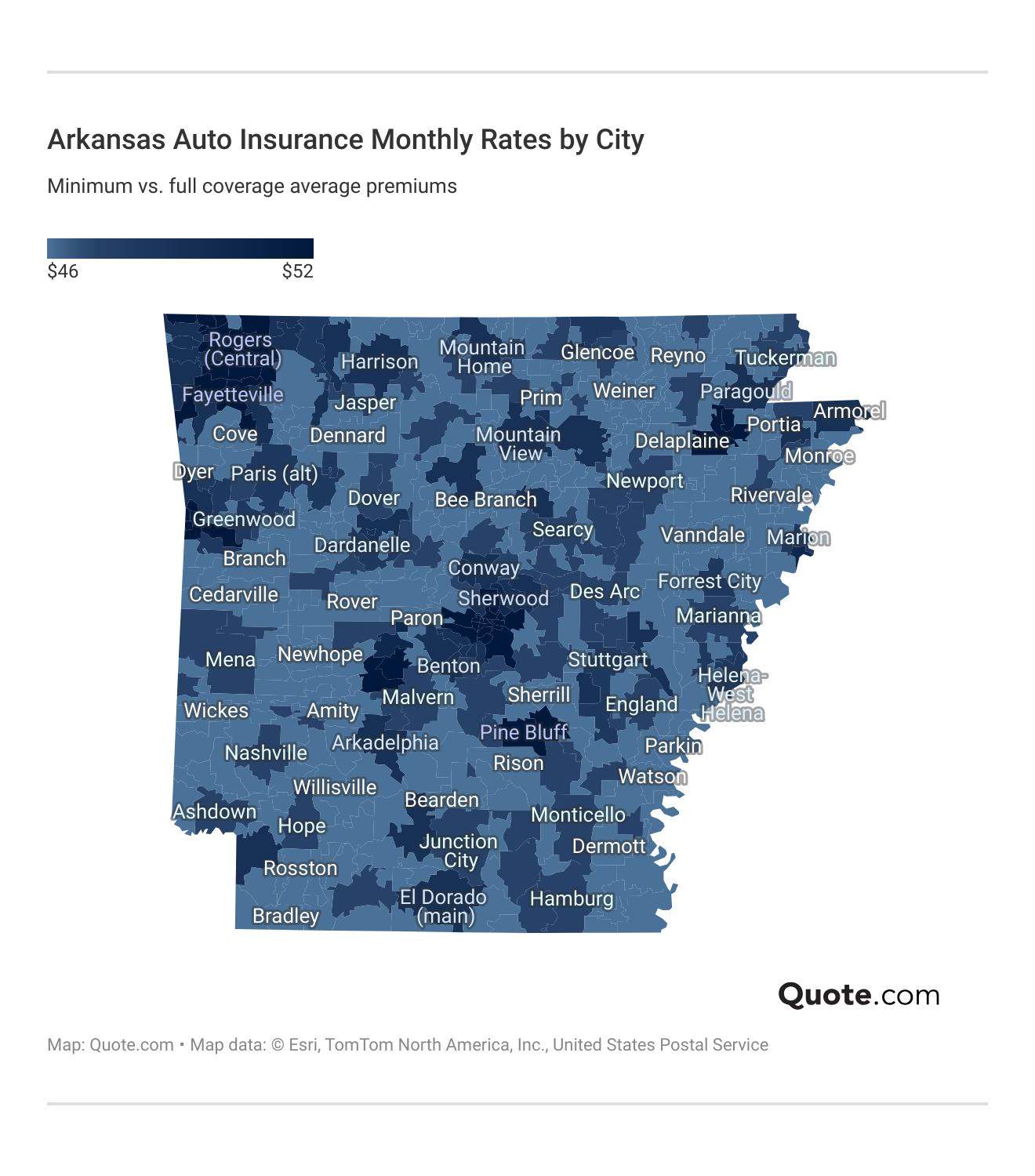
- Geographic Location: Drivers in high-traffic areas like Little Rock, Fayetteville, or Fort Smith often pay higher premiums than those in rural parts of the Ozarks due to the higher frequency of accidents and theft.
- Driving Record: Moving violations, at-fault accidents, and DUIs stay on your record and significantly impact your "Tier" classification with insurers.
- Vehicle Type: The cost of parts and labor for specific makes and models influences the Comprehensive and Collision portions of the premium. Electric vehicles (EVs), common in 2026, may have different premium structures due to battery replacement costs.
- Age and Experience: Younger drivers and those with less than three years of licensed driving experience typically face higher rates due to higher statistical risk.
How to Obtain and Maintain Coverage
When shopping for auto insurance in Arkansas, it is advisable to compare quotes from multiple carriers. Because Arkansas is a competitive market, premiums can vary significantly between national brands and local mutual insurers.
Steps to Securing a Policy:
- Gather Documentation: You will need the Vehicle Identification Number (VIN) for all cars, driver’s license numbers for all household members, and your current policy’s "Declarations Page."
- Determine Coverage Needs: Decide if you want only the legal minimums or if you need the protection of PIP, UM/UIM, and physical damage coverage.
- Request Quotes: Utilize online comparison tools or contact an independent agent who can shop across multiple companies.
- Review the PIP/UM Rejection Forms: If you choose to decline these, ensure you understand the risks. Signing these forms is a legal requirement if you opt-out.
- Confirm AIVS Update: Once you purchase a policy, the insurer should automatically update the AIVS. Keep a digital copy of your insurance card on your smartphone as a secondary proof of coverage.
Common Pitfalls to Avoid
Many Arkansas drivers face financial hardship due to simple misunderstandings of their policies. One common mistake is assuming that "Full Coverage" is a legal term. In reality, "Full Coverage" usually just means a policy includes Liability, Collision, and Comprehensive. It does not necessarily mean you have high limits or that every possible scenario is covered.
Another pitfall is the "Excluded Driver" endorsement. Some households exclude a high-risk driver (like a teenager with an accident record) to save money. However, if that excluded driver operates the vehicle—even in an emergency—and gets into an accident, the insurance company will deny the claim entirely.
Frequently Asked Questions
1. Is Arkansas a no-fault insurance state? No, Arkansas is a tort state. However, it is considered an "add-on" state because insurance companies are required to offer Personal Injury Protection (PIP) coverage. This allows you to collect benefits from your own insurer for medical bills and lost wages regardless of who caused the accident, but you still retain the right to sue the at-fault driver for further damages.
2. What happens if I drive without insurance in Arkansas? If caught, you face fines, potential impoundment of your vehicle, and a suspension of your vehicle registration. Furthermore, Arkansas uses the AIVS system to track coverage in real-time, meaning the state can detect a lapse in coverage even if you aren't pulled over. Reinstating a suspended registration requires proof of insurance and payment of fees.
3. Does my Arkansas insurance cover me if I drive into another state? Yes. Standard Arkansas auto insurance policies provide coverage across all US states and Canada. If the state you are visiting has higher minimum requirements than Arkansas, your policy will typically "broaden" its limits to meet that state’s legal minimums automatically while you are traveling there.
4. Are Arkansas insurance rates higher than the national average? Insurance rates in Arkansas fluctuate based on local factors such as weather patterns and uninsured driver rates. While Arkansas is often more affordable than states like Louisiana or Florida, its rates can be higher than the national average due to the high frequency of storm-related comprehensive claims and a relatively high percentage of uninsured motorists.
5. Can an insurance company cancel my policy for no reason? In Arkansas, insurers have a "discovery period" (usually the first 60 days) to cancel a policy for almost any reason. After that period, they can generally only cancel for specific reasons such as non-payment of premium, fraud, or the suspension of your driver's license. They can, however, choose to "non-renew" your policy at the end of its term, provided they give you proper legal notice.
Professional Disclaimer: The information provided in this article is for educational purposes only and does not constitute legal, financial, or professional insurance advice. Insurance laws and regulations in Arkansas are subject to change by the state legislature and the Arkansas Insurance Department. Always consult with a licensed insurance agent or legal professional regarding your specific coverage needs and legal obligations.
Final Recommendation
To ensure you are fully protected in 2026, review your Arkansas auto policy annually. Focus on increasing your liability limits beyond the 25/50/25 minimums and carefully consider the value of PIP and Uninsured Motorist coverage. Given the rising costs of litigation and vehicle repair, the minimum legal requirement is rarely enough to provide true financial security.
Image Gallery