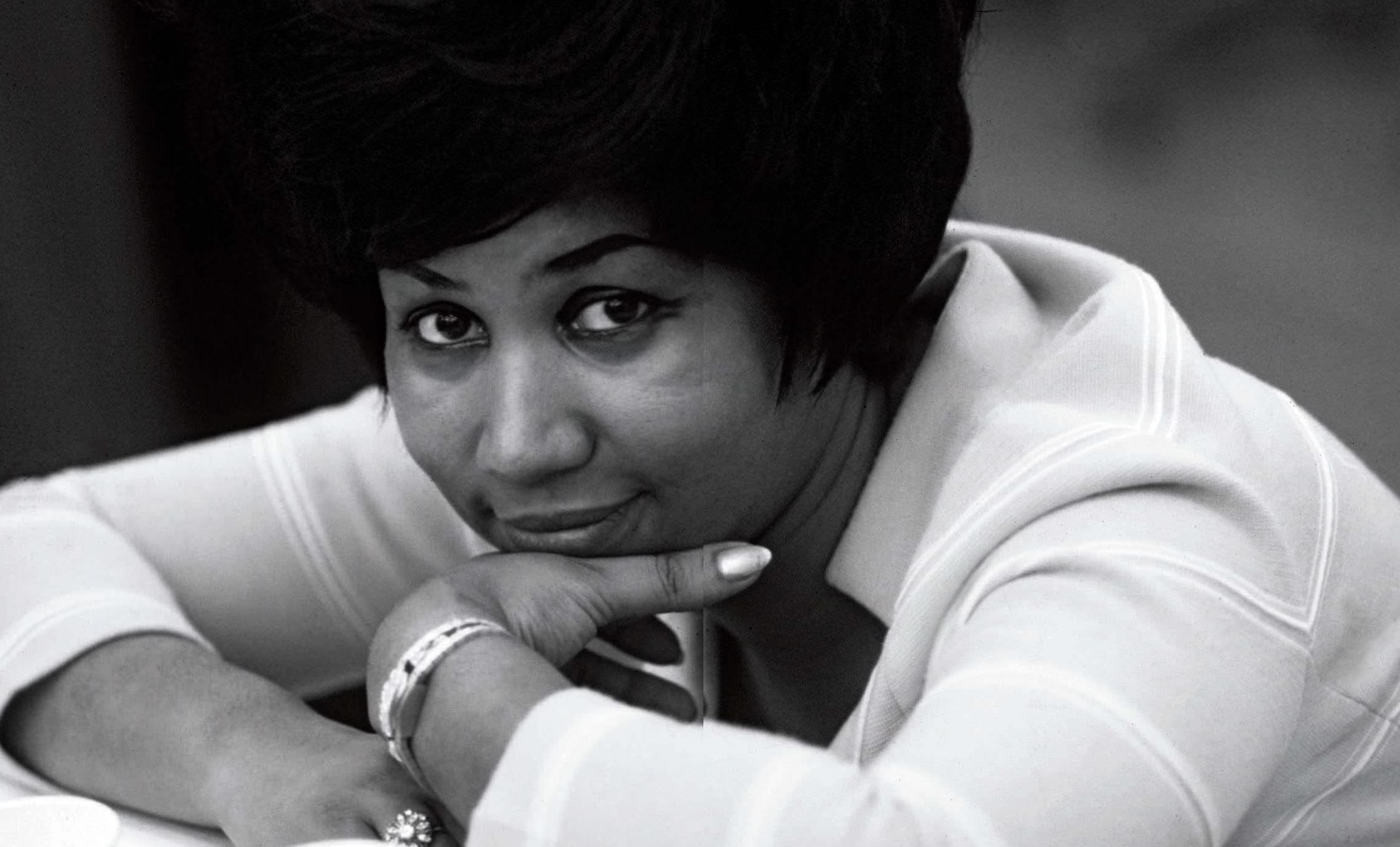
The Complete Life Story of Aretha Franklin: The Evolution of the Queen of Soul
The Aretha Franklin life story is a profound narrative of musical genius, personal resilience, and social activism. Born in 1942, she rose from a Detroit gospel prodigy to become the "Queen of Soul," a title solidified by 18 Grammy Awa...
The Aretha Franklin life story is a profound narrative of musical genius, personal resilience, and social activism. Born in 1942, she rose from a Detroit gospel prodigy to become the "Queen of Soul," a title solidified by 18 Grammy Awards and her 1987 induction as the first woman into the Rock and Roll Hall of Fame.
Contents
Gospel Beginnings and the Detroit Foundation (1942–1960)
Aretha Louise Franklin was born on March 25, 1942, in Memphis, Tennessee, but her identity was inextricably linked to Detroit, Michigan, where her family moved when she was very young. Her father, the Reverend C.L. Franklin, was the pastor of the New Bethel Baptist Church and a nationally renowned figure known for his "million-dollar voice." This environment provided Aretha with a unique upbringing where the sacred and the secular frequently intertwined.
By the age of ten, Aretha was a featured soloist in her father’s traveling gospel show. Her early exposure to music was not limited to the church; her father’s home was a hub for the era's greatest Black musicians and activists, including Mahalia Jackson, Dinah Washington, and Sam Cooke. These figures served as early mentors, helping her develop a vocal technique that blended traditional gospel "shouting" with sophisticated melodic control.
At age 14, she recorded her first album, Songs of Faith, at her father's church. While these recordings showcased a raw, powerful talent, they were only a hint of the transformation to come. Her personal life during these years was also complex; she became a mother for the first time at age 12 and again at age 14. Despite these challenges, her father recognized her extraordinary gift and supported her transition from the gospel circuit to the world of secular pop music in 1960.
The Columbia Records Era: Searching for a Sound (1960–1966)
In 1960, Aretha Franklin signed with Columbia Records, a prestigious label led by the legendary talent scout John Hammond, who had previously discovered Billie Holiday. Hammond envisioned Franklin as a sophisticated jazz and pop vocalist in the vein of Dinah Washington. During her six years at Columbia, Franklin recorded several albums that showcased her versatility, ranging from standards to blues-influenced pop.
However, many music historians and critics argue that Columbia failed to capture her true essence. The production was often heavily orchestrated, smoothing over the grit and emotional depth that had characterized her gospel performances. While she achieved moderate success on the R&B charts with tracks like "Today I Sing the Blues" and "Won't Be Long," she had yet to achieve the crossover superstardom her talent suggested.
The Columbia years were a period of refinement and frustration. Franklin was developing her piano skills—a percussive, gospel-rooted style that would later become her signature—but she was rarely allowed to play on her own records. By the time her contract expired in 1966, she was a respected singer looking for a label that would allow her to return to her roots.
The Atlantic Revolution and the Birth of a Queen (1967–1979)
The turning point in the Aretha Franklin life story occurred in 1967 when she signed with Atlantic Records. Producer Jerry Wexler understood what was missing from her previous recordings: the "southern soul" sound and her own piano accompaniment. Wexler took her to FAME Studios in Muscle Shoals, Alabama, to record with the Muscle Shoals Rhythm Section.
The result of these sessions was "I Never Loved a Man (The Way I Love You)," a soulful, gut-wrenching track that redefined her career. This was followed shortly by her reimagining of Otis Redding’s "Respect." By shifting the perspective of the song and adding the iconic "R-E-S-P-E-C-T" breakdown, Franklin transformed the track into a dual anthem for the Civil Rights Movement and the burgeoning Women's Rights Movement.
Throughout the late 1960s, Franklin dominated the charts with a string of hits including:
- "(You Make Me Feel Like) A Natural Woman"
- "Chain of Fools"
- "Think"
- "I Say a Little Prayer"
Her 1972 live gospel album, Amazing Grace, remains the best-selling live gospel album of all time, proving that even at the height of her pop fame, she remained deeply connected to her spiritual origins. This era established her as the "Queen of Soul," a title officially bestowed upon her by DJ Pervis Spann during a performance at Chicago’s Regal Theater.
Resilience and the Arista Comeback (1980–2000)
As musical tastes shifted toward disco in the late 1970s, Franklin’s career experienced a temporary lull. In 1980, she left Atlantic for Arista Records, where Clive Davis took over as her producer and mentor. Davis was known for his ability to modernize veteran artists, and he successfully steered Franklin into the 1980s pop landscape.
Her appearance in the 1980 film The Blues Brothers, where she performed a high-energy version of "Think," reminded the world of her screen presence and vocal power. Under Arista, she released the platinum-selling album Who’s Zoomin’ Who? in 1985, which featured the hit "Freeway of Love." She also embraced the era of collaborations, recording successful duets with George Michael ("I Knew You Were Waiting (For Me)") and Eurythmics ("Sisters Are Doin' It for Themselves").
In 1987, she achieved a historic milestone by becoming the first woman to be inducted into the Rock and Roll Hall of Fame. Throughout the 1990s, she continued to prove her relevance, most notably at the 1998 Grammy Awards. When Luciano Pavarotti became too ill to perform his signature aria, "Nessun Dorma," Franklin stepped in with only minutes' notice. Her soul-infused operatic performance remains one of the most celebrated moments in television history.
Activism, Social Impact, and Legacy
Beyond the recording studio, Aretha Franklin was a pivotal figure in the American Civil Rights Movement. Her father was a close friend of Dr. Martin Luther King Jr., and Franklin frequently used her voice and financial resources to support the cause. She toured with Dr. King and performed at numerous benefits, often insisting that her contract include a clause stating she would not perform for segregated audiences.
Her activism was often quiet but substantial. In 1970, when activist Angela Davis was incarcerated, Franklin publicly offered to pay her bail, stating that "Black people will be free" and expressing her belief that Davis’s activism was necessary for the community. This commitment to social justice made her more than just a singer; she became a symbol of Black excellence and empowerment.
| Milestone | Year | Significance |
|---|---|---|
| First Recording | 1956 | Songs of Faith released at age 14. |
| Signed to Atlantic | 1967 | Shifted to the "soul" sound that defined her career. |
| Grammy Record | 1968 | Won first two Grammys (Best R&B Performance). |
| Amazing Grace | 1972 | Best-selling live gospel album in history. |
| Rock & Roll HOF | 1987 | First female inductee in the Hall of Fame. |
| Presidential Medal | 2005 | Received the Presidential Medal of Freedom. |
| Final Performance | 2017 | Final show at the Elton John AIDS Foundation gala. |
The Final Years and Posthumous Honors (2000–2026)
In her final decades, Franklin continued to be a fixture at major national events. She performed at the inaugurations of three U.S. presidents: Jimmy Carter, Bill Clinton, and Barack Obama. Her performance of "My Country, 'Tis of Thee" at President Obama’s 2009 inauguration—complete with her iconic felt hat—became a viral cultural moment.
Aretha Franklin passed away on August 16, 2018, at her home in Detroit due to pancreatic cancer. Her death prompted a global outpouring of grief and a multi-day celebration of her life that included a public viewing at the Charles H. Wright Museum of African American History and a star-studded funeral service.
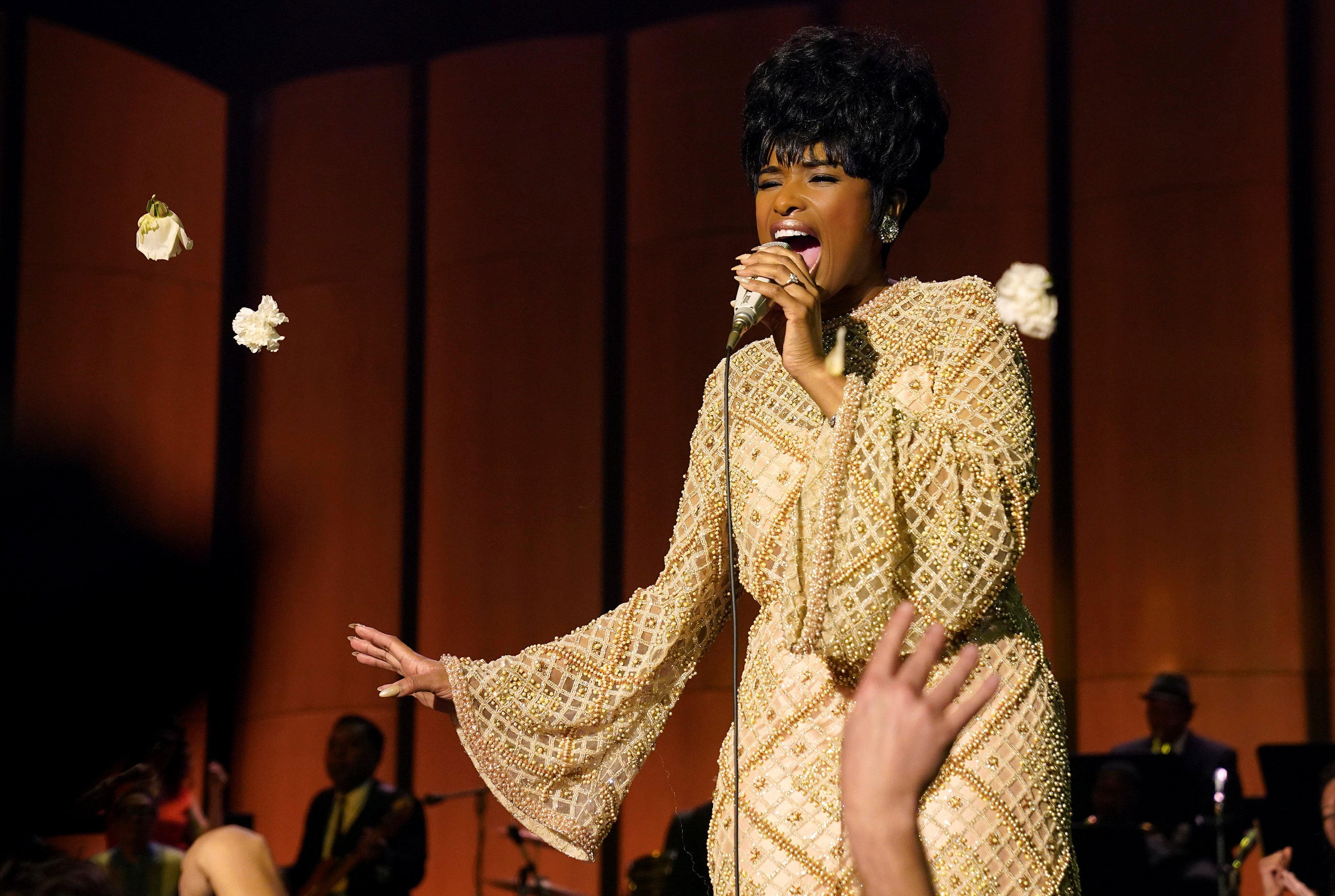
As of 2026, her legacy continues to grow through various biographical projects and academic studies. The 2021 film Respect, starring Jennifer Hudson (whom Franklin handpicked for the role), and the National Geographic series Genius: Aretha have introduced her life story to a new generation. In 2019, she was posthumously awarded a Pulitzer Prize Special Citation for her "indelible contribution to American music and culture for more than five decades."
Frequently Asked Questions
What was Aretha Franklin's first major hit?
While she had minor hits with Columbia Records, her first massive crossover success was "I Never Loved a Man (The Way I Love You)," released in 1967 under Atlantic Records. This song reached number one on the R&B charts and number nine on the Billboard Hot 100, establishing the soulful sound that would define her career.
How many Grammy Awards did Aretha Franklin win?
Aretha Franklin won a total of 18 competitive Grammy Awards during her lifetime. She also received several special honors from the Recording Academy, including the Legend Award in 1991 and the Lifetime Achievement Award in 1994. For eight consecutive years (1968–1975), she won the Grammy for Best Female R&B Vocal Performance.
Was Aretha Franklin a self-taught musician?
Yes, Franklin was largely self-taught on the piano. While she received some early guidance in the church and from family friends, she learned to play by ear. Her piano playing was a foundational element of her sound at Atlantic Records, characterized by a rhythmic, gospel-heavy style that influenced countless R&B and rock musicians.
Why was Aretha Franklin called the "Queen of Soul"?
The title was first given to her by Pervis Spann, a Chicago radio personality, in 1967. The moniker stuck because Franklin’s voice perfectly captured the emotional depth, technical skill, and cultural resonance of the soul genre, which blended gospel techniques with secular R&B.
What was Aretha Franklin’s role in the Civil Rights Movement?
Franklin was a dedicated supporter of the movement, providing financial backing for organizations like the SCLC (Southern Christian Leadership Conference). She traveled with Dr. Martin Luther King Jr., performed at rallies, and used her platform to advocate for racial and gender equality. Her song "Respect" became an anthem for both civil rights and feminist movements.
Practical Recommendation for Further Exploration
To truly understand the Aretha Franklin life story, one should listen to her discography in chronological order, paying close attention to her transition from Columbia to Atlantic Records. For those interested in the technical aspects of her voice, the 1972 documentary and accompanying album Amazing Grace offer the most intimate look at her vocal prowess and gospel roots. For a cinematic overview of her life, the 2021 biopic Respect provides a well-researched look at her early struggles and ultimate triumph.
Image Gallery