Why Tesla Self-Driving Features Matter for Adventure Trips
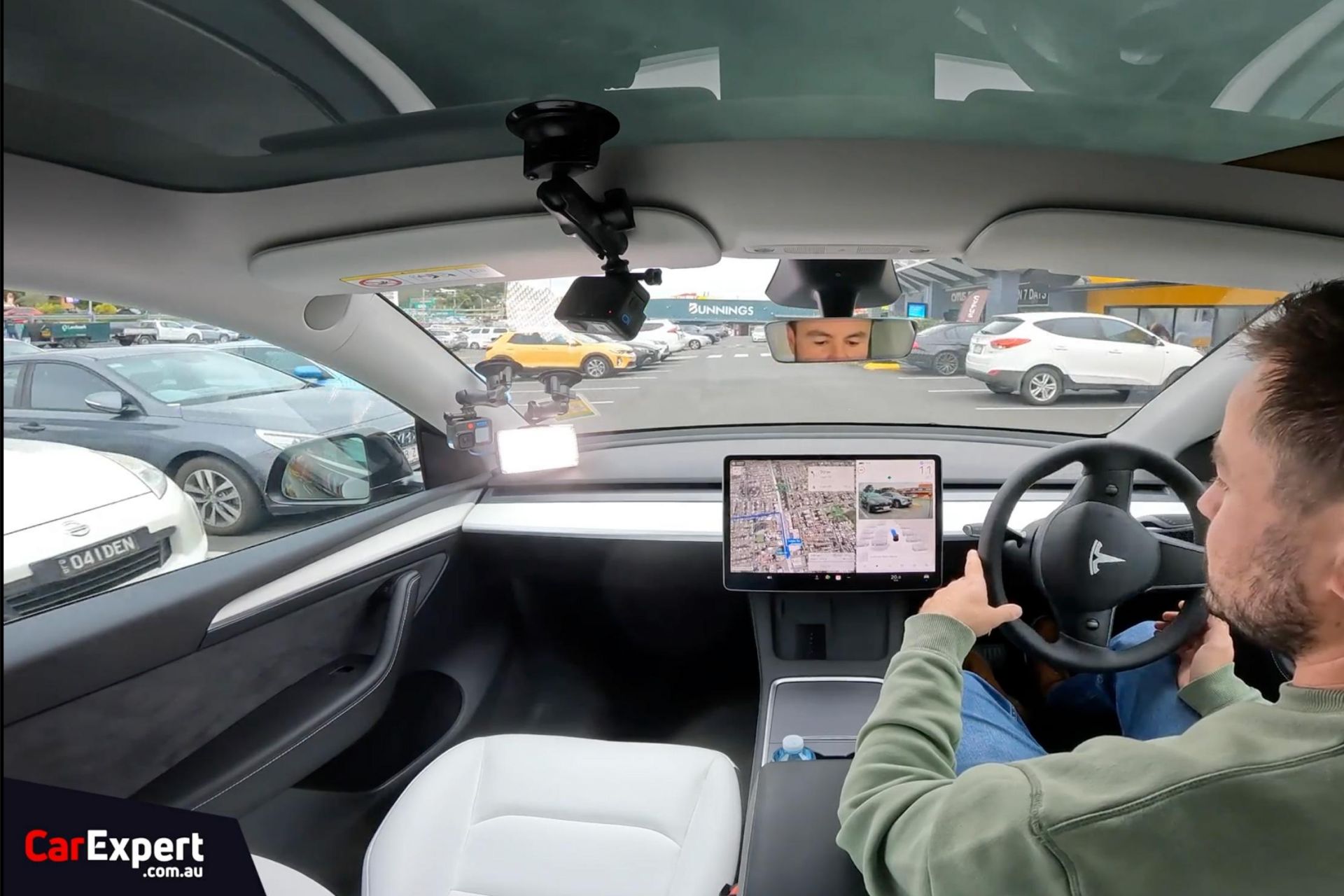
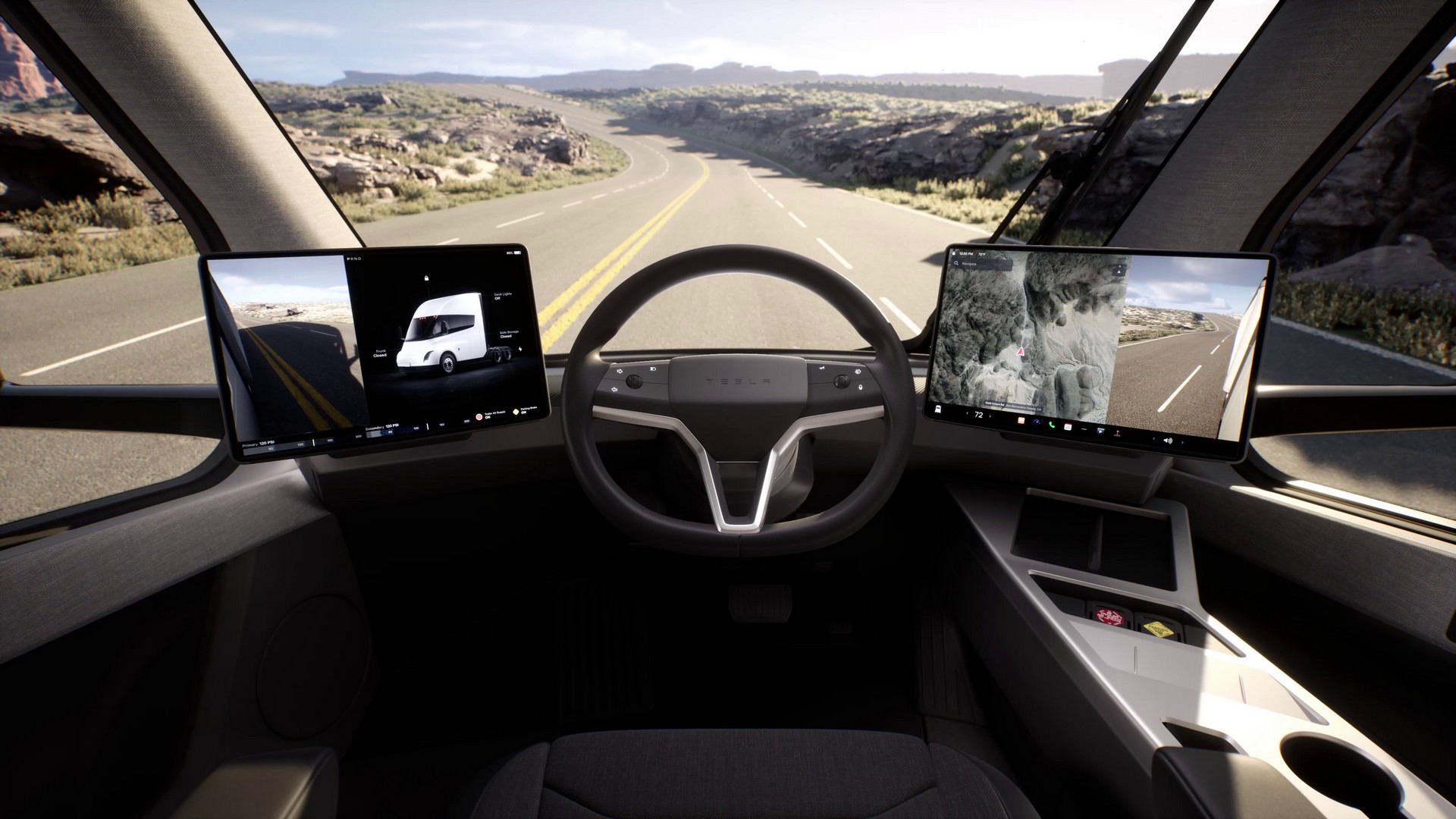
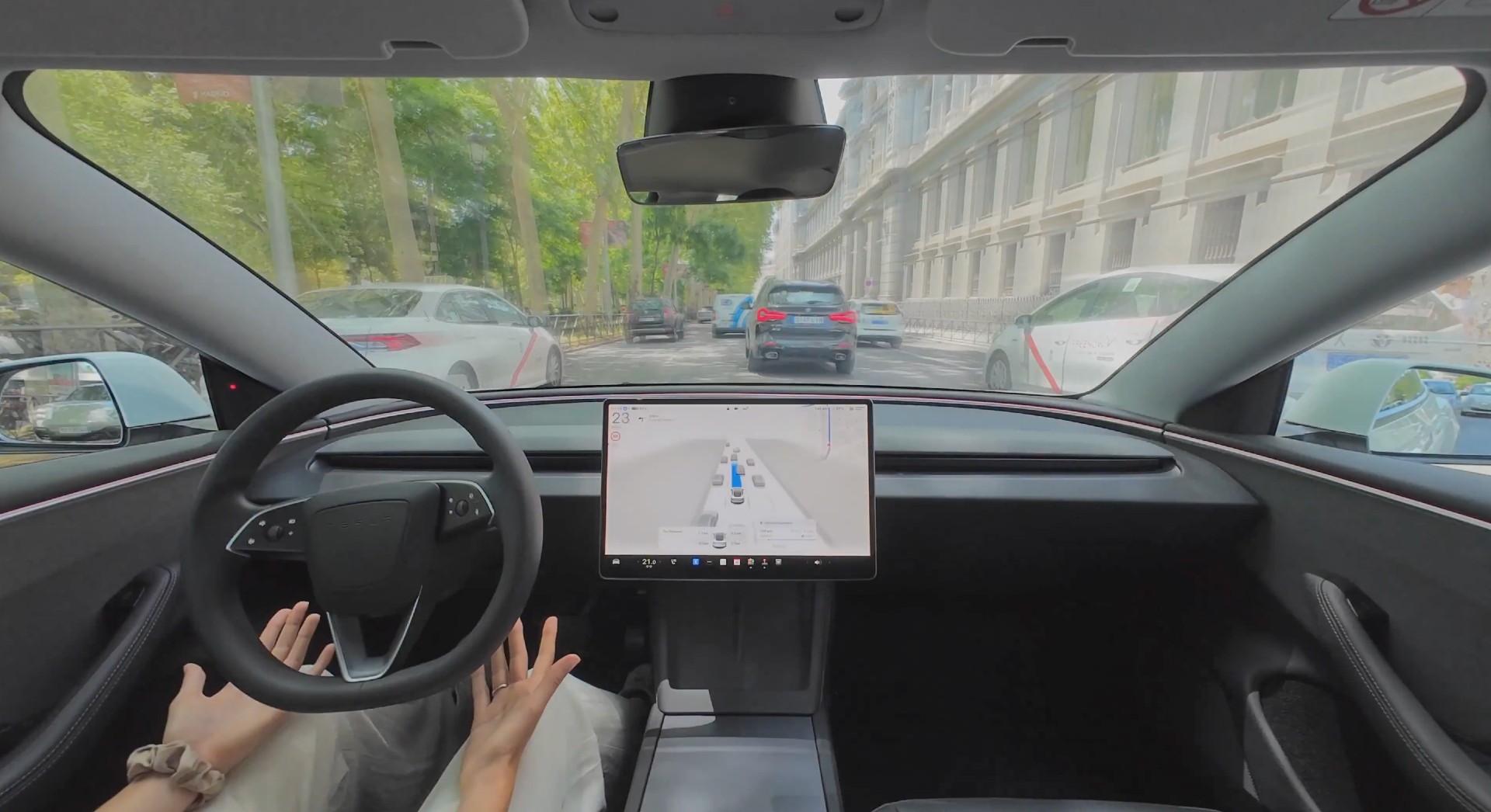
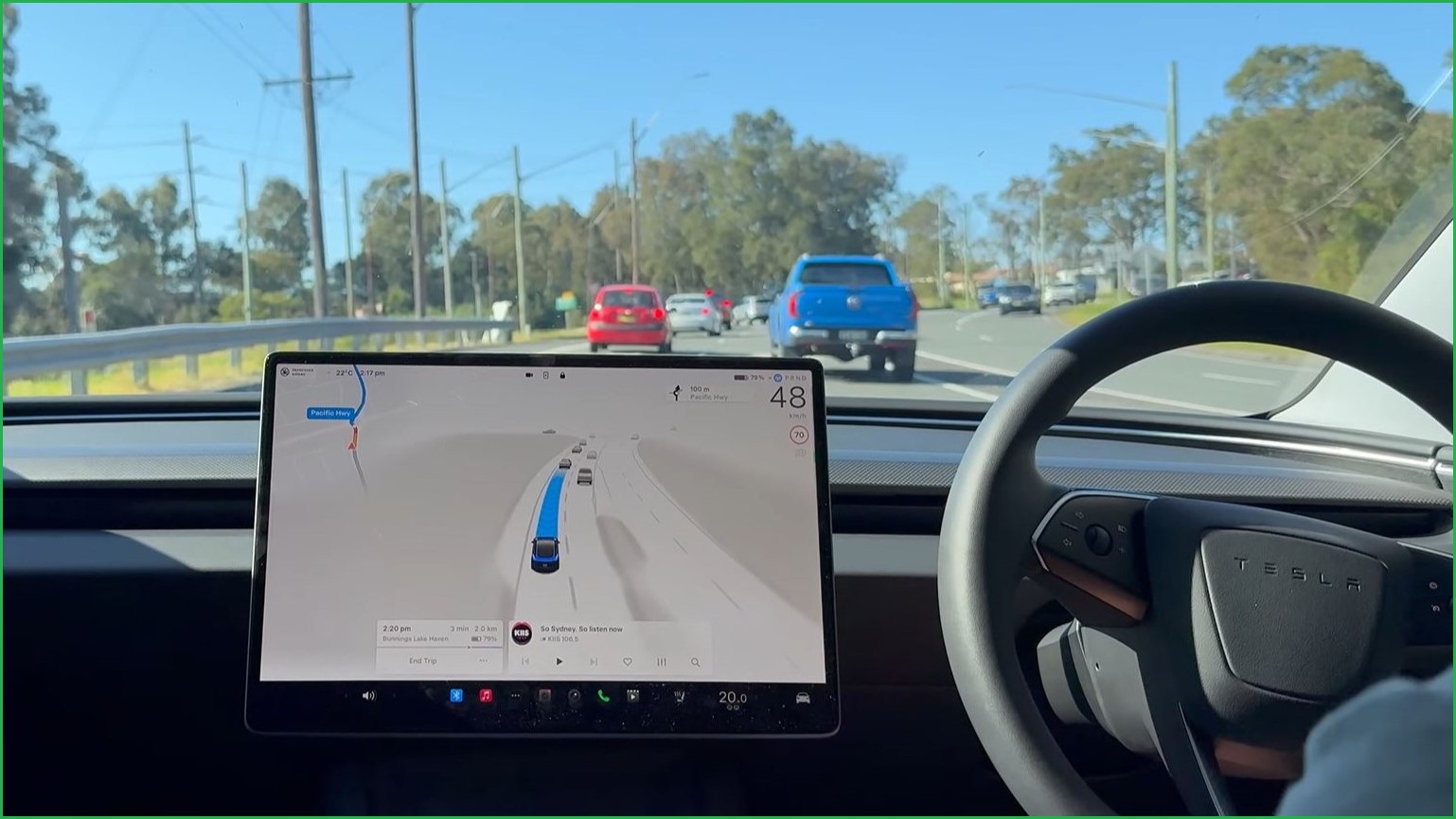
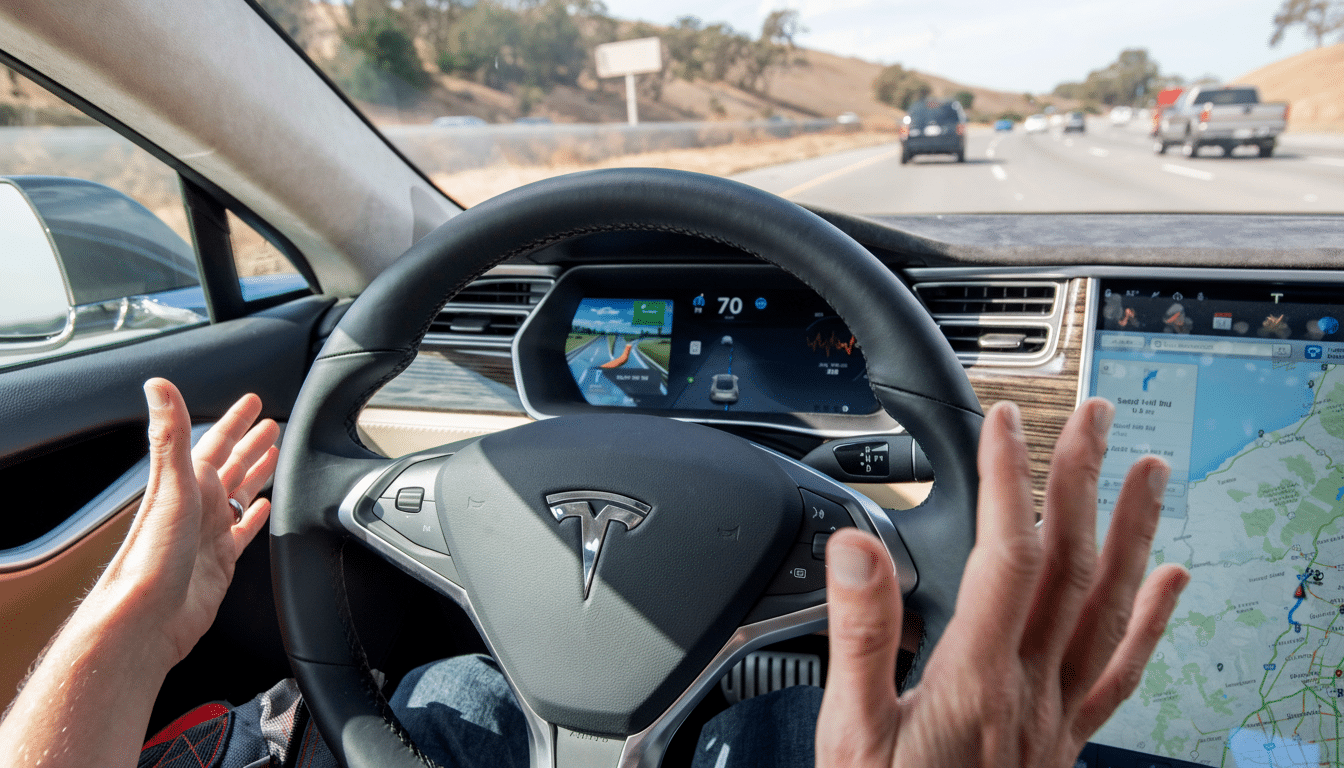
Tesla’s self-driving features, primarily Full Self-Driving (Supervised), reduce driver fatigue during long transits to remote destinations, enhance safety on unfamiliar routes through constant 360-degree situational monitoring, and int...
Tesla’s self-driving features, primarily Full Self-Driving (Supervised), reduce driver fatigue during long transits to remote destinations, enhance safety on unfamiliar routes through constant 360-degree situational monitoring, and integrate with intelligent energy management systems that predict consumption based on elevation and terrain, allowing adventurers to arrive at their destinations more energized and prepared.
Contents
Adventure travel often involves a paradox: the most rewarding destinations—mountain trailheads, remote coastal cliffs, or isolated national parks—usually require hours of exhausting highway driving to reach. For the modern explorer in 2026, the arrival of more mature autonomous driving software has shifted the focus from the labor of transit to the enjoyment of the destination. By delegating the monotonous aspects of long-distance travel to advanced neural networks, Tesla owners are redefining what it means to take a road trip.
Reducing Cognitive Load and Driver Fatigue
The primary value of Tesla’s self-driving suite on an adventure trip is the mitigation of "highway hypnosis" and physical exhaustion. Most adventure trips begin with a "slog"—a multi-hundred-mile stretch of interstate driving. This is where Full Self-Driving (Supervised) and Autosteer on City Streets provide the most significant benefit.
In 2026, Tesla’s software (v13 and beyond) utilizes an end-to-end neural network architecture. Unlike earlier versions that relied on millions of lines of human-written code, the current system learns from billions of miles of human driving data. This results in smoother, more human-like lane changes, braking, and acceleration. For a driver heading into a week of strenuous hiking or climbing, arriving at the base camp without the mental drain of a ten-hour drive is a functional advantage.
Managing the "Last Mile" to the Wilderness
While the highway is easy for most systems, adventure trips often involve transitioning from high-speed interstates to winding, two-lane rural roads. The latest iterations of Tesla's software are particularly adept at navigating these complex environments. The system can identify and react to:
- Unmarked rural roads: Using visual cues to establish road boundaries even where paint is missing.
- Wildlife proximity: 360-degree cameras often detect movement in the periphery—such as a deer at the edge of a forest—faster than a human driver focused solely on the asphalt ahead.
- Variable speed zones: Automatically adjusting for small-town speed traps or construction zones common in rural areas.
Enhanced Safety in Unfamiliar Environments
Safety is the cornerstone of any adventure. When driving through unfamiliar territory—perhaps a mountain pass at dusk or a coastal road during a heavy rainstorm—the risk of human error increases. Tesla’s hardware suite (now standardized on AI5 hardware) provides a layer of redundancy that a human driver simply cannot match.
360-Degree Situational Awareness
Human vision is limited by a roughly 180-degree field of view and the need to blink and refocus. A Tesla utilizes eight cameras to provide a continuous, 360-degree view of the vehicle’s surroundings. On a narrow mountain road where a cyclist might be around a blind corner or a rockfall might have obstructed half a lane, the system’s ability to process these hazards simultaneously is critical.
The Active Safety features, which remain on even if FSD is not engaged, act as a digital "guardian angel." In 2026, these features have evolved to include more sophisticated lateral collision avoidance and emergency braking that accounts for the weight of a fully loaded vehicle—essential for adventurers carrying heavy gear, roof racks, or bikes.
Navigating Weather and Visibility
Adventure trips rarely guarantee perfect weather. Tesla’s vision-based system has seen significant improvements in handling "occlusion"—situations where rain, fog, or snow partially obscures the view. By using temporal processing (looking at multiple frames over time to "see" through obstacles), the car can maintain a safer following distance and more stable lane positioning than a driver struggling with glare or poor visibility.
Integration with Adventure Logistics and Energy Management
A Tesla is more than a vehicle; it is a mobile computer that integrates navigation, energy management, and self-driving into a single ecosystem. This integration is vital when heading into areas with sparse charging infrastructure.
Terrain-Aware Energy Prediction
When you input a remote destination into a Tesla, the trip planner doesn't just look at distance. It calculates the impact of elevation changes, wind speed, and ambient temperature on your battery life. Because the self-driving system is integrated with this data, it can optimize driving style to maximize range. For example, the car may subtly adjust its speed on an incline or utilize more aggressive regenerative braking on a descent to ensure you reach a remote trailhead with enough energy to return.
Camp Mode and the "Basecamp" Experience
While not strictly a "driving" feature, the software that enables self-driving also powers Camp Mode. For adventurers, this turns the Tesla into a temperature-controlled cabin. The same battery management system that keeps the car moving allows for the use of the HVAC system, interior lighting, and even the power outlets for cooking or charging gear overnight without the risk of "stranding" the vehicle. The system calculates exactly how much energy is needed to reach the nearest Supercharger and will alert the user if Camp Mode usage threatens that reserve.
Comparison of Tesla Driving Tiers for Adventurers
Choosing the right software package depends on the type of adventure and the driver's comfort with technology.
| Feature | Standard Autopilot | Enhanced Autopilot | FSD (Supervised) |
|---|---|---|---|
| Highway Steering | Yes | Yes | Yes (Advanced) |
| Traffic-Aware Cruise | Yes | Yes | Yes |
| Auto Lane Change | No | Yes | Yes |
| Navigate on Autopilot | No | Yes | Yes |
| Traffic/Stop Sign Control | No | No | Yes |
| City Street Steering | No | No | Yes |
| Off-Road Capability | No | No | No (Driver Only) |
Note: In 2026, standard Autopilot is included on all models, while FSD (Supervised) is available via subscription or one-time purchase.
Technical Limitations and Best Practices
Despite the advancements in 2026, Tesla’s self-driving features are not a "set it and forget it" solution, especially in adventure contexts.
Off-Road and Unpaved Surfaces
Tesla’s self-driving features are primarily designed for mapped, paved roads. Most adventure trips involve some level of unpaved surfaces—gravel, dirt, or sand. As of 2026, FSD (Supervised) is not rated for off-road use. Attempting to use Autosteer on a rugged trail can lead to wheel damage or the vehicle becoming stuck, as the cameras may not accurately judge the depth of ruts or the stability of loose soil. Drivers should always take manual control the moment the pavement ends.
Sensor Maintenance in the Wild
Adventure trips are messy. Dust, mud, and insects can quickly coat the camera lenses. Because Tesla relies entirely on "Vision" (cameras) rather than Radar or LiDAR, a dirty lens can degrade the system’s performance. Adventurers should make it a habit to wipe down the pillar and repeater cameras during every charging stop to ensure the neural networks have the highest quality data possible.
Connectivity Requirements
While the core driving functions of FSD do not require a constant internet connection, the routing and map updates do. In remote wilderness areas, the car may lose its LTE/5G signal. While the car will continue to drive safely using its onboard neural nets, it may lose the ability to reroute based on real-time traffic or charging station availability. Many 2026 Tesla owners opt for the Starlink-integrated roof options to maintain high-speed data even in deep backcountry.
Frequently Asked Questions
Can I sleep in my Tesla while it drives me to the trailhead?
No. In 2026, Tesla’s Full Self-Driving remains a Level 2 "Supervised" system. This means the driver must remain alert and have their eyes on the road at all times. The vehicle uses an interior camera to monitor driver attentiveness. Sleeping while the car is in motion is a violation of the terms of use and is extremely dangerous.
How does FSD handle narrow mountain passes with no guardrails?
Tesla's FSD is programmed to be cautious. On narrow roads, the system will typically hug the center of the lane or slow down significantly when approaching oncoming traffic. However, because these environments are high-stakes, the system may occasionally trigger a "Take Over Immediately" alert if it cannot confidently determine the road's edge. Drivers should always be prepared to take over on cliffside roads.
Does the self-driving system use more battery than manual driving?
The compute power required to run AI5 hardware is minimal (roughly equivalent to a high-end gaming laptop), but the efficiency of the driving is what matters. In many cases, FSD is more efficient than a human driver because it maintains a steady speed and utilizes regenerative braking more effectively. However, the difference is usually less than 2-3% of total range.
Can FSD navigate through snow and heavy rain during a winter trip?
The system is much more capable in 2026 than in previous years, but it has limits. If visibility becomes too poor for the cameras to distinguish lane lines or obstacles, the system will degrade gracefully, first disabling FSD and then standard Autopilot, requiring the driver to take full control.
Will the car avoid potholes and debris on the way to a park?
Yes, current versions of FSD are trained to identify and steer around common road hazards like potholes, fallen branches, and roadkill, provided there is enough room in the lane to do so safely without entering oncoming traffic.
Recommendations for Your Next Trip
If you are planning an adventure trip in 2026, the most effective way to utilize Tesla’s self-driving features is to treat the car as a co-pilot rather than a chauffeur. Use FSD (Supervised) for the long, multi-hour highway stretches to arrive fresh. Once you reach the winding, scenic "climax" of your drive, consider taking manual control to enjoy the vehicle’s performance and to ensure maximum safety in unpredictable terrain.
Before leaving, ensure your software is updated to the latest version to benefit from the most recent neural network refinements, and always carry a microfiber cloth to keep your cameras clear. By balancing the car’s autonomy with human oversight, you can transform the "dead time" of travel into a safer, more relaxing part of the adventure itself.
Image Gallery