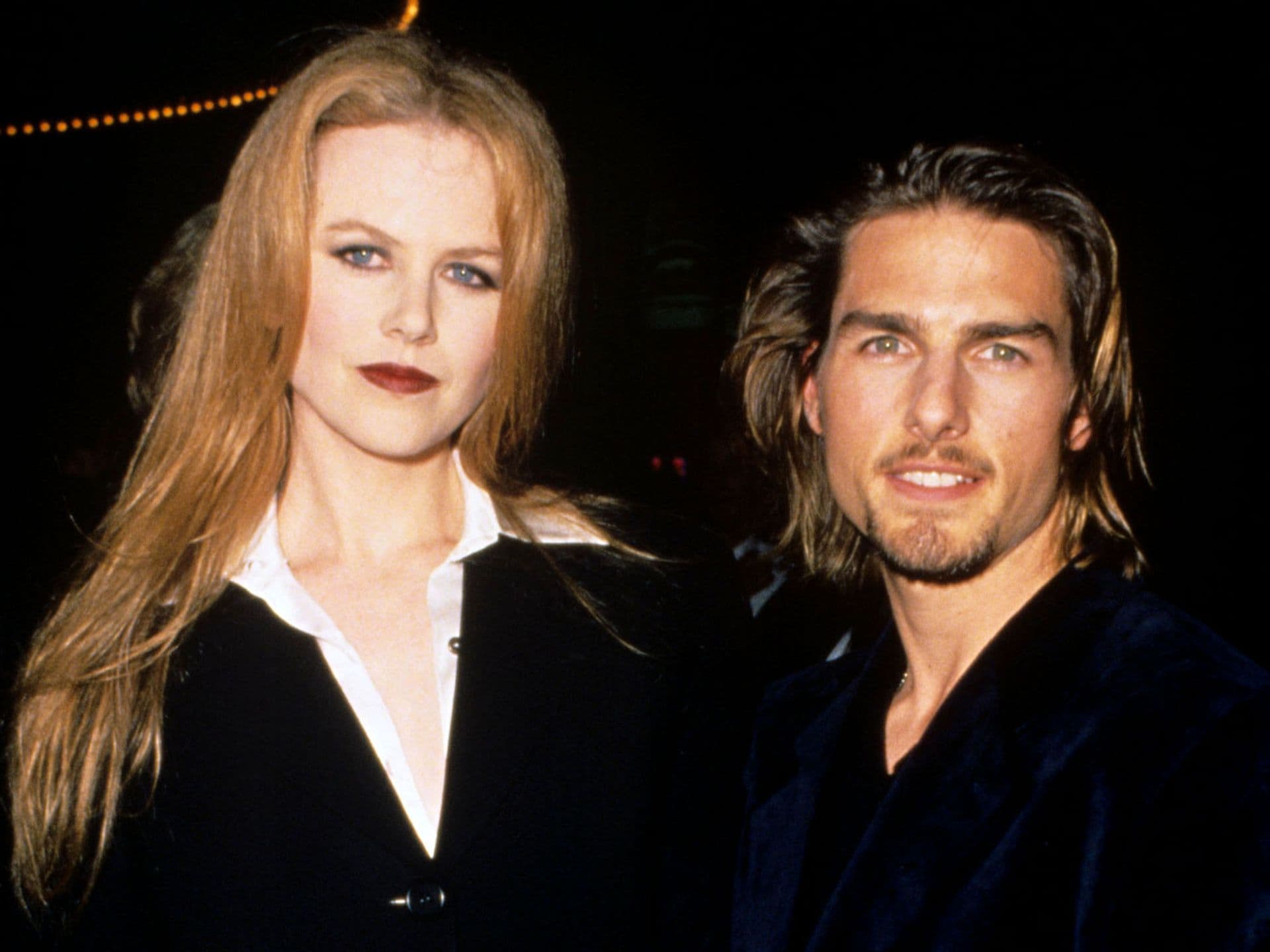
Nicole Kidman’s Early Career and Rise to Global Stardom
Nicole Kidman began her career as a teenager in Australian film and television during the early 1980s. She gained international recognition with the 1989 thriller Dead Calm before becoming a global household name in 1990s Hollywood thr...
Nicole Kidman began her career as a teenager in Australian film and television during the early 1980s. She gained international recognition with the 1989 thriller Dead Calm before becoming a global household name in 1990s Hollywood through versatile performances in Days of Thunder, To Die For, and Eyes Wide Shut.
Contents
The Formative Years in Australia (1967–1983)
Nicole Mary Kidman was born on June 20, 1967, in Honolulu, Hawaii, while her Australian parents were in the United States on educational visas. The family returned to Australia when she was four years old, and she grew up in the suburbs of Sydney. Her father, Antony Kidman, was a biochemist and clinical psychologist, and her mother, Janelle, was a nursing instructor. This academic and disciplined environment influenced her early intellectual approach to character study.
As a child, Kidman suffered from a stutter, which she has frequently cited as the catalyst for her interest in acting. She found that she could speak fluently when reciting lines or adopting a persona, leading her to pursue drama as a form of self-expression. She attended the Phillip Street Theatre and the Australian Theatre for Young People, where she refined her craft alongside fellow aspiring actors. Her physical presence—tall and striking with natural red curls—made her a notable figure in the Sydney theatre scene even before she reached her sixteenth birthday.
Breakout Success Down Under: From Bush Christmas to Dead Calm
Kidman’s professional screen debut occurred in 1983 with a holiday-themed remake of the Australian classic Bush Christmas. At just 16, she demonstrated a natural screen presence that led to a string of consistent work in domestic productions. Shortly after, she starred in BMX Bandits (1983), a teen adventure film that became a cult classic. While these early roles were lighthearted, they established her as a recognizable face in the Australian entertainment industry.
The mid-1980s saw Kidman moving into more complex territory. Her role in the 1987 miniseries Vietnam, directed by John Duigan and Chris Noonan, was a turning point. Playing Megan Goddard, a young woman navigating the social upheavals of the 1960s, Kidman won her first Australian Film Institute (AFI) Award. This performance proved she was capable of the emotional depth required for serious drama.
However, the definitive moment of her "younger years" was the 1989 nautical thriller Dead Calm. Directed by Phillip Noyce and produced by Terry Hayes, the film featured Kidman as Rae Ingram, a woman trapped on a yacht with a psychopathic stranger. The film was a masterclass in tension and showcased Kidman’s ability to carry a film through physical performance and psychological resilience. It was this specific role that caught the attention of Hollywood executives and actor Tom Cruise, marking the end of her strictly Australian career phase.
Transitioning to Hollywood and the 1990s Era
By 1990, Kidman had transitioned to the American film industry. Her first Hollywood production was the high-octane racing drama Days of Thunder, where she played Dr. Claire Lewicki. The film was a commercial success and was significant for her personal life, as she married her co-star Tom Cruise later that year. For several years, the media often characterized her as "Mrs. Tom Cruise," a label she worked tirelessly to overcome by selecting diverse and challenging roles.
Throughout the early 1990s, Kidman balanced large-budget studio films with character-driven pieces. In Billy Bathgate (1991), she earned her first Golden Globe nomination for Best Supporting Actress, playing a socialite caught in a mob war. She followed this with the epic immigrant drama Far and Away (1992) and the psychological thriller Malice (1993). These films demonstrated her range, as she moved seamlessly between high-stakes action, period drama, and manipulative "femme fatale" archetypes.
Critical Transformation: The Impact of To Die For
The most significant shift in Kidman's early career occurred in 1995 with the release of To Die For, directed by Gus Van Sant. Kidman played Suzanne Stone, a ruthlessly ambitious weather presenter willing to commit murder for fame. This performance was a radical departure from the "girl next door" or "supportive wife" roles she had occasionally been funneled into.
Kidman actively lobbied for the role, recognizing it as a vehicle to prove her comedic timing and dark dramatic range. Her portrayal of Stone was satirical, sharp, and chillingly prophetic regarding the burgeoning "famous for being famous" culture of the late 20th century. The performance earned her a Golden Globe for Best Actress and cemented her status as one of the most talented performers of her generation. This success allowed her to pivot toward more prestigious projects, such as Jane Campion’s adaptation of The Portrait of a Lady (1996), where she played the complex Isabel Archer.
Visual Evolution: The Style and Image of a Young Nicole Kidman
During her younger years, Kidman’s visual identity was inextricably linked to her natural Australian roots. She was famously known for her mass of tight, strawberry-blonde curls and porcelain skin. In the late 1980s and early 1990s, her style reflected the era—oversized blazers, high-waisted denim, and minimal makeup that highlighted her youthful features.
As she moved further into the 1990s and became a fixture on international red carpets, her image became more refined and high-fashion oriented. She began a long-standing association with major designers, particularly John Galliano for Dior and Karl Lagerfeld for Chanel. Her appearance at the 1997 Academy Awards in a chartreuse Dior dress is often cited as a landmark moment in red-carpet history, signaling her transformation from a rising actress into a global fashion icon. By the time she filmed Eyes Wide Shut (1999) with Stanley Kubrick, she had transitioned into the sleek, sophisticated aesthetic that would define her later career.
Key Filmography: Notable Roles Before 2001
The following table outlines the foundational roles that defined Nicole Kidman’s rise to prominence before she reached her mid-30s.
| Film / Series | Year | Role | Significance |
|---|---|---|---|
| Bush Christmas | 1983 | Helen | Feature film debut at age 16; Australian classic. |
| BMX Bandits | 1983 | Judy | Established her as a popular teen star in Australia. |
| Vietnam | 1987 | Megan Goddard | First major critical acclaim; won AFI Award. |
| Dead Calm | 1989 | Rae Ingram | Breakthrough role that facilitated her Hollywood entry. |
| Days of Thunder | 1990 | Dr. Claire Lewicki | Her first major US studio film; met Tom Cruise. |
| To Die For | 1995 | Suzanne Stone | Critical breakthrough; won Golden Globe for Best Actress. |
| The Portrait of a Lady | 1996 | Isabel Archer | Demonstrated her capability in high-prestige period drama. |
| Eyes Wide Shut | 1999 | Alice Harford | Final Kubrick film; showcased psychological complexity. |
The Kubrick Influence and the End of an Era
The conclusion of Kidman’s "younger years" is often marked by her collaboration with legendary director Stanley Kubrick on Eyes Wide Shut. The production was notoriously long, lasting over 400 days of filming. The psychological intensity of the project, combined with the real-life scrutiny of her marriage to Cruise, pushed Kidman to new artistic heights. Her performance as Alice Harford was praised for its vulnerability and intellectual depth.
Shortly after the film's release, her decade-long marriage to Cruise ended, and her career underwent another massive transformation with the release of Moulin Rouge! in 2001. However, the foundation for her later Academy Award-winning success was built entirely on the risks she took in the 1980s and 90s. She had successfully transitioned from an Australian teen star to a formidable international talent who commanded respect from both commercial audiences and elite directors.
Frequently Asked Questions
What was Nicole Kidman’s first movie?
Nicole Kidman’s first feature film was the 1983 Australian movie Bush Christmas. She played the character Helen, a teenage girl living in the Australian outback. The film is a holiday staple in Australia and launched her career when she was just 16 years old.
Did Nicole Kidman grow up in the United States?
While she was born in Hawaii, Nicole Kidman did not grow up in the United States. Her parents were Australians studying in Honolulu at the time of her birth. They returned to Australia when she was four, and she spent her entire childhood and early adulthood in Sydney, where she attended North Sydney Girls' High School and studied at local theatres.
How did Nicole Kidman get her break in Hollywood?
Her international breakthrough was the 1989 Australian thriller Dead Calm. Her performance as Rae Ingram was so impressive that it led to an invitation to Hollywood. Tom Cruise saw the film and requested her as his co-star for Days of Thunder (1990), which became her first American film and launched her career in the United States.
What was Nicole Kidman's hair color when she was young?
In her younger years, Nicole Kidman was famous for her natural strawberry-blonde or reddish-blonde hair. It was characterized by thick, voluminous curls, which she often wore naturally in her early Australian films. As her career progressed in Hollywood, she began wearing her hair in sleeker, straighter styles and eventually transitioned to the lighter blonde shades she is known for today.
Which early role is considered her best performance?
Critics generally point to To Die For (1995) as the definitive performance of her younger years. Her portrayal of Suzanne Stone demonstrated that she was not just a "star" but a character actress with a biting sense of humor and the ability to play deeply unsympathetic yet fascinating characters. This role is credited with changing the industry's perception of her.
Recommendation for Further Exploration
To truly understand the evolution of Nicole Kidman, viewers should revisit her early Australian work rather than focusing solely on her Hollywood blockbusters. Watching Dead Calm followed by To Die For provides the best perspective on how she developed the technical precision and emotional intensity that made her one of the most enduring actors of the 21st century. For those interested in the history of Australian cinema, the National Film and Sound Archive of Australia offers extensive resources on her early career and the cultural impact of her 1980s productions.
Image Gallery