How to Complete and Submit a Benefits Designation Form for AARP Life Insurance
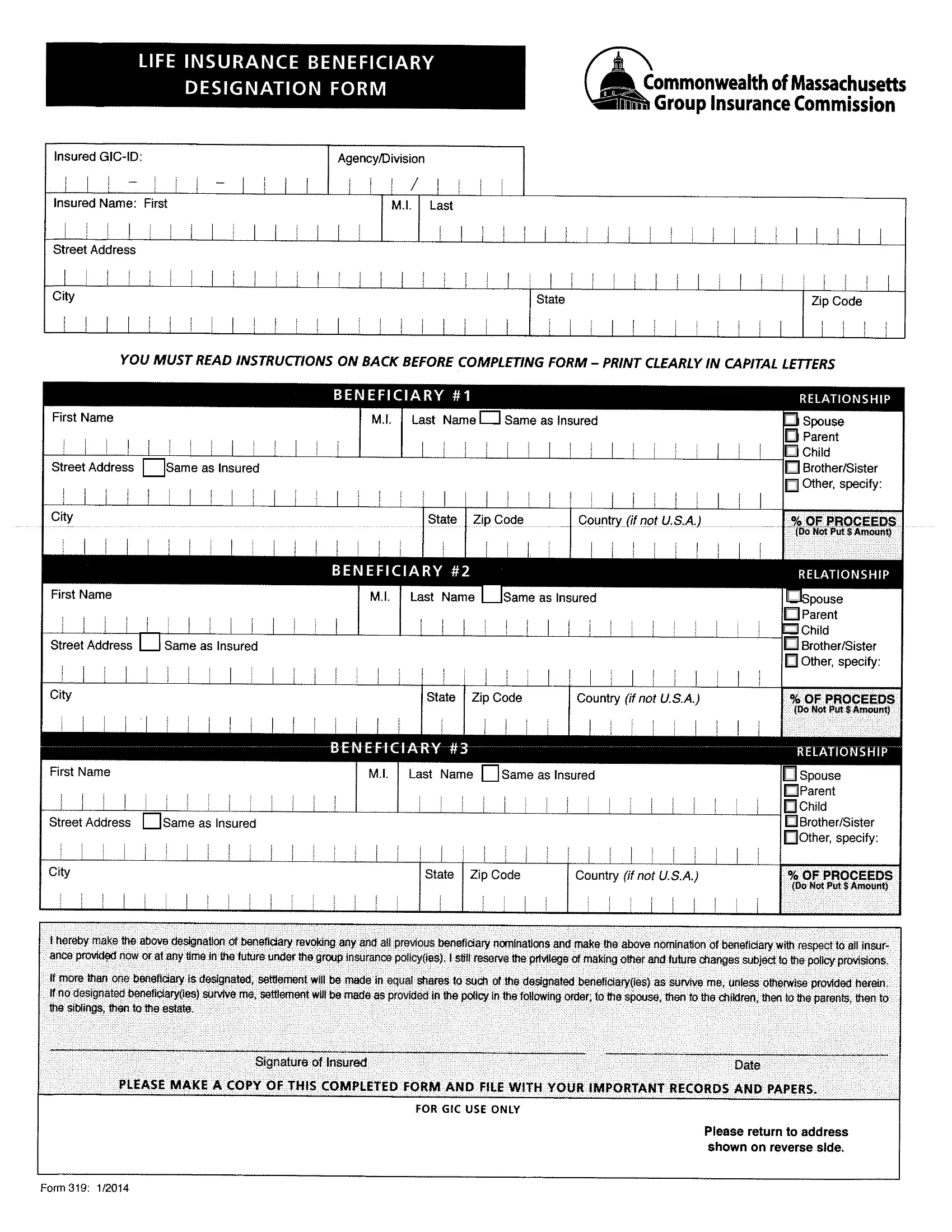
The AARP Life Insurance benefits designation form is the legal document used to name the individuals or entities who will receive your policy’s death benefit. Administered by New York Life, this form can be updated online through the m...
The AARP Life Insurance benefits designation form is the legal document used to name the individuals or entities who will receive your policy’s death benefit. Administered by New York Life, this form can be updated online through the member portal or via a physical document mailed to the administrator. Maintaining an accurate form ensures that your assets bypass probate and reach your intended heirs without legal delay.
Contents
Understanding the Importance of the Beneficiary Designation
In the context of life insurance, the beneficiary designation is often more powerful than a last will and testament. Because a life insurance policy is a contract between you and the insurer—in this case, New York Life Insurance Company, which underwrites AARP programs—the proceeds are generally paid directly to the named beneficiaries outside of the probate process. This means that even if your will specifies a different distribution, the insurance company is legally bound to follow the instructions on the benefits designation form on file at the time of death.
As of 2026, the complexity of estate transfers has increased with shifting tax thresholds and family structures. For AARP members, who are typically aged 50 and older, the designation form is a critical tool for financial security. Failing to keep this form updated after major life events—such as marriage, divorce, the birth of a grandchild, or the passing of a previously named beneficiary—can lead to "interpleader" actions, where the insurance company asks a court to decide who gets the money, potentially freezing the funds for months or years.
Types of Beneficiary Designations
When filling out your AARP life insurance paperwork, you must distinguish between different types of beneficiaries. Understanding these roles ensures your intentions are executed precisely.
Primary vs. Contingent Beneficiaries
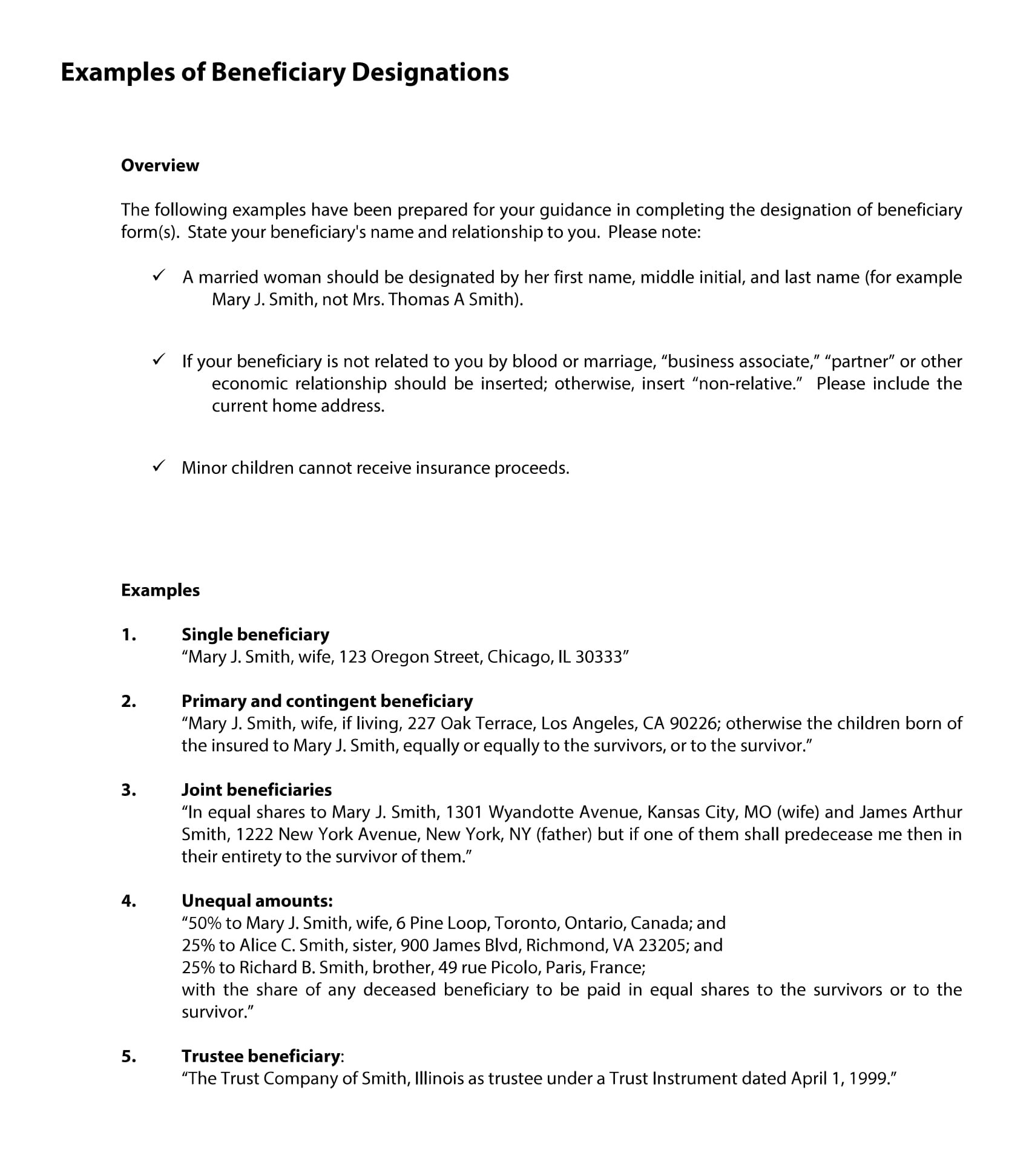
The Primary Beneficiary is first in line to receive the death benefit. You can name one person or multiple people and assign specific percentages to each. If you name multiple primary beneficiaries, their total allocation must equal 100%.
The Contingent Beneficiary (also known as the secondary beneficiary) receives the benefit only if all primary beneficiaries are deceased at the time of the insured's death. This is a crucial "safety net" designation that prevents the policy proceeds from defaulting to your estate, which would subject the money to probate fees and creditor claims.
Per Stirpes vs. Per Capita
Modern AARP designation forms may allow you to choose how benefits are distributed if a beneficiary predeceases you:
- Per Stirpes: This translates to "by the branch." If a named beneficiary dies before you, their share passes down to their own heirs (e.g., your children’s children).
- Per Capita: This translates to "by the head." If one of three named beneficiaries dies, the remaining two simply split the deceased person's share equally, rather than it passing to the deceased's descendants.
Accessing the AARP Life Insurance Benefits Designation Form in 2026
For the 2026 calendar year, New York Life has streamlined the process for AARP members to update their records. There are three primary methods to obtain and submit the form:
- The Online Member Portal: The fastest method is logging into the New York Life AARP-specific portal. Digital submissions are processed faster than paper forms and provide an immediate electronic confirmation.
- Customer Service Request: Members can call the AARP Life Insurance Program’s dedicated service line to request a physical "Beneficiary Change Form" be mailed to their primary residence. This is often necessary for those who require physical signatures for legal or personal records.
- Direct Download: PDF versions of the form are frequently available on the official New York Life/AARP website for users who wish to print, sign, and mail the document.
Step-by-Step Guide to Filling Out the Form
Accuracy is paramount. Even a minor misspelling of a name or an incorrect Social Security Number (SSN) can delay the claims process for your loved ones.
Step 1: Personal Policy Identification
You must provide your full legal name, current address, and the specific policy number. If you have multiple AARP policies (e.g., a Term Life policy and a Permanent Life policy), verify whether the form applies to all of them or if you need to submit separate forms for each.
Step 2: Identifying Beneficiaries
For every person or entity named, you should provide:
- Full Legal Name: Avoid nicknames.
- Social Security Number: This is the most reliable way for the insurer to verify the identity of the claimant.
- Date of Birth: Essential for distinguishing between family members with similar names (e.g., Junior vs. Senior).
- Relationship to the Insured: (e.g., Spouse, Child, Domestic Partner, Trust).
- Contact Information: A current address and phone number for the beneficiary.
Step 3: Allocation of Benefits
Clearly state the percentage of the death benefit each person should receive. Use percentages rather than dollar amounts, as the total value of the policy may change over time due to paid-up additions or adjustments. Ensure the total for the primary section equals 100%, and the total for the contingent section (if used) also equals 100%.
Step 4: Signatures and Witnesses
In most jurisdictions, your signature is required. However, if you live in a community property state (such as California, Texas, or Arizona), your spouse may be legally entitled to a portion of the death benefit regardless of your designation. In these states, if you name someone other than your spouse as a primary beneficiary, the spouse may need to sign a "spousal consent" section of the form to waive their rights.
| Feature | Online Submission | Paper/Mail Submission |
|---|---|---|
| Processing Speed | 1–3 Business Days | 7–14 Business Days |
| Confirmation | Immediate Email/Digital Receipt | Notification via Postal Mail |
| Error Checking | Built-in validation (prevents <100% total) | Manual review (requires resubmission if errors found) |
| Spousal Consent | Electronic Signature (where permitted) | Requires physical/notarized signature in some states |
| Document Retention | Stored in digital "vault" | Requires physical filing by the member |
Special Considerations for Complex Designations
Naming a Trust as Beneficiary
Many AARP members in 2026 utilize Revocable Living Trusts to manage their estates. To name a trust, you must provide the full legal name of the trust (e.g., "The John Doe Revocable Trust dated January 1, 2020") and the name of the current trustee. Naming a trust can provide more control over how the money is spent, which is particularly useful if the heirs are young or have special needs.
Naming Minors
Directly naming a minor child as a beneficiary is often a mistake. Insurance companies generally cannot pay large sums of money directly to a minor. Instead, the court will appoint a guardian to manage the funds until the child reaches the age of majority (18 or 21, depending on the state), which creates unnecessary legal fees. To avoid this, use the Uniform Transfers to Minors Act (UTMA) designation or name a trust for the child's benefit.
Naming a Charity
You may designate a 501(c)(3) non-profit organization as a beneficiary. You will need the charity’s full legal name and its Federal Tax ID Number (EIN) to ensure the funds reach the correct organization.
Common Mistakes and How to Avoid Them
- The "Estate" Trap: Naming your "estate" as the beneficiary. This forces the life insurance proceeds into probate, making the money accessible to creditors and delaying payment to your family.
- Vague Language: Using terms like "my children" instead of listing them by name. If you have children from different marriages or an adopted child, vague language can lead to legal disputes.
- Failure to Update After Divorce: In many states, a divorce decree does not automatically revoke a beneficiary designation. You must proactively change the form, or your ex-spouse may still legally receive the benefit.
- Incomplete Contact Info: If the insurer cannot find your beneficiary, the money may eventually be turned over to the state’s unclaimed property department. Update the form whenever a beneficiary moves.
FAQs About AARP Life Insurance Beneficiary Forms
Can I change my beneficiaries at any time?
Yes. Unless you have designated an irrevocable beneficiary (which is rare in AARP plans), you have the right to change your beneficiaries as often as you wish. It is recommended to review your designations annually during your policy anniversary.
Does a will override the AARP benefits designation form?
Generally, no. A life insurance policy is a contractual asset. The contract with New York Life stipulates that payment is made to the person named on the company's records. Even if your will is dated later than your insurance form, the insurance form usually takes precedence.
What happens if I don't name a beneficiary?
If no valid beneficiary is named or if all named beneficiaries have passed away, the policy proceeds are typically paid to your estate. This subjects the funds to the probate process, where they may be used to pay off debts or taxes before reaching your heirs.
Can I name my pet as a beneficiary?
No. Legally, pets cannot own property or receive insurance proceeds. If you wish to provide for a pet, you should name a human "caretaker" as the beneficiary or set up a "Pet Trust" and name the trust as the beneficiary on the AARP form.
How long does it take for beneficiaries to receive the money?
Once the death certificate and claim forms are submitted, and assuming the benefits designation form is clear and up to date, New York Life typically processes AARP claims within 5 to 10 business days. Delays only occur if the form is missing, contested, or contains errors.
Is the death benefit taxable for the beneficiary?
In most cases, life insurance death benefits are not subject to federal income tax. However, if the proceeds are paid to your estate, they may increase the value of the estate for estate tax purposes. Beneficiaries should consult a tax professional regarding state-specific inheritance taxes.
Final Recommendations for AARP Members
To ensure your legacy is protected, take the following actions regarding your AARP Life Insurance benefits designation form:
- Audit Today: Log into the AARP/New York Life portal to see exactly who is currently named on your policy.
- Gather Data: Collect the Social Security Numbers and current addresses of all intended heirs.
- Communicate: Inform your beneficiaries that they are named on the policy and tell them where you keep your insurance records.
- Professional Review: If you have a complex family situation or significant assets, have an estate attorney review your designations to ensure they align with your broader financial plan.
Image Gallery