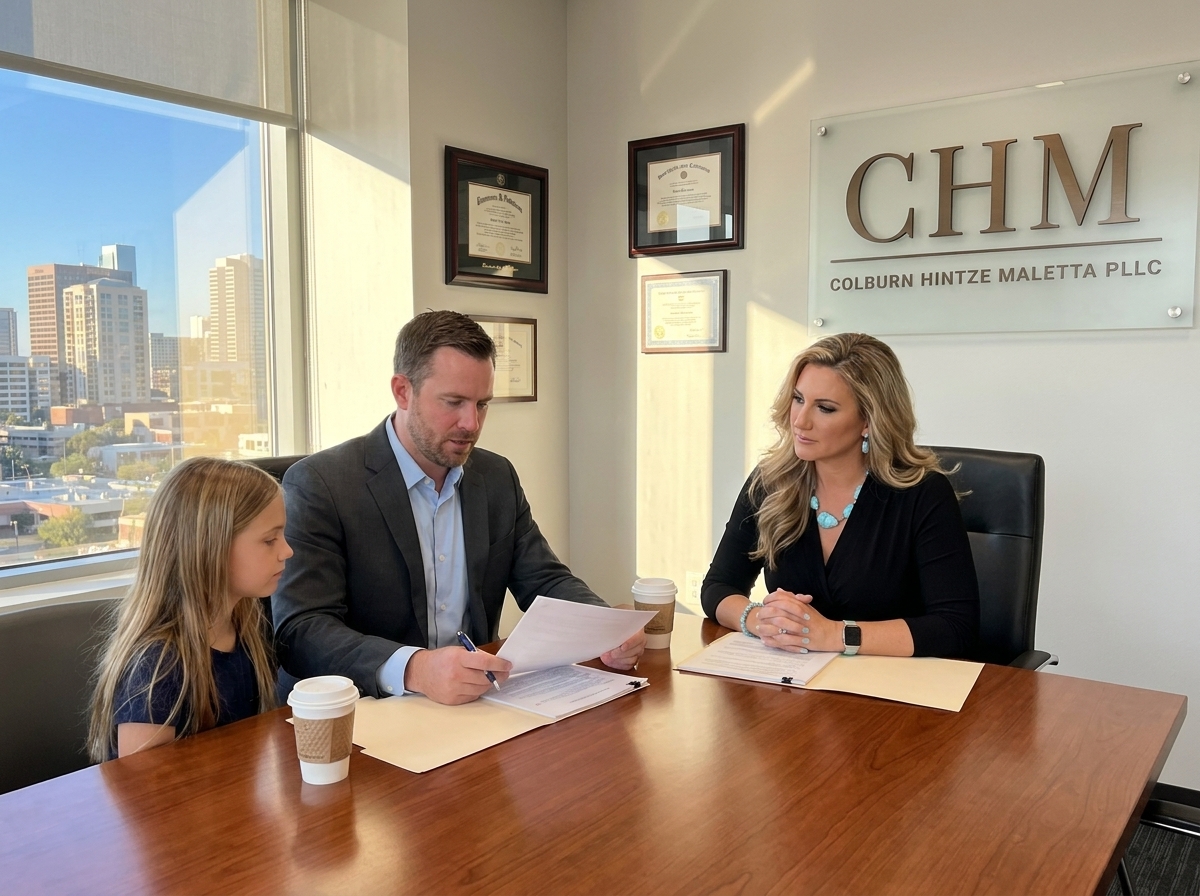
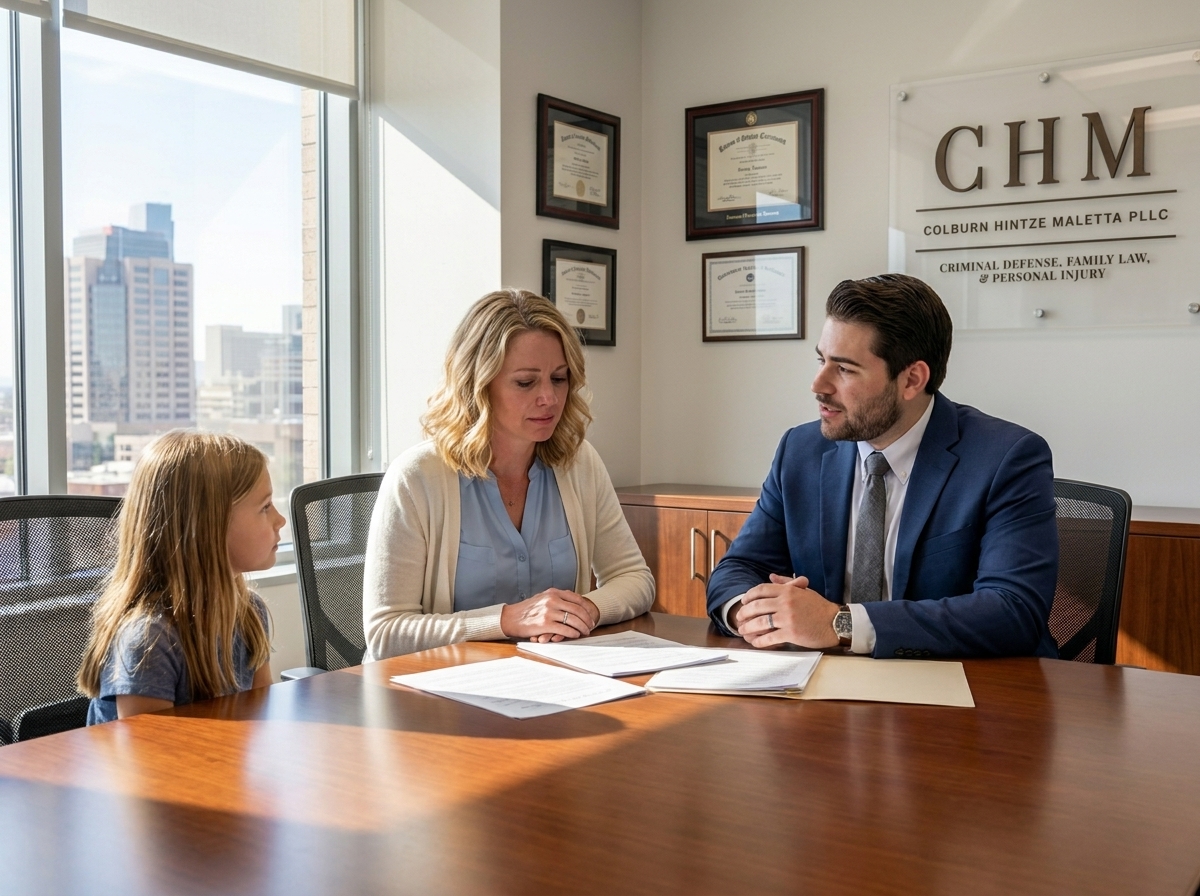
Comprehensive Guide to Finding a Free Consultation with Denver Custody Attorneys
Navigating a child custody dispute in Colorado requires specialized legal guidance, and securing a free consultation with Denver custody attorneys is often the essential first step to understanding parental rights, local court procedur...
Navigating a child custody dispute in Colorado requires specialized legal guidance, and securing a free consultation with Denver custody attorneys is often the essential first step to understanding parental rights, local court procedures, and potential case outcomes under state law.
Contents
When facing a child custody dispute in Colorado, finding the right legal representation is one of the most critical decisions a parent can make. In family law matters—legally referred to as the allocation of parental responsibilities (APR) in Colorado—the stakes involve your children's living arrangements, decision-making authority, and daily schedules. For many individuals, the financial barrier to entry can feel overwhelming. Fortunately, many family law firms and legal aid organizations offer an initial free consultation with Denver custody attorneys to help clients evaluate their options without upfront financial commitments.
Understanding how to maximize these initial meetings, what questions to ask, and how Colorado courts determine child custody can protect your parental rights and set a strategic foundation for your case.
Understanding Child Custody Laws in Colorado
Before speaking with an attorney, it helps to understand how the state of Colorado approaches child custody. The Colorado Judicial Branch does not use the traditional terms "custody" or "visitation." Instead, the state divides child-related legal matters into two primary categories: parenting time (physical custody) and decision-making responsibilities (legal custody).
Parenting time dictates the schedule of where the child lives and spends time with each parent. Decision-making responsibilities involve major life choices for the child, including education, medical care, religious upbringing, and general welfare. These responsibilities can be awarded jointly to both parents or solely to one parent, depending on what the court determines serves the child's best interests.
The "Best Interests of the Child" Standard
Under Colorado Revised Statutes (C.R.S.) § 14-10-124, courts determine parenting time and decision-making based exclusively on the best interests of the child. Judges evaluate a wide array of statutory factors, including:
- The wishes of the child's parents as to parenting time.
- The child's preference, if the child is sufficiently mature to express an independent preference.
- The interaction and interrelationship of the child with parents, siblings, and other significant household members.
- The child's adjustment to their home, school, and community.
- The mental and physical health of all individuals involved.
- The ability of the parties to encourage the sharing of love, affection, and contact between the child and the other parent.
- Past patterns of involvement and caregiving.
- The physical proximity of the parents to each other, which impacts logistical planning.
- Any history of domestic violence, child abuse, or substance abuse.
A knowledgeable Denver custody attorney can evaluate these factors through the lens of local court dynamics, particularly within the Second Judicial District (Denver County) or surrounding jurisdictions like Jefferson, Arapahoe, and Adams counties.
Why Initial Consultations Matter
An initial legal consultation serves as a mutual evaluation period. It allows you to assess an attorney's communication style, courtroom experience, and strategic approach while giving the lawyer an opportunity to review the basic facts of your case.
While some legal practices charge high flat fees for initial meetings, a growing number of Denver family law firms provide a free consultation to lower the barrier to professional advice. These sessions typically last between 30 and 60 minutes.
What to Expect During a Free Consultation
A productive consultation is structured, confidential, and focused on identifying core legal issues. Because time is limited, preparation is vital. The attorney will typically review:
- The Current Status: Whether there is an existing court order, a pending divorce, or an unmarried parents' paternity action.
- Immediate Concerns: Urgency surrounding temporary orders, relocation attempts, financial support, or safety issues.
- Goals and Objectives: What custody arrangement you are seeking and whether a contested court battle or mediation is the most realistic path.
- Fee Structures: An explanation of retainer fees, hourly rates, and estimated total costs for representation.
Limitations of a Free Consultation
It is important to recognize that a free consultation does not mean you have officially retained the attorney, nor does it guarantee the lawyer will take your case. The meeting provides preliminary legal information and strategic guidance, but comprehensive document review, drafting of court motions, and formal representation require a signed fee agreement and payment of an agreed retainer.
Preparing for Your Consultation with a Denver Attorney
To make the most of your free consultation with Denver custody attorneys, you must come prepared with organized documentation and clear questions. Treating the meeting like an interview ensures you gather the necessary information to make an informed choice.
Essential Documents to Bring or Have Ready
While you may not need every document for a brief introductory call, having the following items accessible will help the attorney provide an accurate assessment:
- Existing court orders, separation agreements, or restraining orders.
- Recent financial disclosures, pay stubs, or tax returns (relevant if child support is tied to the custody arrangement).
- A chronological timeline of significant events, especially concerning caregiving history, disputes, or safety incidents.
- Any written communications (text messages, emails, parenting app logs) that highlight disputed issues or cooperative parenting efforts.
Key Questions to Ask the Attorney
Asking targeted questions helps distinguish an experienced, compatible family law advocate from one who may not fit your needs. Consider asking the following:
- What percentage of your practice is dedicated to Colorado family law and child custody matters?
- How frequently do your cases settle through mediation versus going to a contested trial in Denver District Court?
- Who else will be working on my case (associates, paralegals), and what are their billing rates?
- Based on what I’ve shared, what are the potential strengths and weaknesses of my custody position?
- What is your preferred method of communication, and what is your typical response time for client inquiries?
| Consultation Focus Area | Objective | What to Look For |
|---|---|---|
| Experience | Verify subject-matter expertise | Extensive litigation and mediation history in Colorado family courts. |
| Strategy | Understand legal options | Tailored advice focused on the best interests of the child, not unnecessary conflict. |
| Communication | Establish working rapport | Clear, empathetic, and prompt responses regarding case progression. |
| Costs | Financial transparency | Written retainer agreements outlining hourly rates and billing increments. |
Alternative Legal Resources in Denver
If you do not qualify for traditional private representation or need assistance before hiring a private attorney, several legal resources in the Denver metropolitan area offer low-cost or pro bono guidance.
- Metro Volunteer Lawyers (MVL): A pro bono program sponsored by the Denver Bar Association that connects low-income individuals with volunteer family law attorneys.
- Colorado Legal Services: A statewide nonprofit organization providing civil legal assistance to eligible low-income residents, which sometimes handles domestic relations cases.
- Denver District Court Self-Help Center: Located within the courthouse, this resource provides court-approved forms and procedural instructions for individuals representing themselves (pro se), though staff cannot provide legal advice.
- University of Denver Sturm College of Law Clinics: Student-law practitioners supervised by licensed faculty members frequently handle select family law cases for qualifying community members.
Common Mistakes to Avoid in Custody Disputes
During the early stages of a custody dispute, parental emotions can run high. Avoiding common missteps can significantly improve your standing in the eyes of a Colorado family court judge or a court-appointed Child and Family Investigator (CFI) or Parental Responsibilities Evaluator (PRE).
- Speaking Negatively on Social Media: Never vent about your co-parent, the legal process, or the judge online. Attorneys for the opposing party routinely scour social media for damaging statements.
- Involving the Children in Disputes: Refrain from discussing adult legal matters with your children or using them to relay messages to the other parent. Colorado courts look unfavorably upon parental alienation or dragging children into conflict.
- Violating Existing Orders: Even if an informal agreement was reached with your co-parent, never deviate from a signed court order regarding parenting time without modifying it through proper legal channels.
- Failing to Document Issues: Relying solely on memory weakens your position. Maintain a factual, chronological log of missed visitations, communication roadblocks, and positive co-parenting interactions.
Next Steps for Securing Legal Representation
If you are ready to move forward, begin by researching established family law firms in the Denver area that explicitly advertise initial consultations. Contact multiple offices to compare philosophies, experience levels, and availability. Remember that finding the right attorney is not just about cost; it requires trust, open communication, and a shared vision for protecting your children's future. Take advantage of a free consultation with Denver custody attorneys today to secure clarity and map out your next legal steps with confidence.
Image Gallery