Understanding Short Pant Length: A Comprehensive Guide to Sizing, Styling, and Tailoring
Choosing the correct short pant length involves balancing personal style, body proportions, and traditional tailoring rules to ensure a flattering and comfortable fit for any warm-weather occasion. Introduction to Short Pant Length The...
Choosing the correct short pant length involves balancing personal style, body proportions, and traditional tailoring rules to ensure a flattering and comfortable fit for any warm-weather occasion.
Contents
Introduction to Short Pant Length
The search for the ideal short pant length is a common challenge for individuals seeking both comfort and polished style during warmer seasons. Shorts are a wardrobe staple, yet finding a pair that sits correctly on the leg requires navigating an array of cuts, rises, and inseam measurements. Short pant length generally refers to the vertical distance from the crotch seam to the bottom hem of the shorts, commonly expressed as the inseam measurement.
Understanding how different inseam lengths interact with varying heights, leg shapes, and dress codes helps eliminate guesswork when shopping or altering garments. This guide explores the mechanics of short pant measurements, styling principles for different body types, tailoring options for custom fits, and standard industry classifications to help readers master short pant length selection.
Defining Inseam and Rise Measurements
To master short pant length, one must first understand the fundamental measurements used in garment manufacturing and tailoring: the inseam and the rise.
| Measurement Term | Definition & Description |
|---|---|
| Inseam | The distance from the crotch seam to the hem. |
| Rise | The distance from the crotch seam to the top. |
| Total Outseam | The distance from the top waistband to the hem. |
The inseam is the critical metric for short length. It dictates exactly where the hem will fall on the wearer's leg, independent of waist sizing. For instance, a size 32 waist short can come with a 5-inch, 7-inch, or 9-inch inseam, altering the garment's overall look drastically.
The rise affects how the shorts sit on the hips or waist. A low-rise short sits further down on the hips, effectively lowering the starting point of the inseam relative to the natural waistline. A high-rise short sits at or above the navel, which shifts the entire garment upward and alters the perceived leg length. When evaluating short pant length, both rise and inseam must be considered together to predict the final hem placement accurately.
Standard Short Length Categories by Inseam
Garment manufacturers typically categorize shorts by standardized inseam lengths. Each category serves specific aesthetic purposes, body proportions, and dress codes.
Ultra-Shorts (3-to-5-Inch Inseam)
Ultra-shorts feature an inseam ranging typically from 3 to 5 inches. These sit high on the thigh, usually several inches above the knee.
- Target Audience: Athletic wear, specialized running shorts, and contemporary casual fashion.
- Proportions: Visually elongates the legs by exposing maximum skin. Ideal for shorter statures who want to avoid having their legs visually "cut off" by longer fabrics.
- Considerations: Requires careful attention to movement, as shorter inseams offer less coverage during active physical movement.
Mid-Length Shorts (6-to-8-Inch Inseam)
The 6-to-8-inch inseam range represents the modern standard for casual menswear and womenswear alike. A 7-inch inseam typically hits right in the middle of the thigh, hovering a few inches above the kneecap.
- Versatility: This length balances casual comfort with a tailored appearance, making it suitable for casual offices, outdoor dining, and general daily wear.
- Proportions: Generally universally flattering across various heights and body builds.
Long Shorts and Bermuda Styles (9-to-11-Inch Inseam and Above)
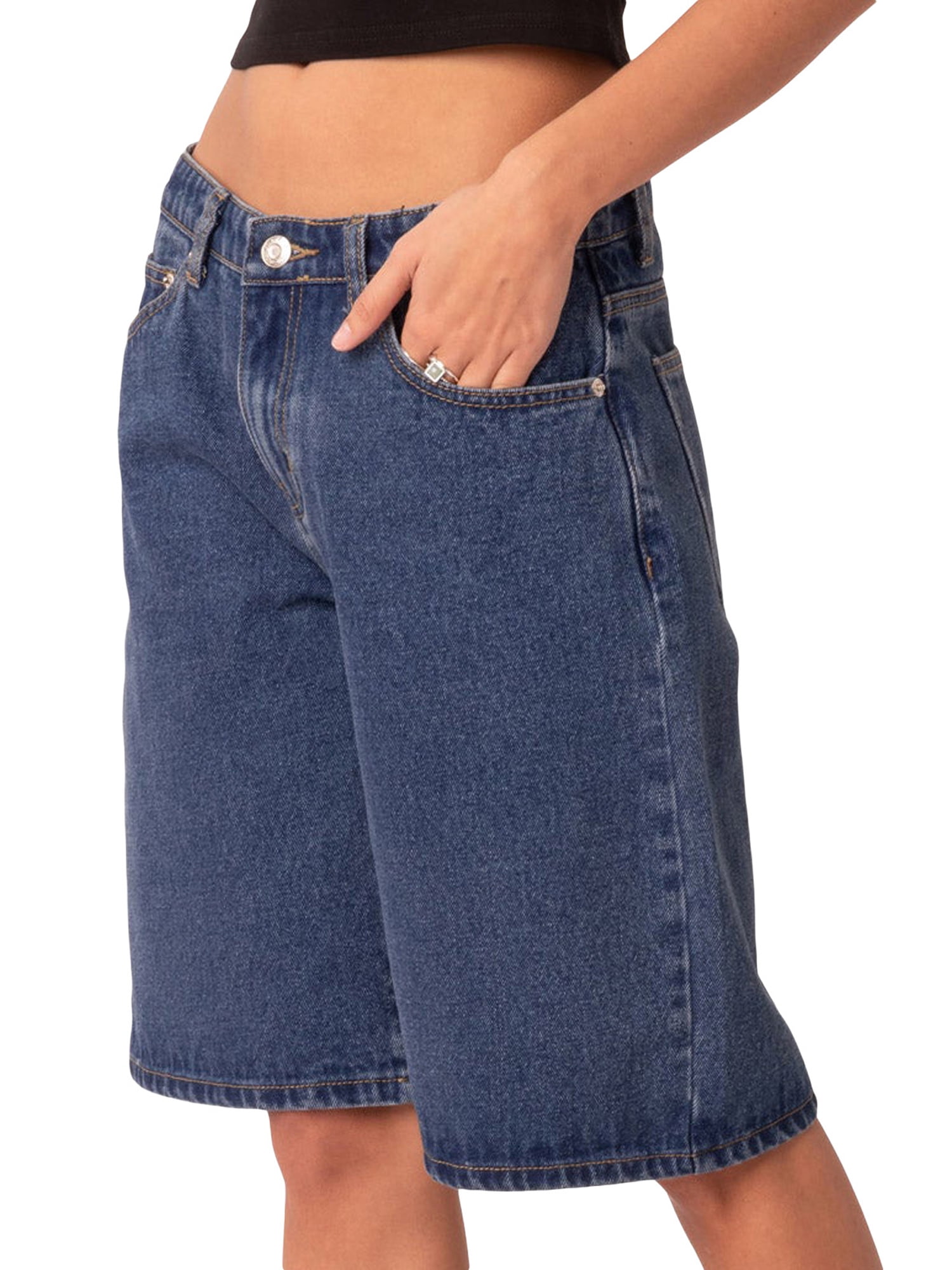
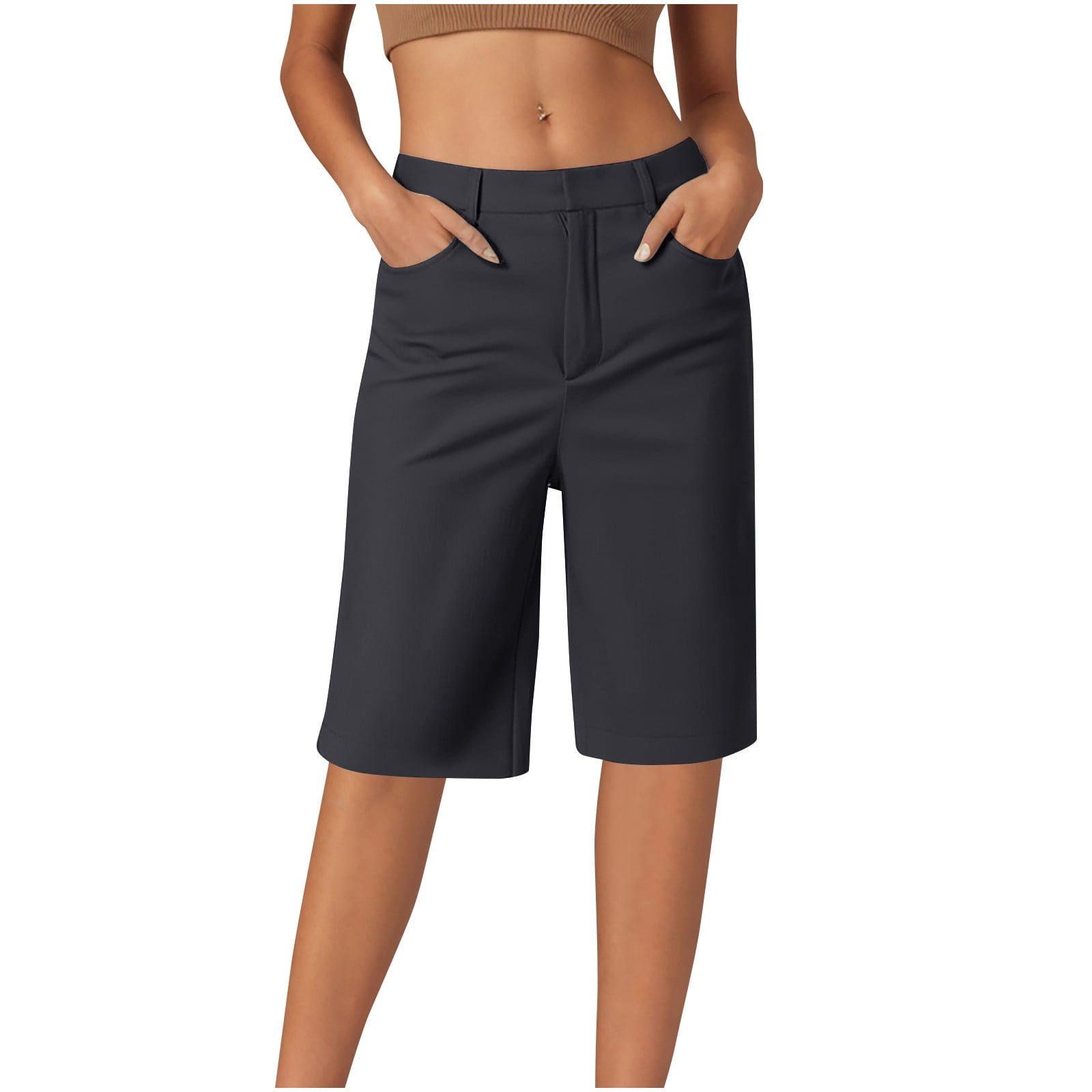
Shorts with an inseam of 9 inches or greater extend down to or just past the top of the kneecap. Bermuda shorts, traditionally worn by women, fall into this category.
- Formal and Conservative Contexts: Suitable for conservative dress codes, golf courses with specific regulations, and individuals who prefer more leg coverage.
- Proportions: Can shorten the visual appearance of the legs, particularly for individuals with shorter statures, if paired with improper footwear.
Comparing Short Length Categories
| Inseam Range | Common Designation | Typical Placement on Leg | Primary Use Cases |
|---|---|---|---|
| 3" – 5" | Ultra-Short / Runner | High thigh (well above knee) | Athletic training, running, vintage casual style |
| 6" – 8" | Mid-Length / Standard | Mid-thigh | Casual outings, smart-casual events, daily wear |
| 9" – 11+" | Long / Bermuda | At or just above the knee | Golf, conservative settings, taller frames |
Body Proportions and Proportional Dressing
Selecting the correct short pant length is largely a geometry exercise. The goal is to create visual balance between the torso and the legs.
Short Stature and Petite Frames
Individuals with shorter legs often benefit from shorter inseams (5 to 7 inches). When shorts extend too close to the knee, they compress the vertical line of the body, making the legs appear shorter. Pairing shorter inseams with higher rises further elongates the lower body.
Tall Stature
Taller individuals can easily carry longer inseams (9 inches or more) without looking overwhelmed by fabric. A 5-inch inseam on a very tall frame can sometimes appear disproportionate unless styled specifically for athletic or retro aesthetics. Mid-length options (7 to 9 inches) provide a balanced middle ground for everyday wear.
Leg Musculature and Width
Thicker thighs pull fabric upward, effectively shortening the perceived inseam length. Individuals with athletic or muscular builds should look for shorts with wider leg openings and slightly longer inseams to prevent the hem from riding up during movement.
Tailoring and Altering Short Pant Length
Off-the-rack shorts rarely fit every body type perfectly. Fortunately, altering short pant length is one of the most straightforward modifications a tailor can perform.
Hemming Options
- Plain Hem: A clean, folded edge stitched down securely. This is the standard finish for most casual and tailored shorts.
- Cuffed Hem: Features a folded-up band of fabric at the bottom, typically 1 to 2 inches wide. Cuffs add weight to the bottom of the short, helping the fabric hang straight and adding a classic, tailored aesthetic. However, cuffs can shorten the visual line of the leg slightly.
Limits of Alteration
When shortening shorts, a tailor is constrained by the original rise and the leg taper. If shorts are shortened by more than 2 or 3 inches, the leg opening may become wider than intended because pant legs are typically narrower at the knee than higher up on the thigh. Tailors may need to take in the side seams slightly to maintain a clean drape if significant length is removed.
Common Mistakes in Short Length Selection
- Ignoring Rise Height: Measuring only the inseam without accounting for where the waistband sits can result in shorts that ride uncomfortably high or sag too low.
- Matching Trends Over Proportions: Adopting ultra-short or long-short trends without considering personal height and leg shape often leads to an unflattering silhouette.
- Neglecting Fabric Weight: Stiff fabrics like heavy denim or thick canvas behave differently than lightweight linen or performance synthetics. Stiff fabrics maintain their manufactured length rigidly, whereas soft fabrics drape and shift with movement.
Frequently Asked Questions
How do I measure my ideal short inseam?
Measure from the lowest point of your crotch seam down the inside of your leg to the point where you want the hem of the shorts to rest. Alternatively, measure the inseam of a pair of shorts you already own and love the fit of.
Is a 7-inch inseam good for most heights?
Yes, a 7-inch inseam is widely considered the most versatile length. For average to medium-tall heights, it hits well above the knee without exposing excessive thigh, striking a balance between modern style and comfort.
Can long shorts be hemmed into shorter shorts?
Yes, long shorts can be hemmed shorter, but with limits. If you shorten them by more than two inches, the leg opening may need to be tapered because pant legs widen as they move up the thigh.
How should shorts fit around the leg opening?
Shorts should skim the thigh with about one to two inches of breathing room. They should not cling tightly to the skin, nor should they flare out excessively like a skirt.
Do shorts shrink after washing?
Natural fibers like 100% cotton, linen, and rayon can shrink significantly during their first wash, particularly if washed in warm water or dried on high heat. Check care labels and account for potential shrinkage when purchasing or tailoring.
Conclusion and Next Actions
Mastering short pant length comes down to understanding your body proportions, recognizing standard inseam measurements, and utilizing professional tailoring when off-the-rack options fall short. To find your ideal pair, measure the inseam of a current favorite garment, evaluate your height and rise preferences against standard 5-inch, 7-inch, and 9-inch categories, and test different styles to see what provides optimal comfort and visual balance.
Image Gallery