The Complete 2026 Guide to Sleeping on Trains: Comfort, Safety, and Logistics
Sleeping on a train is a practical and time-saving way to travel long distances, combining accommodation and transportation into a single journey. Success depends on selecting the right class of service, preparing essential gear like e...
Sleeping on a train is a practical and time-saving way to travel long distances, combining accommodation and transportation into a single journey. Success depends on selecting the right class of service, preparing essential gear like eye masks and earplugs, understanding luggage security, and knowing how to navigate onboard amenities for an undisturbed rest.
Contents
Understanding Train Accommodation Types and Booking Strategies
Securing a restful night on a rail journey begins long before boarding. Different rail networks offer various classes of accommodation, ranging from upright seats to private sleeper cabins. Choosing the right tier directly impacts your ability to sleep comfortably.
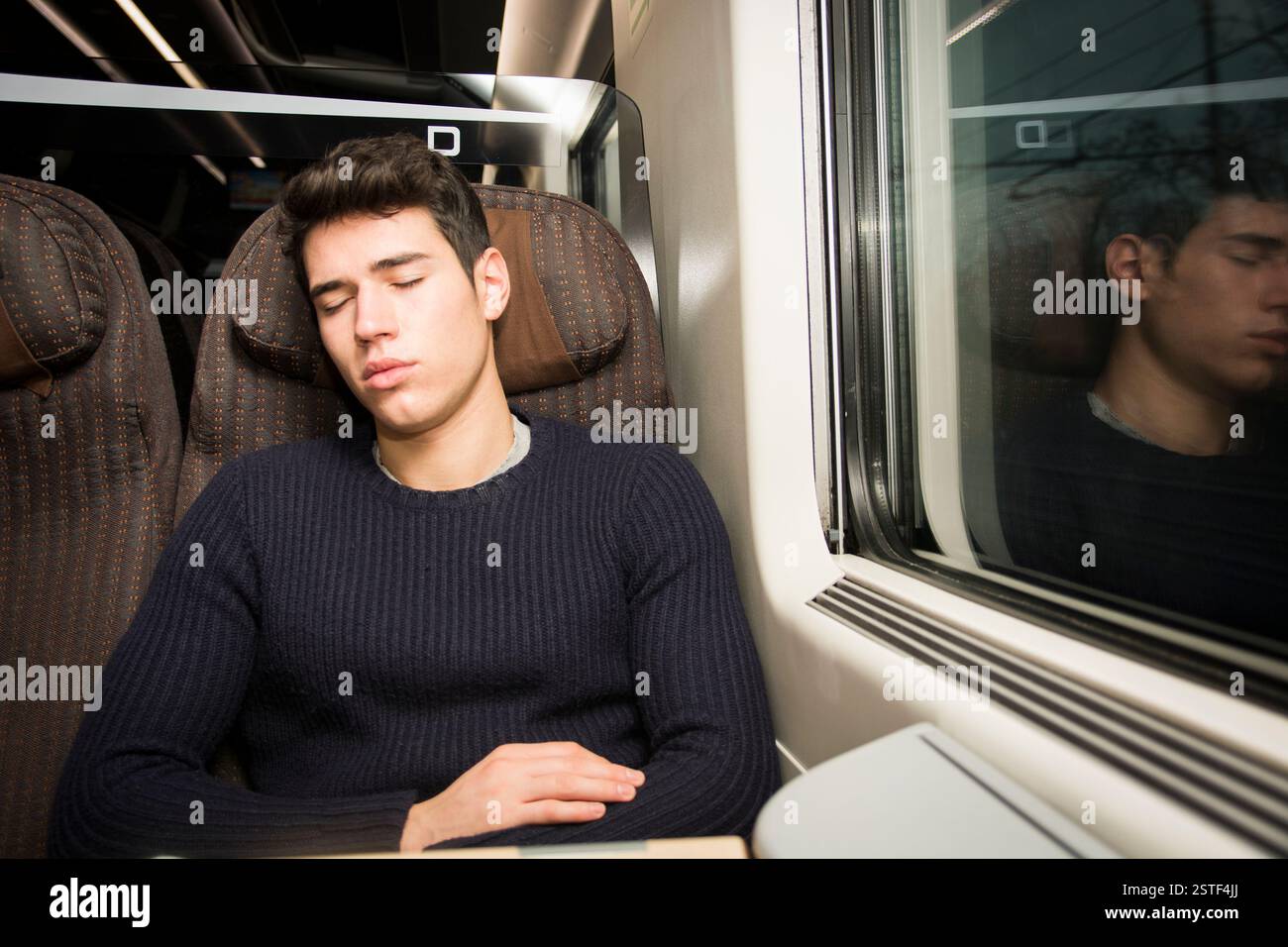
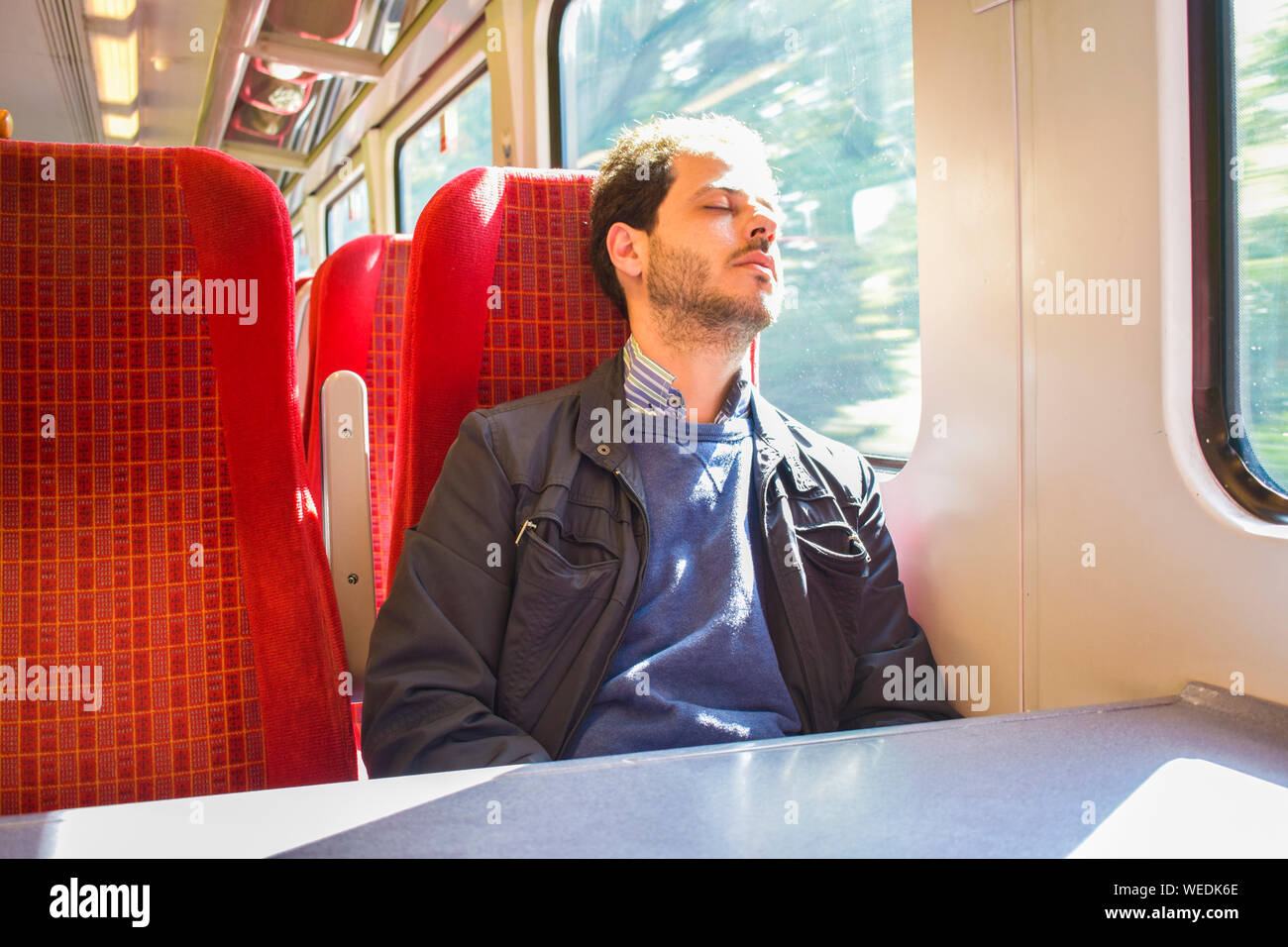
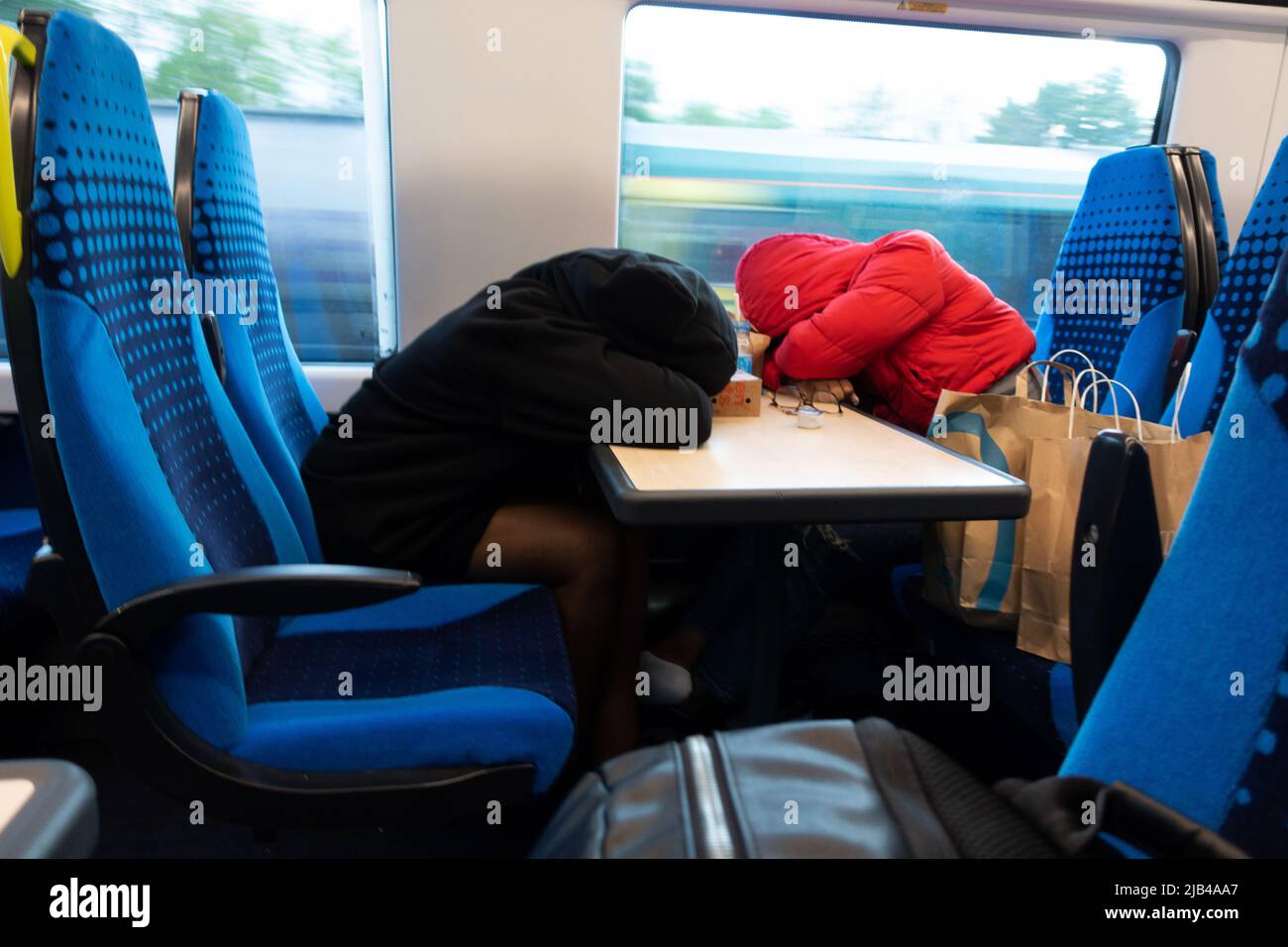
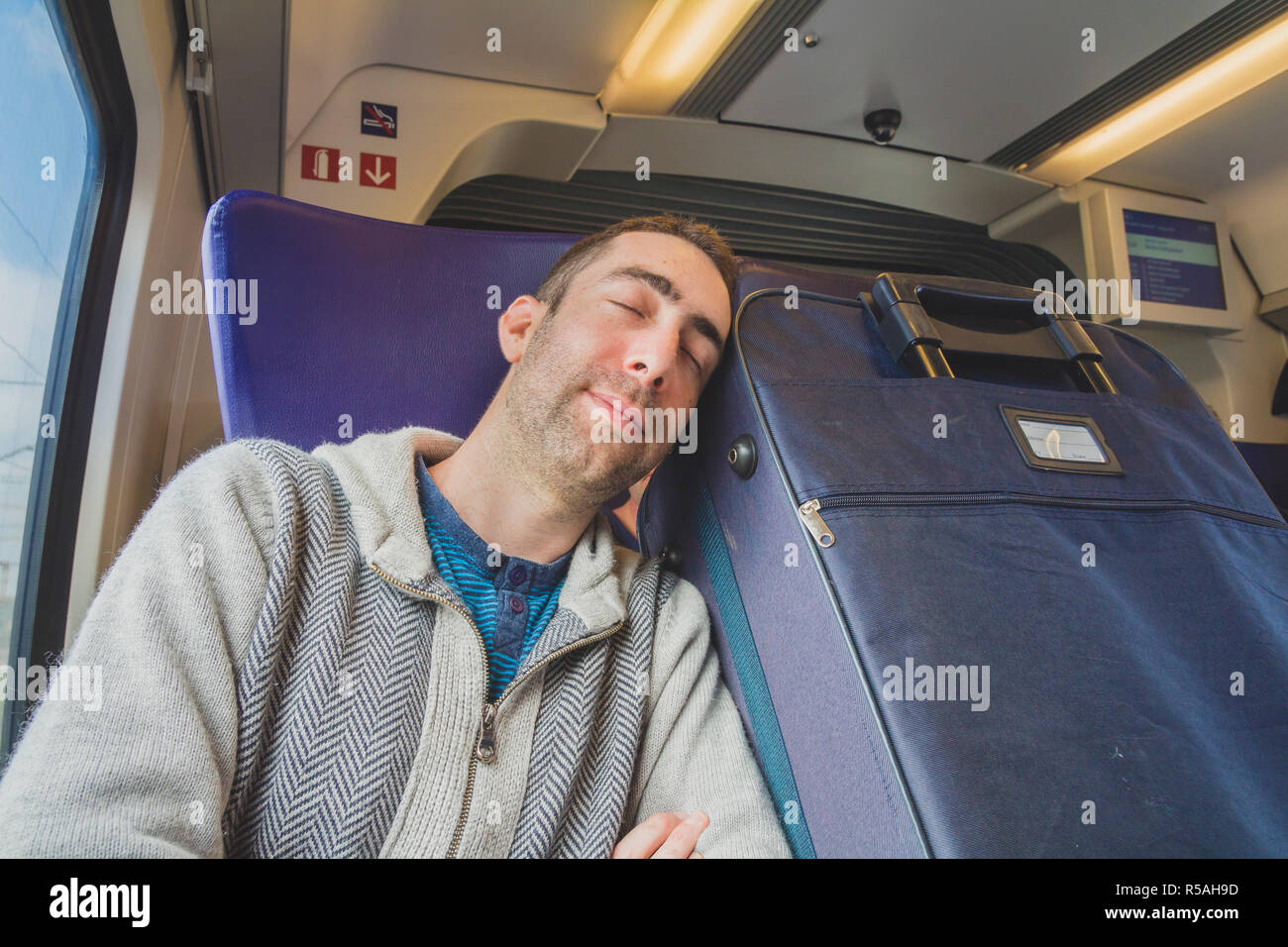
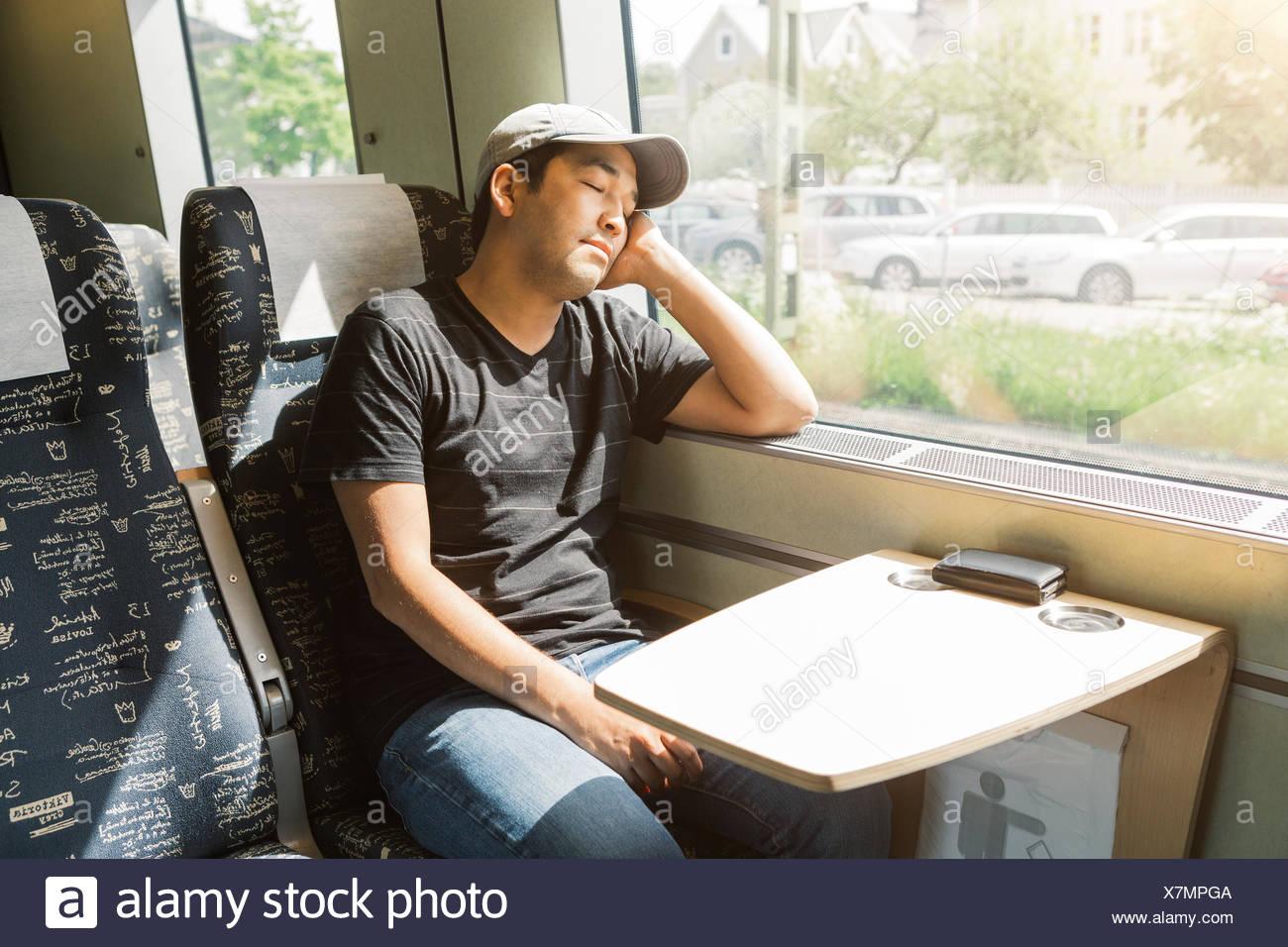
- Standard Seats: Reclining seats are budget-friendly, but ambient lighting, passenger movement, and limited recline angles make deep sleep challenging.
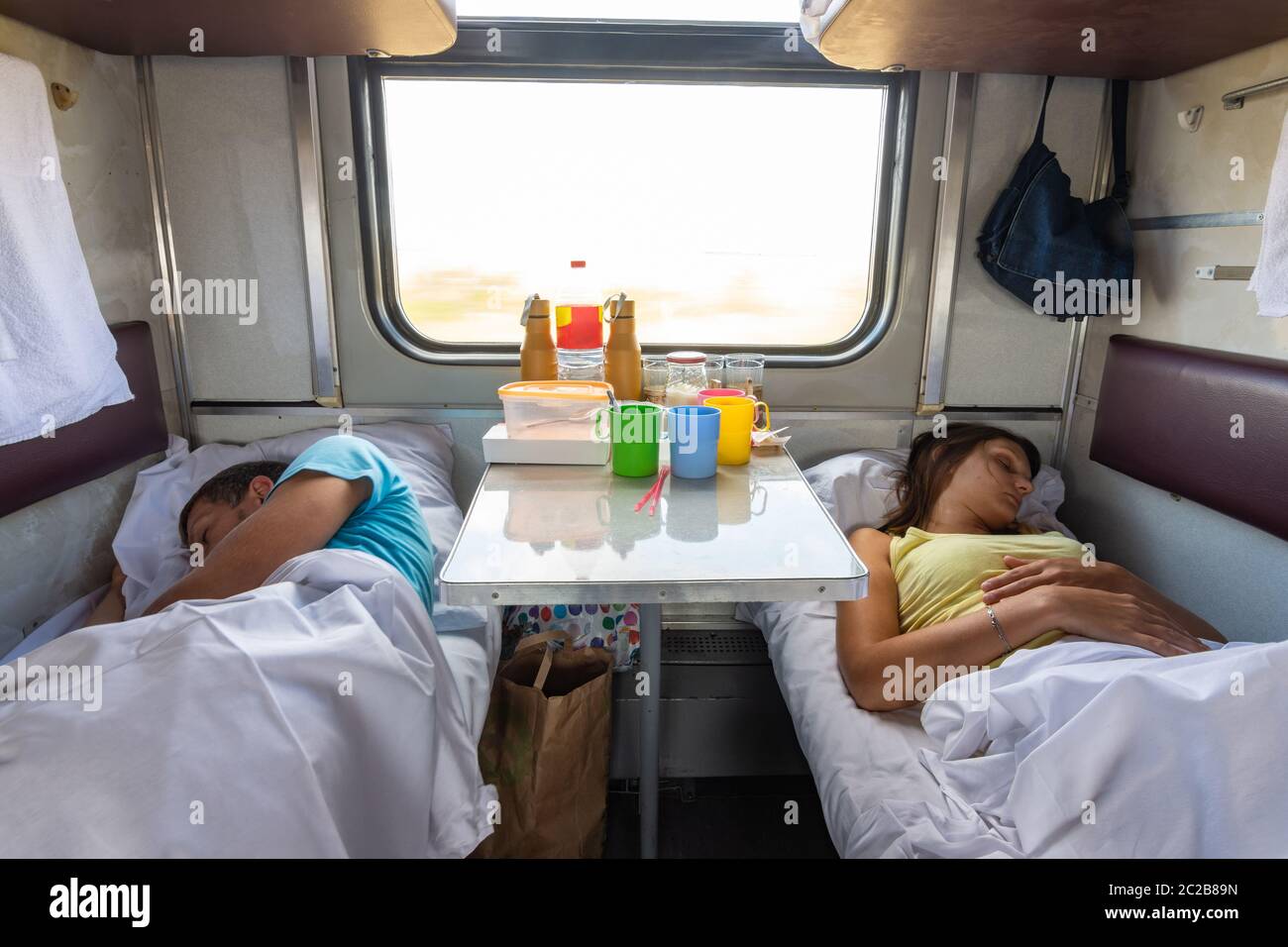
- Couchettes: Common in European overnight trains, these are shared compartments featuring padded bunk beds, usually with a pillow and blanket provided by the operator.
- Private Sleepers: These rooms feature locking doors, proper mattresses, clean linens, and sometimes private sinks, showers, and toilets.
- Roomettes and Bedrooms: Premium long-distance options, such as those on North American and Asian routes, offering climate control and dedicated attendant service.
When booking in 2026, dynamic pricing models mean that securing lower berths or private cabins requires booking several months in advance. Solo travelers should note that booking an entire compartment or upper-tier berth often provides better security and personal space compared to mixed-occupancy couchette cars.
Essential Gear and Packing List for Onboard Sleep
Preparing the right travel kit transforms a noisy, vibrating train car into a manageable sleeping environment. Unlike airplanes, trains experience distinct lateral sway, track friction noises, and varying internal temperatures.
| Item Category | Recommended Gear | Purpose / Benefit |
|---|---|---|
| Auditory Protection | Silicone earplugs or active noise-canceling headphones | Blocks out engine rumble, track clicks, and fellow passengers. |
| Visual Control | Contoured sleep mask | Eliminates sudden lighting shifts from station platforms and corridors. |
| Apparel | Layered breathable clothing (merino wool or cotton) | Adapts to fluctuating carriage heating and air conditioning systems. |
| Hydration & Health | Reusable water bottle and melatonin or magnesium | Combats dry cabin air and assists natural circadian rhythms. |
| Security | Cable luggage lock and money belt | Secures bags to overhead racks or seat frames while you sleep. |
Maintaining hydration is essential due to the low humidity levels inside modern passenger coaches. Packing snacks also prevents disruptions caused by reliance on dining car operating hours.
Personal Safety, Security, and Luggage Protection
Ensuring physical safety and safeguarding belongings allows for deeper, stress-free sleep. While most overnight trains are secure, common-sense precautions prevent opportunistic theft, particularly on routes with multiple station stops during the night.
- Lock Your Luggage: Use a flexible steel cable lock to secure large suitcases to designated luggage racks near the door or underneath your seat structure.
- Keep Valuables Close: Wallets, passports, smartphones, and tickets should be kept in an inner jacket pocket or a dedicated waist pouch worn beneath clothing while sleeping.
- Secure Compartment Doors: If traveling in a private sleeper or couchette, always engage the deadbolt or safety chain from the inside before going to sleep.
- Identify Conductor Checkpoints: Understand when ticket inspections occur so you are not startled by personnel entering compartments during night hours.
Managing Rail Travel Environment and Noise Mitigation
Train environments present unique sensory challenges. Track joints create rhythmic noise, air conditioning systems hum constantly, and automated station announcements can echo through the cars.
Mitigating these disturbances requires a proactive approach. Earplugs combined with white-noise smartphone applications can neutralize erratic cabin sounds. Positioning yourself away from the wheels (bogie area) and bathrooms significantly reduces vibrational impact and foot traffic noise. Opting for middle or upper bunks in shared cars also removes you directly from the immediate path of corridor traffic.
Pros and Cons of Train Travel vs. Flying
Evaluating the trade-offs between rail and air transport clarifies why millions of travelers choose overnight trains for regional journeys.
- Pros of Sleeping on Trains:
- Saves money on a night of hotel accommodation.
- Delivers travelers directly to city-center stations rather than distant airports.
- Offers a lower carbon footprint compared to domestic aviation.
- Provides freedom to walk around, stretch, and visit dining cars.
- Cons of Sleeping on Trains:
- Longer overall travel time compared to direct flights.
- Potential for sleep disruption due to motion, noise, and shared spaces.
- Limited availability of premium sleeper cabins on high-demand corridors.
- Vulnerability to network delays or freight traffic priority issues.
Step-by-Step Guide to Preparing for an Overnight Train Journey
- Check-In and Boarding: Arrive at the station at least 30 to 45 minutes before departure to locate your specific platform and coach car without rushing.
- Stow Heavy Bags First: Place large luggage in the designated compartment racks immediately upon entering to avoid blocking narrow aisles.
- Organize Your Berth: Set up your bedding, lay out your sleep mask and earplugs, and place your water bottle within arm's reach before lights are dimmed.
- Confirm Wake-Up Protocols: Set a phone alarm for 30 minutes prior to your destination arrival time, and request that the car attendant knock on your door if you are in a sleeper cabin.
- Morning Refresh: Use the station facilities or onboard washrooms to freshen up before disembarking into your destination city.
Troubleshooting Common Onboard Sleep Disruptions
Even with careful preparation, unexpected issues can arise during a night on the rails. Knowing how to handle them ensures a successful trip.
- Extreme Temperatures: If the carriage is too hot or cold, notify the train conductor or ticket inspector immediately, as climate control systems can often be adjusted centrally or manually adjusted within private compartments.
- Noisy Neighbors: Politely ask loud passengers to lower their voices, or contact the onboard staff if disruptive behavior continues past designated quiet hours.
- Motion Sickness: If the train's lateral sway makes you nauseous, lie flat on your back with your head oriented toward the front of the train and focus on deep, steady breathing.
- Missed Station Anxiety: Keep your ticket or booking reference visible and set a secondary digital alarm with a loud vibration mode to ensure you wake up before your stop.
Frequently Asked Questions
Is it safe to sleep on a train as a solo traveler?
Yes, traveling solo on overnight trains is generally very safe, especially if you book a private sleeper compartment or an upper bunk in a couchette. Keeping your valuables locked and securing your door from the inside provides additional peace of mind.
How do I stop my luggage from being stolen while I sleep?
Use a sturdy cable lock to attach your suitcase to fixed fixtures on the luggage rack or seat frame. Always keep essential documents, money, and electronics in a small bag tucked inside your sleeping blanket or worn directly on your body.
Are blankets and pillows provided on overnight trains?
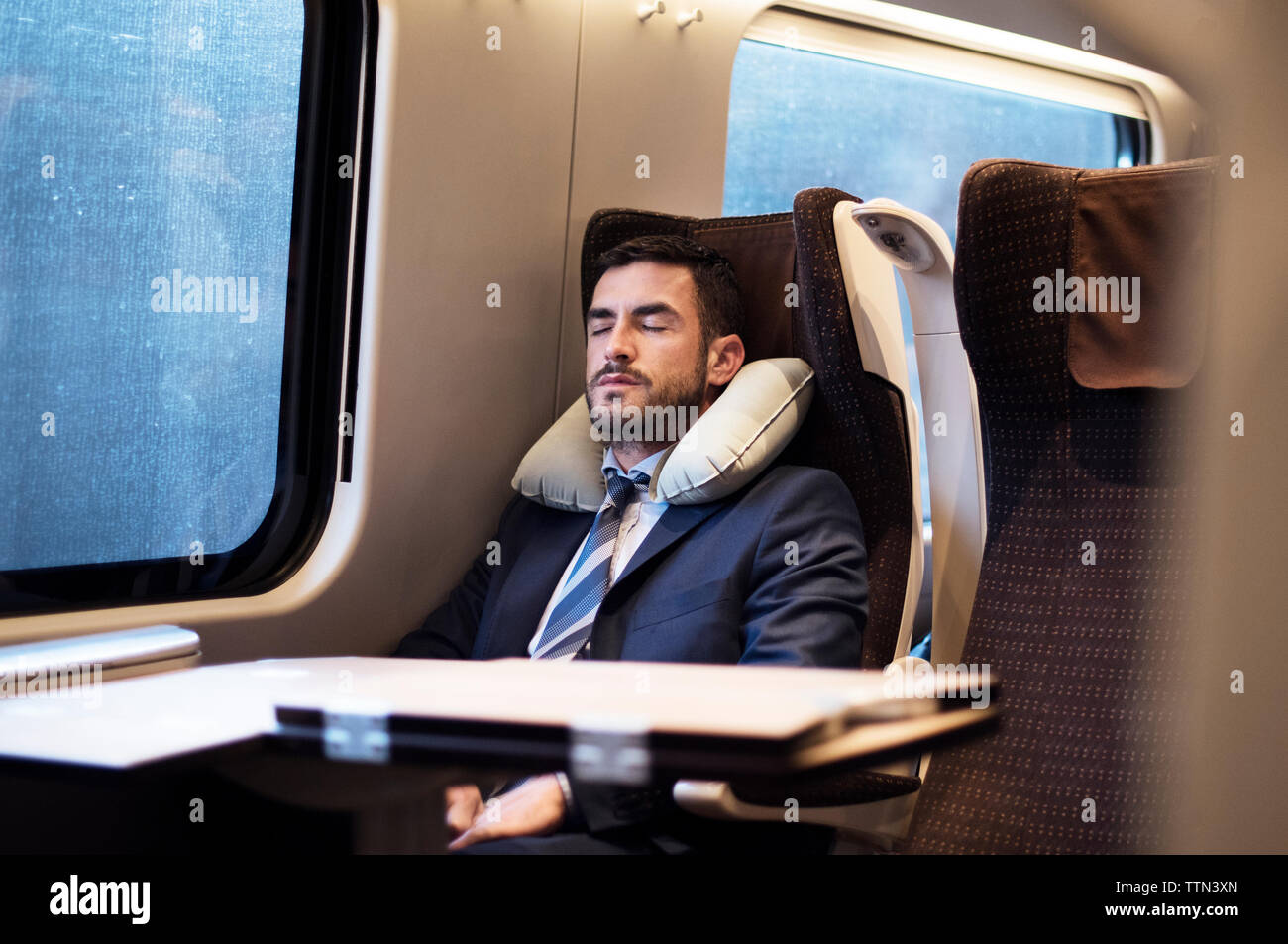
Clean blankets, sheets, and pillows are routinely provided free of charge in couchettes and sleeper cars. Standard, unreserved seating cars do not include bedding, so budget travelers should pack a lightweight travel blanket and a neck pillow.
How do I avoid missing my stop in the middle of the night?
Set two independent alarms on your mobile device for 40 and 20 minutes before your scheduled arrival time. Additionally, inform your carriage attendant of your destination station so they can double-check that you are awake.
Do trains have showers available for passengers?
Private sleeper cabins on many long-distance international and national rail networks include private or shared corridor showers. Standard coach and couchette passengers typically do not have access to shower facilities onboard.
Conclusion
Mastering the art of sleeping on a train transforms a routine transit leg into an efficient, enjoyable part of your travel itinerary. By packing strategic comfort items, prioritizing personal security, and selecting the accommodation class that fits your rest requirements, you will arrive at your destination refreshed and ready for the day ahead. Book your next rail adventure early, secure your preferred berth, and enjoy the rhythmic motion of the journey.
Image Gallery