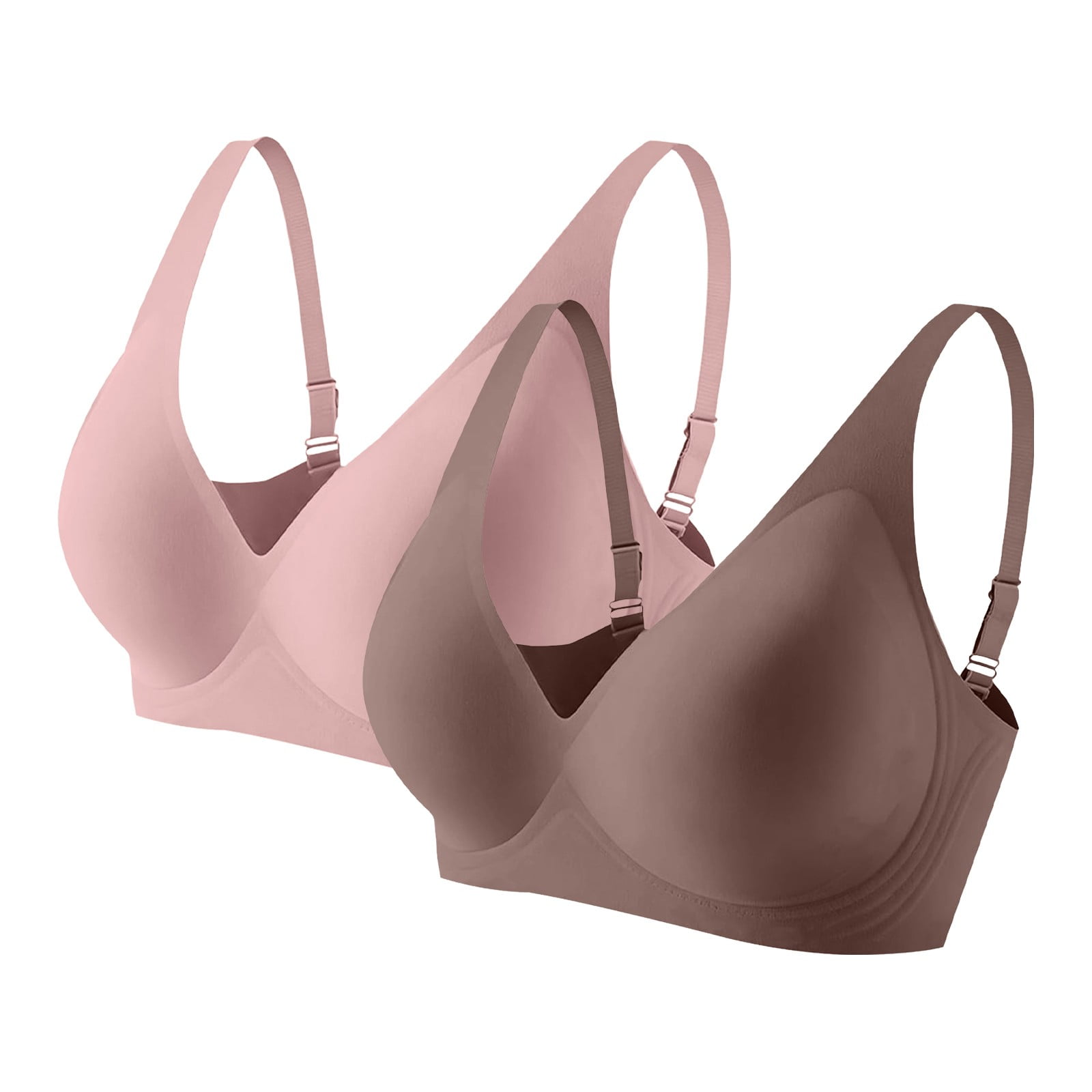
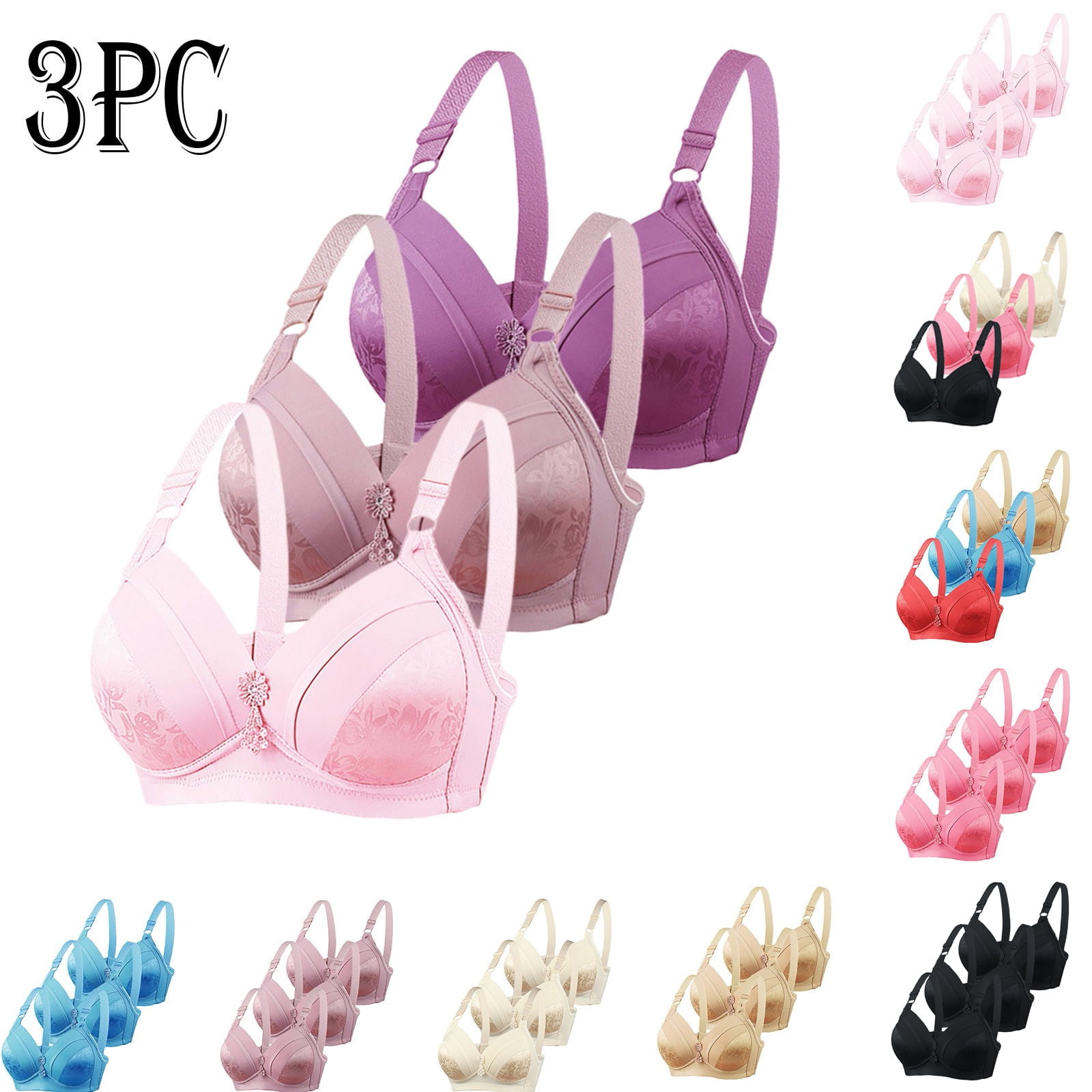
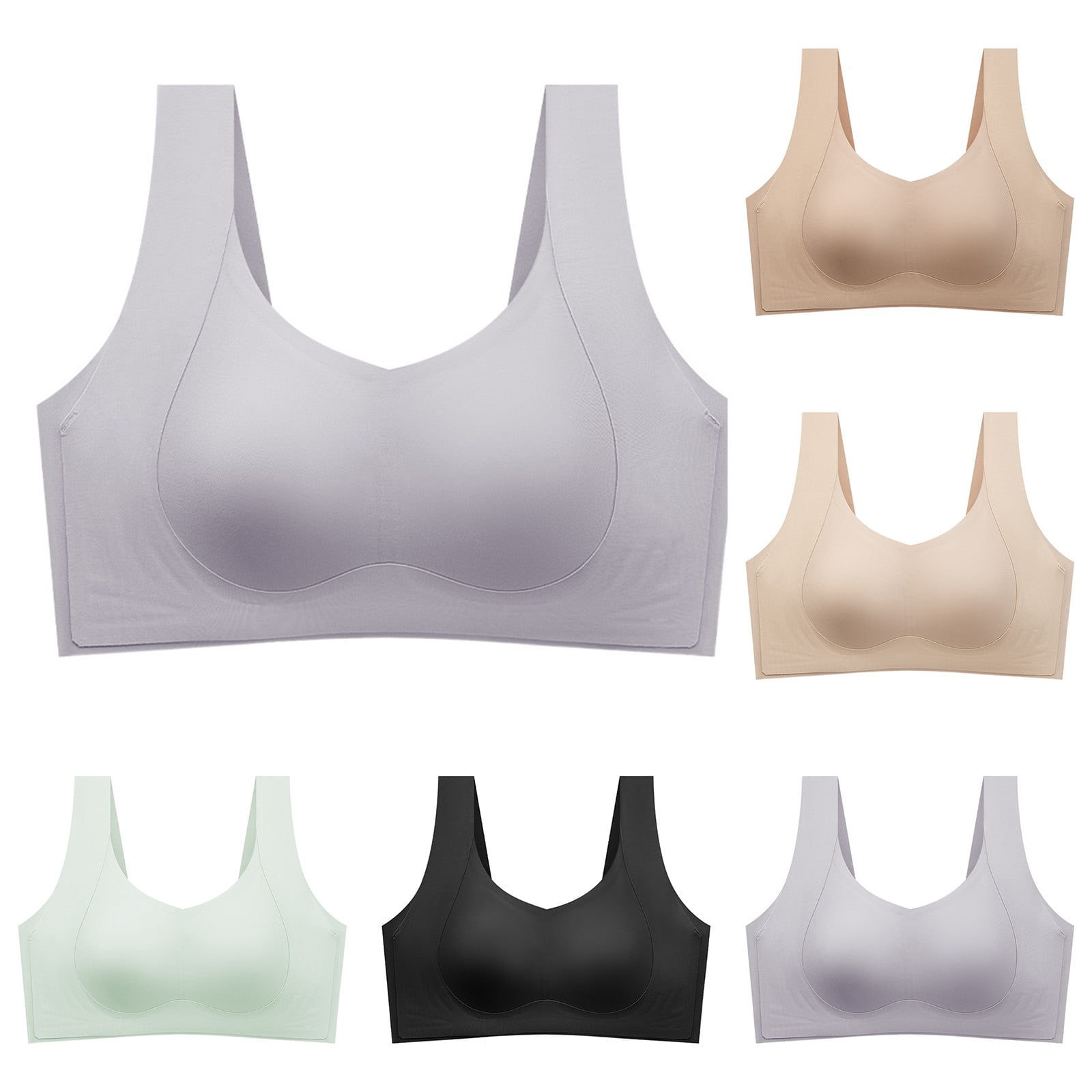
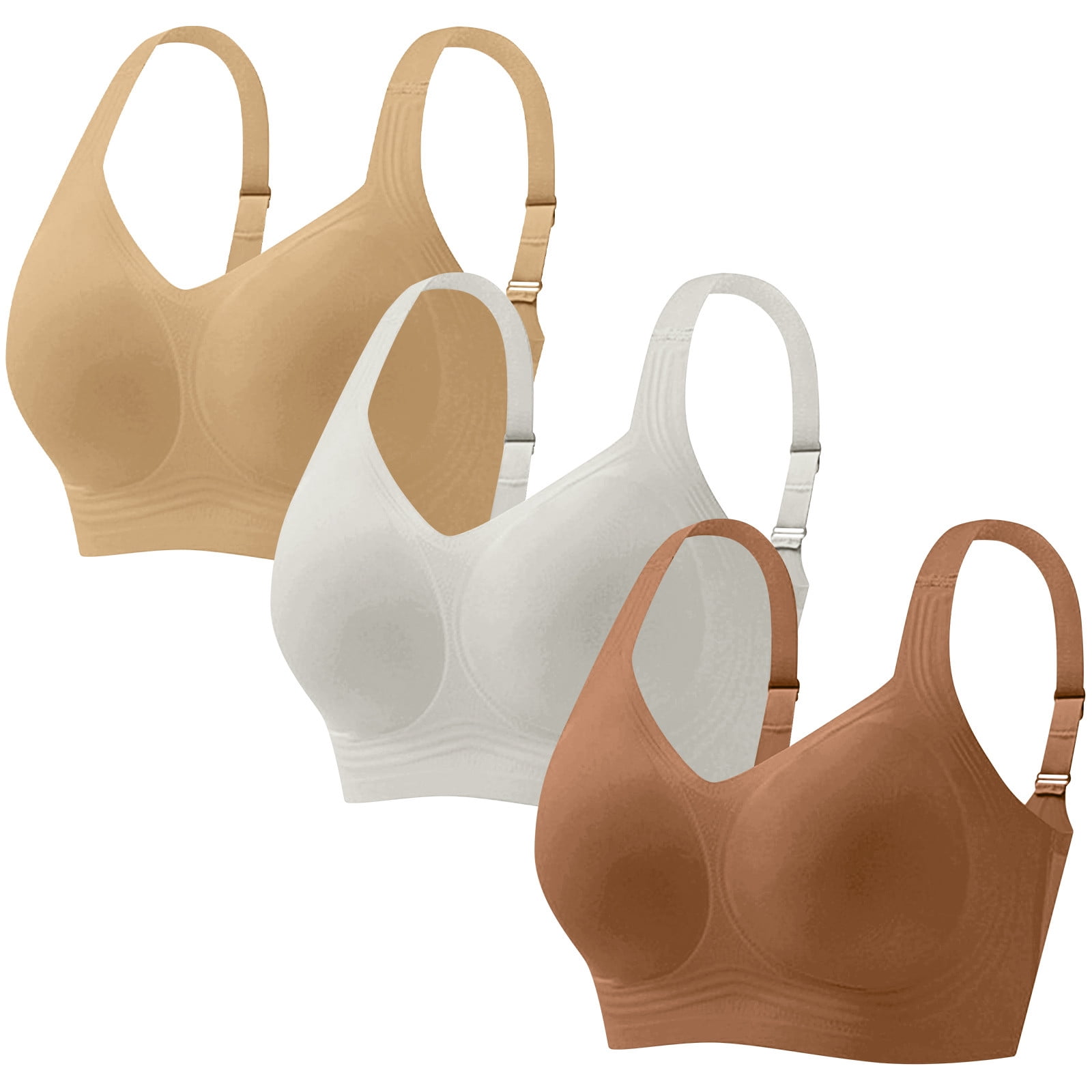
Comprehensive Guide to Jelly Bras for Women in 2026
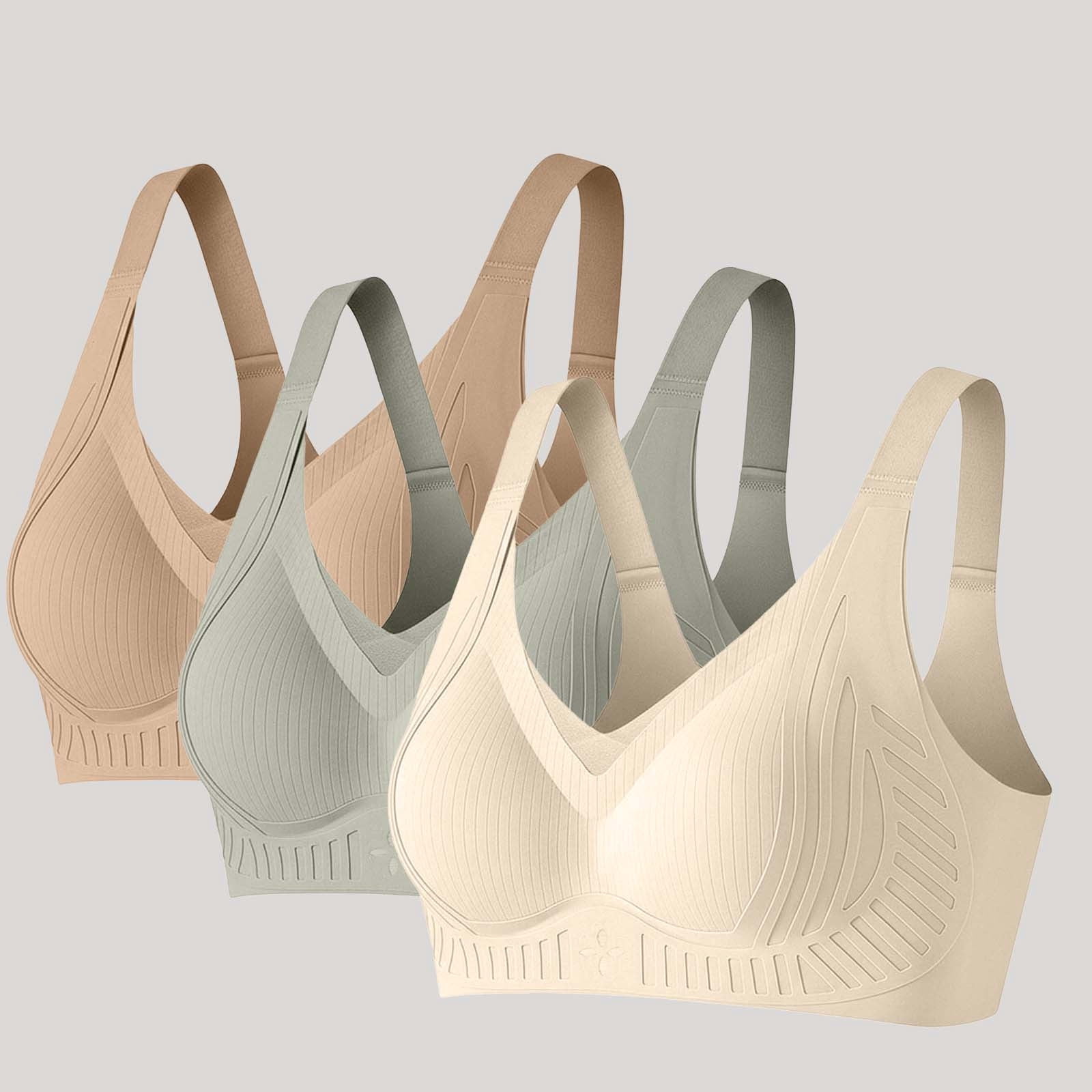
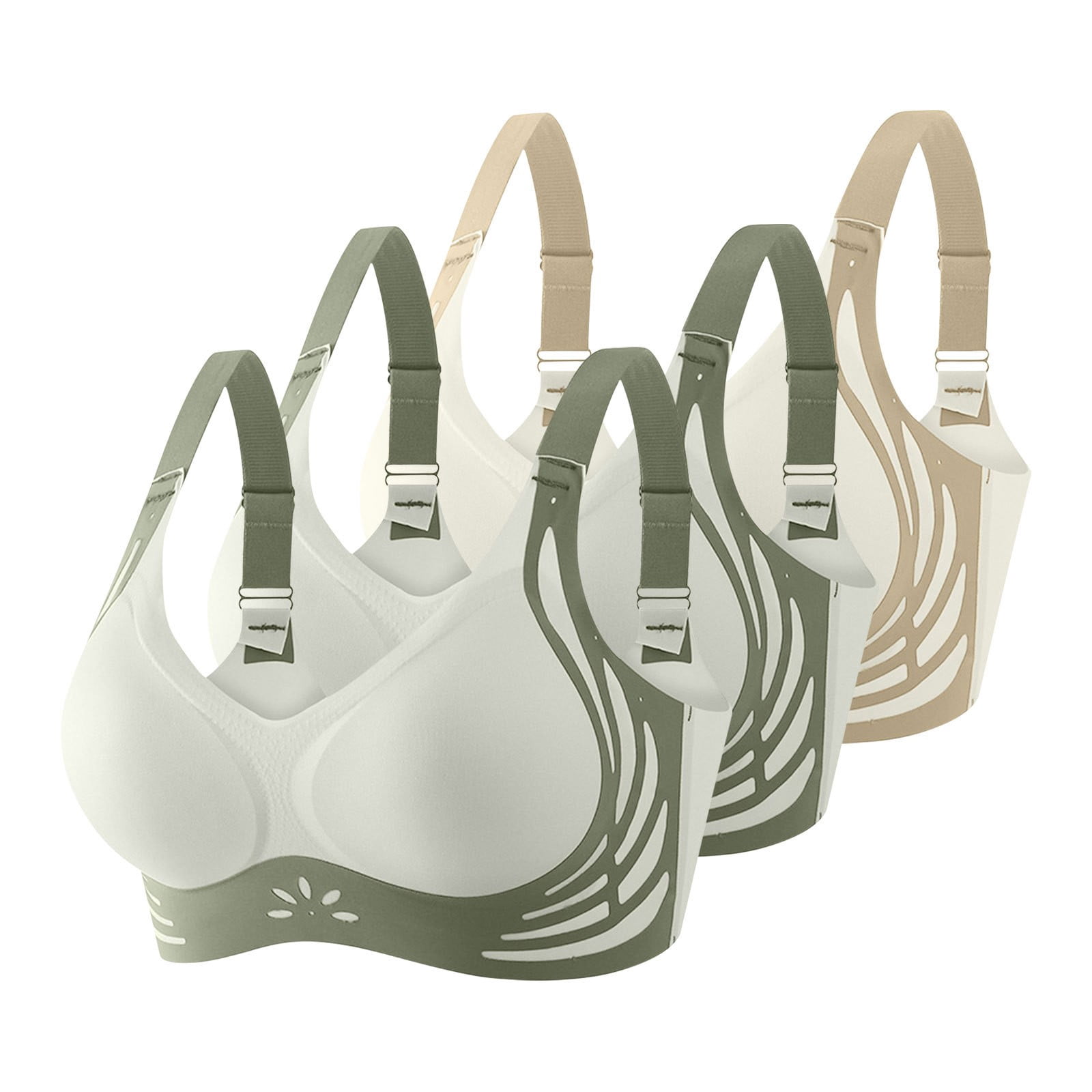
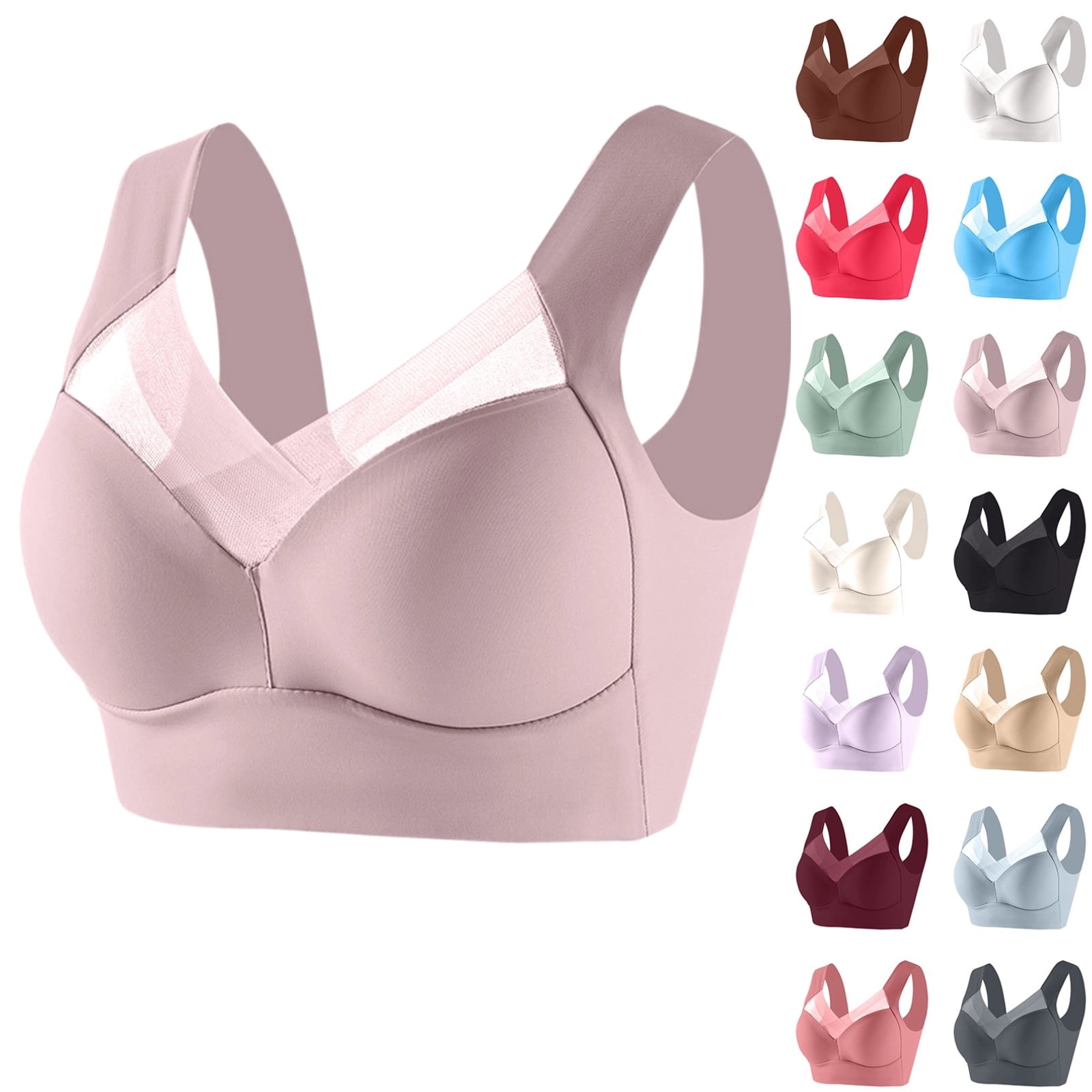
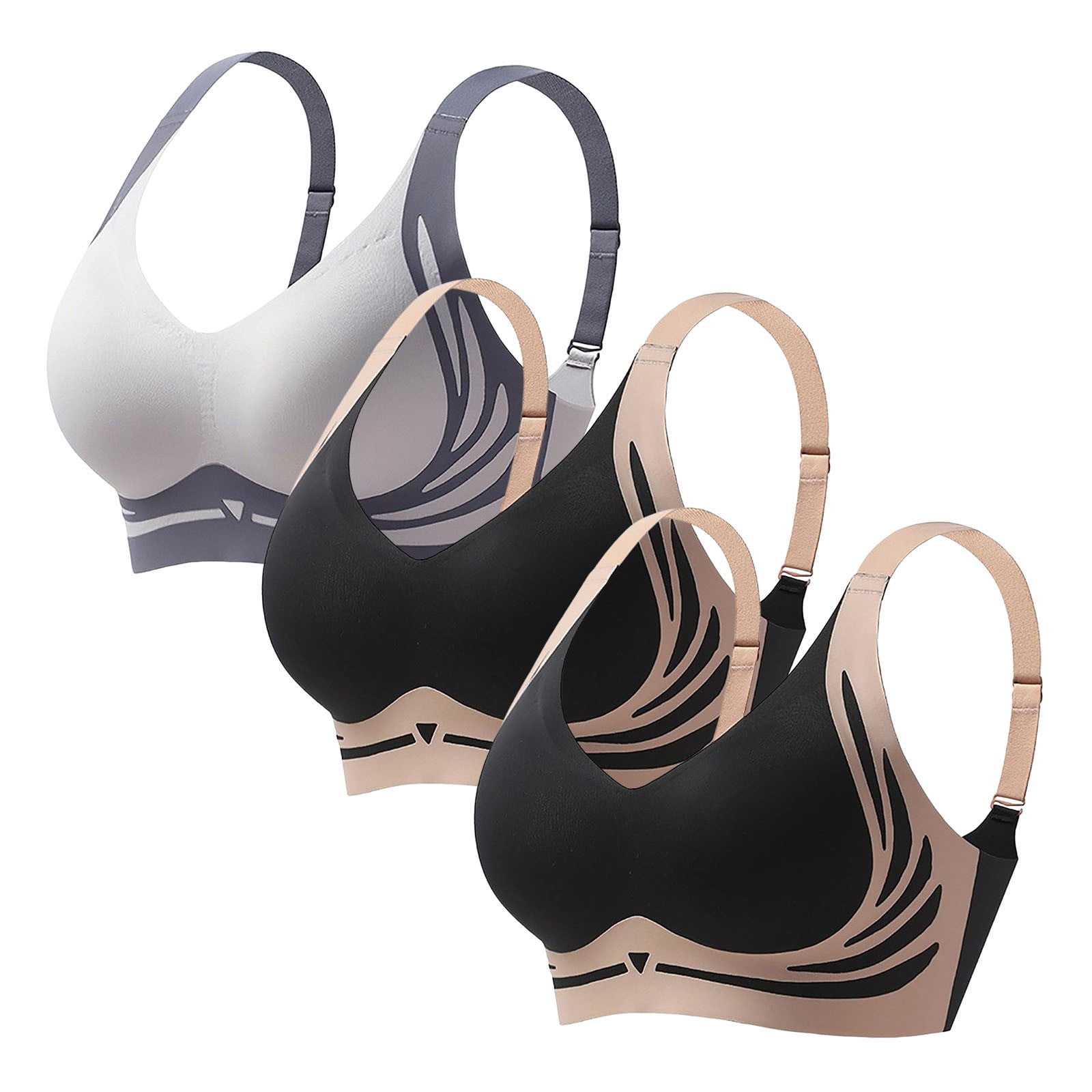
Jelly bras for women represent a significant evolution in intimate apparel, utilizing flexible, medical-grade silicone or TPE (Thermoplastic Elastomer) strips instead of traditional metal underwires. These "jelly strips" provide struct...
Jelly bras for women represent a significant evolution in intimate apparel, utilizing flexible, medical-grade silicone or TPE (Thermoplastic Elastomer) strips instead of traditional metal underwires. These "jelly strips" provide structural support and lift by mimicking the elasticity of human skin, offering a seamless, "zero-feel" experience that combines the comfort of a bralette with the shaping capabilities of a wired bra.
Contents
Understanding Jelly Bra Technology: The Science of Liquid Silicone
The term "jelly bra" does not refer to the fabric itself, but rather the innovative support system embedded within the garment. By 2026, the technology has moved beyond simple silicone inserts to sophisticated Liquid Silicone Rubber (LSR) bonding. In this process, specialized "jelly" polymers are heat-pressed or 3D-printed directly onto the inner layers of the fabric, usually a high-gauge nylon and spandex blend.
Unlike traditional bras that rely on a rigid steel or plastic wire to provide lift, a jelly bra utilizes the physics of tensile strength and surface tension. The jelly strips are strategically placed along the under-bust line and the lateral sides of the cups. Because these strips are flexible, they expand and contract with the wearer’s movements, maintaining constant contact with the body without digging into the ribcage or breast tissue. This technology is often referred to as "sensory-free" because it eliminates the pressure points typically associated with rigid hardware.
The transition to jelly-based support also allows for a reduction in seams. Most jelly bras are constructed using ultrasonic bonding or specialized adhesives rather than traditional stitching. This results in a completely smooth exterior, making them invisible under tight-fitting clothing like silk dresses or technical athletic wear.
The Key Benefits of Jelly Strips Over Traditional Underwires
For decades, women had to choose between the high support of a wired bra and the comfort of a wireless bralette. Jelly bras bridge this gap by offering a hybrid solution.
1. Pressure Distribution and Ergonomics
Traditional underwires concentrate the weight of the breast tissue onto a thin metal arc, which can lead to skin irritation, bruising, or discomfort during long periods of wear. Jelly strips distribute this weight across a wider surface area. The soft, rounded edges of the silicone strips ensure that even during deep inhalation or physical activity, the bra moves with the diaphragm rather than resisting it.
2. Durability and Shape Retention
One of the primary failure points of traditional bras is the "wire poke-through," where the metal underwire eventually tears through the fabric casing. Jelly bras eliminate this risk entirely. The silicone support is integrated into the fabric's molecular structure. Even after 100+ wash cycles, the jelly strips retain their original elasticity, whereas metal wires can bend or lose their shape over time.
3. Thermal Regulation and Skin Health
By 2026, high-end jelly bras incorporate breathable silicone formulas. Early iterations of silicone in clothing were criticized for trapping heat and sweat, leading to contact dermatitis. Modern jelly strips are often perforated or formulated with micropores that allow for moisture-vapor transmission. This makes them suitable for year-round wear, even in humid climates.
Material Composition and Technical Specifications
To identify a high-quality jelly bra, consumers should look for specific material specifications. The efficacy of the "jelly" effect depends heavily on the ratio of synthetic fibers to the thickness of the silicone application.
| Feature | Technical Specification (Standard 2026) | Benefit |
|---|---|---|
| Primary Fabric | 60%–75% Fine-gauge Polyamide (Nylon) / 25%–40% Elastane | High stretch-recovery and soft hand-feel. |
| Support Material | Medical-grade Liquid Silicone Rubber (LSR) | Hypoallergenic, flexible, and heat-resistant. |
| Bonding Method | High-frequency Ultrasonic Seamless Bonding | Eliminates friction from threads and seams. |
| Cup Type | 3D Molded Antimicrobial Memory Foam | Provides shape without adding excessive bulk. |
| Stretch Ratio | 1:4 (Four-way stretch) | Ensures the bra fits multiple cup sizes (S/M/L sizing). |
The thickness of the jelly strip itself usually ranges from 0.5mm to 1.5mm. Thinner strips are used for "sleep bras" or light-impact wear, while thicker, reinforced strips are utilized in bras designed for larger cup sizes (D through G) to provide the necessary counter-tension for lift.
Performance Comparison: Jelly vs. Wired vs. Traditional Wireless
Choosing the right bra requires understanding how jelly technology performs against existing standards. While no single bra type is perfect for every scenario, jelly bras have become the preferred "daily driver" for many women due to their versatility.
| Performance Metric | Traditional Underwire | Standard Wireless Bralette | Jelly Strip Bra |
|---|---|---|---|
| Lift & Support | Excellent / Rigid | Low / Minimal | High / Flexible |
| Daily Comfort | Low (Digging/Pinching) | High (Soft/Loose) | Very High (Second-skin) |
| Visibility (Lines) | Visible (Seams/Wires) | Low | Invisible (Seamless) |
| Longevity | Medium (Wire issues) | High (Simple) | High (Integrated) |
| Skin Sensitivity | Potential Metal Allergy | Generally Safe | Hypoallergenic |
How to Select the Correct Size and Fit
Because jelly bras are highly elastic, many brands have moved away from the traditional "number-letter" sizing (e.g., 34B) in favor of Alpha Sizing (Small, Medium, Large, XL). This can be confusing for first-time buyers.
When selecting a jelly bra, the most important measurement is the under-bust circumference. The jelly strip must sit snugly against the ribcage to function correctly. If the band is too loose, the jelly strip will slide upward, failing to provide lift. Conversely, if it is too tight, the silicone may create a "rolling" effect at the bottom edge.
For women with larger busts, look for "extended" jelly bra versions. These models typically feature a wider lateral wing (the part under the armpit) reinforced with vertical jelly strips to prevent breast tissue from spilling over the sides. In 2026, many manufacturers have also introduced hybrid jelly bras, which feature a thicker jelly "pad" at the base of the cup to provide a push-up effect without the discomfort of heavy padding.
Maintenance and Longevity: Preserving the Silicone Integrity
To ensure a jelly bra maintains its supportive properties for its intended lifespan (typically 6–12 months of regular wear), proper care is essential. Heat is the primary enemy of the adhesives used in seamless bonding.
- Washing: Always use a delicate cycle with cold water. Ideally, jelly bras should be placed in a mesh laundry bag to prevent the silicone strips from being stretched excessively by other garments in the wash.
- Detergent: Avoid fabric softeners. The chemicals in softeners can break down the bond between the silicone and the nylon, causing the jelly strips to peel or delaminate.
- Drying: Never tumble dry a jelly bra. The high heat of a dryer can melt the adhesive or cause the silicone to become brittle. Air-dry the bra flat or hang it by the center gore (not the straps) to maintain the shape of the cups.
- Storage: Store jelly bras flat. Folding the cups into one another, as often done with molded bras, can create permanent creases in the jelly strips that may cause discomfort during the next wear.
Addressing Common Concerns and Limitations
While jelly bras are revolutionary, they are not a universal solution for every body type or activity.
Support for High-Impact Athletics: While some sports bras now incorporate jelly technology, they are generally best suited for low-to-medium impact activities like yoga, pilates, or walking. For high-impact running, the flexible nature of the jelly strip may allow for more "bounce" than a rigid encapsulated sports bra.
Body Heat and Adhesion: In extremely hot conditions, some wearers report that the seamless adhesive can soften. High-quality brands tackle this by using cross-linked polymers that are stable up to 100 degrees Celsius, but budget-tier jelly bras may suffer from edge-curling over time.
Sizing Transitions: For women between sizes, it is recommended to size down if you prefer a "lifted" look and size up if you prioritize "all-day comfort." Because the fabric is 4-way stretch, the bra is forgiving, but the jelly strip's tension is finite.
FAQ
Do jelly bras provide enough support for D+ cup sizes?
Yes, but design matters. For larger cup sizes, look for jelly bras with wider shoulder straps and a U-shaped back design. These features work in tandem with the jelly strips to distribute weight across the shoulders and back, preventing the silicone from bearing the entire load.
Are jelly bras the same as silicone stick-on bras?
No. Silicone stick-on bras (adhesive bras) use a sticky gel to adhere directly to the skin and are usually backless. Jelly bras are full garments with straps and bands that use non-adhesive silicone strips purely for structural support.
Can the jelly strips cause allergic reactions?
Most jelly bras use medical-grade silicone, which is chemically inert and hypoallergenic. However, if you have a known sensitivity to silicone or TPE, you should consult the manufacturer’s material safety data sheet.
How do I know when my jelly bra needs replacing?
The primary sign of wear is "loss of snap-back." If the band feels significantly looser than when it was new, or if you notice the jelly strips are beginning to separate from the fabric (delamination), the bra's structural integrity is compromised and it should be replaced.
Are jelly bras environmentally friendly?
Silicone is generally more durable than the polyurethane foams used in traditional bras, leading to a longer product lifecycle and less frequent replacement. Additionally, many 2026 manufacturers use recycled nylon (ECONYL) for the fabric portion of the bra.
Practical Recommendation
For those new to this technology, start with a seamless jelly-strip daily bra in a neutral color. Test the fit by wearing it for a full eight-hour workday. If you experience any rolling at the band, consider a model with a wider under-bust wing. The shift from rigid underwires to jelly support often requires a short adjustment period (1–2 wears) as the silicone warms and molds to your specific body contours. Once the "break-in" period is over, the jelly bra typically becomes the most comfortable item in a lingerie collection.
Image Gallery