The View Boycott Sparked by Savannah Chrisley: Causes, Claims, and Media Impact
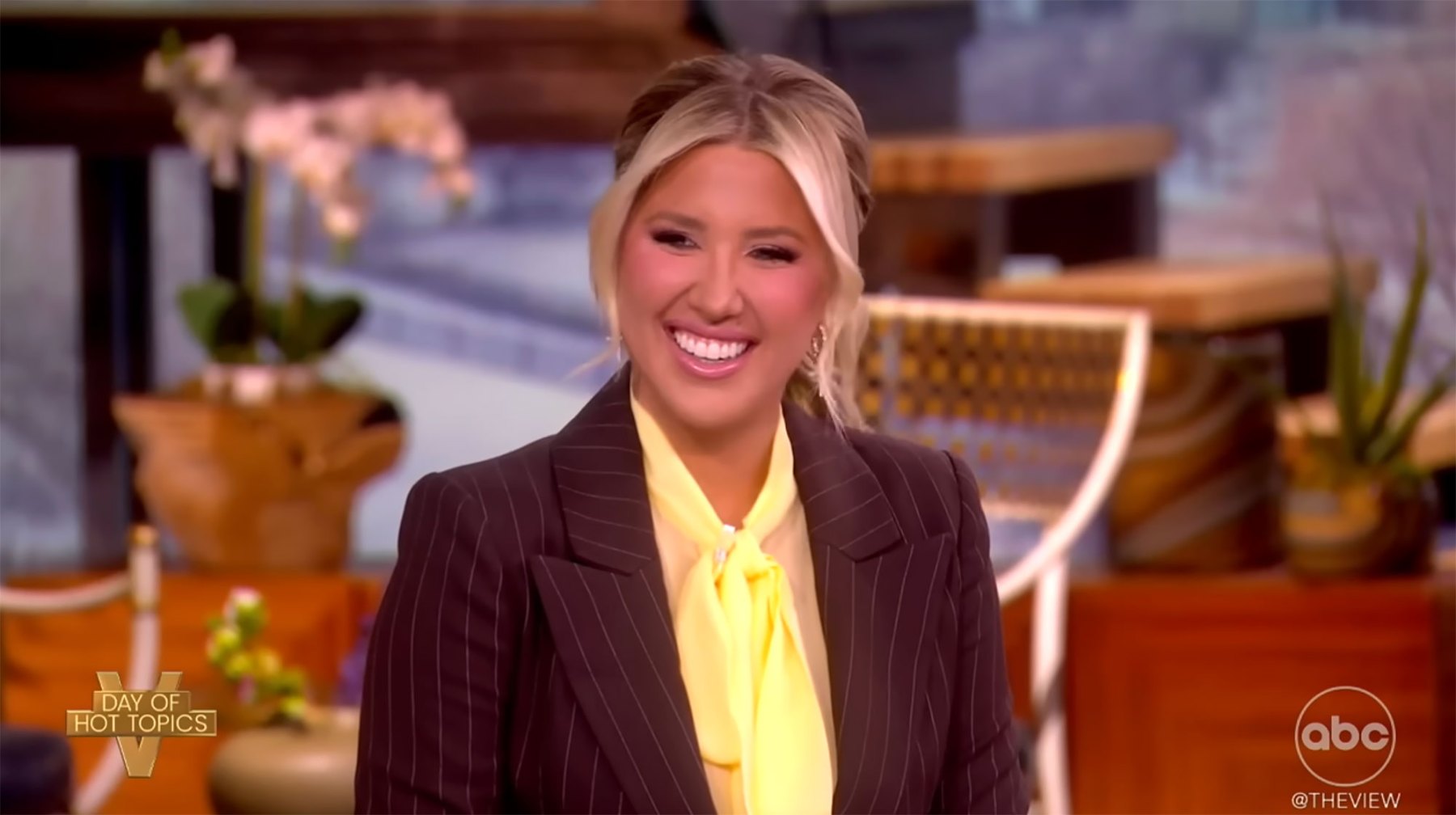
In May 2024, television personality Savannah Chrisley publicly called for a boycott of ABC’s long-running daytime talk show The View. The call to action followed the sudden cancellation of her scheduled appearance on the program, which...
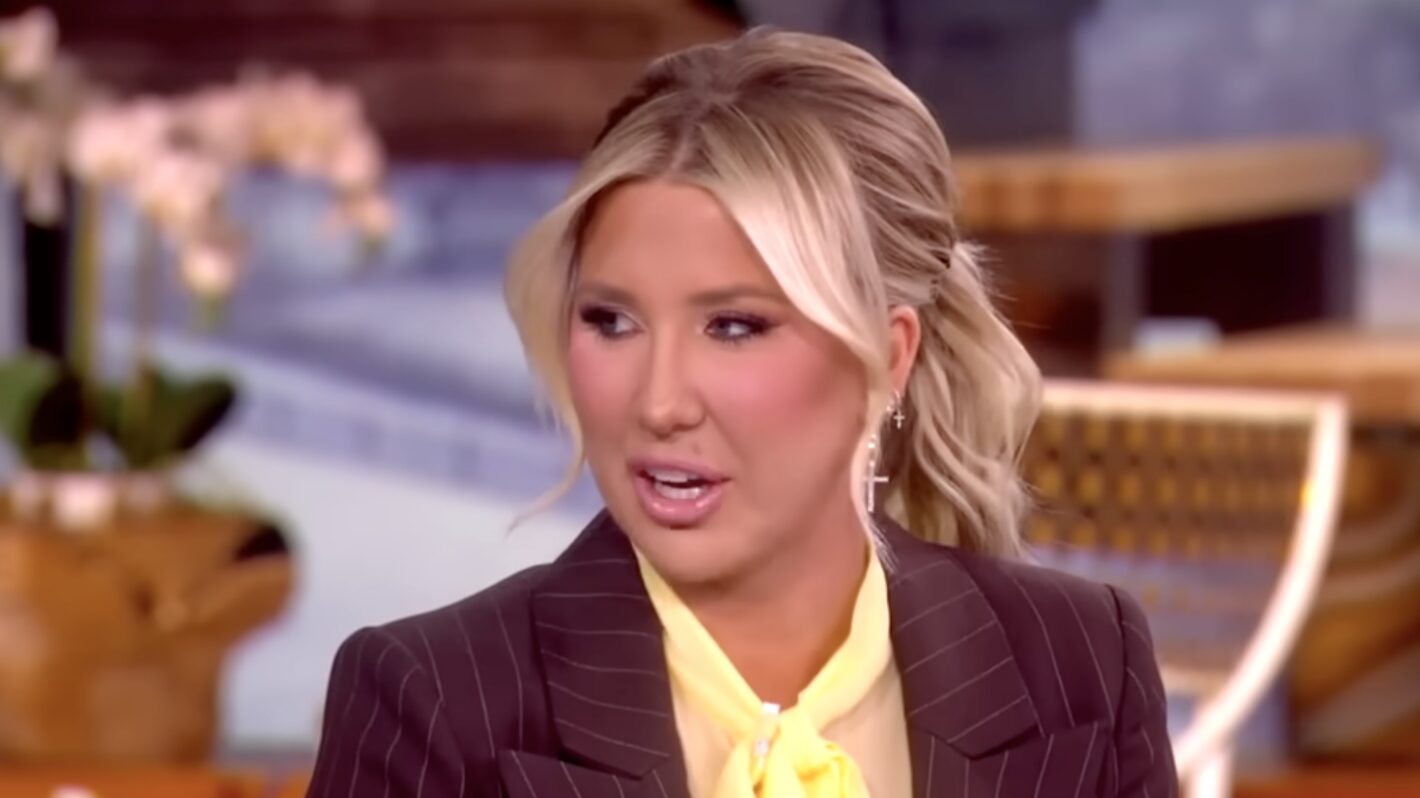
In May 2024, television personality Savannah Chrisley publicly called for a boycott of ABC’s long-running daytime talk show The View. The call to action followed the sudden cancellation of her scheduled appearance on the program, which Chrisley alleged was driven by ideological bias against her conservative political views and her advocacy work surrounding federal prison reform.
Contents
Background: Savannah Chrisley’s Shift to Federal Prison Reform Advocacy
Before the media dispute with The View, Savannah Chrisley was primarily known for her role on the USA Network reality television series Chrisley Knows Best, which chronicled the lives of her wealthy Southern family. However, her public profile shifted significantly following the 2022 legal proceedings involving her parents, Todd and Julie Chrisley.
In 2022, Todd and Julie Chrisley were convicted of federal bank fraud and tax evasion charges. Todd Chrisley received a 12-year sentence at the Federal Prison Camp in Pensacola, Florida, while Julie Chrisley received a seven-year sentence at the Federal Medical Center in Lexington, Kentucky. Following their incarceration in early 2023, Savannah Chrisley assumed legal guardianship of her younger brother and niece while taking on a prominent role as an outspoken advocate for criminal justice and prison reform.
Through her podcast, Unlocked with Savannah Chrisley, and public speaking engagements, Chrisley began documenting what she described as inhumane conditions within the Federal Bureau of Prisons (BOP). Her advocacy focused on several specific operational and environmental issues:
- Environmental Safety: Allegations of extreme indoor heat, lack of operational air conditioning, and mold contamination in aging federal facilities.
- Healthcare Access: Claims of inadequate medical care, delayed prescription distributions, and insufficient mental health support for inmates.
- Administrative Oversight: Calls for increased Congressional oversight, higher officer staffing levels, and accountability regarding the implementation of the First Step Act.
Chrisley’s transition from reality TV personality to justice reform campaigner gained traction across both conservative and bipartisan policy circles, leading to appearances at political events, including a speeches at the 2024 Republican National Convention, and media bookings across various television networks.
The Incident: Why Savannah Chrisley Called for a Boycott of 'The View'
The friction between Savannah Chrisley and The View began in late May 2024, when Chrisley revealed on social media that she had been booked to appear as a guest on the ABC daytime panel show. According to Chrisley, the intended focus of the segment was her ongoing campaign for federal prison reform and the personal impact of her parents' imprisonment.
However, shortly before the scheduled taping, the show's production team canceled the segment. Chrisley posted a series of public video updates outlining her version of the events:
- Initial Outreach and Booking: Producers from The View reached out to book Chrisley for a guest segment focusing on her criminal justice advocacy.
- Pre-Interview Screening: During preliminary interviews with production staff, discussions extended beyond prison reform into broader political topics, including her personal political affiliations, her public support for former President Donald Trump, and her stance on current election issues.
- Cancellation: Chrisley claimed that after she refused to compromise her conservative principles or frame her parents' legal challenges within a specific political narrative, producers informed her that the segment had been canceled.
- The Boycott Announcement: Outraged by the decision, Chrisley published statements across her Instagram and podcast platforms, accusing the show of censoring conservative voices and engaging in ideological gatekeeping. She called on her followers and conservative viewers nationwide to stop watching The View.
ABC and producers of The View generally maintain a policy of not issuing detailed public statements regarding guest booking decisions, pre-interview screening matters, or last-minute schedule changes. Consequently, the network did not formally address Chrisley's specific allegations on air.
Production Realities: Talk Show Booking, Editorial Vetting, and Cancellation Dynamics
To understand the conflict between celebrity guests and broadcast programs, it is necessary to examine how guest bookings operate in national daytime television. Shows like The View operate under rapid daily news cycles controlled by executive producers, segment producers, and network standards departments.
Daytime Talk Show Booking Workflow
- Pitch & Outreach: Producers identify potential guest or topic.
- Pre-Interview: Guest completes screening regarding target topics.
- Editorial Review: Executive team reviews alignment with broadcast.
- Schedule & Confirmation: Final placement on show rundown.
- Final Broadcast: Live or taped broadcast segment.
Guest cancellations on broadcast television occur regularly due to a variety of operational and editorial factors:
- Pre-Interview Alignment: Pre-interviews are standard industry practice. Segment producers conduct thorough phone or video calls to assess how a guest responds to questions, evaluate their comfort on controversial subjects, and establish the scope of the conversation. If a guest's position during the pre-interview departs significantly from the segment's intended topic, producers may adjust or cancel the booking.
- Hot-Topic News Shifts: Broadcast shows operating on tight daily timelines frequently pull pre-scheduled celebrity segments to make room for breaking news stories, political events, or extended panel discussions on major headlines.
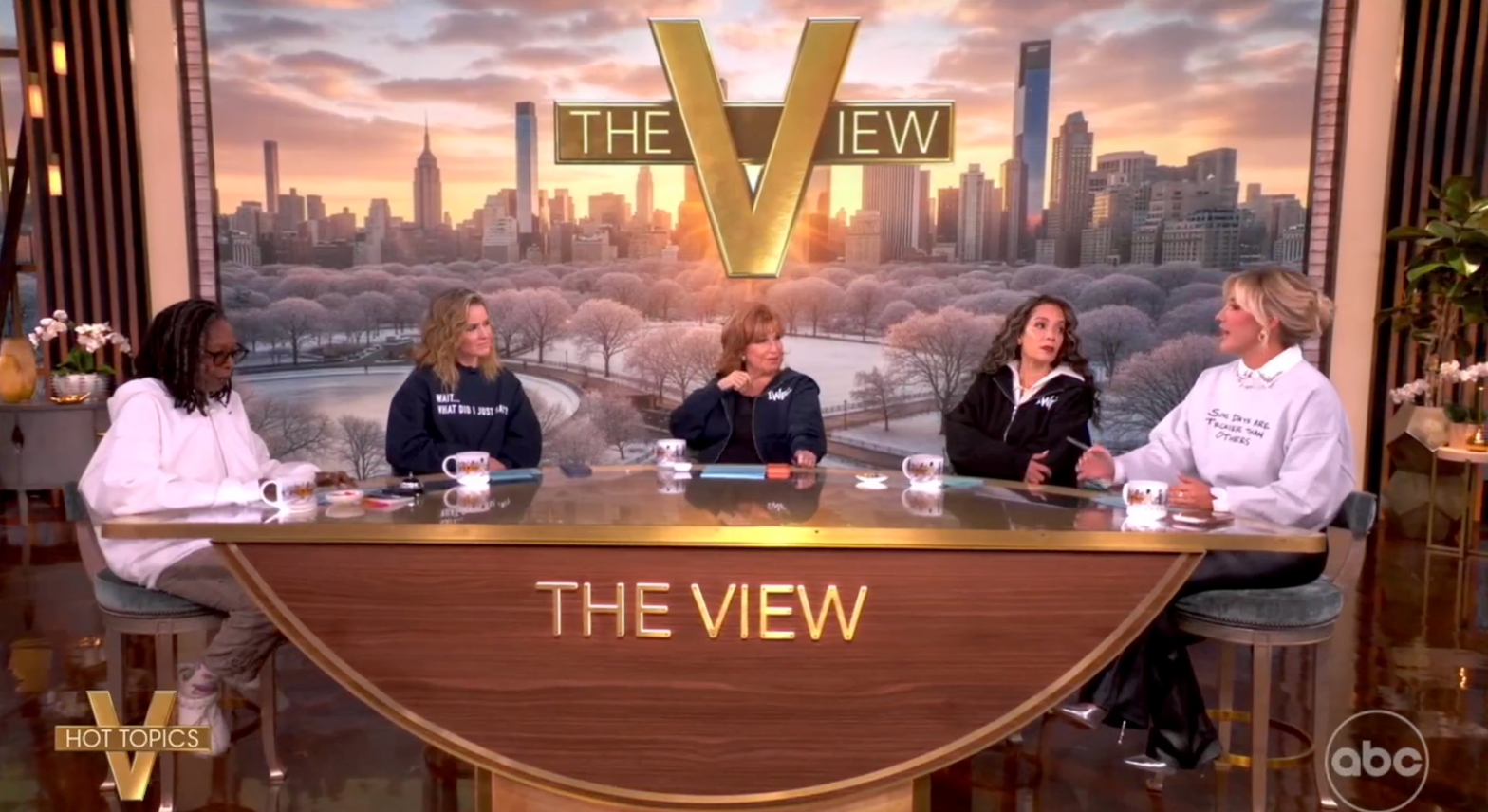
- Managing Panel Dynamics: Formats like The View rely on spirited, unscripted debate between panel members—such as Whoopi Goldberg, Joy Behar, Sunny Hostin, Sara Haines, Alyssa Farah Griffin, and Ana Navarro—and guest speakers. Producers evaluate whether a guest interview will yield a constructive debate or result in an unmanageable confrontation that violates broadcast standards.
While production teams view segment cancellations as standard editorial discretion, guests who feel targeted by last-minute decisions often view the outcome as political suppression, particularly when the cancellation occurs after political screening questions.
Cultural and Political Implications of Media Boycotts
The controversy sparked by Savannah Chrisley highlights broader structural shifts in media consumption, audience polarization, and celebrity advocacy.
The Power and Limits of Celebrity-Led Boycotts
In the modern digital environment, public figures who encounter pushback from legacy media outlets no longer depend solely on traditional public relations channels. By taking her grievance directly to her social media audience and podcast listener base, Chrisley bypassed traditional network filters.
However, historical data indicates that targeted viewer boycotts against established broadcast programs yield mixed financial and ratings outcomes:
- Core Demographic Resilience: Long-running daytime programs like The View maintain stable viewer demographics. While boycott announcements generate rapid social media engagement and news coverage, they rarely lead to long-term sustained drops in traditional Nielsen television ratings.
- Social Media Amplification: Boycott campaigns create immediate viral discussion on platforms like X (formerly Twitter), Instagram, and TikTok, reinforcing existing political divisions among audiences.
- Alternative Platform Validation: When guests are canceled from legacy television outlets, they frequently secure substitute appearances on political podcasts, digital news networks, and streaming channels that cater directly to their base.
Single-Issue Advocacy vs. Political Debates
Chrisley's experience also illustrates the challenge of advocating for single-issue policy reforms within highly polarized media formats. Federal prison reform—including facility maintenance, inmate health standards, and administrative sentencing reform—has historically received bipartisan legislative support, such as the passage of the First Step Act in 2018.
However, when advocates appear on national political panel shows, single-issue topics are often connected to broader partisan debates. When public figures navigate national media appearances, separating localized institutional advocacy from national electoral politics presents a constant challenge.
Comparing Key Elements of the Controversy
The table below outlines the core differences in perspectives, media dynamics, and industry standards surrounding the booking dispute between Savannah Chrisley and The View.
| Factor / Aspect | Savannah Chrisley's Stance | Broadcast Production Context | Industry Standard & Practice |
|---|---|---|---|
| Primary Booking Intent | Raise public awareness for federal prison conditions and inmate welfare. | Evaluate guest suitability for a high-profile, multi-topic panel discussion. | Pre-interviews determine whether guest insights align with show segments. |
| Reason for Cancellation | Alleged ideological censorship and resistance to conservative political alignment. | Unstated publicly; standard editorial discretion regarding schedule and content. | Networks retain full rights to alter show rundowns without public disclosure. |
| Public Response Strategy | Published video statements calling for a broad viewer boycott of The View. | Declined public comment; maintained routine production and broadcasting schedules. | Outlets minimize public debates regarding internal booking decisions. |
| Target Audience Focus | Conservative followers, criminal justice reformers, and social media base. | Traditional daytime television demographics and syndicated broadcast viewers. | Outlets prioritize core viewer retention and broadcast standards compliance. |
| Long-Term Media Outcome | Shifted advocacy to conservative news channels, podcasts, and political conventions. | Show continued daily broadcasting without structural or format adjustments. | Displaced guests leverage controversy to build audience engagement elsewhere. |
Practical Takeaways for Public Figures and Media Viewers
The dispute between Savannah Chrisley and The View provides actionable insights for public relations professionals, media strategists, and general news consumers evaluating similar broadcast controversies.
1. Pre-Interview Clearances and Written Booking Terms
Public figures appearing on national talk shows should establish clear expectations during booking negotiations. While networks rarely yield final editorial control, media representatives can clarify in advance whether an interview will focus strictly on a specific topic (e.g., prison reform) or extend into open-ended political cross-examination.
2. Diversifying Media Distribution Outlets
Advocates pushing for policy reform cannot rely exclusively on legacy television networks to convey their message. Building independent media infrastructure—such as owned podcasts, newsletter platforms, and direct social channels—ensures that an advocate's primary message remains intact regardless of broadcast scheduling decisions.
3. Evaluating Claims of Media Bias Objectively
Viewers assessing claims of broadcast censorship should analyze both institutional booking standards and independent guest statements. While editorial choices frequently align with a network's target audience, technical scheduling constraints, breaking news preemptions, and pre-interview dynamics also routinely influence which segments reach the airwaves.
Frequently Asked Questions
Why did Savannah Chrisley call for a boycott of 'The View'?
Savannah Chrisley called for a boycott of The View in May 2024 after ABC producers canceled her scheduled guest interview. Chrisley claimed the cancellation occurred because she refused to adopt a specific political narrative or distance herself from her conservative views during pre-interview conversations.
What was Savannah Chrisley scheduled to discuss on the show?
Chrisley was booked to discuss federal prison reform, her visits to federal correctional facilities, and the living conditions experienced by inmates, including her incarcerated parents, Todd and Julie Chrisley.
Did ABC or 'The View' release an official statement regarding the cancellation?
No. Network producers and representatives for The View did not issue a formal public statement detailing the reasons behind the segment cancellation, adhering to standard broadcast practices regarding internal booking decisions.
What sparked Savannah Chrisley’s involvement in prison reform advocacy?
Her advocacy began following the 2022 federal bank fraud and tax evasion convictions of her parents, Todd and Julie Chrisley. After they began serving their respective prison sentences in early 2023, Chrisley began using her public platform to highlight issues like facility heat management, healthcare access, and administrative oversight within the Federal Bureau of Prisons.
Did the boycott call impact the ratings of 'The View'?
Broadcast tracking data indicated that the boycott call had no permanent impact on the overall Nielsen ratings of The View. While the controversy generated significant commentary on social media and independent news outlets, the daytime panel show maintained its core broadcast audience.
Next Steps for Following Media and Reform Developments
For readers tracking ongoing developments in broadcast media standards, celebrity advocacy, and criminal justice reform, consider the following actionable resources:
- Review Official Prison Reform Documents: Examine legislative updates on the Federal Bureau of Prisons oversight efforts and First Step Act reporting directly through official government portals.
- Analyze Media Coverage Critically: Compare how traditional broadcast networks and independent digital platforms cover single-issue advocacy to evaluate differences in interview framing and audience targeting.
- Monitor Congressional Hearings: Track testimony from the Senate Judiciary Committee regarding federal prison oversight and inmate safety standards to understand the policy framework surrounding Chrisley's advocacy topics.
Image Gallery