The Good Things of Globalization Explained: Benefits, Economic Impacts, and Global Connectivity
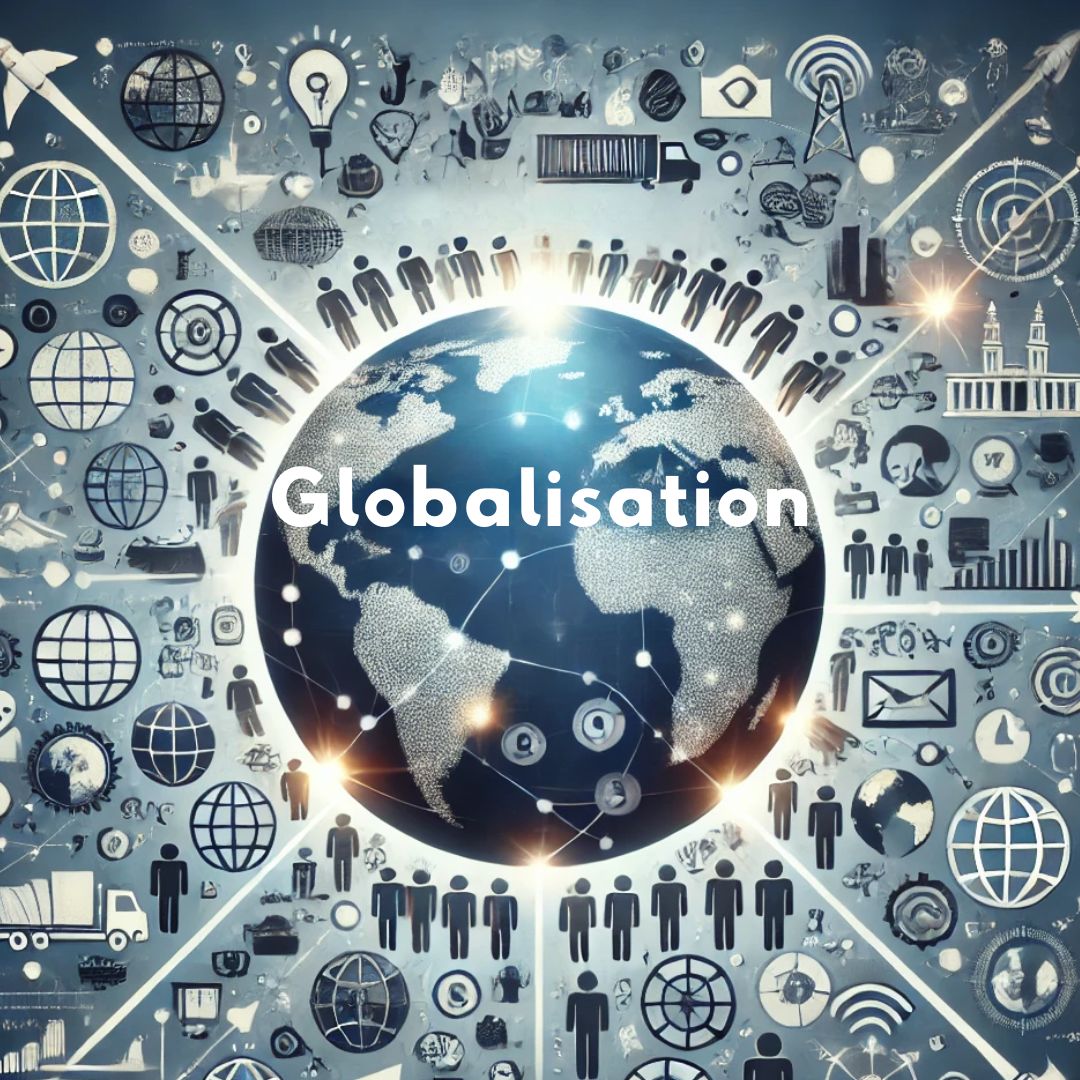
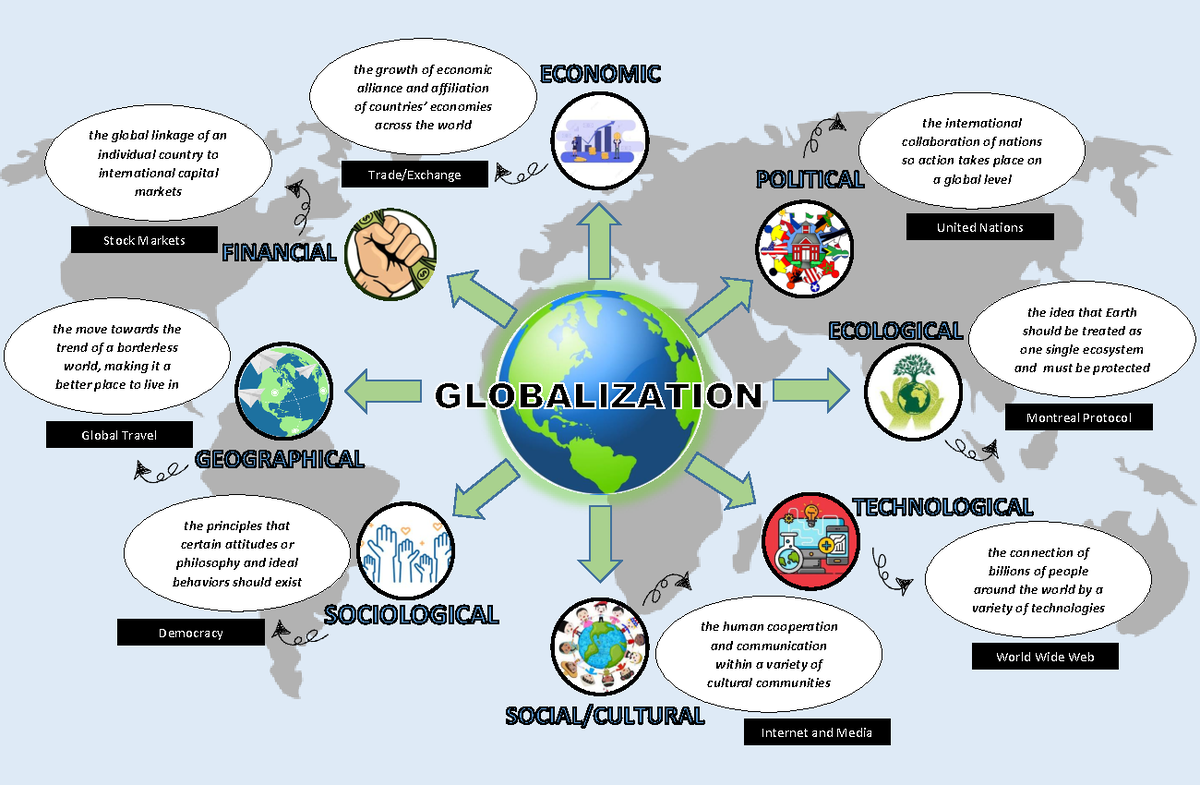
Globalization refers to the increasing interconnectedness of national economies, cultures, and populations through cross-border trade, investment, technology, and information sharing. Its primary benefits include lower consumer prices...
Globalization refers to the increasing interconnectedness of national economies, cultures, and populations through cross-border trade, investment, technology, and information sharing. Its primary benefits include lower consumer prices through optimized supply chains, accelerated technological innovation, expanded export opportunities for businesses, significant global poverty reduction, and enriched cross-cultural collaboration across international boundaries.
Contents
Understanding Globalization in the Modern Economy
Globalization is not a single economic program or policy; it is an ongoing process of global integration. Over recent decades, reductions in trade tariffs, advancements in telecommunications, and standardized shipping logistics have dismantled traditional barriers between nations. This structural integration allows capital, services, raw materials, finished products, and intellectual property to move across international borders with unprecedented speed and low friction.
While discussions surrounding international trade often touch upon political and domestic industrial policy, the economic foundation of globalization rests on mutual trade gains and resource optimization. When nations specialize in producing goods and services where they hold an absolute or comparative advantage, total global production increases. Understanding the positive mechanisms of globalization clarifies how economic interdependence shapes modern standards of living, technology distribution, and international relations.
Key Economic Benefits of Globalization
1. Market Expansion and Foreign Direct Investment
Globalization opens vast international markets to domestic businesses, enabling firms to sell products beyond their home borders. For small and medium-sized enterprises (SMEs), global e-commerce platforms and digital logistics mean that market reach is no longer constrained by geography.
Concurrently, Globalization drives Foreign Direct Investment (FDI). When international corporations invest in developing host countries—building manufacturing plants, solar installations, or software development hubs—they bring capital, infrastructure development, and specialized managerial expertise. FDI elevates local wage levels, creates auxiliary service industries, and expands national tax bases to fund public services.
2. Lower Consumer Costs and Expanded Supply Efficiency
One of the most immediate advantages experienced by individuals is the affordability of consumer goods. Global supply chains enable manufacturers to source components from regions where raw materials or specialized labor are most cost-effective.
- Economies of Scale: Producing goods for global consumer markets rather than isolated domestic markets lowers the average cost per unit.
- Input Optimization: Manufacturers assemble complex items—such as smartphones, automobiles, and medical devices—by obtaining specialized parts from different countries that lead in specific manufacturing domains.
- Inflation Mitigation: Sourcing efficiency helps suppress hyper-inflationary spikes in basic commodities, stabilizing consumer purchasing power over extended periods.
3. Accelerated Innovation and Rapid Technology Transfer
Technological breakthroughs rarely occur in isolation. Globalization speeds up the dissemination of scientific discoveries, engineering practices, and digital software.
When advanced economies deploy renewable energy technologies, agricultural techniques, or pharmaceutical treatments, international trade and open licensing frameworks allow emerging nations to adopt these advancements without repeating decades of costly foundational research and development (R&D).
- R&D Innovation Hubs
- Digital Networks & Trade
- Global Production & Local Adoption
Digital globalization further amplifies this process. Open-source software repositories, global cloud computing architecture, and remote international scientific panels enable developers and researchers worldwide to solve shared technical challenges in real time.
Social and Human Development Impacts
Global Poverty Reduction
The expansion of international trade has served as one of the most effective historical mechanisms for lifting populations out of extreme poverty. Export-oriented industrialization across East Asia, Southeast Asia, and parts of Latin America integrated hundreds of millions of workers into the formal global economy.
As nations transitioned from subsistence agriculture to industrial manufacturing and digital services:
- National household incomes increased.
- Access to stable wage labor improved basic nutritional security.
- Municipal investments in sanitation, clean drinking water, and electrical infrastructure expanded.
According to economic data compiled by international development organizations, global extreme poverty rates declined sharply over the past four decades, largely coinciding with the rapid acceleration of cross-border commercial integration.
Enhanced Access to Healthcare and Humanitarian Relief
Global networks do not merely transport commercial products; they distribute lifesaving medical supplies, vaccines, and emergency aid. During public health crises or natural disasters, international supply chains permit rapid mobilization of resources—from specialized diagnostic machinery to water purification systems—across continents within days.
Furthermore, international medical research consortia share genomic data, clinical trial outcomes, and diagnostic standards rapidly, ensuring that treatment protocols advance globally rather than remaining isolated within wealthy regions.
Cultural Exchange, Education, and Labor Mobility
Beyond balance sheets and trade metrics, globalization deeply enriches human social experience. Increased cross-border movement fosters international understanding and cultural exchange.
- Educational Mobility: University exchange initiatives, international scholarship frameworks, and global digital learning platforms allow students from developing regions to access elite academic instruction and return home with high-value technical capabilities.
- Cultural Synthesis: Literature, cinema, culinary traditions, and artistic expressions cross borders effortlessly. This exposes communities to diverse perspectives, breaking down provincial biases and building global empathy.
- Global Workforce Opportunities: Remote work tools allow technical professionals, translators, customer support specialists, and creative workers in emerging markets to participate in international labor markets without migrating away from their home communities.
Structured Comparison: Key Positive Dimensions of Globalization
The table below outlines the primary mechanisms, real-world impacts, and direct beneficiaries across the core pillars of globalization:
| Dimension | Primary Mechanism | Real-World Impact | Primary Beneficiaries |
|---|---|---|---|
| Trade & Market Integration | Elimination of tariffs, streamlined custom procedures, and trade agreements. | Expanded export potential, specialized industry clustering, higher GDP growth. | Exporting enterprises, logistics sectors, and national treasuries. |
| Consumer Economics | Sourcing components based on comparative advantage and regional efficiency. | Reduced cost of electronics, apparel, and year-round food variety. | Everyday consumers, household budgets, and retail sectors. |
| Poverty Reduction | Industrialization driven by foreign investment and export demand. | Transition from informal/subsistence work to stable industrial and service employment. | Low-income populations in emerging markets. |
| Tech Diffusion | Intellectual property licensing, open digital frameworks, and foreign R&D hubs. | Rapid deployment of renewable energy, telecommunications, and software tools. | Emerging market businesses, research institutions, and health networks. |
| Cultural & Educational Flow | International academic programs, digital publication, and borderless remote work. | Broadened workforce skills, shared global research, and cross-cultural empathy. | Students, technical workers, research faculties, and global teams. |
Balancing Perspective: Managing Structural Transitions
A complete understanding of globalization requires acknowledging that its structural benefits come with economic reallocation. When production shifts to more efficient regions, localized domestic industries can face disruption, displacement of manufacturing employment, or adjustment stresses.
Modern economic consensus emphasizes managed globalization. Governments implement policy frameworks designed to capture global trade efficiency while addressing localized impacts through:
- Targeted Workforce Retraining: Providing skills training programs for workers displaced by changing trade dynamics or technological shifts.
- Resilient Supply Chain Architecture: Diversifying sourcing across multiple international partners to protect against regional logistical chokepoints.
- Environmental Standards Integration: Embedding sustainability metrics into international trade agreements to prevent resource overexploitation.
By pairing open trade policies with robust domestic support systems, societies maximize the net benefits of global integration while building structural resilience.
Frequently Asked Questions
What is the single biggest benefit of globalization?
The primary benefit is the dramatic increase in global economic efficiency achieved through specialization and trade. This dynamic lowers the cost of goods for consumers worldwide while providing developing nations with the capital and market access necessary to industrialize and reduce absolute poverty.
How does globalization help small businesses?
Globalization levels the playing field for small businesses by granting access to global supply chains, international payment systems, and boundaryless digital marketplaces. An enterprise can design a product locally, source components globally, and market directly to consumers across dozens of countries without maintaining physical international offices.
Does globalization lower the cost of living for consumers?
Yes. By encouraging price competition and allowing goods to be produced where input costs (materials, specialized skills, land) are optimized, globalization prevents domestic monopolies from overcharging. It leads to lower relative prices for technology, clothing, household goods, and out-of-season agricultural produce.
How does globalization promote international stability?
Economic interdependence creates strong financial and diplomatic incentives for nations to resolve disputes peacefully. When countries rely on one another for critical goods, energy, food, and investment capital, the economic cost of international conflict increases significantly, fostering diplomatic cooperation.
What is digital globalization and how does it differ from traditional trade?
Traditional globalization centered on physical container shipping, raw materials, and manufacturing relocation. Digital globalization involves the borderless flow of data, software services, financial transfers, and remote intellectual labor. It allows individuals to contribute to the global economy purely through internet connectivity, regardless of local physical infrastructure.
Key Takeaways and Actionable Next Steps
Globalization has reshaped the modern world by connecting markets, lowering consumer costs, speeding up technology adoption, and lifting hundreds of millions out of poverty. While structural transitions require proactive government policy and resilient supply chain management, the net impact of open, interconnected systems remains a cornerstone of global economic progress.
Recommended Next Steps for Decision-Makers:
- For Business Leaders: Audit current procurement networks to balance low-cost international sourcing with regional supply chain redundancy. Explore global e-commerce channels to diversify your customer base.
- For Professionals and Workers: Focus on developing skills that thrive in a globalized economy, such as cross-cultural communication, software literacy, data analysis, and project management in distributed teams.
- For Students and Researchers: Utilize open-access international journals, global online courses, and cross-border research networks to collaborate beyond national academic boundaries.
Image Gallery