What Happens in the Lightning Strike Aftermath: Immediate and Long-Term Effects
Immediately after a lightning strike, human victims may suffer cardiac arrest, temporary paralysis, severe burns, and acute neurological trauma, requiring immediate CPR and emergency medical intervention. On properties, strikes cause h...
Immediately after a lightning strike, human victims may suffer cardiac arrest, temporary paralysis, severe burns, and acute neurological trauma, requiring immediate CPR and emergency medical intervention. On properties, strikes cause high-voltage electrical surges, structural fires, and destroyed mechanical systems. The aftermath requires prompt medical triage, structural safety inspections, and systematic insurance documentation.
Contents
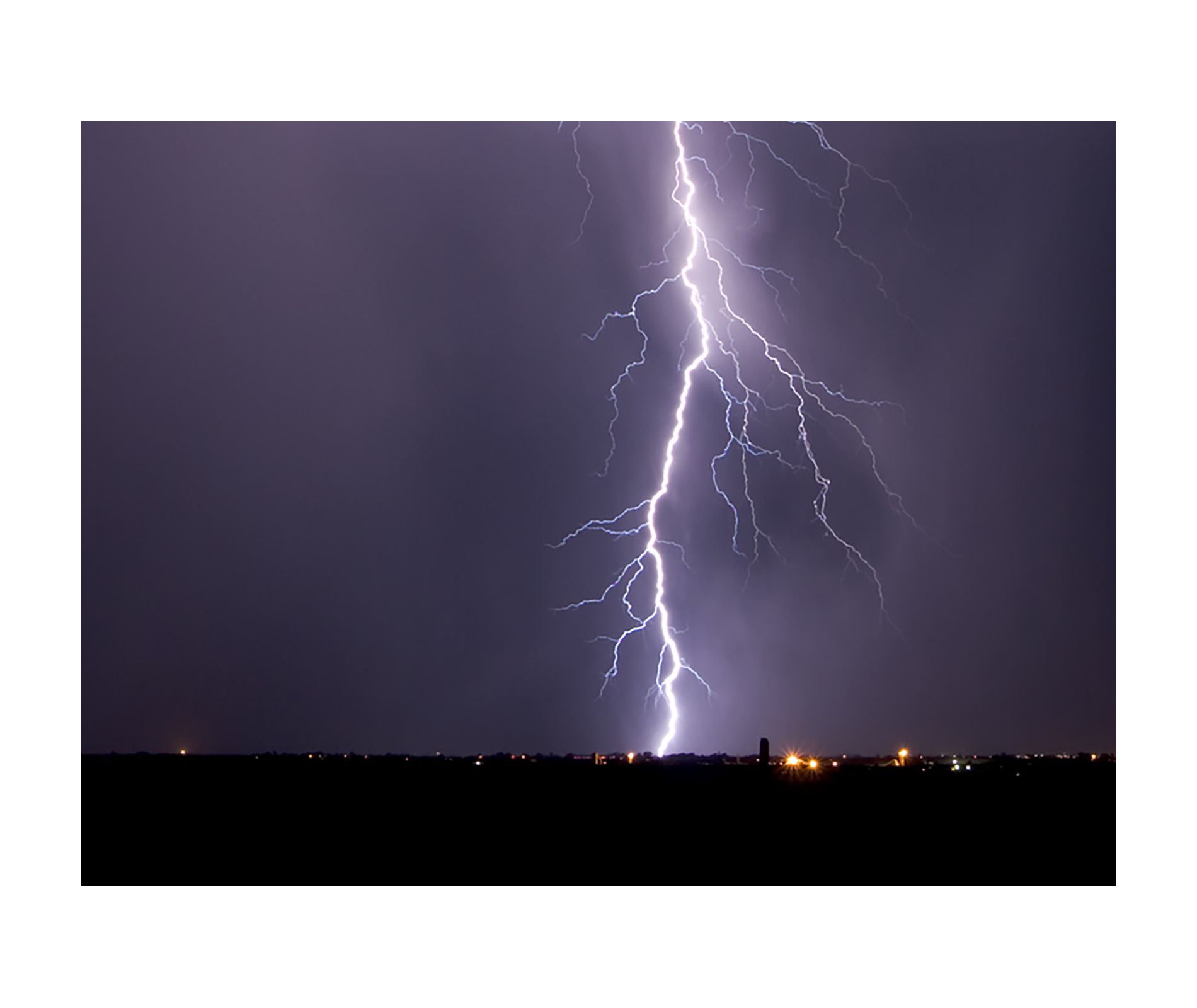
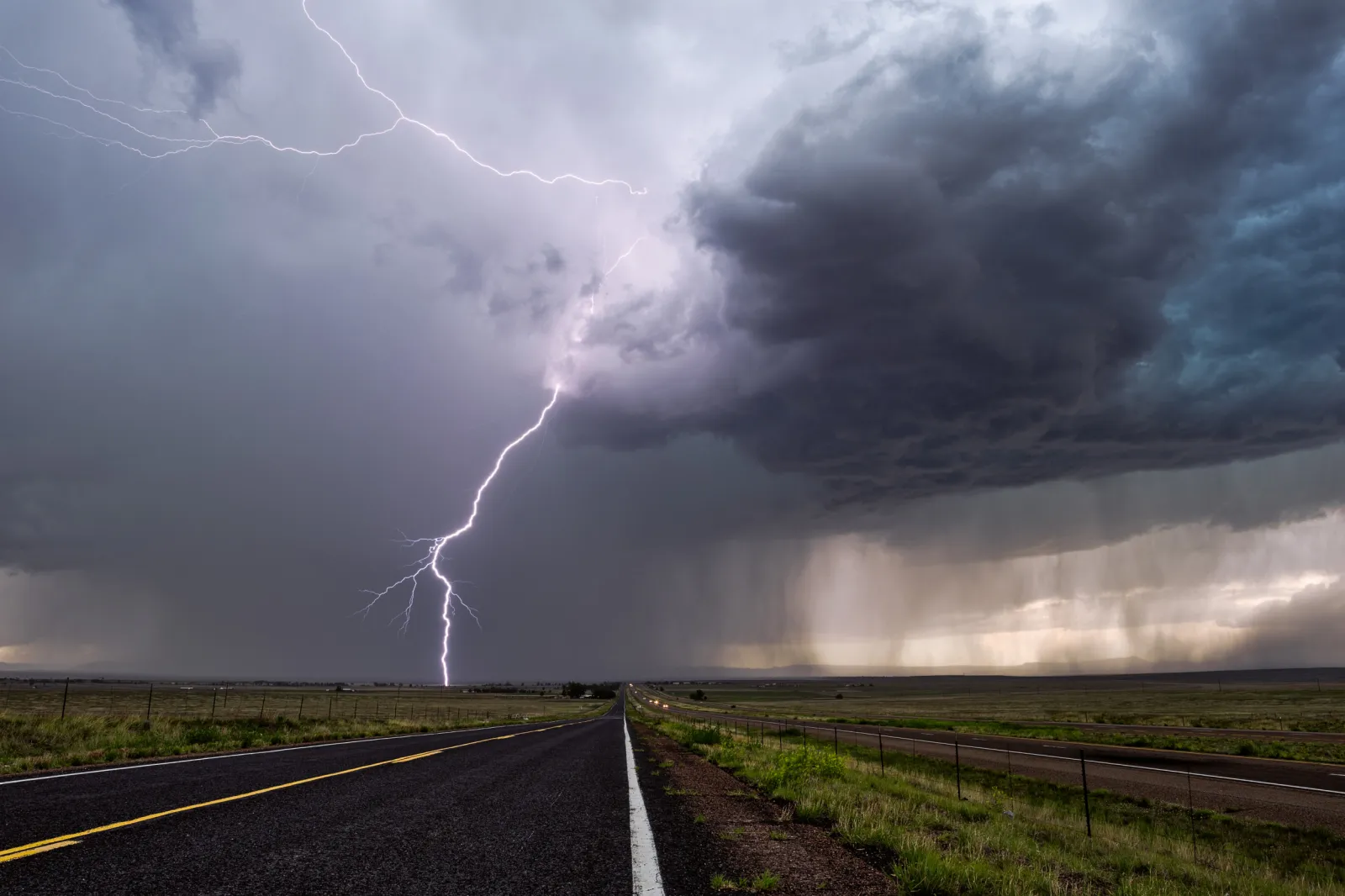
When lightning strikes, it delivers up to 1 billion volts of electricity and tens of thousands of amperes of current in a fraction of a millisecond. The air surrounding the channel heats to approximately 50,000°F (27,700°C), creating a supersonic shockwave.
Understanding what happens in the lightning strike aftermath requires examining three distinct areas: immediate and long-term medical impacts on the human body, physical and electrical destruction of property, and the required safety and recovery procedures.
The Immediate Biological Impact on the Human Body
A common misconception is that lightning strikes always involve a direct hit to the head or body. In reality, direct strikes account for a minority of injuries. Most victims suffer from ground current (step potential), where current travels through the earth from a nearby strike, or side flashes, where lightning jumps from a tall struck object like a tree to a nearby person. Regardless of the mechanism, the immediate physical consequences are severe.
- Lightning Channel
- Direct / Side Flash
- Cardiopulmonary Stop
- Neurological Shock
- Blast/Thermal Trauma
- Ground Current
- Step Potential Shock
- Ruptured Eardrums
- Lichtenberg Figures
- Direct / Side Flash
Cardiopulmonary Arrest and Asystole
The electrical shock of a lightning strike acts as a massive depolarizing force across the heart. Unlike typical cardiac arrest caused by ventricular fibrillation, lightning frequently causes asystole (a complete cessation of heart activity).
The body's natural pacemaker can sometimes reset spontaneously, but the brain's respiratory center in the brainstem often remains paralyzed for much longer. As a result, a victim may resume a heartbeat but die of hypoxia (lack of oxygen) unless bystander CPR and rescue breathing are initiated immediately.
Transient Paralysis and Neurological Shock
Within seconds of the strike, survivors frequently experience a temporary condition known as keraunoparalysis. Characterized by severe weakness, numbness, and blue or cold extremities, this condition occurs because the intense electrical current temporarily stuns the autonomic nervous system and motor pathways. While keraunoparalysis typically resolves within several hours, the immediate motor deficit leaves victims unable to move or call for help.
Blast Waves and Barotrauma
The sudden expansion of superheated air creates a localized pressure wave capable of throwing victims several feet. This blast wave causes physical trauma similar to an explosion, including:
- Tympanic Membrane Rupture: The acoustic shockwave ruptures one or both eardrums in a large majority of direct and close-proximity strikes, causing immediate hearing loss, bleeding from the ear canal, and severe vertigo.
- Blunt Force Trauma: Internal bleeding, pulmonary contusions, and skeletal fractures can occur when the physical force hurls a person against hard surfaces or grounds them violently.
Thermal Burns and Lichtenberg Figures
While lightning currents pass over the exterior of the body in a process called "flashover," heat transfer can scorch clothing, melt synthetic fabrics into the skin, and vaporize moisture. Sweat or rainwater turns instantly into steam, causing superficial steam burns or tearing clothing apart.
| LICHTENBERG FIGURES |
|---|
| Flashover current paths cause micro-ruptures in dermal capillary networks, creating temporary, fern-like superficial skin patterns. |
A characteristic physical sign seen in the immediate aftermath is the appearance of Lichtenberg figures. These reddish, fern-like or feathering patterns appear on the skin within hours of the event. They are not classic thermal burns; rather, they are caused by localized extravasation of red blood cells from capillaries damaged by the electrical discharge. Lichtenberg figures usually fade within 24 to 48 hours.
Long-Term Medical Consequences for Lightning Survivors
While many individuals survive lightning strikes due to the short duration of the exposure (often lasting only 1 to 100 milliseconds), the long-term aftermath can involve persistent medical issues. The Medical Aspects of Lightning Injuries (MALI) research networks highlight that post-strike complications affect multiple body systems.
- LIGHTNING SURVIVOR AFTERMATH EFFECTS
- Neurological: Chronic pain, memory loss, PTSD
- Sensory: Cataracts, persistent tinnitus
- Systemic: Rhabdomyolysis, renal stress
Chronic Neurological and Cognitive Deficits
The central nervous system is highly sensitive to electrical current and rapid pressure changes. Survivors often face lingering neurological challenges:
- Cognitive Dysfunction: Short-term memory deficits, executive dysfunction, diminished processing speed, and severe brain fog are common.
- Chronic Pain & Peripheral Neuropathy: Damaged nerve paths can lead to ongoing neuropathic pain, phantom burning sensations, or reflex sympathetic dystrophy (RSD).
- Sleep Disturbances and Mood Alterations: Damage to deep brain structures can disrupt sleep cycles, trigger severe depression, and lead to Post-Traumatic Stress Disorder (PTSD).
Delayed Ocular and Auditory Complications
Sensory damage might not be fully apparent during the initial emergency room visit.
- Catarrh and Optic Damage: Cataracts can develop months after the incident due to electrical and thermal injury to the crystalline lens of the eye. Retinal detachment and optic nerve atrophy can also manifest over time.
- Permanent Hearing Impairment: Damage to the delicate ossicles of the inner ear or cochlear structures can lead to permanent sensorineural hearing loss, chronic tinnitus, and chronic balance disorders.
Musculoskeletal and Renal Stress
The extreme involuntary muscle contractions triggered by millions of volts can cause muscle tissue breakdown, a condition called rhabdomyolysis. Myoglobin released from damaged muscle fibers enters the bloodstream and can clog the kidneys' filtering mechanisms, leading to acute kidney injury if not managed with intravenous fluids.
Structural and Property Damage in the Aftermath
When a lightning bolt hits a residential or commercial building, the damage extends beyond a simple power outage. The immense electrical charge seeks all available paths to the earth, using structural framing, utility pipes, electrical wiring, and communication lines as conductive networks.
- Structural Strike
- Fire: Attic & Framing Ignition
- Surge: Electrical Destruction & Arc Faults
- Physical: Foundation & Masonry Cracking
Fire Hazards: Attic and Framing Ignition
The most dangerous property risk following a strike is a hidden fire. Lightning often strikes roof ridges, chimneys, or attic vents. As the current travels down wooden rafters and wall studs, friction and intense resistance generate temperatures high enough to ignite dry structural lumber instantly.
These fires often smolder undetected inside wall cavities or attic spaces long after the storm has passed.
Electrical Surge and Appliance Destruction
Even indirect strikes—where lightning hits a utility pole or ground near a home—send massive voltage surges through incoming power, telephone, and coaxial lines.
- Service Panel & Circuit Overload: Main breakers may trip or physically melt, while bus bars can experience severe arc pitting.
- Micro-Processor Destruction: Modern HVAC units, smart home controllers, refrigeration equipment, and home computing infrastructure suffer catastrophic semiconductor failure.
- Arc Faults and Wiring Damage: Electrical insulation inside walls can melt or char, creating persistent arc-fault risks that pose serious fire hazards long after power is restored.
For guidance on building protection systems, consult the standard published by the National Fire Protection Association (NFPA 780).
Physical Shockwave and Structural Impact
The mechanical shockwave generated by a strike can shatter brick chimneys, blow out sections of concrete foundations, rupture plumbing pipes, and crack plaster or drywall. Windows can shatter outward due to localized pressure drops, and tree branches near structures can explode from internal sap instantly vaporizing into steam.
Direct vs. Delayed Impacts of Lightning Incidents
| Domain | Immediate Effects (0–24 Hours) | Delayed / Long-Term Effects (Days to Years) | Critical Action Required |
|---|---|---|---|
| Human Health (Cardiovascular) | Asystole, cardiac arrest, dangerous arrhythmias, severe shock. | Persistent chest pain, autonomic dysfunction, hypertension. | Perform immediate CPR, deploy AED, perform 12-lead ECG. |
| Human Health (Neurological) | Unconsciousness, keraunoparalysis, temporary confusion, eardrum rupture. | Chronic neuropathic pain, PTSD, memory deficits, sleep loss, cataracts. | Complete a neurological workup; schedule routine ENT and ophthalmology follow-ups. |
| Human Health (Dermatological) | Superficial steam burns, singing of hair, transient Lichtenberg figures. | Scars from melted synthetic clothing or deep contact burns. | Clean wounds, use burn dressings, perform surgical debridement if necessary. |
| Property (Electrical Systems) | Tripped breakers, burnt outlets, instant failure of active electronics. | Latent wire insulation breakdown, intermittent arc faults, panel degradation. | Keep power isolated; schedule a thermal and continuity inspection by an electrician. |
| Property (Structural Integrity) | Roof puncture, shattered brickwork, blown windows, immediate ignition. | Smoldering attic fires, water damage from ruptured lines, dry rot from compromised flashing. | Call the fire department, use thermal cameras, secure tarps over damaged sections. |
Step-by-Step Response Protocol Following a Strike
If a lightning strike affects your home, outdoor location, or nearby companions, follow this step-by-step emergency response protocol:
- Emergency Response Sequence:
- Triage & First Aid
- Property Evacuation
- Utility Isolation
- Professional Verification
Step 1: Human Emergency Medical Triage
- Verify Scene Safety: Ensure the immediate danger has passed. Lightning can strike the same location twice, but helping a victim in an open area remains priority number one once the immediate bolt discharge has concluded.
- Call Emergency Services Immediately: Dial 911 or local emergency response units.
- Assess Airway, Breathing, and Circulation (ABCs):
- Note: Lightning strike victims do not hold an electrical charge and are safe to touch immediately.
- If the person is not breathing and has no pulse, start continuous CPR without delay.
- Apply an Automated External Defibrillator (AED) if available.
- Treat Secondary Injuries: Keep the victim warm, treat visible shock, stabilize potential spinal injuries if the person was thrown, and gently cover burn areas with sterile dressings.
For detailed guidelines on lightning safety protocols, refer to the Centers for Disease Control and Prevention (CDC) Lightning Safety Page.
Step 2: Property Evacuation and Safety Screening
- Check for Smoke or Flame: Inspect the roof space, attic, basement, and wall cavities for signs of smoke, burning odors, or unusual heat.
- Evacuate If Fire Is Suspected: If you detect any odor of burning wood, scorched plastic, or electrical insulation, evacuate all occupants immediately and call the fire department. Fire crews use thermal imaging cameras to check for hidden hot spots inside walls and attics.
Step 3: Utility Isolation and Hazard Management
- Shut Down Main Power: If safe to access, switch off the main electrical panel to prevent subsequent arc-faults or continuous current feeds into damaged wiring circuits.
- Inspect Gas Lines: Check for the odor of natural gas or propane, as structural shifts or ground potential shock waves can rupture gas lines or flex couplings. If gas is detected, shut off the main gas valve and leave the building immediately.
Step 4: System Inspection and Insurance Claim Documentation
- Hire a Licensed Electrician: Have a certified professional perform insulation resistance testing (megohmmeter tests) across home circuits to confirm that internal wiring insulation has not compromised.
- Document Physical Evidence: Photograph all damaged structural elements, fried electrical panels, destroyed appliances, and ruptured plumbing lines before repairs begin.
- Notify Property Insurance: Contact your homeowners or commercial insurance carrier to report a lightning claim. Insurance policies generally cover direct lightning strikes, structural fires, and power surges caused by lightning events.
Common Misconceptions and Hidden Hazards
Misconception 1: Lightning Strike Victims Retain a Electrical Charge
One of the most persistent myths is that a person struck by lightning holds dangerous residual electricity. This dangerous delay in care can prevent lifesaving CPR.
Lightning current passes through the body to the ground in milliseconds. A victim is completely safe to touch and treat instantly.
Misconception 2: Surge Protectors Provide Complete Protection
Standard power strip point-of-use surge protectors (surge protective devices or SPDs) are rated to suppress minor utility line fluctuations and transient voltage spikes.
However, they cannot arrest the catastrophic voltage of a direct or near-direct lightning strike.
- 1 Billion Volts
- Point-of-Use Surge Strips (Standard SPDs)
- Designed for minor voltage fluctuations (e.g., 600V - 3000V transient spikes).
- Lightning easily arcs across their internal gaps, short-circuiting protection.
- Point-of-Use Surge Strips (Standard SPDs)
A comprehensive protection system requires whole-house surge suppression installed at the main panel, proper grounding electrodes, and lightning rod protection systems built to IEEE Standards.
Hidden Risk: Latent Electrical Hazards
A home may seem undamaged following a strike if power remains active and no flames appear. However, latent damage to electrical insulation remains a common secondary hazard.
Small electrical arcs created by the high voltage can leave tiny carbon tracks inside switchboxes, wall outlets, and wiring. Over days or weeks, normal household currents can track across these carbon paths, leading to sudden electrical fires long after the initial storm has cleared.
Frequently Asked Questions
Can a lightning strike cause immediate death, and what is the main cause?
Yes, a lightning strike can cause immediate death. The primary cause of death is immediate cardiac arrest (asystole) combined with concurrent respiratory paralysis caused by electrical disruption of the brainstem's respiratory center. Fast intervention with CPR and an AED offers the best chance of resuscitation.
What are Lichtenberg figures, and do they leave permanent scars?
Lichtenberg figures are superficial, fern-like red patterns that appear on the skin of lightning victims. They occur when the electrical charge ruptures small capillaries under the skin. They are generally temporary and fade completely within 24 to 48 hours without leaving permanent scars.
Why does a home lose power after a strike even if the main breaker did not trip?
Power loss can occur if the lightning surge blows out external transformer fuses on the utility pole, severs underground utility service drops, or burns out internal conductive pathways inside the electric meter base before the main breaker can react.
How long do neurological symptoms last after surviving a lightning strike?
Neurological symptoms vary by individual. While acute symptoms like keraunoparalysis often resolve within hours, long-term complications—such as memory loss, chronic neuropathic pain, tinnitus, balance problems, and PTSD—can last for months, years, or become permanent conditions requiring ongoing medical management.
Does homeowners insurance cover lightning strike damage to appliances and roofs?
Standard homeowners insurance policies typically cover direct physical loss caused by lightning, including roof damage, structural fire, and damage to personal property or appliances damaged by lightning surges. Document the damage thoroughly and consult your carrier to begin the claim process.
Practical Recommendations
If you or your property experience a lightning strike:
- Prioritize Human Life First: Ensure everyone is safe. Render CPR immediately to non-responsive victims; do not delay due to fear of residual charge.
- Call Emergency Responders: Have medical personnel evaluate anyone who was struck or exposed to a close-proximity side flash, even if they show no obvious burn marks or outward injuries.
- Have Your Property Professionally Inspected: Do not rely on visual checks. Rent or request a thermal imaging camera check from your local fire department to rule out hidden attic fires, and hire a licensed electrician to test your home's wiring integrity.
- Document Everything for Recovery: File insurance claims promptly, taking photo and video records of all damaged electrical equipment, roof access points, and damaged physical structures.
Disclaimer: This article is for educational and informational purposes only and does not constitute formal medical or legal advice. In the event of a lightning strike or medical emergency, contact emergency medical services (911) immediately.
Image Gallery