Understanding the DMA Fort Meade Media Hub: Operations, Infrastructure, and Access
The Defense Media Activity (DMA) Media Hub at Fort George G. Meade, Maryland, serves as the central operational nerve center for United States Department of Defense (DoD) media distribution, broadcasting, and public affairs technical i...
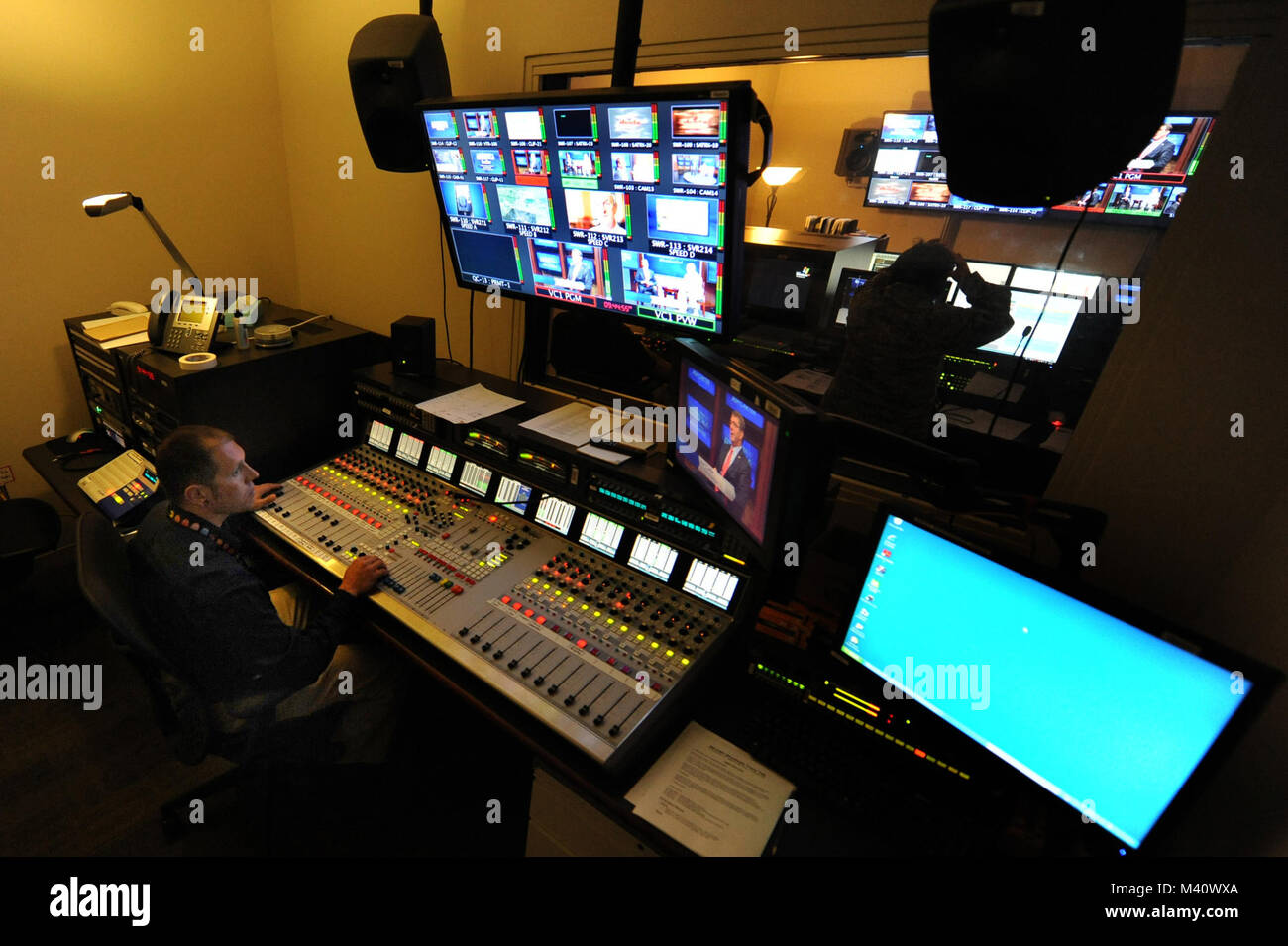
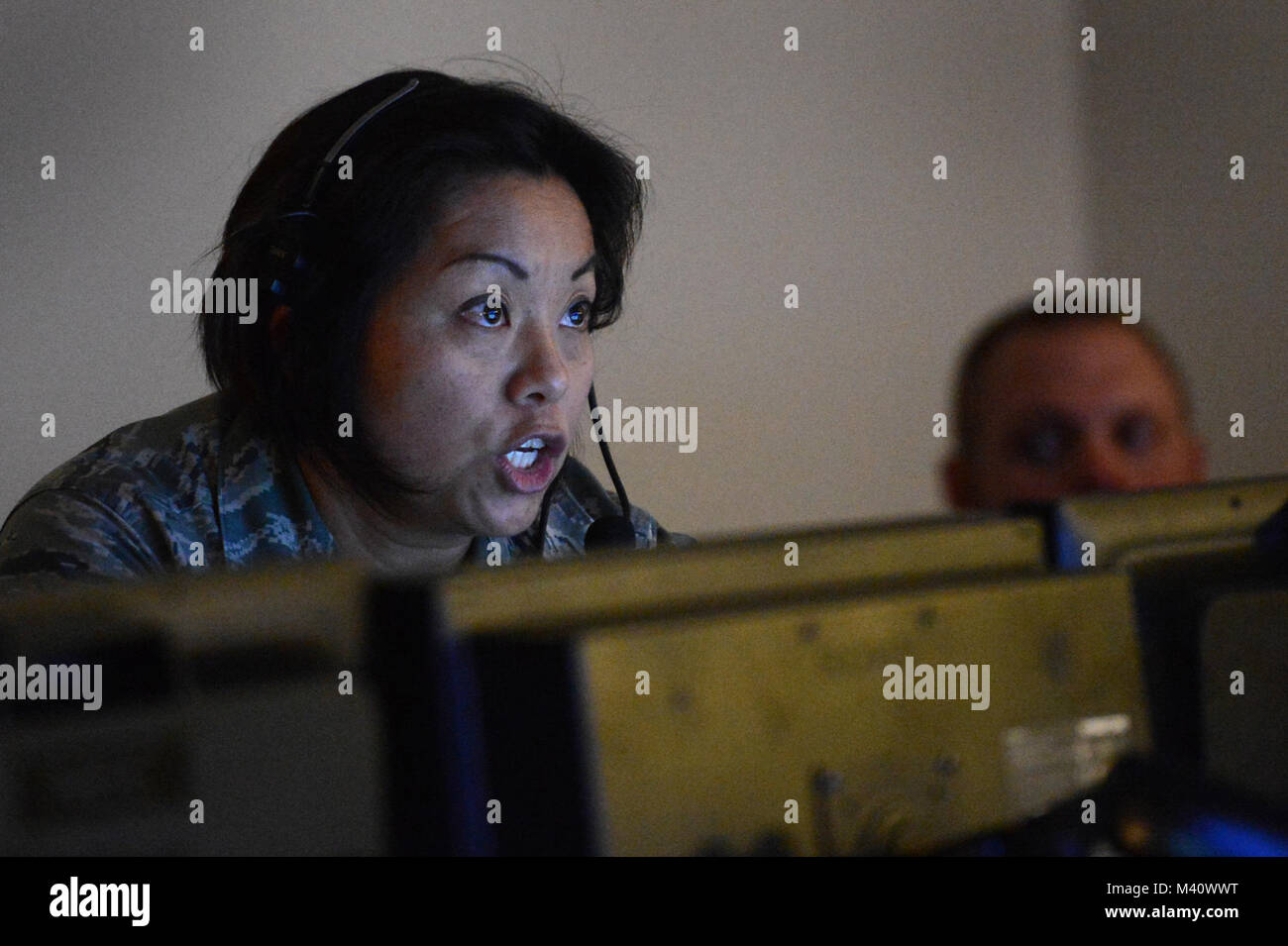
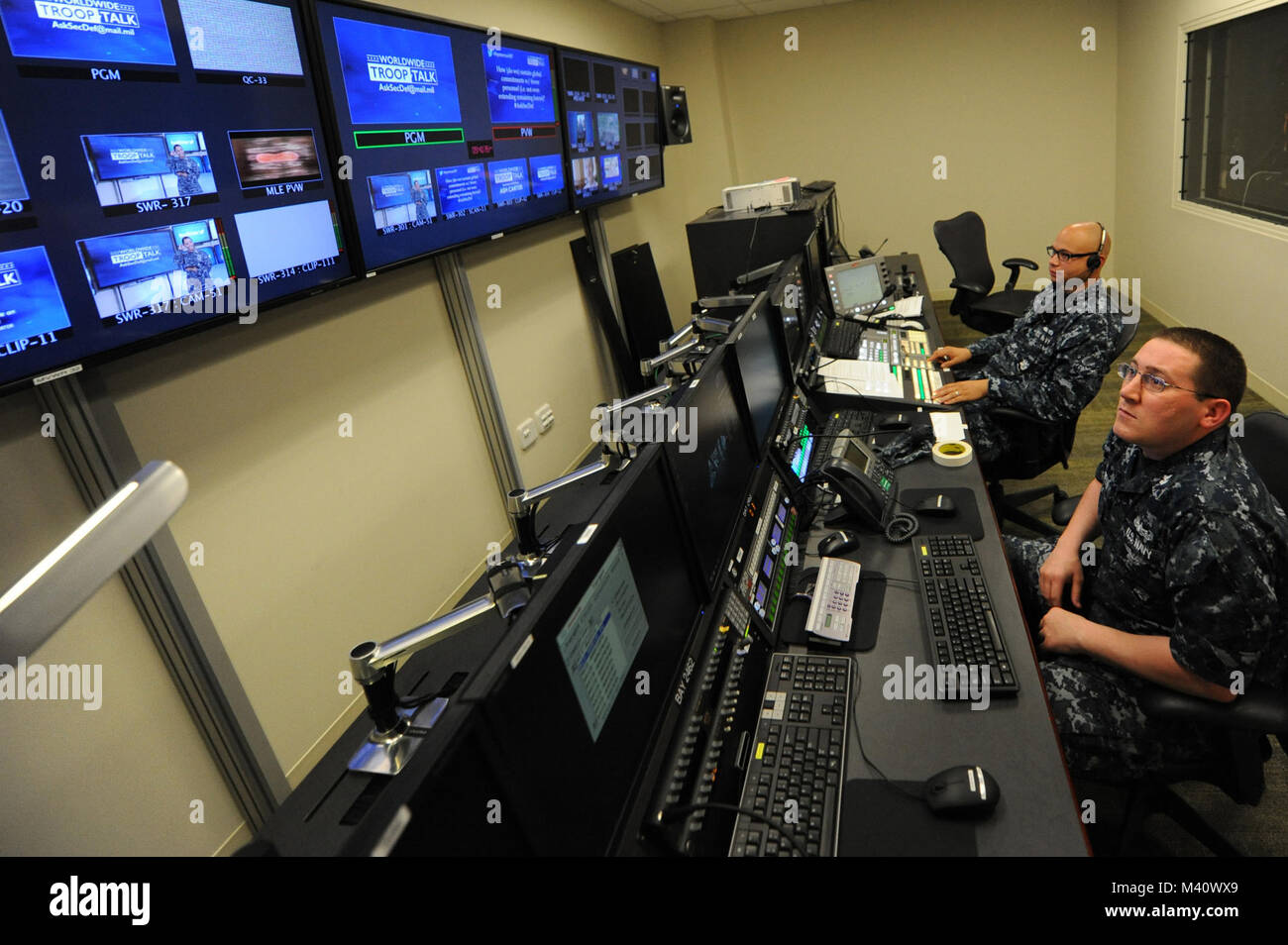
The Defense Media Activity (DMA) Media Hub at Fort George G. Meade, Maryland, serves as the central operational nerve center for United States Department of Defense (DoD) media distribution, broadcasting, and public affairs technical infrastructure. It consolidates global military communications—including the Defense Visual Information Distribution Service (DVIDS), the American Forces Network (AFN), Defense.gov publishing, and federal imagery archives—into a unified broadcast and digital asset enterprise.
Contents
Overview of the DMA Fort Meade Media Hub
The Defense Media Activity HQ facility at Fort Meade was constructed following the 2005 Base Realignment and Closure (BRAC) directive, which mandated the integration of disparate military service media elements into a single joint organization. Formally established as a DoD Field Activity under the authority of the Assistant Secretary of Defense for Public Affairs, DMA centralizes public affairs technology, military broadcasting, and visual information distribution across the Army, Navy, Air Force, Marine Corps, Space Force, and Coast Guard.
Located in Anne Arundel County, Maryland, the state-of-the-art facility occupies a purpose-built complex designed for high-density broadcast engineering, secure data processing, satellite transmission, and joint media production. The hub acts as both a physical production site and a digital distribution node, ensuring that operational media, news reporting, and strategic defense messages flow seamlessly to service members overseas, domestic news agencies, and global audiences.
- DoD / Office of the Secretary of Defense
- Defense Media Activity (DMA HQ - Fort Meade)
- DVIDS Distribution
- AFN Broadcast Ops
- DoD Enterprise Web Publishing
- DIMOC Visual Arch
- Defense Media Activity (DMA HQ - Fort Meade)
While the Defense Information School (DINFOS) operates as a separate training facility on Fort Meade, the DMA Media Hub works in tandem with DINFOS, offering real-world infrastructure where newly trained public affairs specialists, mass communication specialists, and combat camera personnel eventually interface with operational workflows.
Core Media Components and Operations Hosted at Fort Meade
The DMA Fort Meade hub encompasses several distinct operational components, each fulfilling a vital role in military communications, imagery management, and news dissemination.
- Field Operations & PA Units (Combat Camera, Ships, Forward Bases)
- Raw Media Ingestion (Satellite/IP)
- DMA Fort Meade Hub
- OPSEC & Security Verification
- Metadata & VIRIN Standardization
- Master Control Engineering
- Global Public Outlets (Press, News Agencies, DVIDS Public Portal)
- Internal Military (AFN Overseas Outlets, DoD Enterprise Portals)
- DMA Fort Meade Hub
- Raw Media Ingestion (Satellite/IP)
1. Defense Visual Information Distribution Service (DVIDS)
DVIDS operates as the primary clearinghouse for real-time military tactical, operational, and humanitarian coverage. The Fort Meade hub acts as the core network routing center for DVIDS feeds coming from deployed public affairs units, combat camera teams, naval vessels, and garrison bases worldwide.
DVIDS enables commercial news agencies to access high-definition video, print stories, webcasts, and high-resolution photography. The system provides live satellite downlinks and web-based broadcast distribution, allowing news outlets to cover military operations without placing reporters in direct combat environments.
2. American Forces Network (AFN) Broadcast Operations
The American Forces Network (AFN) delivers American radio and television programming, specialized command information, and news to U.S. service members, DoD civilians, and their families stationed outside the continental United States.
The Fort Meade hub houses the centralized technology stack, satellite uplinks, and master control engineering for AFN. While satellite downlinks and local programming occur at regional affiliates across Europe, the Pacific, and the Middle East, the master program feeds, rights-management clearance, and central switching rely on the infrastructure operated out of Fort Meade.
3. DoD Enterprise Web (DEW) and Digital Media Publishing
The Fort Meade Media Hub hosts the engineering infrastructure and content administration teams responsible for Defense.gov, the official website of the U.S. Department of Defense. Additionally, the hub manages hosting environments, cybersecurity protocols, and content management systems (CMS) for hundreds of military unit websites across the armed forces.
By centralizing website infrastructure, DMA standardizes security compliance under DoD Information Assurance guidelines, ensuring military websites remain resilient against cyber threats while adhering to accessibility standards (Section 508 compliance).
4. Defense Imagery Management Operations Center (DIMOC)
DIMOC functions as the strategic visual information archive for the Department of Defense. Operating out of the DMA enterprise architecture, DIMOC ingests, curates, indexes, and preserves visual media depicting U.S. military operations, training exercises, and historical events.
Visual media passing through the Fort Meade hub is tagged with standardized Visual Information Identification Numbers (VIRIN), embedded with detailed metadata, and ingested into long-term digital preservation repositories accessible to national archives, researchers, and military historians.
Technical Infrastructure and Network Capabilities
Operating a global media network requires an enterprise architecture capable of high-throughput video processing, redundant transmission, and strict cyber defense. The DMA Fort Meade Media Hub utilizes several specialized technical frameworks:
- Satellite and IP Hybrid Ingestion: The hub maintains dedicated C-band and Ku-band satellite downlink stations, paired with high-bandwidth, redundant fiber-optic connections. This dual path allows low-latency reception of live satellite feeds from deployed Portable Earth Terminals (PETs) and high-speed IP transmission over secure military networks.
- High-Definition Master Control Studios: Fort Meade houses multi-camera television studios, digital audio production suites, and non-linear editing (NLE) environments connected via high-speed Storage Area Networks (SAN). These facilities support live press briefings, senior leadership announcements, and original program creation.
- DoD Cyber Compliance and Data Security: All content routing, storage, and web hosting platforms operate under strict DoD Security Technical Implementation Guides (STIGs) and Risk Management Framework (RMF) certifications. Media pipeline networks are logically isolated to prevent unauthorized access while enabling public content dissemination.
- Metadata Encoders and Automation: Incoming visual assets are automatically parsed through encoding hardware that validates file integrity, strips restricted operational metadata, and enforces standardized IPTC/EXIF headers containing unit identification, location tags, and VIRIN cataloging codes.
System Access, User Roles, and Resource Matrix
Access to the capabilities of the DMA Fort Meade Media Hub depends on user credentials, operational roles, and media requirements. The table below outlines how different user groups interact with the hub's systems.
| Component / Platform | Primary Target Audience | Access Requirements & Authentication | Operational Function | Primary Output / Asset Type |
|---|---|---|---|---|
| DVIDS Media Portal | Commercial Journalists, Broadcasters, General Public | Public web access for downloads; Media Account registration required for high-res assets & live alerts | Real-time distribution of military news, b-roll, photos, and interview feeds | 1080p/4K Video B-Roll, High-Res Photos, Press Releases, Audio Clips |
| DVIDS Direct Upload | Military Public Affairs Officers (PAOs), Combat Camera | Common Access Card (CAC) / PKI Certificate & Verified Unit Assignment | Secure ingest of operational imagery and news from military units to Fort Meade | Raw Video, Edited Clips, Metadata-Tagged Imagery, Live Stream Feeds |
| AFN Broadcast Channels | Deployed & Overseas Military Personnel & Families | Authorized DoD Personnel overseas; AFN Satellite Decoder or AFN Go App | Delivery of US television, radio, and command information content overseas | Linear Television, Satellite Radio, Streaming Mobile Audio/Video |
| DoD Enterprise Web (DEW) | Web Managers, Service Public Affairs Teams | CAC Authentication, Enterprise CMS Account, Cyber Awareness Training | Centralized publishing of official branch and base websites | Official Base Websites, Press Advisories, Leadership Speeches |
| DIMOC Visual Archive | Researchers, Historians, Military Archivists, Media | Open public search for released imagery; Archives request portal for legacy materials | Historical research, permanent asset archiving, and copyright status verification | Historical Photos, Archived Combat Footage, Documented Military Art |
Compliance, Operational Security (OPSEC), and Copyright Rules
Media handled by the DMA Fort Meade Media Hub must strictly comply with federal laws, Department of Defense directives, and operational security requirements prior to public release.
Operational Security (OPSEC) and Public Release Clearance
Before any photo, video, or article is ingested into DVIDS or broadcast over public networks via Fort Meade, it must pass through an official public release clearing process. Public Affairs Officers (PAOs) or authorized command representatives must evaluate media assets for:
- OPSEC Vulnerabilities: Ensuring tactical locations, troop movements, sensitive technology, unannounced deployment schedules, or classified equipment are not visible or described.
- Privacy and PII: Protecting Personally Identifiable Information, medical status (HIPAA), and casualties prior to official Next-of-Kin notification.
- Visual Information Identification Number (VIRIN) Rules: Assigning standard 15-digit VIRIN codes (e.g.,
260330-A-AB123-001) that encode the date, service branch, photographer ID, and sequence number for trackable archiving.
Copyright and Commercial Usage Rules
Under United States copyright law (17 U.S.C. § 105), works created by U.S. military personnel and federal government employees as part of their official duties are generally in the public domain. Consequently, media distributed by DMA through DVIDS is typically available for commercial and non-commercial news coverage without royalty fees.
However, key restrictions remain:
- Endorsement Limits: DoD media cannot be used to imply military endorsement of commercial products, political candidates, or private services.
- Rights and Clearance: Media featuring third-party copyrighted material (such as background music or private trademarks captured in footage) may require separate licensing.
- Trademark Restrictions: Military branch emblems, seals, and insignia remain protected military trademarks and cannot be repurposed without written authorization from the respective service trademark licensing offices.
How to Work with the DMA Fort Meade Hub: Workflow Guides
For Public Affairs Personnel Submitting Media
Military PAOs and visual communication specialists uploading content to the DMA hub follow a standardized workflow:
- Capture & Metadata Ingestion: Capture visual assets and embed required metadata fields using approved software, ensuring accurate VIRIN formatting and complete caption details (who, what, when, where, why).
- Command & OPSEC Review: Conduct mandatory unit-level public release clearance. Verify that no classified details or OPSEC breaches exist within the media.
- Upload via DVIDS Hub: Log into DVIDS using CAC credentials. Transmit high-resolution files via IP upload or portable satellite terminal directly to the Fort Meade servers.
- Verification & Cataloging: DMA network operations personnel at Fort Meade review incoming transfers for system compliance, technical audio/video standards, and metadata completeness before pushing assets live to global distributions.
PAO / Field Unit Workflow:
- Asset Capture: Embed IPTC Metadata & Format VIRIN Code
- OPSEC Review: Obtain Unit Public Release Clearance
- Portal Upload: Transmit File via CAC-Authenticated DVIDS Network
- DMA Hub Inspection: Fort Meade Technical Validation & Global Dissemination
For Commercial Journalists and Media Outlets
News organizations seeking to utilize content produced by the Department of Defense should take the following steps:
- Create a DVIDS Account: Register for a free broadcast/journalist account on the DVIDS Web Portal.
- Set Up Customized Alerts: Configure subscription filters based on specific units, geographical regions, service branches, or operational keywords (e.g., "NATO Exercise," "Navy Pacific Fleet").
- Request High-Resolution Assets: Download original broadcast-quality video files (ProRes, H.264 MP4), uncompressed high-resolution images, or full text transcriptions.
- Coordinate Live Video Ingest: For breaking news or live press conferences broadcast from the DMA facility or field nodes, request satellite coordinates or direct IP stream keys via the DVIDS 24/7 Operations Desk.
Troubleshooting Access and Common Operational Challenges
1. DVIDS Account Approval Delays
- Issue: Commercial journalists or news stations experiencing extended pending statuses when registering for high-resolution download privileges.
- Solution: Ensure the registration form includes a verifiable news organization email address, published portfolio links, or press credentials. Submissions from personal webmail accounts (e.g., Gmail, Yahoo) undergo manual verification, which increases processing time.
2. CAC/PKI Authentication Errors on Defense Portals
- Issue: Military personnel receiving SSL/TLS handshake failures or "Access Denied" screens when attempting to log into DMA enterprise portals.
- Solution: Clear browser SSL caches, verify that current DoD Root Certificates are installed in the local trust store, and confirm that the correct identity card certificate (Authentication vs. Identity) is selected during prompt navigation.
3. Media Operational Holds and Delayed Downloads
- Issue: Broadcasters waiting for video coverage of an event that has already concluded, but assets remain absent from the public portal.
- Solution: Content undergoing active Operational Security (OPSEC) re-assessment, Next-of-Kin casualty holds, or foreign disclosure clearance will remain locked in Fort Meade staging buffers until formal clearance sign-off is logged in the system.
Frequently Asked Questions
Is content downloaded from the DMA Fort Meade Media Hub free to use?
Yes. Media produced by U.S. military personnel acting in an official capacity is generally in the public domain and available without licensing fees. However, media outlets must provide proper attribution (e.g., "U.S. Navy photo by Mass Communication Specialist 1st Class John Doe") and may not use imagery to imply military endorsement of commercial products or political causes.
What is the difference between DINFOS and the DMA Media Hub at Fort Meade?
The Defense Information School (DINFOS) is an educational institution located at Fort Meade that trains military service members and international partners in public affairs, journalism, broadcasting, and visual information. The DMA Media Hub is the operational enterprise facility that hosts the technical architecture, global broadcast systems (AFN), web hosting infrastructure, and distribution networks (DVIDS) used by operational units across the military.
How do international media organizations access AFN or DoD broadcast signals?
AFN broadcasts are encrypted and restricted to authorized U.S. military personnel, DoD civilians, and overseas bases due to commercial television program licensing agreements. However, non-copyrighted military news, official press briefings, and operational b-roll distributed by DMA are accessible worldwide via the DVIDS portal.
Who oversees operational security (OPSEC) clearance for media passing through Fort Meade?
Operational security reviews originate with the releasing unit's Public Affairs Officer (PAO) or designated commander. Technical staff and operational managers at the DMA Fort Meade hub perform secondary technical checks to confirm metadata standards and administrative compliance, but primary release authority remains with the origin unit or higher headquarters.
How can academic researchers request historical military footage from DMA archives?
Current operational footage is retrievable directly via DVIDS. For legacy or historical visual information that has been offloaded from active servers, researchers should submit requests to the Defense Imagery Management Operations Center (DIMOC) or query the National Archives and Records Administration (NARA), which receives permanent transfers of historical DoD visual records.
Next Steps for Public Affairs Units and Media Professionals
Organizations seeking to interface efficiently with the DMA Fort Meade Media Hub should align their technical and administrative processes with established DoD standards:
- For Military Public Affairs Units: Confirm that field transmission hardware is pre-configured with active DVIDS credentials and updated software profiles. Review standard operating procedures for metadata captioning and VIRIN generation before deployment.
- For Newsrooms and Journalists: Establish an authenticated DVIDS newsroom account to receive live notifications and access uncompressed broadcast files. Bookmark the official DVIDS Operations Contact Desk for rapid coordination during major defense developments.
- For Historians and Researchers: Utilize the DIMOC visual search portals for official historical inquiries, ensuring search queries reference standard military units, operation names, or specific calendar ranges for efficient record retrieval.
Image Gallery