The Evolution and Engineering of Power Tower at Cedar Point
Power Tower at Cedar Point is a landmark vertical drop amusement ride that lifts passengers 240 feet into the air before plunging them down or launching them upward at speeds reaching 50 miles per hour, offering iconic views of Lake Er...
Power Tower at Cedar Point is a landmark vertical drop amusement ride that lifts passengers 240 feet into the air before plunging them down or launching them upward at speeds reaching 50 miles per hour, offering iconic views of Lake Erie and the park's peninsula.
Contents
Introduction to Cedar Point’s Vertical Drop Legend
Amusement park engineering has long sought to capture the visceral thrill of freefall, translating it from dangerous rooftop realities into safe, controlled entertainment environments. Located in Sandusky, Ohio, Cedar Point—historically styled as "America's Roller Coast"—hosts a massive collection of steel and wooden marvels. Among them, Power Tower occupies a unique structural footprint on the park’s historic midway near the beach, serving as a towering visual beacon.
To resolve any potential ambiguity regarding drop tower rides at the park: while Cedar Point features several high-velocity and height-defying attractions across its peninsula, Power Tower is the park's premier pneumatic drop and launch tower complex. Originally opened in 1998, this multi-columned structure has remained a dominant feature of the skyline for decades. Understanding its engineering, operational mechanics, safety protocols, and visitor requirements provides deep insight into how modern amusement parks manage high-altitude thrills.
Historical Context and Development of Power Tower
The late 1990s represented a period of intense competition among amusement parks worldwide to break height and speed records. S&S Power (now S&S - Sansei Technologies), a manufacturing firm renowned for developing compressed-air pneumatic launch and drop systems, designed Power Tower to meet Cedar Point's demand for a high-capacity, high-visibility attraction that could deliver intense vertical experiences.
Construction and Engineering Milestones
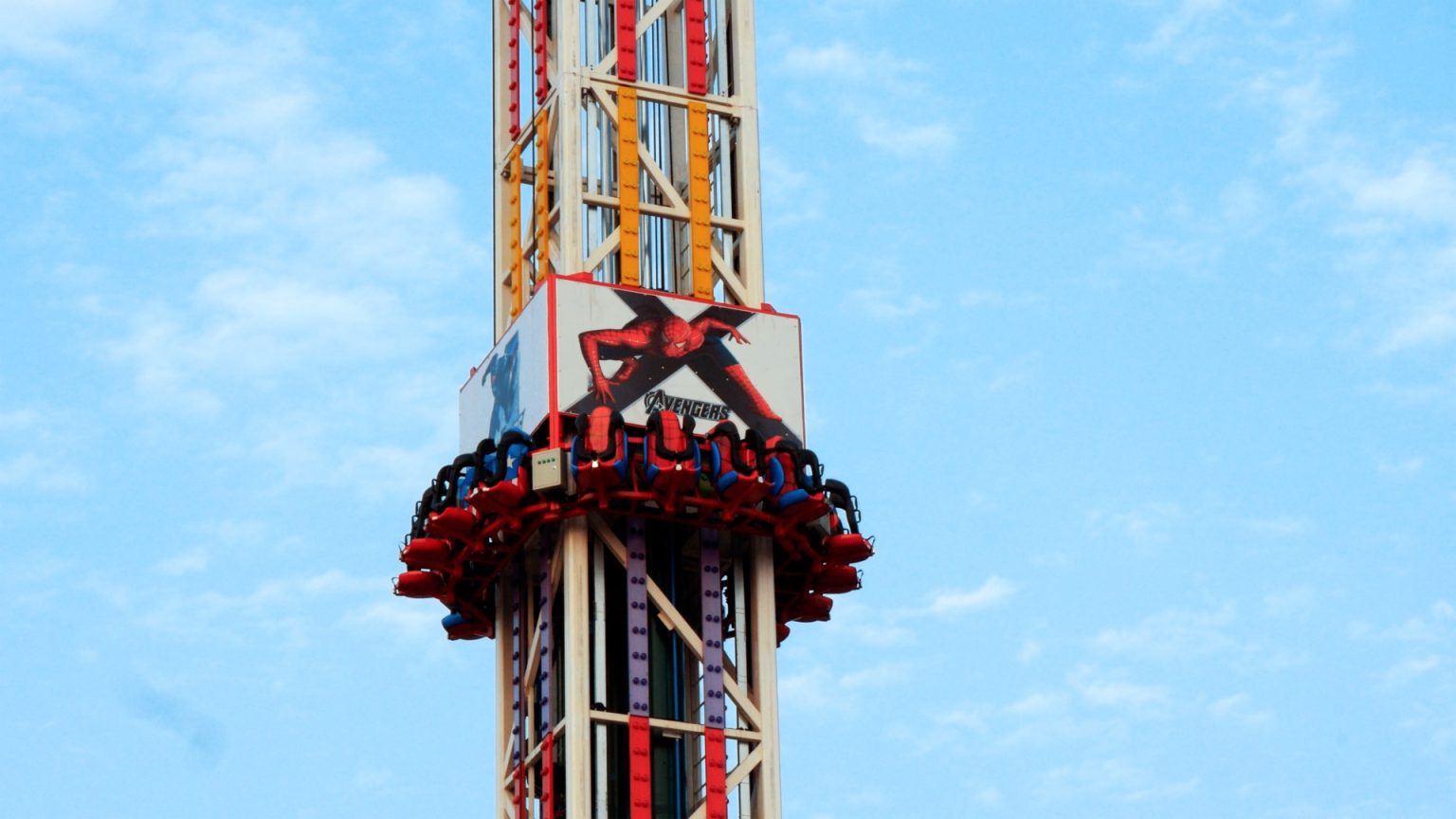
When construction concluded in the spring of 1998, Power Tower stood out not only for its towering stature of 240 feet (approximately 73 meters) but also for its distinctive modular layout. Unlike single-column drop towers, Power Tower was constructed with four distinct vertical columns arranged in a square footprint, allowing for high throughput of riders.
Two of the columns are dedicated solely to dropping passengers from the summit after a slow, suspenseful ascent, while the other two columns shoot passengers upward from the ground before allowing them to bounce back down. This dual-mode configuration transformed how parks could utilize vertical real estate, combining launch dynamics with traditional gravity drops in one unified installation.
Technical Specifications and Ride Mechanics
Operating an attraction of this magnitude requires sophisticated pneumatic systems, heavy-duty steel framing, and rigorous daily maintenance. The mechanical design of Power Tower relies heavily on compressed air rather than traditional winch-and-cable systems found in older generation drop rides, allowing for rapid response times and smooth deceleration curves.
Pneumatic Power vs. Traditional Drops
The core infrastructure of Power Tower utilizes high-pressure pneumatic cylinders to control the movement of the ride cars.
- The Ascent Phase (Drop Towers): Passengers are strapped into open-air seating configurations and hoisted slowly up the 240-foot lattice tower. This slow ascent maximizes psychological anticipation, allowing riders to view the entirety of Cedar Point, Lake Erie, and the surrounding peninsula.
- The Launch Phase (Shot Towers): Conversely, the alternate columns place riders at the base of the tower before using compressed air reservoirs to propel the vehicle upward at rapid velocities, simulating the G-forces of a reverse freefall.
- The Brake Run and Deceleration: As cars approach the end of their descent or ascent, magnetic eddy current brakes and pneumatic buffers engage. These systems ensure a smooth, controlled stop without relying exclusively on mechanical friction pads, minimizing wear and tear while maximizing safety reliability.
Key Technical Overview Table
| Feature Category | Specification / Detail |
|---|---|
| Manufacturer | S&S Worldwide (S&S Power) |
| Opening Year | 1998 |
| Height | 240 feet (73 meters) |
| Max Speed | Approximately 50 mph (80 km/h) |
| Ride Configurations | 2 Drop towers (down) / 2 Shot towers (up) |
| Restraint System | Over-the-shoulder harness with secure interlock seatbelt |
| Location | Main Midway, near the beach and Cedar Point's historic entrance |
Passenger Experience and Sensory Dynamics
Riding Power Tower delivers distinct physiological sensations depending on whether a guest chooses a drop or a launch column. Understanding these forces helps visitors prepare for the intensity of the ride.
The Psychology of Anticipation
As the ride vehicle locks into place and ascends the tower, riders experience progressive sensory isolation. The ambient noise of the midway fades away, replaced by the wind coming off Lake Erie and the mechanical hum of the pneumatic systems. Once the vehicle reaches the peak of the 240-foot drop towers, it holds patrons suspended for several seconds. This intentional pause heightens adrenaline levels before the computerized release mechanism triggers an unpowered drop.
Airtime and G-Forces
During the drop sequence, riders experience moments of near-zero gravity (float time) as the car accelerates downward at the rate of gravity, followed by strong positive G-forces as the pneumatic and magnetic brakes engage at the base. In the launch configuration, the initial upward thrust pushes riders firmly back into their seats, followed by weightlessness at the apex before oscillating back down to the ground.
Safety Protocols, Requirements, and Operational Guidelines
Safety is the paramount concern for amusement park operators managing extreme rides. Cedar Point enforces strict operational policies governed by state inspectors, manufacturer guidelines, and internal safety standards to ensure every guest has a secure experience.
Guest Access and Physical Requirements
Before waiting in line, guests must verify that they meet the specific height and physical requirements mandated for Power Tower:
- Height Restrictions: Typically, guests must meet specific minimum height requirements (usually 48 inches) to ride safely, as over-the-shoulder restraints must fit snugly against the rider's body.
- Restraint Checks: Ride operators conduct double-checks on every individual lap bar and over-the-shoulder harness. Sensors tied to a central console prevent the ride from cycling if any restraint is improperly secured.
- Loose Articles Policy: Due to the extreme height and velocity of the ride, loose articles—including phones, hats, cameras, and loose keys—are strictly prohibited on board. Guests must utilize lockers or leave items with non-riding companions.
Weather and Operational Limitations
Because Power Tower is an exposed open-air structure reaching 240 feet into the air, it is sensitive to environmental conditions. High winds, thunderstorms, and lightning in the immediate vicinity of the Sandusky peninsula will prompt temporary ride closures until weather patterns clear. Visitors should monitor park operations via the official Cedar Point app for real-time queue status and weather updates.
Comparing Power Tower to Modern Thrill Rides
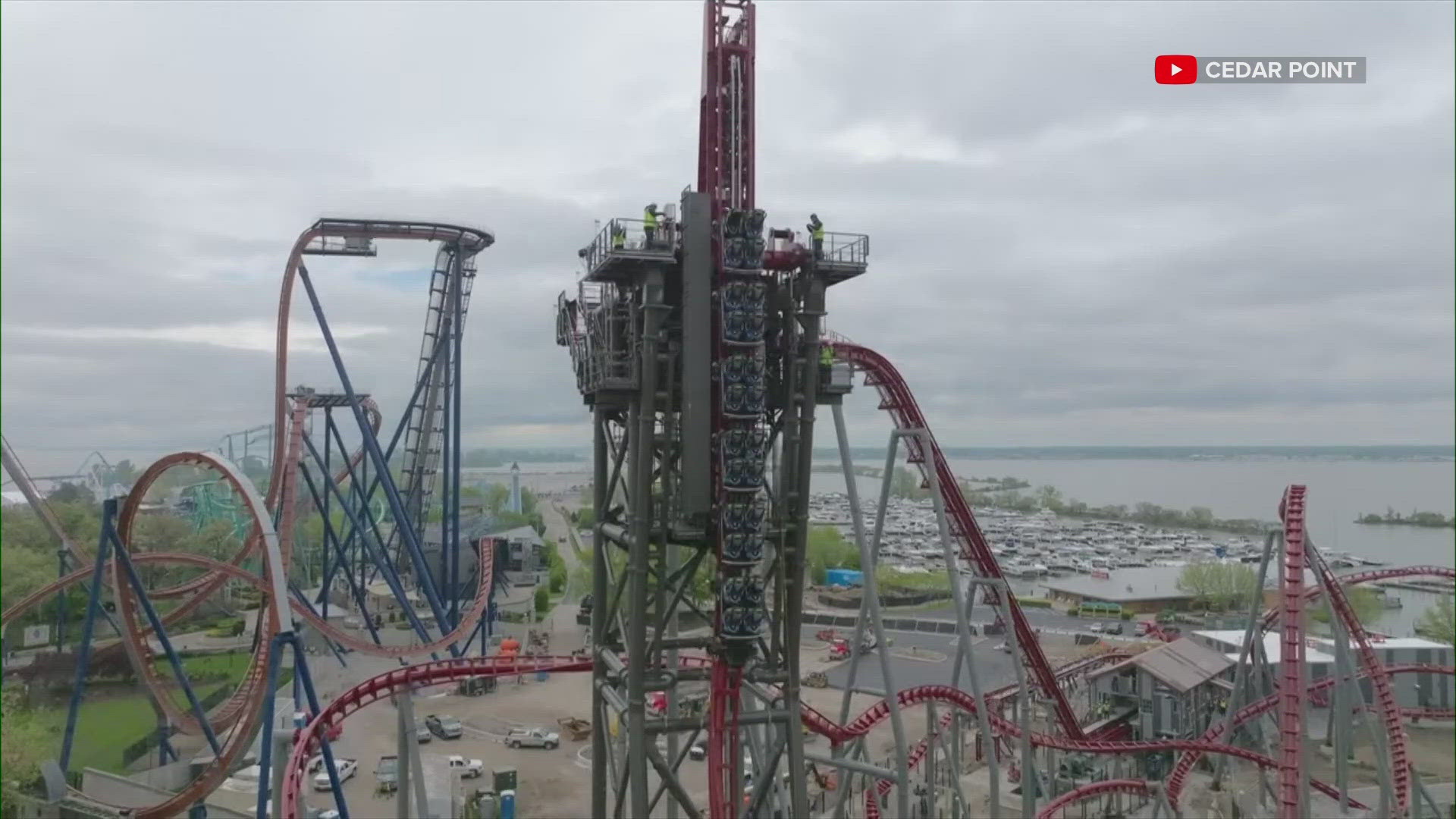
In the decades since Power Tower opened, Cedar Point has continued to push the boundaries of amusement park engineering with world-class roller coasters like Millennium Force, Steel Vengeance, and Top Thrill 2. However, Power Tower retains a distinct niche that traditional coasters do not occupy.
Unlike roller coasters, which feature sustained lateral and vertical transitions over long tracks, drop towers concentrate their entire thrill profile into a pure vertical axis. This makes Power Tower a unique psychological challenge for visitors seeking pure, unfiltered acceleration and height without complex track inversions. Its location on the midway also makes it an accessible, high-capacity classic that continues to draw generations of park-goers.
Frequently Asked Questions
How tall is Power Tower at Cedar Point?
Power Tower stands at a height of 240 feet (73 meters). From the top, riders have panoramic views of the Cedar Point peninsula, Lake Erie, and surrounding roller coasters, though most riders are focused on the impending drop or launch.
Does Power Tower drop you down or shoot you up?
It does both, but on separate columns. Power Tower features four total towers: two operate as drop towers that hoist you to the top and release you downward, while the other two operate as shot towers that launch you upward from the ground.
Are there strict height or physical requirements to ride?
Yes. Guests must meet the park's designated height minimum (typically 48 inches) and fit comfortably within the over-the-shoulder safety restraints. Operators check each restraint manually and via electronic sensor panels before dispatching any car.
What happens if it starts raining or gets windy?
Like all tall outdoor structures at Cedar Point, Power Tower will temporarily close if high winds, heavy rain, or lightning storms move into the Sandusky area. Operations resume once safety verification checks are completed after weather clears.
Where is Power Tower located inside the park?
Power Tower is centrally located along the main midway near the beach area, making it easily accessible shortly after entering the park through the historic front gates.
Practical Next Steps for Visitors
If you are planning a trip to experience Power Tower and Cedar Point's broader collection of attractions, preparation is key to maximizing your day. Review the park's current operating calendar, purchase tickets and admission bundles online in advance, and download the official Cedar Point mobile app to monitor wait times and weather delays. Ensure you review the rider safety guidelines at the entrance of the queue line to guarantee a seamless, thrilling experience on one of the park's most iconic vertical milestones.
Image Gallery