Barbara Bush's Father's Net Worth: A Comprehensive Financial Profile of George W. Bush
As of 2026, the estimated net worth of George W. Bush, the father of Barbara Pierce Bush, is approximately $50 million. This fortune is the result of a multi-decade career spanning the Texas oil industry, professional sports ownership,...
As of 2026, the estimated net worth of George W. Bush, the father of Barbara Pierce Bush, is approximately $50 million. This fortune is the result of a multi-decade career spanning the Texas oil industry, professional sports ownership, and a highly lucrative post-presidency characterized by best-selling memoirs and high-fee speaking engagements.
Contents
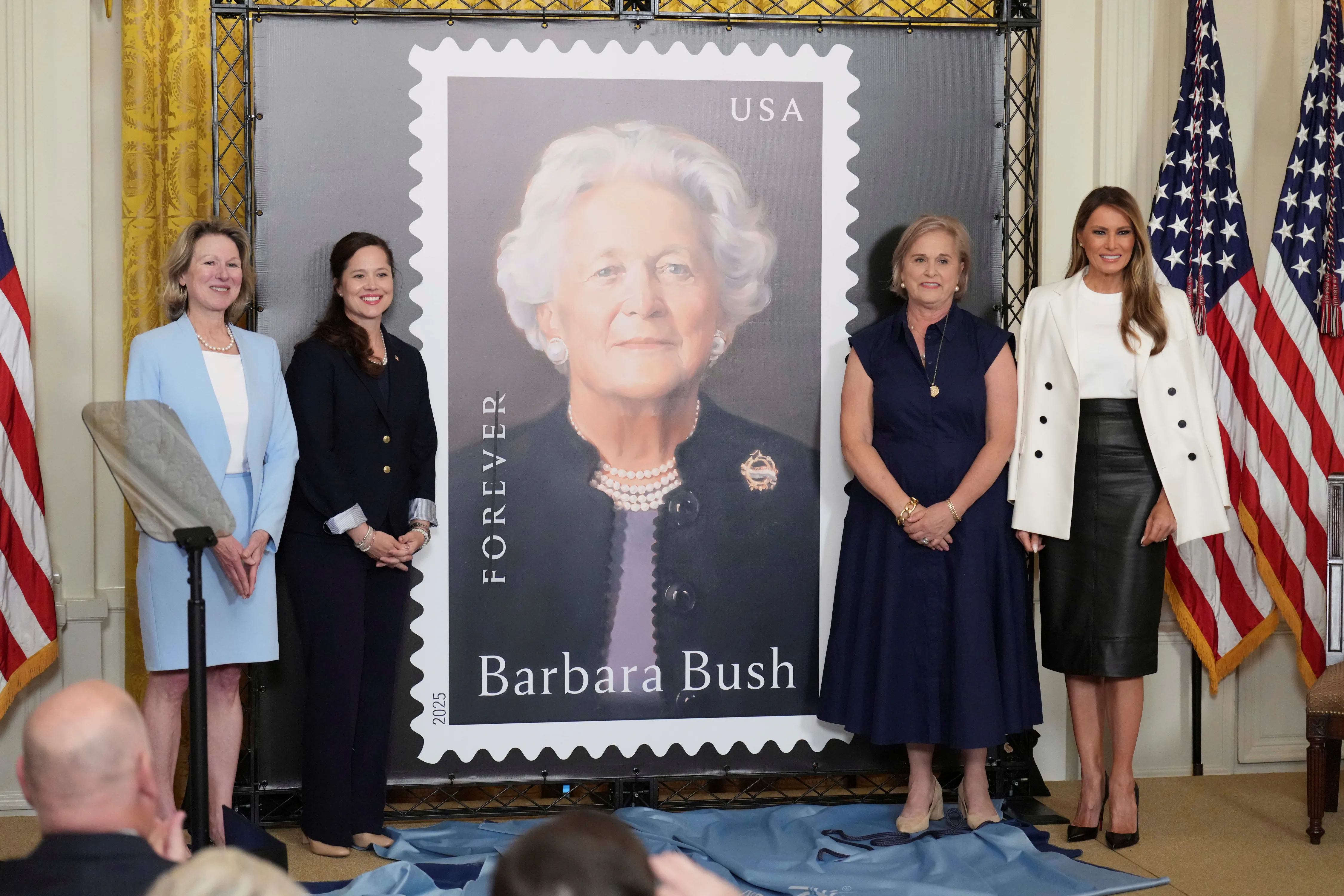
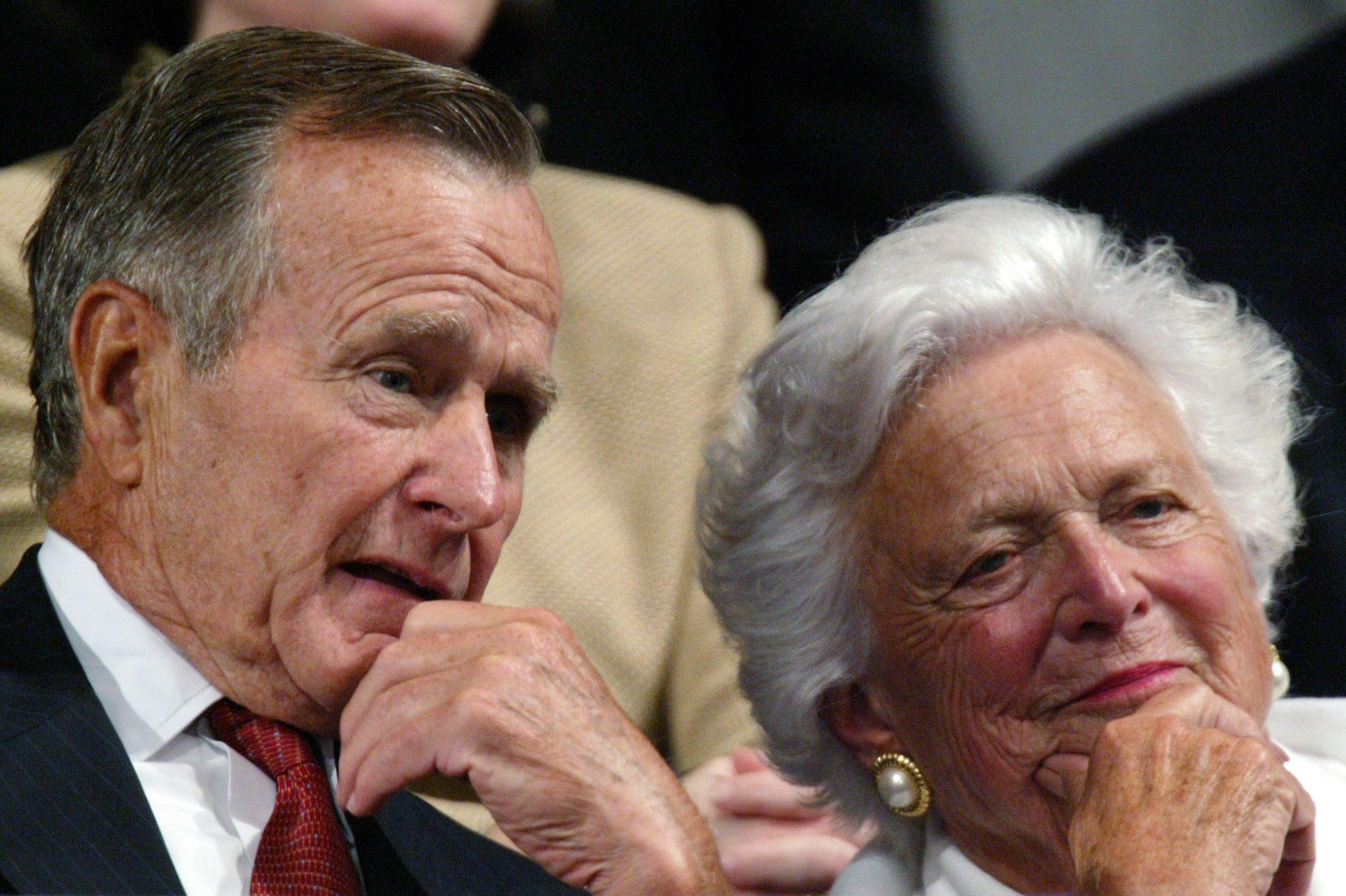
When discussing the search term "Barbara Bush's father's net worth," it is essential to distinguish between the two prominent women of the same name within the Bush family. The first is the late Barbara Bush (1925–2018), wife of the 41st President; her father was Marvin Pierce, the successful president of McCall Corporation. The second is her granddaughter, Barbara Pierce Bush (born 1981), whose father is the 43rd President, George W. Bush. Given the modern interest in presidential finances and the younger Barbara's public profile, this analysis focuses primarily on the wealth of George W. Bush, while providing historical context on the Pierce family estate.
The Disambiguation of the Bush and Pierce Legacies
To understand the financial standing of "Barbara Bush's father," one must look at two distinct eras of American business. Marvin Pierce, father of the former First Lady, was a titan of the mid-20th-century publishing industry. As the head of the McCall Corporation, which published McCall's and Redbook, Pierce enjoyed a level of wealth that placed his family firmly within the upper echelon of New England society. While specific dollar amounts for Pierce’s net worth were not publicly disclosed in the same manner as modern politicians, his estate provided the foundation for the Pierce-Bush social standing.
However, the primary subject of contemporary financial inquiry is George W. Bush. Unlike many of his predecessors, Bush entered the presidency already a wealthy man, primarily due to a singular, highly successful business transaction involving Major League Baseball. His wealth has continued to grow in the years since leaving the White House in 2009 through a disciplined approach to asset management and intellectual property.
Early Business Ventures: The Oil Industry Roots
George W. Bush’s financial journey began in the West Texas oil fields. After graduating from Harvard Business School in 1975, he moved to Midland, Texas, to establish his own oil exploration firm, Arbusto Energy.
The Arbusto and Spectrum 7 Era
Arbusto (Spanish for "bush") was funded through investments from family friends and associates. While the firm faced significant challenges during the energy price fluctuations of the late 1970s and early 1980s, it provided Bush with essential experience in capital raising and corporate management. Arbusto eventually merged with Spectrum 7 Energy Corp, where Bush served as CEO.
The Harken Energy Transition
In 1986, Spectrum 7 was acquired by Harken Energy. This transition was a pivotal moment for Bush's net worth. As part of the acquisition, he received Harken stock and a consulting position. In 1990, just months before Iraq invaded Kuwait, Bush sold a significant portion of his Harken shares for approximately $848,000. This liquidity was crucial, as it provided the capital necessary for his most successful investment: the Texas Rangers.
The Texas Rangers: The Foundation of the Bush Fortune
If there is one single event that defines George W. Bush’s financial independence, it is his involvement with the Texas Rangers baseball team. In 1989, Bush organized a group of investors to purchase the team for $89 million. His personal investment was relatively small—approximately $600,000—much of which was financed through a loan.
The Stadium Deal and Value Appreciation
Bush’s role as the "managing general partner" was more about public relations and civic leadership than day-to-day operations. He was instrumental in securing a deal for a new stadium, the Ballpark in Arlington, which was funded through a combination of private investment and a local sales tax increase. This modern facility drastically increased the team's revenue and overall valuation.
The 1998 Sale
When the team was sold in 1998 to Tom Hicks for $250 million, Bush’s 1.8% stake was significantly boosted by a "success fee" or equity kicker agreed upon at the start of the venture. As a result, he received nearly $15 million from the sale. This 2,400% return on investment transformed his net worth from "comfortable" to "wealthy" and provided the financial security needed to pursue the presidency without external financial pressures.
Post-Presidential Earnings: 2009 to 2026
Since leaving office in 2009, George W. Bush has followed a financial trajectory common to modern former presidents, focusing on speaking engagements and publishing.
The Lucrative Speaking Circuit
George W. Bush remains one of the most sought-after speakers on the global circuit. While his frequency of appearances has leveled off by 2026, he spent over a decade commanding fees between $100,000 and $175,000 per speech. These events, often hosted by trade associations, financial institutions, and international forums, have contributed tens of millions of dollars to his gross income.
Literary Success and Royalties
His memoir, Decision Points, published in 2010, was a massive commercial success, selling over 4 million copies. Industry estimates suggest his advance and subsequent royalties for this book alone exceeded $7 million. He followed this with 41, a biography of his father, and Out of Many, One, a collection of his paintings and stories of immigrants, both of which performed well in the market.
Presidential Pension and Benefits
Under the Former Presidents Act, Bush receives an annual pension that is indexed to the salary of current Cabinet secretaries. In 2026, this amount is approximately $246,000 per year. Additionally, the federal government provides funding for office space, staff, and travel expenses related to his status as a former head of state, which significantly reduces his personal overhead.
Real Estate and Asset Holdings
The Bush family’s net worth is also tied to significant real estate holdings in Texas. These assets have appreciated steadily over the last two decades.
- Prairie Chapel Ranch (Crawford, Texas): Known as the "Western White House" during his presidency, this 1,583-acre estate serves as the family's primary retreat. The property includes a sustainable, eco-friendly main house and several guest houses. Its value is estimated in the high single-digit millions, though its historical significance adds intangible value.
- The Dallas Residence: Following his presidency, Bush and his wife Laura purchased a home in the Preston Hollow neighborhood of Dallas. This area is one of the wealthiest enclaves in Texas. Given the appreciation of the Dallas luxury real estate market between 2010 and 2026, the home is a multi-million dollar asset.
| Asset Category | Estimated Value / Contribution | Primary Source |
|---|---|---|
| Direct Investments | $15M - $20M | Texas Rangers Sale proceeds, diversified portfolio |
| Real Estate | $10M - $12M | Dallas home, Crawford Ranch |
| Intellectual Property | $10M - $15M | Book royalties (Decision Points, etc.) |
| Speaking & Pension | $5M - $8M | Accumulated fees and federal pension |
| Total Estimated Net Worth | ~$50 Million |
The Financial Profile of Marvin Pierce
To provide a complete answer for those researching the father of the elder Barbara Bush, we must look at Marvin Pierce. As president of the McCall Corporation, Pierce was a leading figure in the "Golden Age" of American magazines.
While the concept of "net worth" was not as publicly tracked in the 1940s and 50s, Pierce's position allowed for an affluent lifestyle in Rye, New York. His wealth was built on corporate salary, stock options, and the publishing industry's dominance before the rise of television. Unlike the entrepreneurial wealth of George W. Bush, Marvin Pierce’s wealth was that of a high-level corporate executive within a major American industry. When he passed away in 1969, he left a substantial estate that helped maintain the Bush-Pierce family's social standing during George H.W. Bush's early political career.
Frequently Asked Questions
How much did George W. Bush make from selling the Texas Rangers?
George W. Bush received approximately $14.9 million from the sale of the Texas Rangers in 1998. This was a massive return on his initial $600,000 investment. The high payout was due to a contract clause that increased his equity stake once the initial investors had recouped their capital plus interest.
What is the annual pension for a former president in 2026?
In 2026, the presidential pension is approximately $246,400. This amount is set to match the salary of a Level I executive (Cabinet Secretary) and is paid for the remainder of the former president's life.
Did Barbara Pierce Bush (the daughter) inherit her wealth?
While Barbara Pierce Bush grew up in an affluent environment, she has built her own professional career. She is the co-founder of Global Health Corps and has worked in various capacities within the non-profit and healthcare sectors. Her personal net worth is separate from her father's, though she will likely be a beneficiary of the family estate in the future.
Was Marvin Pierce's wealth comparable to George W. Bush's?
In inflation-adjusted terms, Marvin Pierce was very wealthy, but George W. Bush's fortune is likely larger. The scale of wealth available through professional sports ownership and modern global speaking tours far exceeds the executive salaries of the 1950s publishing industry.
Where does most of George W. Bush's money come from today?
As of 2026, most of his ongoing income comes from his federal pension, investment dividends from the proceeds of his Texas Rangers sale, and occasional high-level speaking engagements. His wealth is managed through diversified investment portfolios.
Practical Considerations for Researchers
When evaluating the net worth of a public figure like George W. Bush, it is important to rely on financial disclosure forms (which were required during his time in office) and credible investigative reporting from outlets like Forbes or the Wall Street Journal. Because he is no longer in office, his current financial holdings are private, but his historical earnings from the Texas Rangers and book deals provide a very clear floor for his current $50 million valuation.
For those looking into the Bush family finances for genealogical or historical purposes, the transition from the corporate wealth of the Pierce family to the entrepreneurial and political wealth of the Bush family marks a significant chapter in American socio-economic history.
Image Gallery