Why the Thai Lottery Prince Draws Attention in Public Discourse
The "Thai Lottery Prince," often identified in media and public speculation as individuals who claim to possess extraordinary techniques or divine insights to predict winning numbers, draws persistent attention due to the intersection...
The "Thai Lottery Prince," often identified in media and public speculation as individuals who claim to possess extraordinary techniques or divine insights to predict winning numbers, draws persistent attention due to the intersection of deep-rooted cultural beliefs in fortune-telling and the economic aspirations of the Thai population. This phenomenon highlights a complex sociological environment where traditional spiritual practices meet the high-stakes world of state-sponsored gambling.
Contents
The Cultural Roots of Lottery Fascination
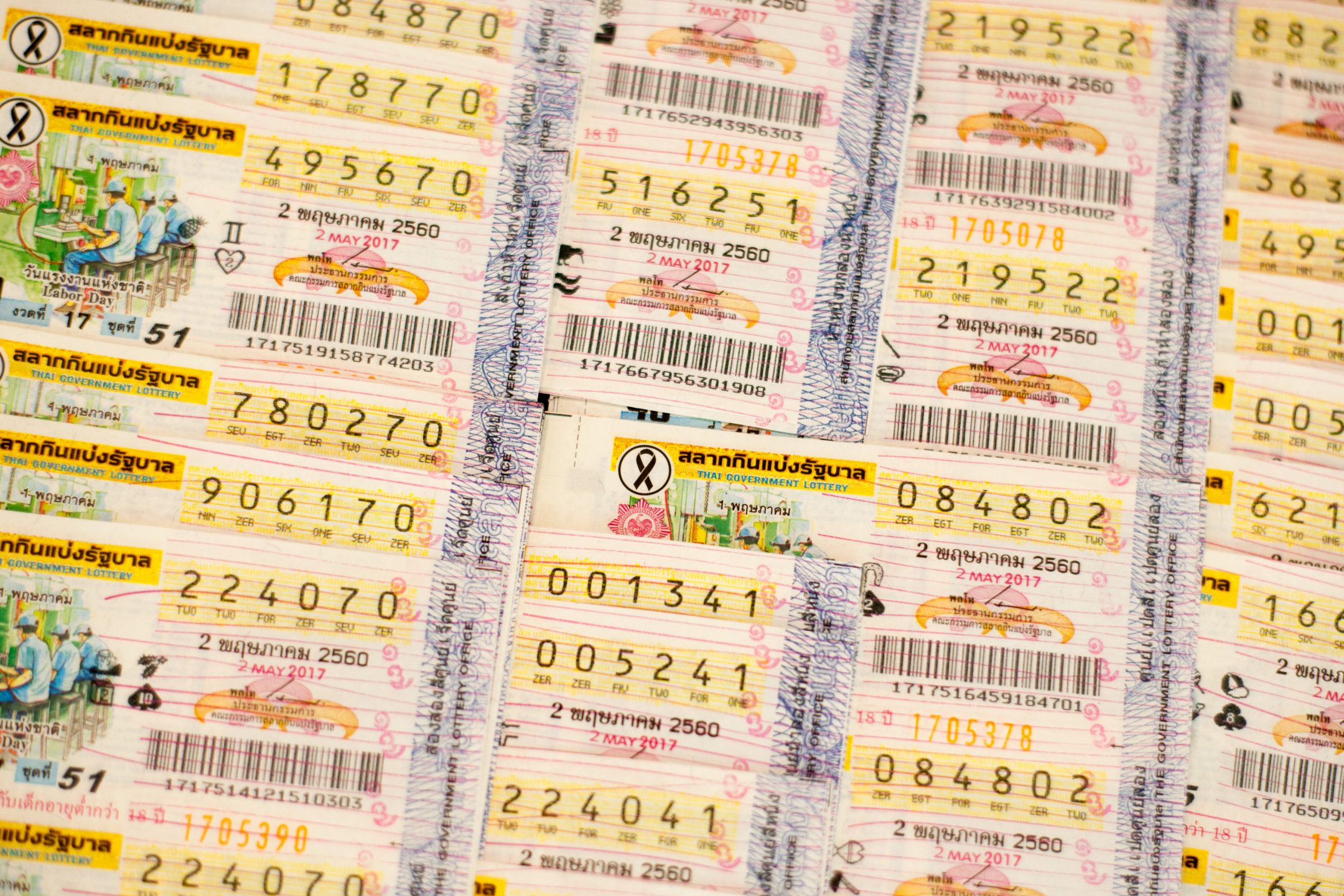
In Thailand, the lottery is far more than a simple game of chance; it is a pervasive social event held twice monthly. The cultural inclination toward seeking signs, omens, and spiritual guidance creates fertile ground for figures who present themselves as possessing "insider knowledge."
The fascination with a "lottery prince" or similar auspicious figures is deeply intertwined with Thai Buddhism and animism. Many citizens believe that spirits, sacred trees, or historical figures can communicate winning numbers to those who are devout enough or possess specific spiritual gifts. When an individual—often self-proclaimed or media-hyped—positions themselves as an intermediary to these numbers, they satisfy a profound human need for certainty in an environment governed by randomness.
The Intersection of Superstition and Financial Pressure
The economic landscape of Thailand in 2026 continues to see widespread interest in the state lottery as a potential path to financial mobility. For many, the cost of a lottery ticket is a minor expenditure, yet it represents a significant psychological investment in the hope of immediate wealth.
Public figures who claim to "solve" the lottery draw attention because they offer a shortcut through the mathematical impossibility of predicting random outcomes. These figures often leverage social media platforms, YouTube, and TikTok to disseminate their predictions. By presenting their methods as "secret formulas" or "blessed insights," they cultivate a following that ranges from the curious to the desperate. The attention they receive is less about empirical validity and more about the psychological relief provided by the hope they market.
How the Mechanism of Attention Works
The attention surrounding these figures is rarely organic; it is often curated through a cycle of sensationalist media reporting and digital engagement. The process typically follows a predictable trajectory:
- The Claim: An individual gains notoriety for "accurately" predicting a set of digits, usually attributed to a dream, a vision, or a specific ritual at a sacred site.
- The Amplification: Local media outlets, seeking to capitalize on public interest, report the claims. In the digital age, social media algorithms promote these stories, treating them as viral content.
- The Follower Base: A community forms around the figure, sharing anecdotal "evidence" of previous successes, creating a feedback loop that validates the claims regardless of statistical reality.
- The Normalization: Once the figure reaches a threshold of fame, their presence in public discourse becomes standard, with news outlets periodically checking in on their "latest guidance" to drive traffic.
Risks, Regulations, and Consumer Awareness
While the fascination with such figures is a cultural phenomenon, it carries significant risks. The Government Lottery Office (GLO) of Thailand maintains strict control over lottery operations to ensure integrity. However, the external ecosystem of "lottery influencers" operates in a grey area.
Challenges Faced by Lottery Participants
| Risk Factor | Description | Potential Impact |
|---|---|---|
| Financial Loss | Over-investment based on tips | Depletion of household savings |
| Scams/Fraud | Paid services for "guaranteed" numbers | Direct monetary theft |
| Psychological Harm | Addiction to gambling behaviors | Increased stress and anxiety |
| Misinformation | Reliance on unverified, non-factual data | Erosion of logical financial planning |
Participants are encouraged to view such figures as entertainment rather than financial advisors. Financial literacy experts warn that reliance on superstitious methods for economic stability ignores the inherent volatility of gambling. Any service or person promising a "guaranteed" return through secret methods should be viewed with extreme skepticism.
The Role of Media and Digital Platforms
By 2026, the digital landscape has allowed these figures to operate with unprecedented reach. Algorithms prioritize engagement, and since "lottery luck" is a high-interest topic, these videos and posts are pushed to the top of users' feeds. The media’s role here is paradoxical: by reporting on the "prince" to explain the public’s obsession, they simultaneously amplify the influence of the very person they are ostensibly profiling. This creates a cycle where the figure becomes a permanent fixture in the media landscape.
Navigating the Trend Responsibly
If you are observing this phenomenon as a researcher, journalist, or interested observer, it is crucial to maintain a clear distinction between cultural study and financial advice.
- Analyze the Intent: Recognize that these figures are often seeking fame, engagement, or, in some cases, direct monetary profit through advertisements and sponsorships.
- Verify Claims: Always cross-reference statistical reality with the claims provided. The GLO publishes results officially; any claim of "predicting" these results is, by definition, a probabilistic impossibility.
- Maintain Distance: Avoid engaging with paid content that promises wealth. Treating the lottery as a recreational activity rather than an investment strategy is the most effective way to mitigate risk.
Frequently Asked Questions
Why do people trust these lottery predictors?
Trust is often a byproduct of cognitive bias. When a predictor makes a single "correct" guess by pure chance, followers focus on that success while ignoring dozens of failures. This phenomenon, known as confirmation bias, cements the predictor’s reputation as having a "gift."
Does the government recognize the Thai Lottery Prince?
No. The Government Lottery Office of Thailand operates based on randomized drawing procedures. They do not endorse, recognize, or have any association with individuals who claim to possess psychic or mathematical abilities to influence the outcome of the draw.
Is following these figures illegal?
Observing these figures or consuming their content is not inherently illegal. However, the line is crossed when these individuals engage in fraud—such as selling "guaranteed" numbers for money—or if they facilitate illegal gambling platforms.
How can one avoid falling for lottery scams?
The primary defense against lottery scams is recognizing that the lottery is a game of total chance. Any individual claiming to have an unfair advantage, a "secret formula," or supernatural insight into the draw is misleading the public. Never pay for lottery tips or predictions.
Moving Forward
The figure of the "Thai Lottery Prince" remains a compelling study in human behavior, showing how deeply hope and tradition can influence actions even in a modern society. To move forward, it is essential to prioritize transparency in financial decision-making and to recognize that while entertainment can be found in the anticipation of the draw, long-term stability is built through evidence-based financial management. Whether these figures continue to hold public attention depends entirely on the public’s willingness to demand factual entertainment over the empty promises of chance.
Image Gallery