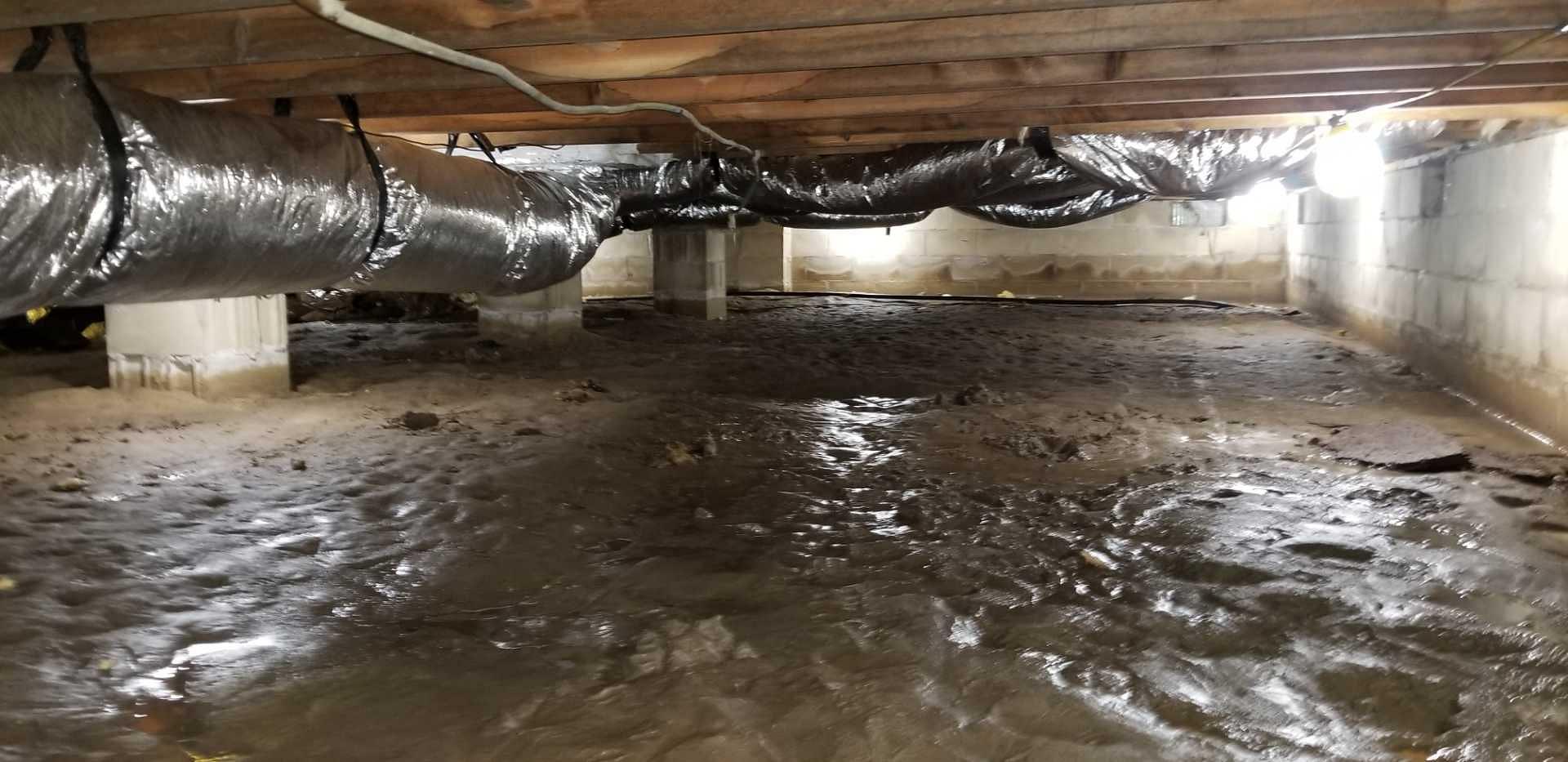
Innovations in Crawl Space Foundation Repair in Austin
Homeowners in Austin are increasingly moving toward proactive, integrated moisture management and structural stabilization systems to address the unique challenges of the region's expansive clay soils and humid climate. In 2026, the fo...
Homeowners in Austin are increasingly moving toward proactive, integrated moisture management and structural stabilization systems to address the unique challenges of the region's expansive clay soils and humid climate. In 2026, the focus in crawl space foundation repair has shifted from reactive "patch-and-pray" methods to high-durability, data-driven systems designed to mitigate the long-term impact of shifting substrates and atmospheric humidity on structural wood members.
Contents
The Austin area faces significant foundation hurdles due to the prevalence of expansive clay soils, which undergo massive volume changes based on moisture content. When soil dries during scorching Texas summers, it shrinks, creating gaps beneath a crawl space foundation. When it rains, the soil swells, pushing upward on the structure. Modern repairs in 2026 prioritize stabilizing this moisture environment beneath the home and utilizing advanced materials that offer greater flexibility than traditional rigid concrete piers.
The Shift Toward Precision Stabilization
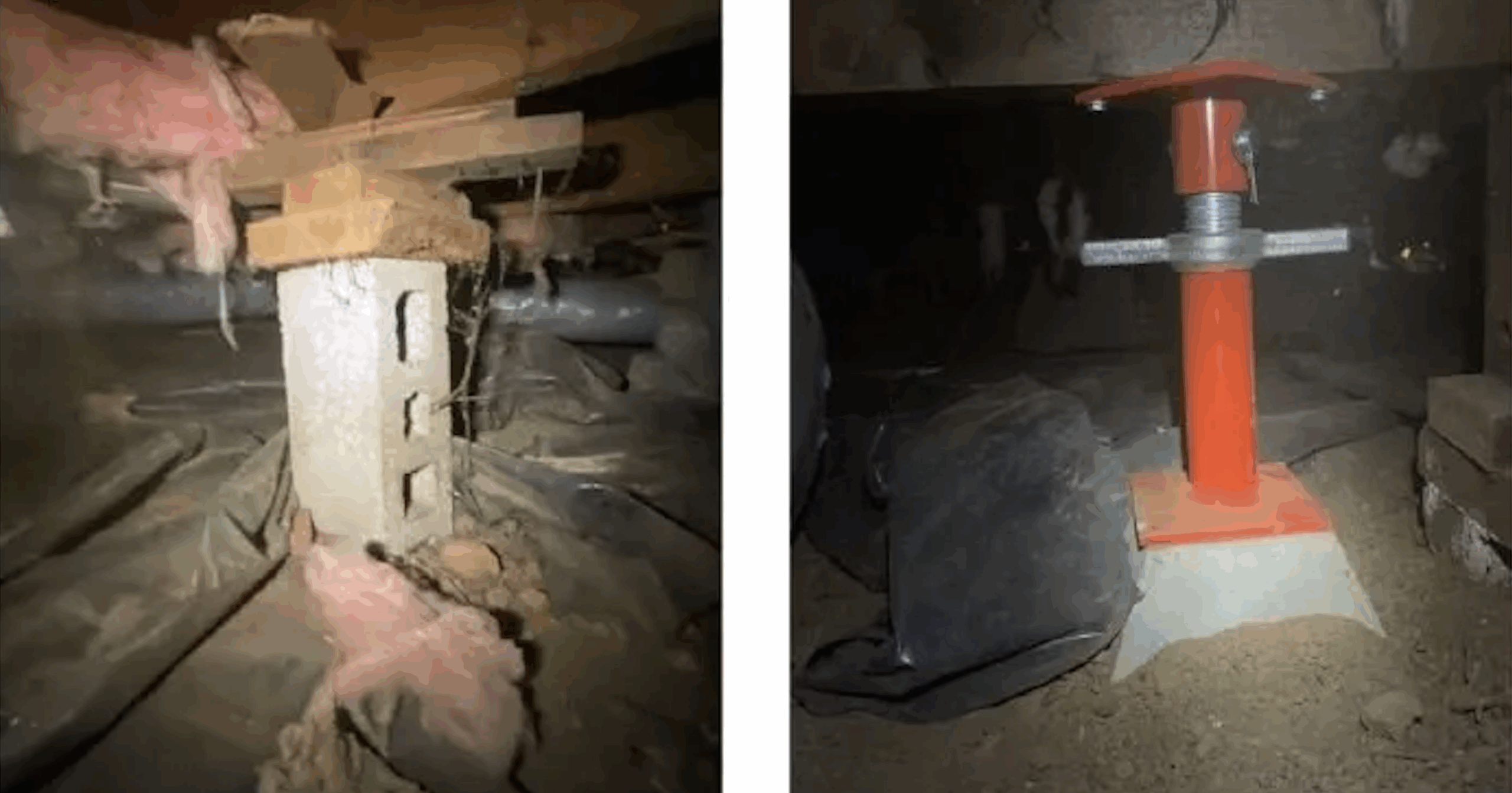
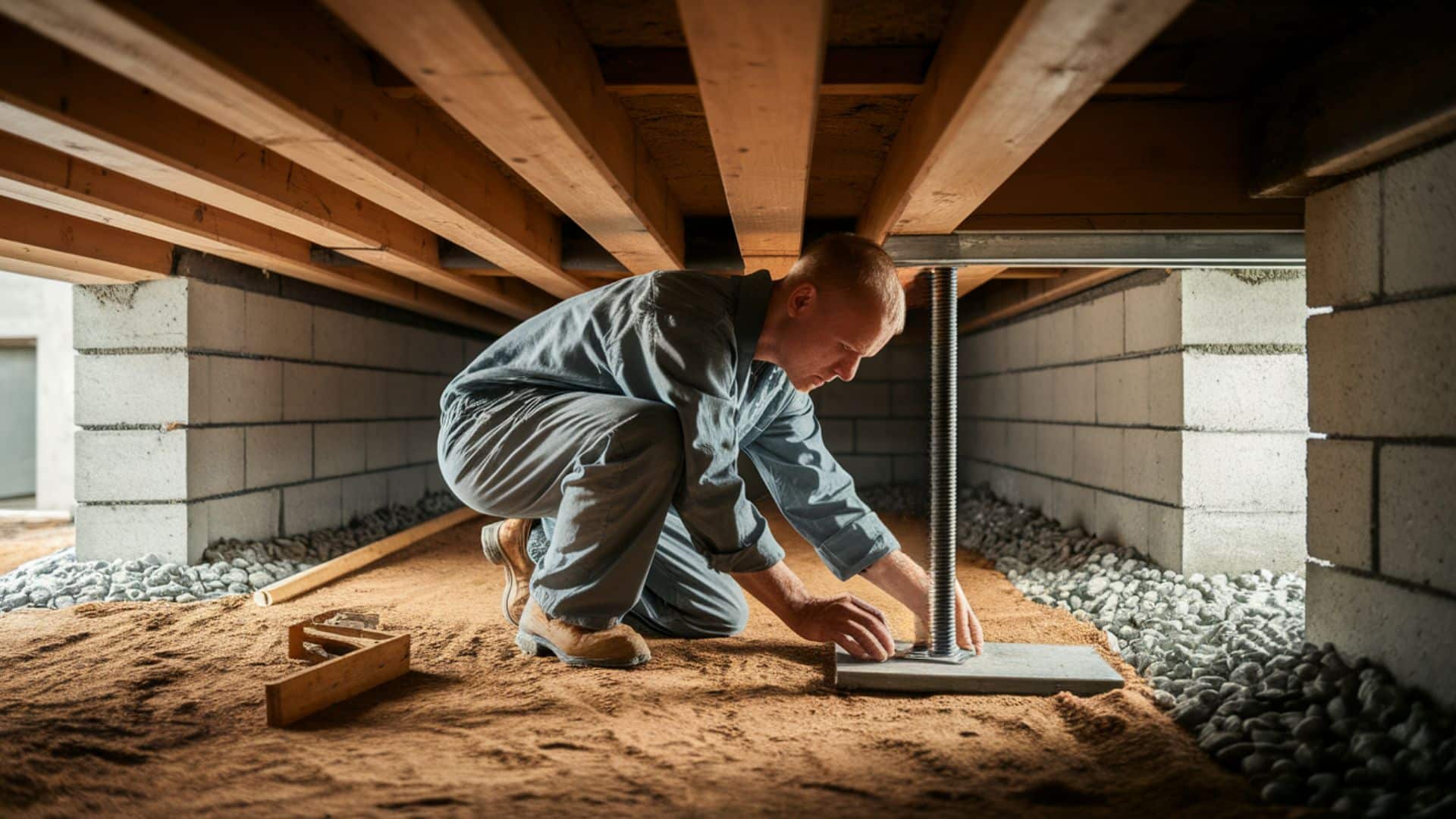
Historically, crawl space repair often involved simple jack-and-shim techniques using wood or steel. Today, the industry has shifted toward high-capacity, heavy-duty adjustable steel piers and helical pier systems.
Helical piers are particularly significant in Austin’s residential market. These are steel shafts with heavy-duty circular plates—much like a large screw—that are mechanically torqued deep into the stable, load-bearing strata beneath the shifting clay layer. Once the pier reaches the required torque capacity, it is anchored to the home’s footing using a heavy-duty bracket. This provides a permanent, mechanical connection to stable earth, effectively bypassing the volatile surface soils that cause traditional foundations to heave or settle unevenly.
Integrated Moisture Management: The New Standard
A significant development in 2026 is the widespread adoption of "encapsulation" as a foundational repair requirement rather than an optional upgrade. Simply venting a crawl space—a common practice in older Texas construction—is increasingly being identified as a primary cause of foundation decay. In Austin’s humid environment, venting allows moist air to enter the cool crawl space, leading to condensation, wood rot, and termite activity.
Modern crawl space repair now incorporates full encapsulation:
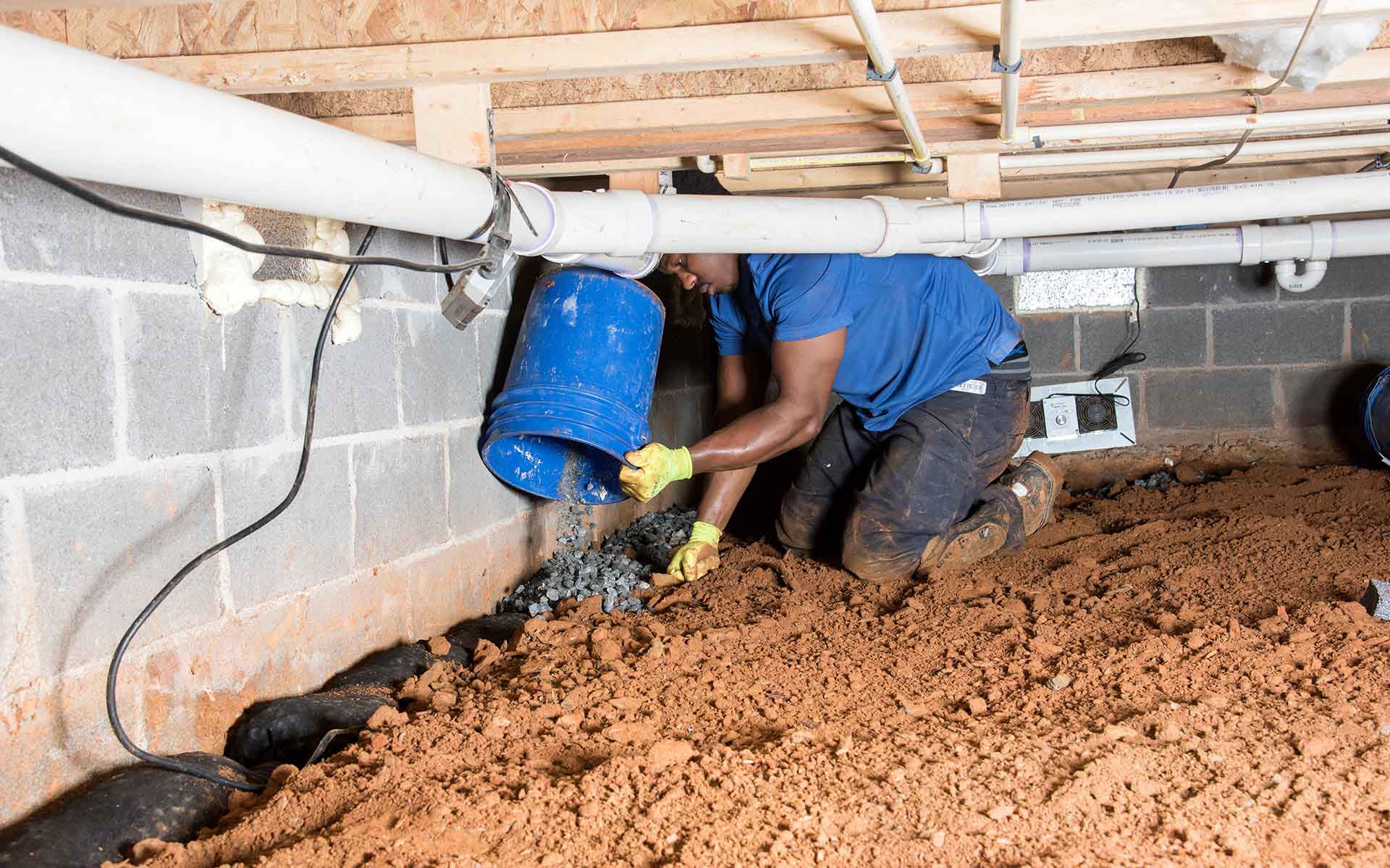
- Vapor Barriers: Installation of heavy-duty, reinforced polyethylene liners that cover the entire floor and extend up the foundation walls.
- Sealing: Using professional-grade, fire-rated foam or tape to seal all rim joists and vents, creating a closed-system environment.
- Dehumidification: The installation of commercial-grade, high-capacity dehumidifiers that are automatically controlled to maintain relative humidity below 50%.
- Drainage: Installing interior perimeter drainage systems with sump pumps, even in crawl spaces, to manage water intrusion before it impacts the structure or encourages mold growth.
Comparison of Modern Foundation Solutions
When assessing repair options for an Austin property, homeowners should evaluate solutions based on the soil characteristics and the extent of structural damage.
| Method | Best Use Case | Key Advantage | Longevity |
|---|---|---|---|
| Helical Piers | Active settling or shifting in clay | Immediate, predictable stabilization | High (permanent) |
| Pressed Steel Piers | Moderate settlement | Non-invasive installation | High |
| Encapsulation | High humidity/wood rot prevention | Stops structural deterioration | Long-term |
| Pier Jacking | Minor, localized settlement | Cost-effective, quick | Short-to-medium |
Addressing Structural Wood Rot and Pests
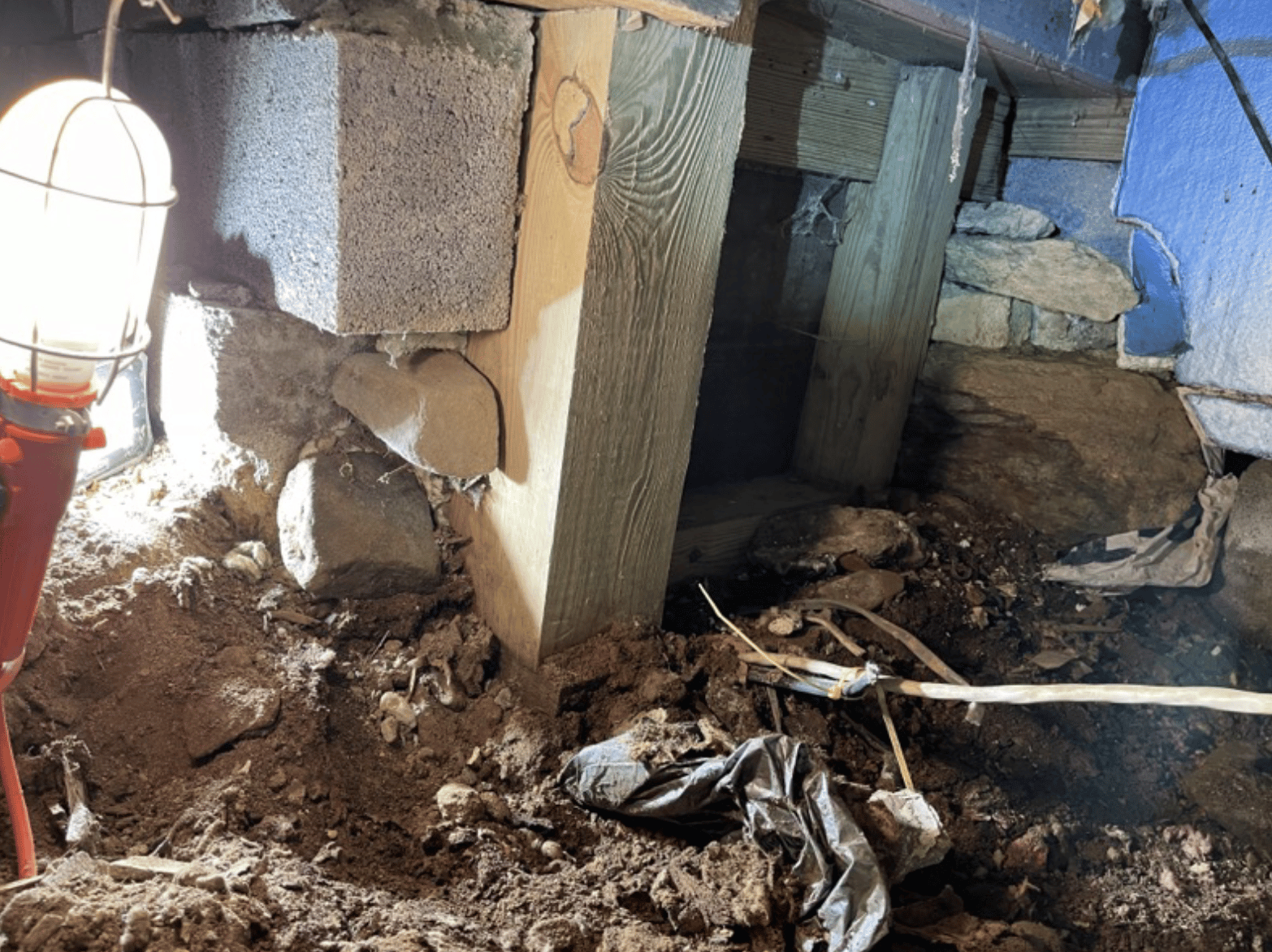
In 2026, foundation repair in Austin is rarely just about the concrete or steel—it is about the "building envelope." Wood rot, primarily caused by fungi thriving in damp crawl spaces, is a leading cause of sagging floors. Modern repair specialists are now working in tandem with building scientists to replace compromised rim joists, support beams, and sub-flooring with pressure-treated or engineered lumber that resists moisture-related degradation.
Furthermore, the integration of pest management has become more sophisticated. By sealing the crawl space to prevent moisture, homeowners simultaneously eliminate the high-humidity conditions that subterranean termites and wood-boring beetles require to survive. This dual-purpose approach adds significant value to the structural repair, essentially protecting the investment from future biological threats.
Critical Considerations for Austin Homeowners
Before proceeding with any repair, it is essential to understand the local regulatory and environmental landscape.
Soil Testing and Engineering
Because of the variance in soil composition across Travis County, it is standard practice to consult with a third-party structural engineer before signing a contract with a repair company. An independent engineer can verify the "heave" patterns of your specific plot, ensuring that the proposed solution actually addresses the geotechnical reality rather than just treating the symptoms.
Permits and Inspections
The City of Austin requires building permits for foundation work that involves structural alterations. A reputable repair firm in 2026 will handle the permitting process, ensuring that the work is inspected by municipal authorities to verify compliance with current building codes. Always verify that your chosen contractor is registered with the City of Austin and carries the necessary liability insurance.
Seasonal Timing
Austin’s climate is notorious for extreme swings. Foundation professionals often recommend scheduling major repairs during the transition seasons—spring or late fall—when soil moisture levels are more predictable. Attempting heavy foundation work in the peak of an Austin drought can lead to "post-repair heave," where the soil regains moisture after the repair, causing the building to shift again as the ground expands.
Frequently Asked Questions
Is encapsulation the same as waterproofing? Encapsulation focuses on controlling humidity and air movement, whereas waterproofing focuses on preventing liquid water intrusion. In Austin’s crawl spaces, both are usually necessary. Encapsulation prevents the condensation that occurs when humid air hits cool surfaces, while a drainage system handles active water leaks.
How long does a helical pier repair last? When installed correctly by a certified contractor and properly maintained, a helical pier system is considered a permanent foundation solution. It is designed to last the life of the structure, providing a stable foundation that is decoupled from the active clay soil layer.
Can I just add more vents to fix a damp crawl space? No. In Central Texas, adding vents usually makes the problem worse. The outside air is often more humid than the air trapped in your crawl space. When that warm, humid air hits the cooler components under your house, it condenses into water, accelerating rot and mold.
How do I know if my foundation is shifting due to soil or something else? While soil is the most common cause in Austin, plumbing leaks are a frequent secondary factor. A professional diagnosis should always include a hydrostatic plumbing test to ensure that a leaking sewer or water line isn't the true culprit behind the soil saturation and foundation movement.
Professional Recommendation
If you notice cracks in your drywall, doors that no longer latch, or a persistent musty smell, start by hiring an independent licensed structural engineer. Avoid contractors who provide "free estimates" that rely on high-pressure sales tactics. An independent report will outline the specific type of piering or moisture management required, allowing you to solicit "apples-to-apples" bids from multiple qualified foundation repair companies. Always prioritize companies that offer a transferable warranty and can provide verifiable references from projects completed in the Austin area within the last three years.
Image Gallery