Understanding the Currency MXN in Mexico: A Guide for Travelers and Investors
The Mexican Peso (MXN) is the official legal tender of Mexico and one of the most actively traded currencies in the global foreign exchange market. Understanding how the currency functions, its denominations, and the best practices for...
The Mexican Peso (MXN) is the official legal tender of Mexico and one of the most actively traded currencies in the global foreign exchange market. Understanding how the currency functions, its denominations, and the best practices for handling it is essential for anyone traveling to, doing business in, or investing in the Mexican economy.
Contents
The Foundation of the Mexican Peso
The Mexican Peso, denoted by the ISO 4217 code MXN and the symbol $, has been the nation’s currency since its independence. While it shares the "$" symbol with the US Dollar, it is a distinct currency managed by the Banco de México (Banxico), the country’s central bank.
Because of the close economic ties between Mexico and the United States, visitors often find that the "$" symbol creates confusion. However, within Mexico, this symbol always refers to the Mexican Peso. If a price is meant to be in US dollars, it is typically explicitly marked as "USD" or "DLLS."
Current Denominations and Security Features
The Mexican monetary system consists of both coins and banknotes, which have undergone significant design updates over the years to combat counterfeiting. As of 2026, the current circulation includes a mix of older and newer series, all of which remain legal tender.
Banknotes (Billetes)
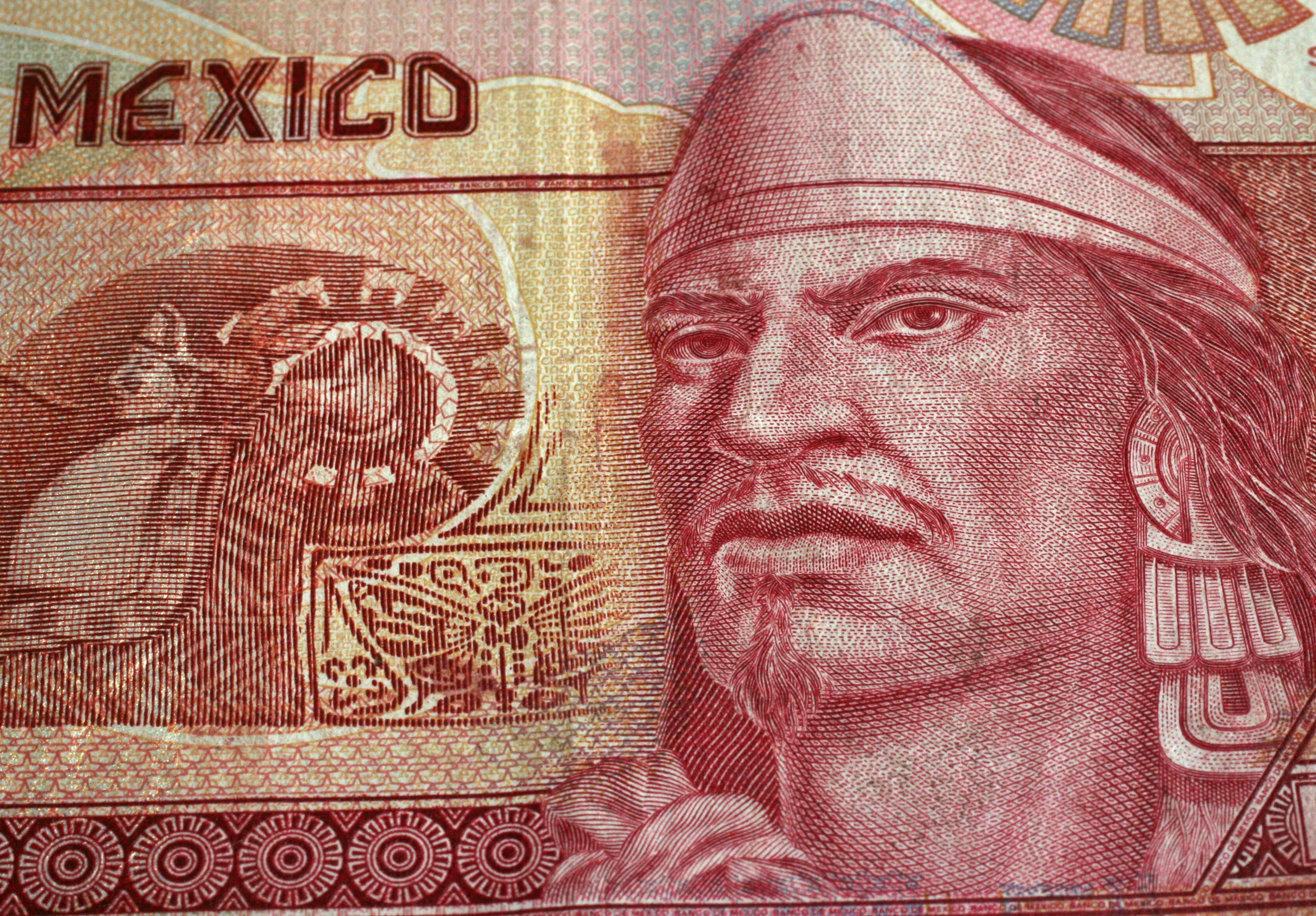
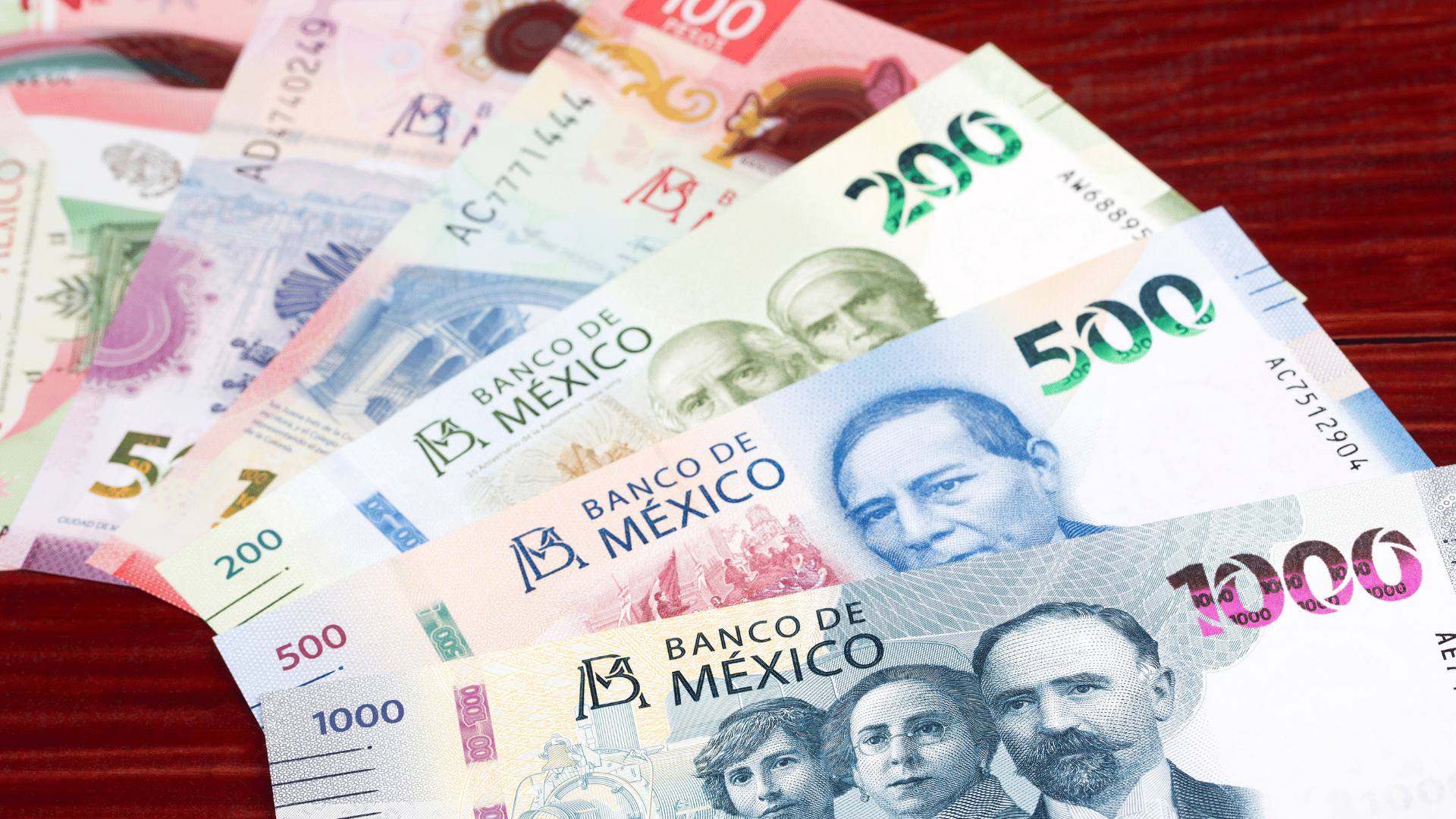
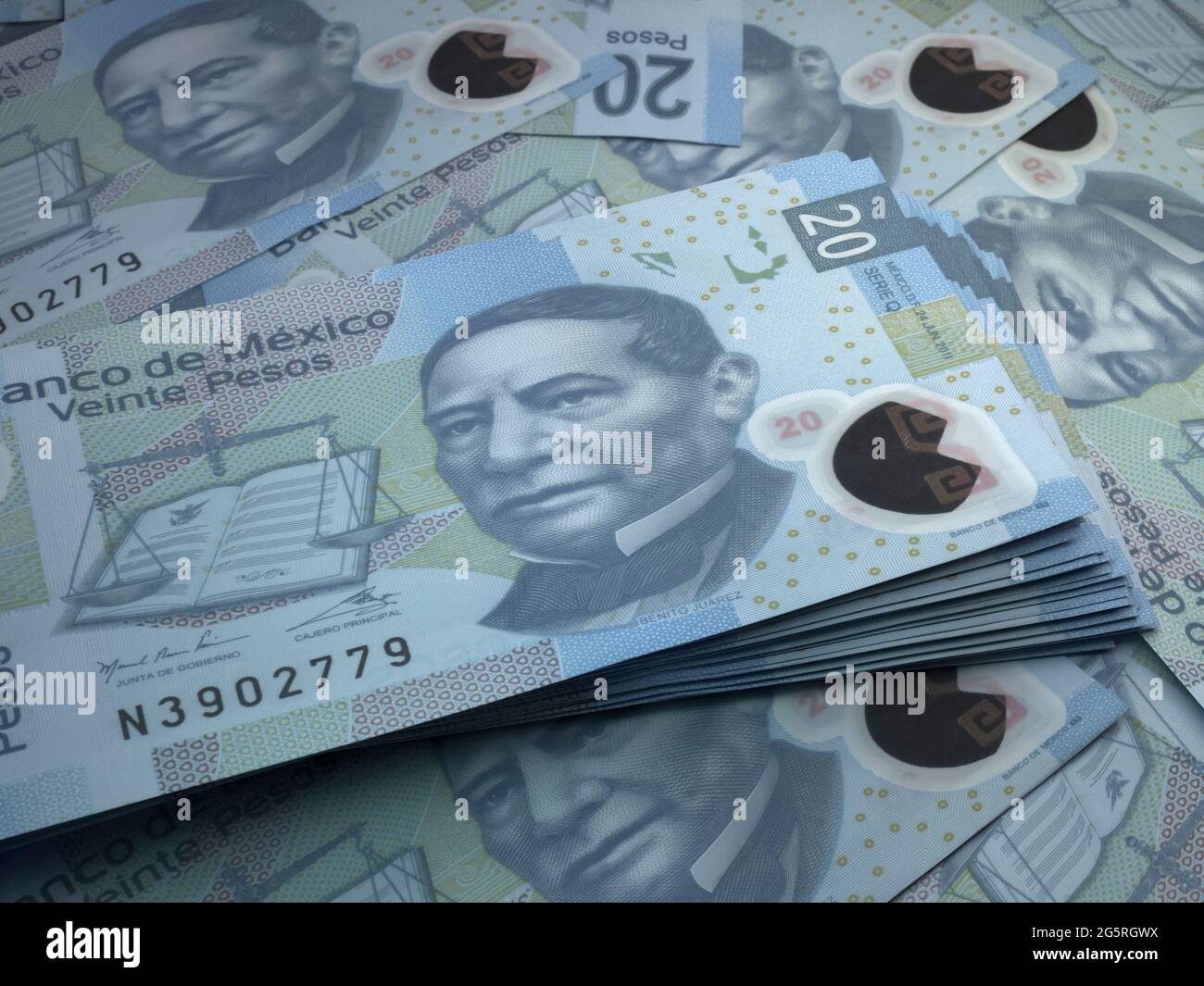
The Banco de México issues notes in denominations of 20, 50, 100, 200, 500, and 1,000 pesos.
- Material: Most modern high-denomination notes are printed on polymer substrate, which is more durable and harder to counterfeit than traditional paper.
- Security: Key features to verify include transparent windows, color-changing ink (optic variable ink), and intricate raised printing that can be felt by touch.
Coins (Monedas)
Coins are issued in denominations of 1, 2, 5, 10, and 20 pesos. There are also smaller denominations known as "centavos," issued in units of 50, though these are increasingly rare in day-to-day transactions due to inflation and rounding practices.
Practical Tips for Currency Management
For those arriving in Mexico, knowing how to manage your cash flow is critical to avoiding high fees and ensuring your transactions are secure.
- Avoid Airport Exchange Booths: While convenient, the "Casas de Cambio" located inside airports almost always offer the worst exchange rates. Use them only for small, emergency amounts.
- Use ATMs (Cajeros Automáticos): Withdrawing local currency from a bank-affiliated ATM is generally the most cost-effective way to obtain pesos. Ensure you select "Decline Conversion" if the ATM offers to do the math for you; your home bank will almost always provide a better rate.
- Prioritize Debit Cards: For most purchases, using a debit or credit card is safer than carrying large amounts of cash. Ensure your bank is aware of your travel plans to prevent card blocks.
- Keep Small Change: Small businesses, street vendors, and public transport often struggle to provide change for larger bills, particularly 500 and 1,000 peso notes. Always keep a supply of 20, 50, and 100 peso notes on hand.
Comparative Overview of Payment Methods
| Payment Method | Convenience | Cost/Fees | Security Level |
|---|---|---|---|
| Local Cash (Pesos) | Very High | Low (if withdrawn at bank ATM) | Moderate (Risk of loss/theft) |
| Credit Cards | High | Variable (Foreign transaction fees) | High (Fraud protection) |
| Debit Cards | High | Low (Bank-dependent) | High (Requires PIN) |
| Airport Exchange | Moderate | Very High (Poor exchange rates) | High |
Understanding Exchange Rate Volatility
The MXN is a "free-floating" currency, meaning its value is determined by supply and demand in the international market. Factors such as commodity prices (specifically oil), trade policy, and interest rate differentials between the US Federal Reserve and the Banco de México heavily influence the rate.
Investors should monitor the "Fix" rate, which is the official reference rate published daily by Banco de México. This rate is used for settlement of obligations in pesos and provides the most accurate benchmark for the currency's current valuation.
Frequently Asked Questions
Can I use US dollars in Mexico? While US dollars are accepted in some tourist-heavy border towns and high-end resorts, they are not legal tender. You will almost certainly receive a very poor exchange rate if you pay in USD, as merchants must cover the cost of converting the money themselves. It is always better to pay in MXN.
What is the best way to verify if a banknote is real? Use the "Touch, Look, Tilt" method. Touch the note to feel the raised print (intaglio). Look through the note toward a light source to check for the watermark and security thread. Tilt the note to watch the security elements change color or move, which is a feature of the newer polymer-based series.
Do I need a bank account in Mexico to access money? No. You can access your funds from your home country’s bank account using a standard international ATM card or credit card. Confirm with your home institution that your card is authorized for international use before you depart.
How do I handle "rounding" at supermarkets? Mexico employs a rounding system for cash transactions involving centavos. If your total is, for example, 100.40 pesos, it will be rounded down to 100; if it is 100.60, it will likely be rounded up to 101. This is a standard and regulated practice in retail.
What should I do if my card is swallowed by an ATM? Immediately contact the bank that owns the ATM and your own bank back home. Do not leave the ATM area if possible, as there may be local assistance available. Always keep a backup card stored in a separate location from your primary wallet to mitigate the risk of being stranded without funds.
Final Recommendation
The most reliable way to navigate currency in Mexico is to arrive with a "hybrid" approach: carry a small amount of cash obtained before departure for immediate needs, then rely on established, bank-affiliated ATMs for subsequent cash withdrawals. Use credit cards for larger, secure purchases, and always stay informed on the current conversion rates via official financial news portals. If you are conducting business or long-term financial planning, consult with a financial advisor familiar with the nuances of the MXN/USD pair to hedge against potential volatility.
Image Gallery