Light Therapy Face Mask Reviews: What to Know Before You Buy
Light therapy face masks use specific wavelengths of light emitting diodes (LEDs) to target skin concerns like acne, inflammation, and signs of aging. When evaluating light therapy face mask reviews, look for clinical validation, prope...
Light therapy face masks use specific wavelengths of light emitting diodes (LEDs) to target skin concerns like acne, inflammation, and signs of aging. When evaluating light therapy face mask reviews, look for clinical validation, proper wavelength specifications, comfortable designs, and realistic expectations regarding long-term skincare results.
Contents
Understanding LED Light Therapy and How Face Masks Work
Light therapy face masks translate clinical dermatological treatments into consumer-friendly wearable devices. These masks rely on Light Emitting Diodes (LEDs) to deliver specific, non-thermal light wavelengths into the skin layers. Unlike ultraviolet (UV) light, which causes cellular damage and tanning, therapeutic LED wavelengths are safe for regular home use because they do not contain UV radiation.
The core mechanism of action rests on photobiomodulation. When photons of specific wavelengths penetrate the skin tissue, cellular mitochondria absorb the light energy. This absorption stimulates adenosine triphosphate (ATP) production, enhancing cellular energy and optimizing cellular functions. Fibroblast cells respond by increasing collagen and elastin synthesis, while specific light frequencies can inhibit the bacteria responsible for inflammatory acne breakouts.
Evaluating these devices requires looking past marketing claims to understand the physics of light delivery. Wavelengths are measured in nanometers (nm), and each color corresponds to a different depth of penetration and biological response:
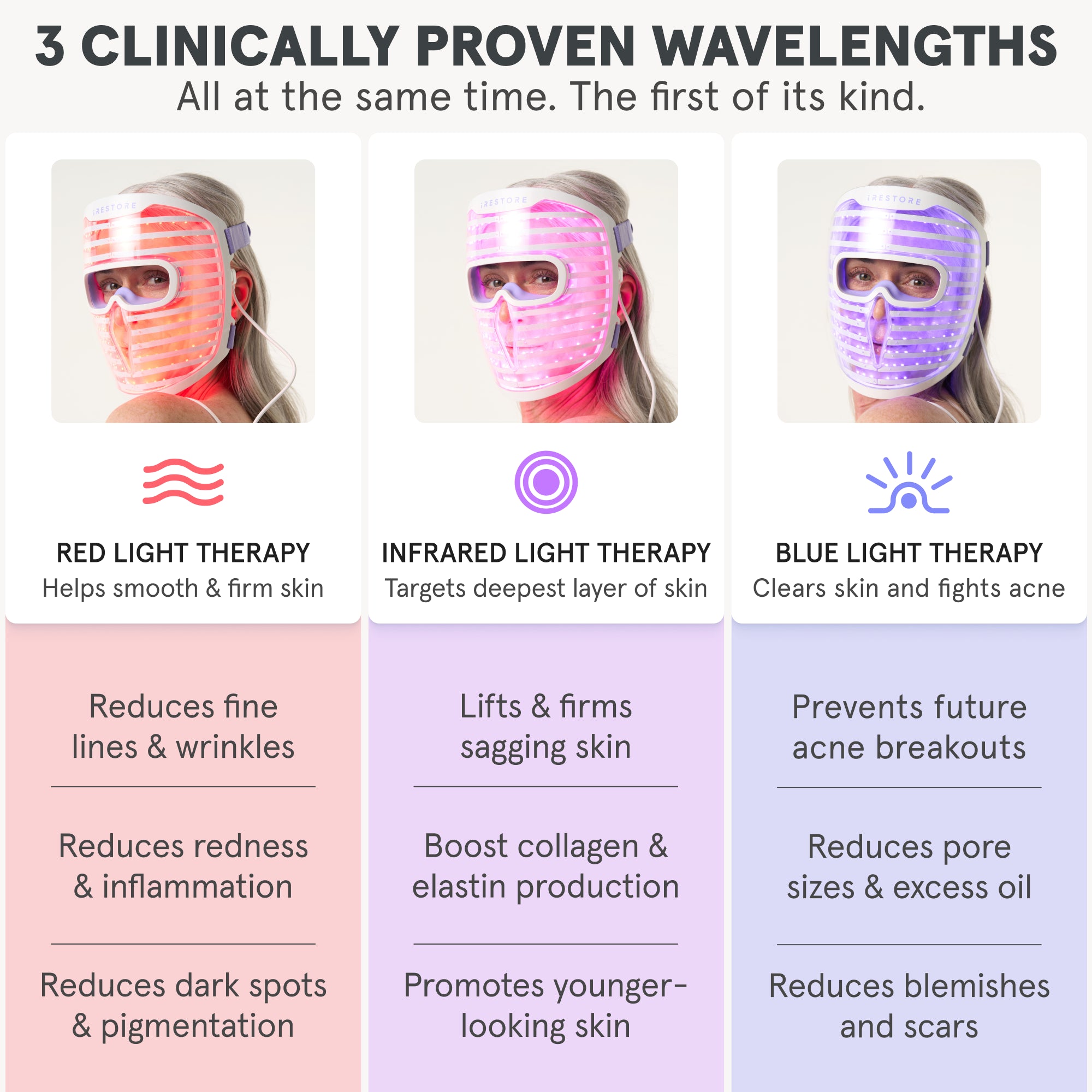
- Blue Light (approx. 415nm to 470nm): Targets the epidermis to neutralize Propionibacterium acnes bacteria, reducing active breakouts and preventing future acne inflammation.
- Red Light (approx. 630nm to 700nm): Penetrates into the dermal layer to stimulate collagen production, reduce fine lines, improve skin elasticity, and calm overall redness.
- Near-Infrared Light (approx. 800nm to 850nm): Reaches deepest into the skin tissue to support cellular repair, enhance microcirculation, and accelerate wound healing or deeper tissue recovery.
Key Features to Analyze in Face Mask Reviews
When reading consumer and expert light therapy face mask reviews, separating marketing hype from technical merit requires focusing on several critical hardware and safety specifications. Not all LED masks perform equally, and structural differences directly impact clinical efficacy.
Wavelength Accuracy and Output Power
The primary indicator of a mask's quality is its light delivery specification. High-end devices publish exact nanometer measurements for their LEDs. Furthermore, irradiance—the power output of the light per square centimeter—determines whether the photons have enough energy to stimulate cellular changes. Reviews often overlook irradiance, but devices with too few LEDs or weak output fail to deliver therapeutic doses, functioning merely as colorful novelties.
Form Factor and Coverage Area
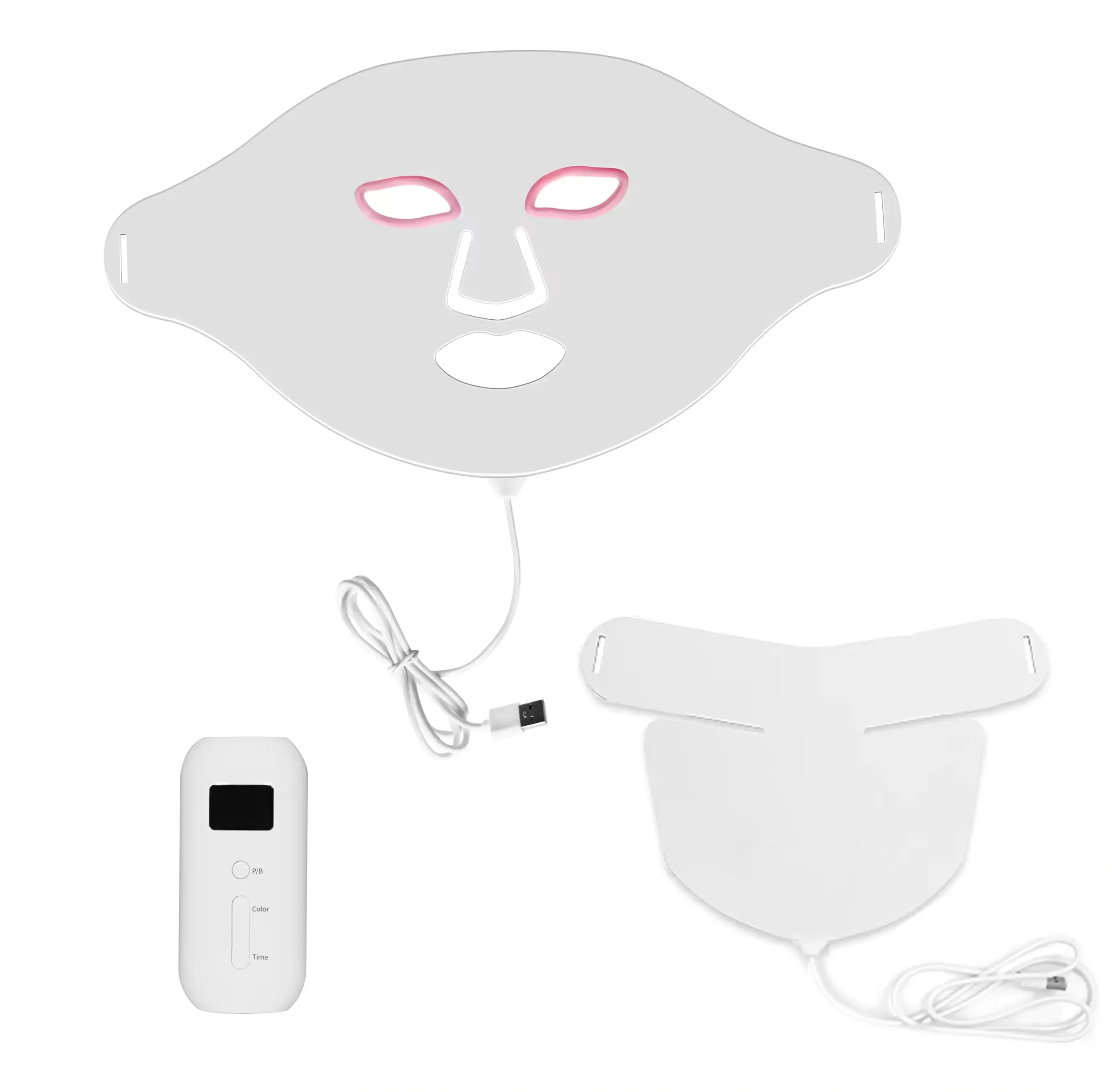
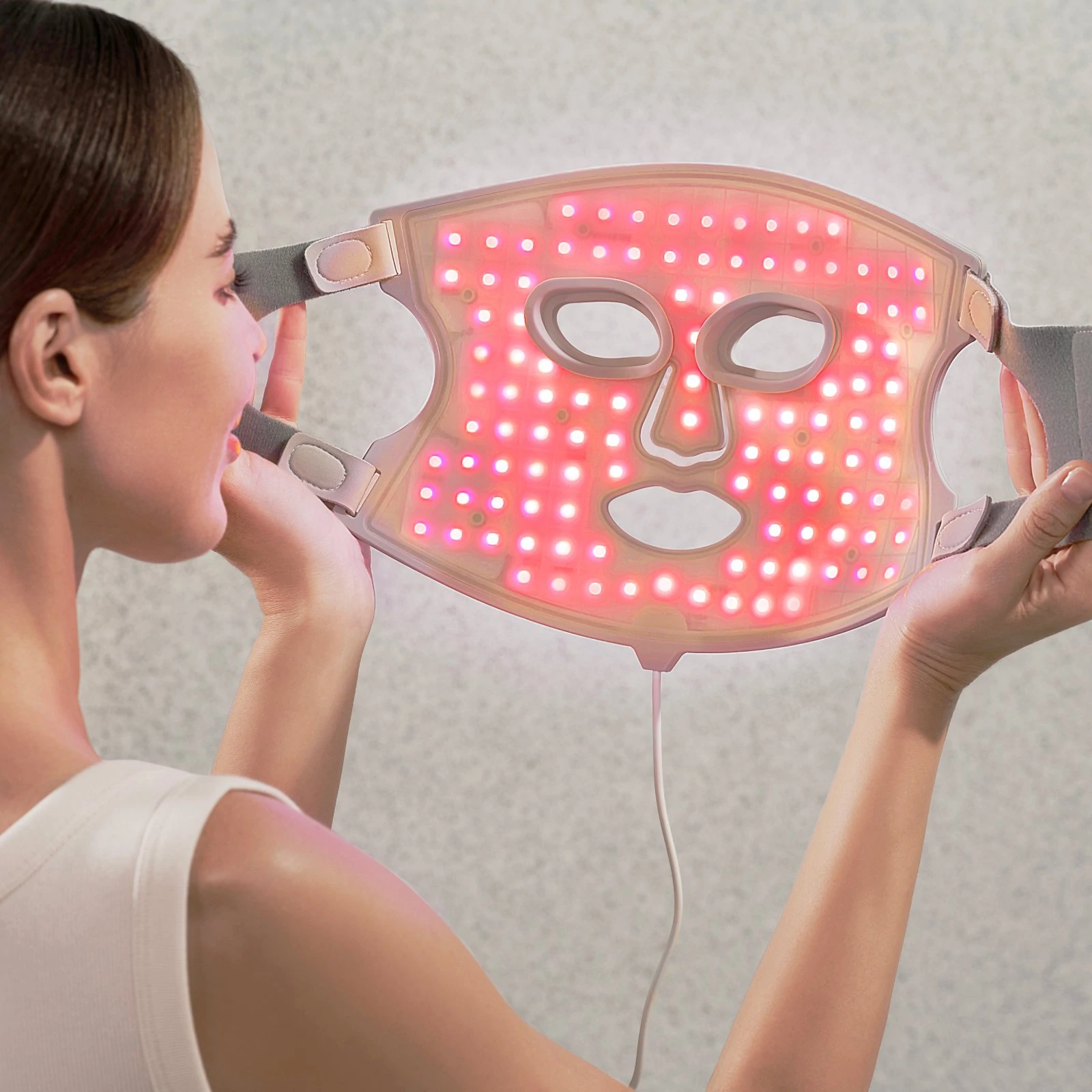
Masks typically fall into two categories: rigid plastic shells molded to facial contours or flexible silicone sheets that drape over the skin.
- Rigid masks often position the LEDs at a fixed distance from the skin, which can ensure even light dispersion but may fit awkwardly on certain face shapes.
- Flexible silicone masks sit closer to the skin, maximizing light absorption because the LEDs are near the surface, though they may lack uniform coverage around curved areas like the nose bridge.
Power Source and Portability
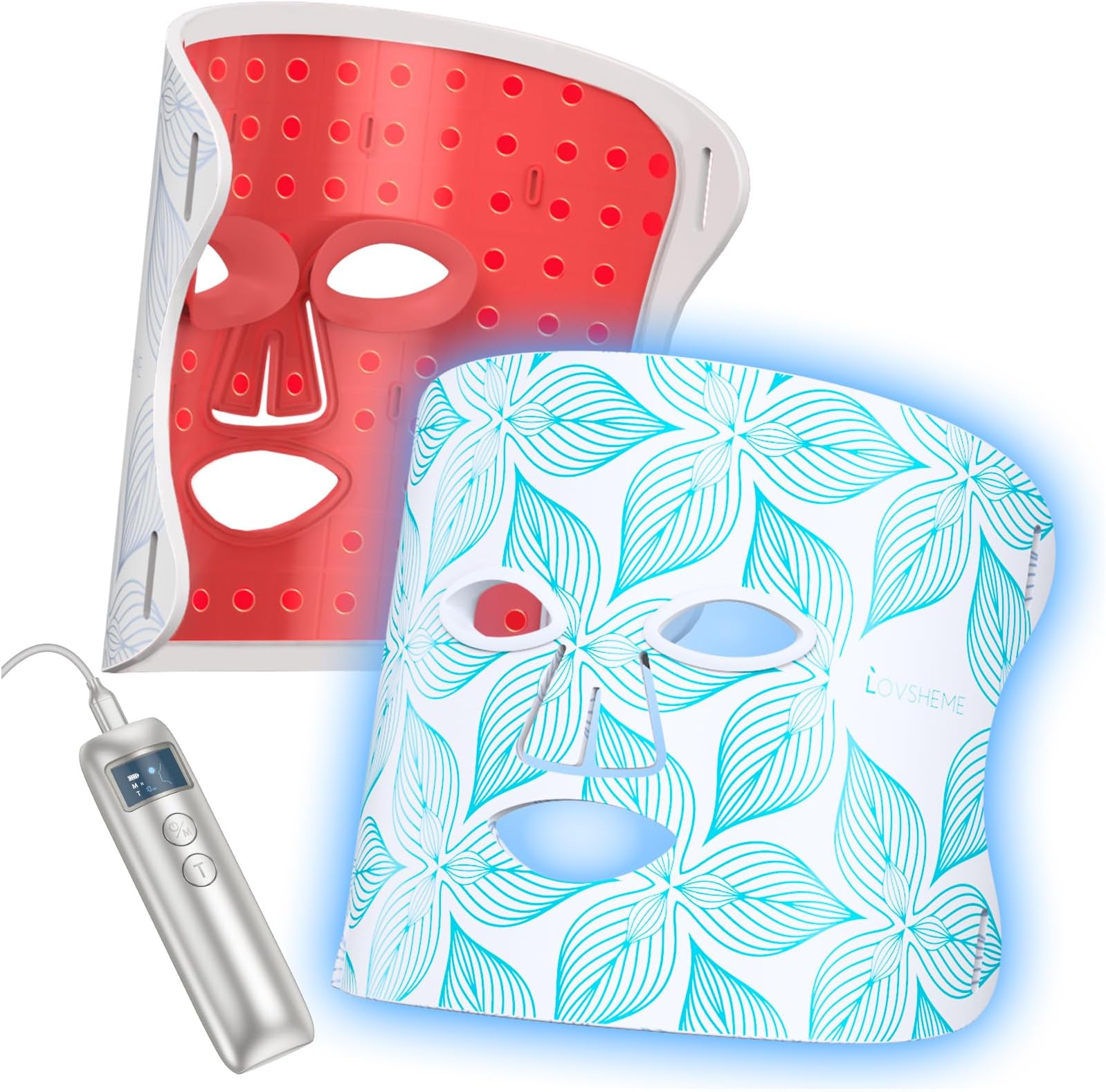
Consider how the mask powers itself. Tethered controllers connected via a wire offer continuous power and lighter facial weight, but limit mobility during treatment. Rechargeable, untethered controllers integrated directly into the mask or strap provide hands-free convenience, though battery degradation over years of use remains a factor to watch in long-term owner reviews.
Comparing Popular Light Therapy Face Masks
| Product Model | Primary Wavelengths | Material & Fit | Power Source | Notable Features |
|---|---|---|---|---|
| CurrentBody Skin LED Mask | Red (633nm) & Near-Infrared (830nm) | Flexible silicone | Rechargeable controller (tethered) | Clinically proven wavelengths, highly flexible design, comfortable fit. |
| Omnilux Contour Face | Red (633nm) & Near-Infrared (830nm) | Flexible medical-grade silicone | Rechargeable controller (tethered) | FDA-cleared, optimized diode placement for targeted facial coverage. |
| Dr. Dennis Gross DRx SpectraLite | Red, Blue, and Red+Blue combinations | Rigid plastic (visor style) | USB rechargeable (integrated) | Rapid 3-minute treatment time, targeted zone coverage (eyeglass style). |
| Neutrogena Light Therapy Acne Mask (Discontinued) | Blue & Red | Rigid plastic | Proprietary activator module | Historical example of consumer-grade blue/red light entry tier. |
Analyzing Clinical Efficacy Versus Consumer Expectations
A recurring theme in light therapy face mask reviews is the gap between expectations and reality. LED therapy is a cumulative, long-term skincare modality, not an overnight fix. While blue light can help clear active inflammatory acne within a few weeks of consistent use, anti-aging benefits driven by red and near-infrared light require consistent routines spanning 8 to 12 weeks before visible improvements in fine lines or skin firmness appear.
Furthermore, home devices operate at lower power outputs than professional-grade machinery found in a dermatologist's office. This design choice prioritizes consumer safety, preventing accidental burns or ocular damage, but it also means results take longer to manifest. Reviews written after only three or four days of use rarely reflect the true capability of a device.
Safety Considerations, Contraindications, and Eye Protection
While home LED masks are generally safe for the majority of users, certain health conditions and medications require caution or strict avoidance. Reviewing safety protocols before purchase prevents adverse reactions and protects ocular health.
Ocular Safety and Blue Light Hazard
The human eye is sensitive to concentrated light exposure. High-intensity blue and red light can cause retinal strain or damage over time if viewed directly. Look for masks that feature built-in eye protection, such as protective rubber eyecups, or wear dedicated blackout goggles during sessions. Brands that lack proper eye shielding often receive negative safety marks in independent reviews.
Photosensitivity and Medication Risks
Certain medications and topical skincare ingredients increase skin sensitivity to light. Users taking photosensitizing drugs—such as tetracycline antibiotics, retinoids, or Accutane—should consult a dermatologist before introducing light therapy. Exposing sensitized skin to LED wavelengths can trigger chemical burns, hyperpigmentation, or severe irritation.
Contraindications
Individuals with active skin cancers, lupus erythematosus, photosensitive eczema, or porphyria must avoid light therapy face masks entirely unless explicitly cleared by a medical professional. Pregnant individuals should also consult their healthcare provider before using high-powered light devices.
Common Mistakes When Using LED Face Masks
Many users fail to see results because of preventable operational errors. Reviewing common pitfalls helps optimize treatment routines:
- Applying Active Acids Before Treatment: Using potent exfoliating acids (like glycolic or salicylic acid) immediately prior to an LED session can cause skin irritation. Cleanse the face and apply light therapy to bare, dry skin, reserving active serums for afterward.
- Inconsistent Usage Schedules: Skipping sessions or using the mask sporadically breaks the cumulative biological signaling required to stimulate collagen or suppress acne bacteria. Stick to the manufacturer's recommended schedule—typically 3 to 5 times per week for 10 minutes per session.
- Neglecting Device Hygiene: Masks accumulate facial oils, sweat, and skincare residue. Failing to wipe down the inner surface with a non-alcoholic antibacterial cloth after each use can lead to bacterial transfer and breakouts.
- Ignoring Fit and Contact: For masks that rely on proximity to maximize light absorption, wearing them loosely or over thick clothing impedes photon penetration.
Practical Recommendations for Choosing the Right Mask
Selecting the right light therapy face mask depends on your primary skin concern and lifestyle preferences.
If your primary goal is managing acne outbreaks, prioritize devices that incorporate both blue and red wavelengths to target bacteria while soothing the resulting inflammation. If anti-aging, hyperpigmentation, or texture improvement is your focus, look for masks that combine red (633nm) and near-infrared (830nm) light, as near-infrared is crucial for deeper dermal stimulation.
Verify that any mask you consider holds appropriate safety certifications, such as FDA clearance or CE marks, which indicate that the device meets rigorous electrical and safety standards. Always purchase directly from authorized retailers to avoid counterfeit devices that may emit incorrect, uncalibrated wavelengths or lack electrical safety cutoffs.
Image Gallery