Navigating the Role and Strategic Value of Paid Search Experts
Paid search experts are specialized digital marketing professionals responsible for designing, executing, and optimizing advertising campaigns within search engine results pages and partner networks. They manage complex bidding strateg...
Paid search experts are specialized digital marketing professionals responsible for designing, executing, and optimizing advertising campaigns within search engine results pages and partner networks. They manage complex bidding strategies, keyword research, and conversion tracking to ensure that marketing budgets drive measurable return on investment across platforms like Google Ads and Microsoft Advertising.
Contents
To succeed in digital advertising, businesses must transition from generalist oversight to granular, data-driven management. Paid search, often referred to as Pay-Per-Click (PPC) marketing, has evolved from simple keyword bidding into a sophisticated ecosystem involving automated bidding, machine learning algorithms, and cross-channel attribution. Whether you are scaling an e-commerce platform or managing lead generation for a professional services firm, the expertise required to navigate these platforms often determines the difference between rapid growth and wasted capital.
The Scope of Responsibility for Paid Search Experts
The primary objective of a paid search expert is to maximize the efficiency of advertising expenditure. This requires a dual focus: technical configuration and strategic alignment. Technical configuration involves setting up tracking pixels, implementing conversion APIs, and structuring account hierarchies to ensure that search engines receive clean, actionable data. Strategic alignment, conversely, ensures that every dollar spent maps to a specific business goal, such as customer acquisition cost (CAC) reduction or lifetime value (LTV) maximization.
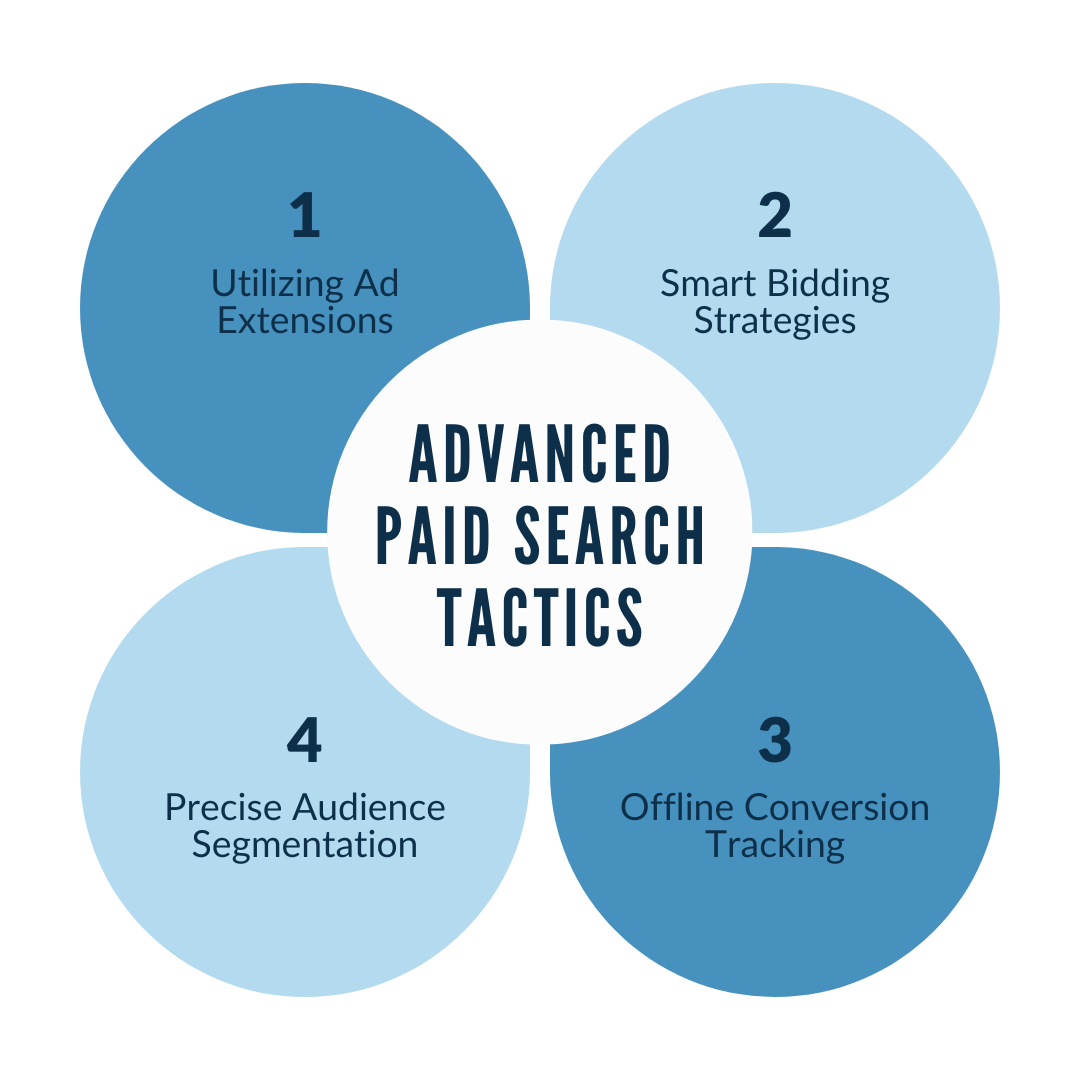
An expert in this field does not merely "buy ads." They perform continuous iterative testing—often referred to as A/B or split testing—on ad copy, landing pages, and audience segments. By analyzing performance metrics such as Click-Through Rate (CTR), Quality Score, and Conversion Rate, these professionals adjust parameters in real-time. In 2026, this role increasingly involves managing "Smart Bidding" systems, where the expert’s primary task shifts from manual bid adjustments to training and auditing the underlying algorithms that optimize for business outcomes.
Prerequisites for Engaging Expert Support
Before hiring or outsourcing to paid search experts, an organization must possess foundational infrastructure. Without this, even the most experienced consultant cannot extract value from your data.
- Clearly Defined KPIs: You must know what a conversion is worth to your business. Whether it is a whitepaper download, a completed purchase, or a demo request, the value must be quantified.
- Robust Tracking Infrastructure: Expert management relies on accurate data. You must have functional tracking, such as the Google Tag Manager (GTM) ecosystem or server-side tracking, to ensure that platform algorithms are fed accurate conversion signals.
- Landing Page Strategy: Paid search drives traffic, but landing pages drive revenue. Experts require the ability to collaborate with web teams to optimize landing pages for relevance and conversion, rather than simply sending traffic to a generic home page.
- Defined Budgetary Elasticity: Paid search is an auction-based model. Experts need to know the ceiling of your Cost Per Acquisition (CPA) so they know when to pull back and when to aggressively scale.
Comparison: Generalist vs. Specialized Paid Search Experts
| Feature | Generalist Marketing Manager | Dedicated Paid Search Expert |
|---|---|---|
| Primary Focus | Brand awareness and high-level strategy | Conversion performance and ROI |
| Platform Knowledge | Broad (Social, Email, SEO, PPC) | Deep (Algorithm nuances, script automation) |
| Data Analysis | Descriptive (What happened) | Prescriptive (Why it happened and what to do) |
| Technical Depth | Moderate (Campaign setup) | High (Conversion API, feed management) |
| Tool Mastery | Basic reporting dashboards | Advanced bid management and automation |
Strategic Implementation and Management Cycles
The work of a paid search expert follows a rigorous, cyclical process. This cycle ensures that account hygiene is maintained while performance is incrementally improved.
1. Discovery and Auditing
Before active management begins, the expert conducts a comprehensive audit. This includes checking for "budget leaks"—unqualified traffic sources, broad-match keyword inefficiencies, or outdated negative keyword lists. The audit establishes a baseline of current performance to measure future success.
2. Structural Optimization
Modern search accounts often suffer from poor structure. Experts organize campaigns into granular ad groups that mirror the user’s intent. By aligning the ad copy directly with specific search queries, the expert improves the Quality Score, which lowers the Cost Per Click (CPC) and increases ad visibility.
3. Algorithmic Calibration
In the current landscape, manual bidding is increasingly replaced by machine learning. A paid search expert acts as a supervisor for these algorithms. They provide the necessary signals—such as offline conversion data or enhanced conversion feeds—to the platform, ensuring the algorithm optimizes for high-intent users rather than vanity metrics like impressions.
4. Ongoing Analysis and Scaling
Data is not static. A paid search expert analyzes search query reports to identify new negative keyword opportunities and performance trends. When a segment is identified as high-performing, they develop strategies to scale the budget safely without causing a spike in acquisition costs.
Common Pitfalls and Troubleshooting
Even with professional management, accounts can face performance plateaus. Understanding common issues helps organizations maintain realistic expectations and facilitate productive communication with their experts.
- Tracking Gaps: If conversion data stops flowing, the entire optimization engine fails. Experts spend significant time troubleshooting tracking tags and ensuring that consent management platforms (CMP) are configured to comply with privacy regulations without killing data fidelity.
- Over-reliance on Broad Match: While Google’s algorithms favor broad match keywords, uncontrolled usage can lead to significant waste. Experts must balance the use of broad match with tight negative keyword lists to prevent irrelevant spending.
- Attribution Blindness: If a company relies solely on "Last-Click" attribution, they will undervalue upper-funnel search terms. Experts often implement custom attribution models to provide a holistic view of the customer journey, preventing the premature cutting of keywords that drive initial discovery.
Frequently Asked Questions
How do I determine if my account needs a paid search expert? If your spend is increasing while your conversion volume remains stagnant, or if you are finding that your Cost Per Acquisition exceeds your profit margin, you are likely missing out on necessary optimizations. An expert can audit your account to see if poor structure or lack of conversion data is causing the leakage.
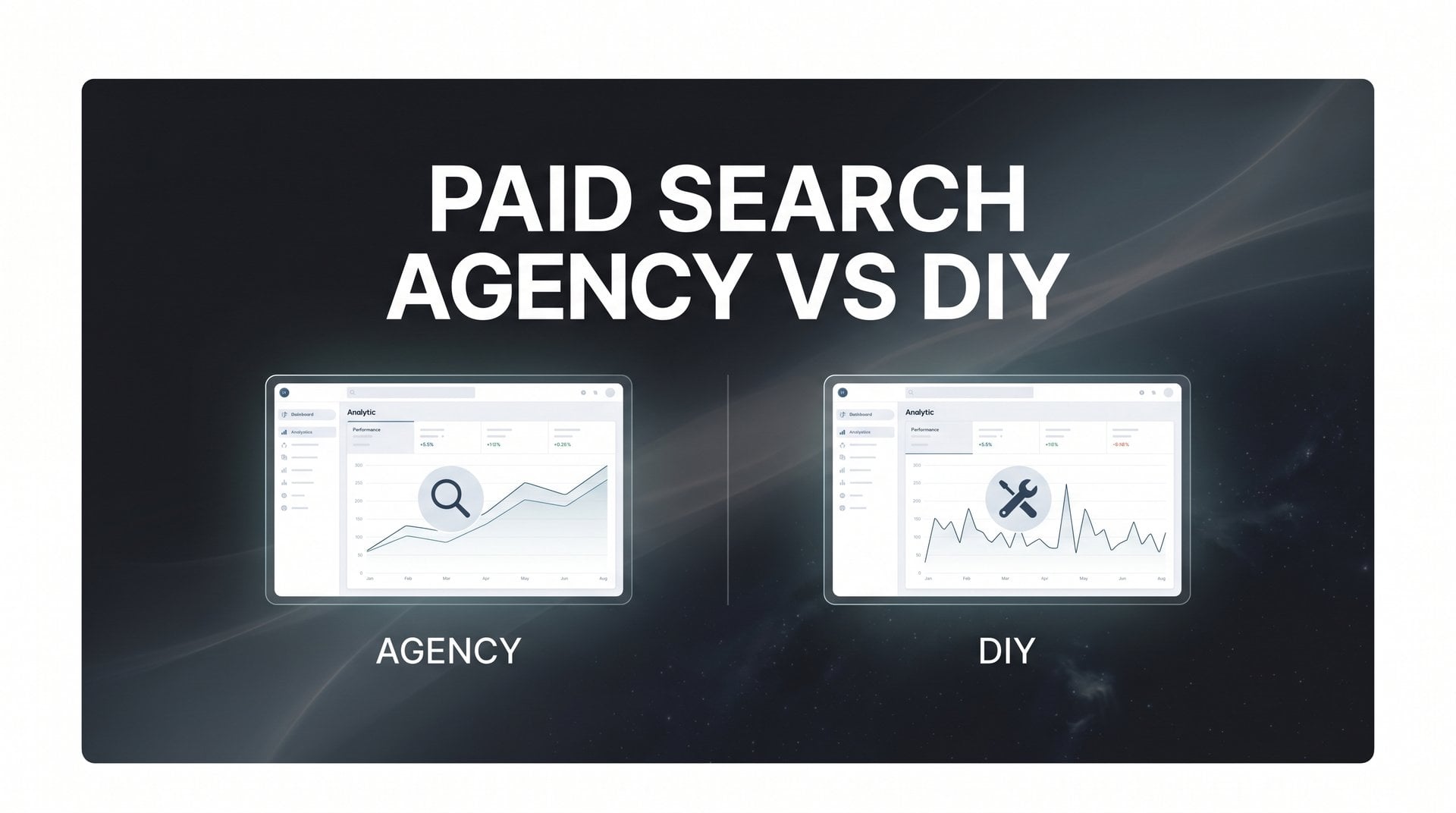
What is the difference between an agency and a freelance expert? Agencies offer a team-based approach with potentially broader access to cross-platform resources, whereas freelance experts often provide more direct communication and deeper focus on specific account nuances. The choice depends on your budget scale and the complexity of your marketing stack.
How do paid search experts handle privacy regulations in 2026? Experts focus on "First-Party Data" collection. They transition accounts toward server-side tracking and advanced matching to ensure that performance data remains robust even as third-party cookies are deprecated across browsers.
Can a paid search expert help with SEO? While their primary expertise lies in paid channels, they possess a wealth of keyword performance data that is invaluable for SEO teams. They can identify which terms result in conversions, allowing SEO specialists to prioritize organic content efforts on high-value terms.
What is the industry standard for reporting? Reporting should focus on business outcomes, not just campaign metrics. A quality expert provides reports that track total revenue, conversion value, and return on ad spend (ROAS), rather than focusing only on click-through rates or impressions.
Recommendation for Next Actions
To begin, conduct an internal review of your current conversion tracking to ensure every goal is accurately mapped to a value. If your tracking is sound, interview potential experts by asking them specifically how they manage "automated bidding" and "privacy-compliant tracking." Request a sample audit of your existing account to gauge their technical diagnostic skills before committing to a long-term engagement.
Image Gallery