Navigating the Future: A Comprehensive Guide to Walt Disney World Expansion
Walt Disney World expansion refers to the continuous multi-year development, infrastructural updates, and themed land additions across Florida's resort property, aimed at increasing guest capacity, introducing modern intellectual prope...
Walt Disney World expansion refers to the continuous multi-year development, infrastructural updates, and themed land additions across Florida's resort property, aimed at increasing guest capacity, introducing modern intellectual properties, and modernizing park experiences.
Contents
The landscape of Walt Disney World in Lake Buena Vista, Florida, is in a perpetual state of evolution. Unlike static museums or permanent historical monuments, the resort functions as a dynamic, living ecosystem that continually responds to shifting consumer demands, technological breakthroughs, and corporate strategic priorities. Understanding a Disney World expansion project requires looking past the marketing hype to examine the structural realities, financial commitments, permitting phases, and logistical challenges involved in transforming one of the world's most visited entertainment complexes.
Whether Walt Disney Company leadership announces blue-sky concepts at an industry convention or breaks ground on a billion-dollar themed land, each initiative follows a rigorous lifecycle. For theme park enthusiasts, travel planners, and industry analysts, tracking these developments requires a comprehensive grasp of how projects move from abstract corporate announcements to tangible, operational attractions.
The Strategic Framework of Resort Growth
Modern park development is driven by a calculated balance between protecting legacy intellectual property and introducing fresh, high-demand franchises. When executive leadership greenlights a major resort expansion, the decision is backed by exhaustive market research, capital allocation strategies, and multi-year master planning.
The primary catalyst for ongoing development is capacity management. As visitor volume rebounds and scales upward following historic disruptions, infrastructure must expand to absorb crowds efficiently. This involves more than just building new roller coasters or dark rides. A comprehensive expansion plan requires concurrent updates to transportation networks, hotel room inventories, dining capacities, utility grids, and backstage operational spaces.
Furthermore, park development operates on remarkably long lead times. A major land addition often requires three to five years from the initial design phase to the opening day. Consequently, current expansions reflect strategic bets made years in advance regarding which entertainment franchises will maintain cultural relevance and consumer appeal over the long term.
Verified Status by Major Resort Segment
To understand the scope of change across the Florida property, it is necessary to examine developments park by park. Each theme park and resort area maintains a distinct identity, regulatory environment, and expansion trajectory.
Magic Kingdom Park
As the resort's historic anchor, Magic Kingdom presents unique spatial and infrastructural challenges for developers. Because the park is built upon a vast concrete utility infrastructure known as the "Utilidors," major structural additions require careful engineering.
Recent planning initiatives focus heavily on the space beyond Frontierland, often discussed under placeholder concepts like "Beyond Big Thunder." This proposed initiative represents one of the largest potential acreage expansions in the park's history, rivaling the footprint of New Fantasyland. While early conceptual phases explore possibilities for Villains-themed areas and additional major franchises, physical construction requires rerouting administrative roads and expanding the park's perimeter utility grid.
Epcot
Epcot has undergone the most radical transformation in its history, shifting from a didactic celebration of human achievement and international culture toward immersive realms anchored by globally recognized entertainment properties.
The completion of the World Celebration and World Discovery neighborhoods reorganized the park's central spine, replacing legacy structures with flexible festival spaces, gardens, and modern attractions like Guardians of the Galaxy: Cosmic Rewind. These efforts successfully redefined the park's operational flow, moving away from rigid architectural zones toward integrated, character-driven pavilions.
Disney's Hollywood Studios
Disney’s Hollywood Studios transitioned from a working television and movie production lot into a fully immersive environment populated by distinct, story-driven worlds. The additions of Star Wars: Galaxy's Edge and Toy Story Land permanently altered guest distribution and attendance metrics.
Current expansion discussions for this gate center on refreshing older infrastructural elements and evaluating underutilized backstage or entertainment spaces for future attractions. Because the park occupies a smaller geographic footprint than Animal Kingdom or Epcot, designers must prioritize vertical integration and high-capacity ride systems over sprawling horizontal expansions.
Disney’s Animal Kingdom
Animal Kingdom balances strict zoological operational requirements with traditional theme park engineering. Because living animal habitats occupy a significant portion of the park's acreage, any adjacent construction must account for animal welfare, acoustic mitigation, and environmental impact studies.
Proposals to transform the remaining spaces within DinoLand U.S.A. into new lands inspired by tropical Americas and global adventure franchises illustrate the methodical nature of modern park redesign. These transitions require phasing out legacy attractions while constructing complex, weather-resistant outdoor environments and high-capacity dark rides.
| Resort Area | Primary Focus | Representative Recent or Proposed Project | Strategic Objective |
|---|---|---|---|
| Magic Kingdom | High-capacity family entertainment and spatial growth | Beyond Big Thunder expansion concepts | Increase ride absorption and introduce new intellectual properties |
| Epcot | Modernization of legacy pavilions and festival infrastructure | World Celebration neighborhood redesign | Enhance guest flow and integrate modern entertainment brands |
| Hollywood Studios | Immersive multi-attraction intellectual property lands | Star Wars: Galaxy's Edge | Maximize daily guest dwell time and per-capita spending |
| Animal Kingdom | Themed environmental storytelling and zoological integration | Tropical Americas transformation | Refresh underutilized zones with high-demand franchises |
Infrastructural and Environmental Impacts
Building within Central Florida presents unique logistical, environmental, and regulatory hurdles that shape every expansion project. The region's geography, characterized by high water tables, wetlands, and seasonal weather extremes, dictates engineering methodologies.
Water Management and Permitting
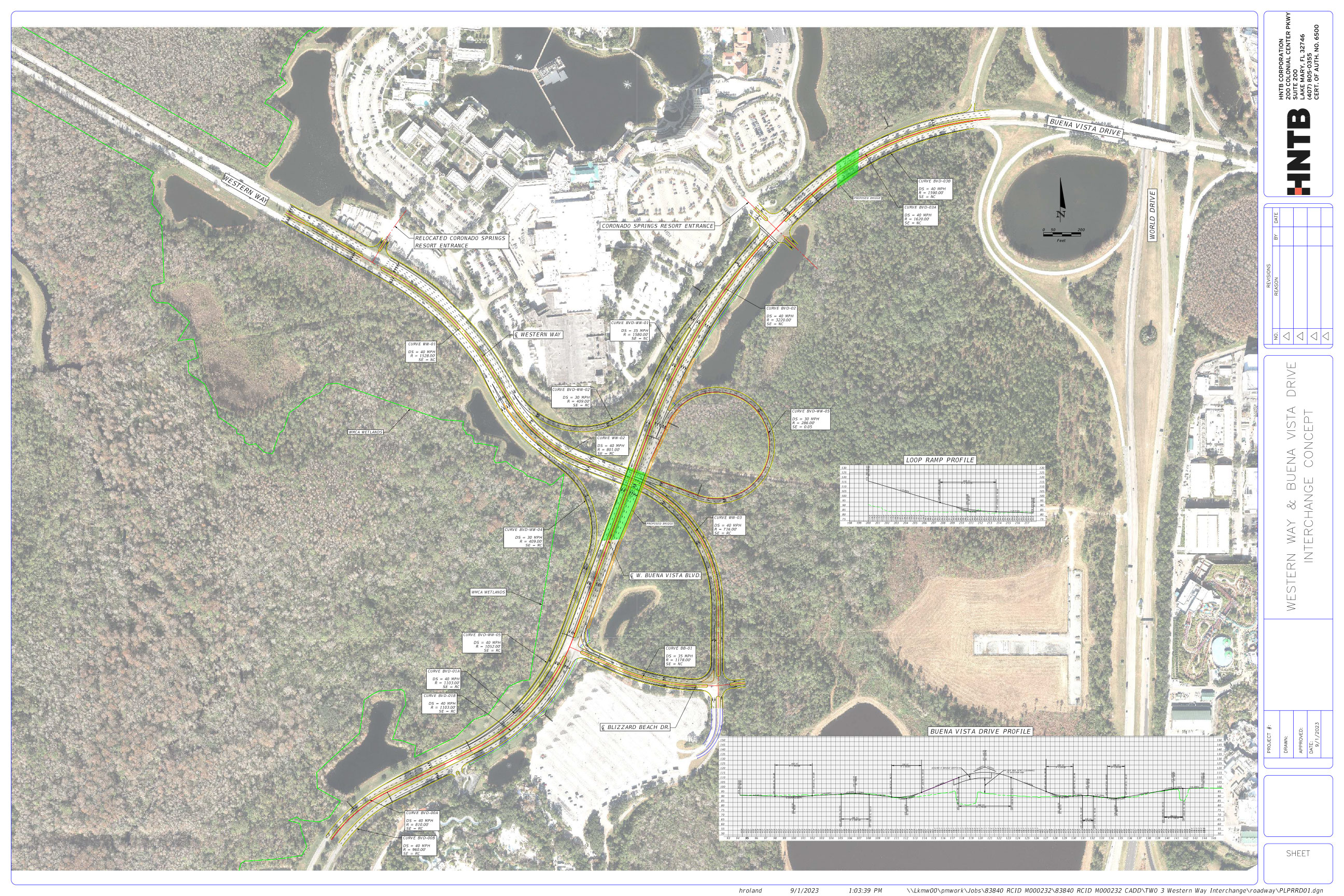
Before a single foundation can be poured, developers must navigate complex permitting processes with entities such as the South Florida Water Management District and the Florida Department of Environmental Protection. Because much of the original property consists of wetlands, strict mitigation rules require the creation of equivalent or superior environmental preserve areas elsewhere to offset any disruption caused by construction.
Drainage retention systems, subterranean utility rerouting, and advanced stormwater management must be engineered into every blueprint. These unseen investments frequently account for a substantial percentage of a project's total capital expenditure, ensuring that new lands can withstand heavy tropical downpours without compromising guest safety or park operations.
Supply Chain and Construction Logistics
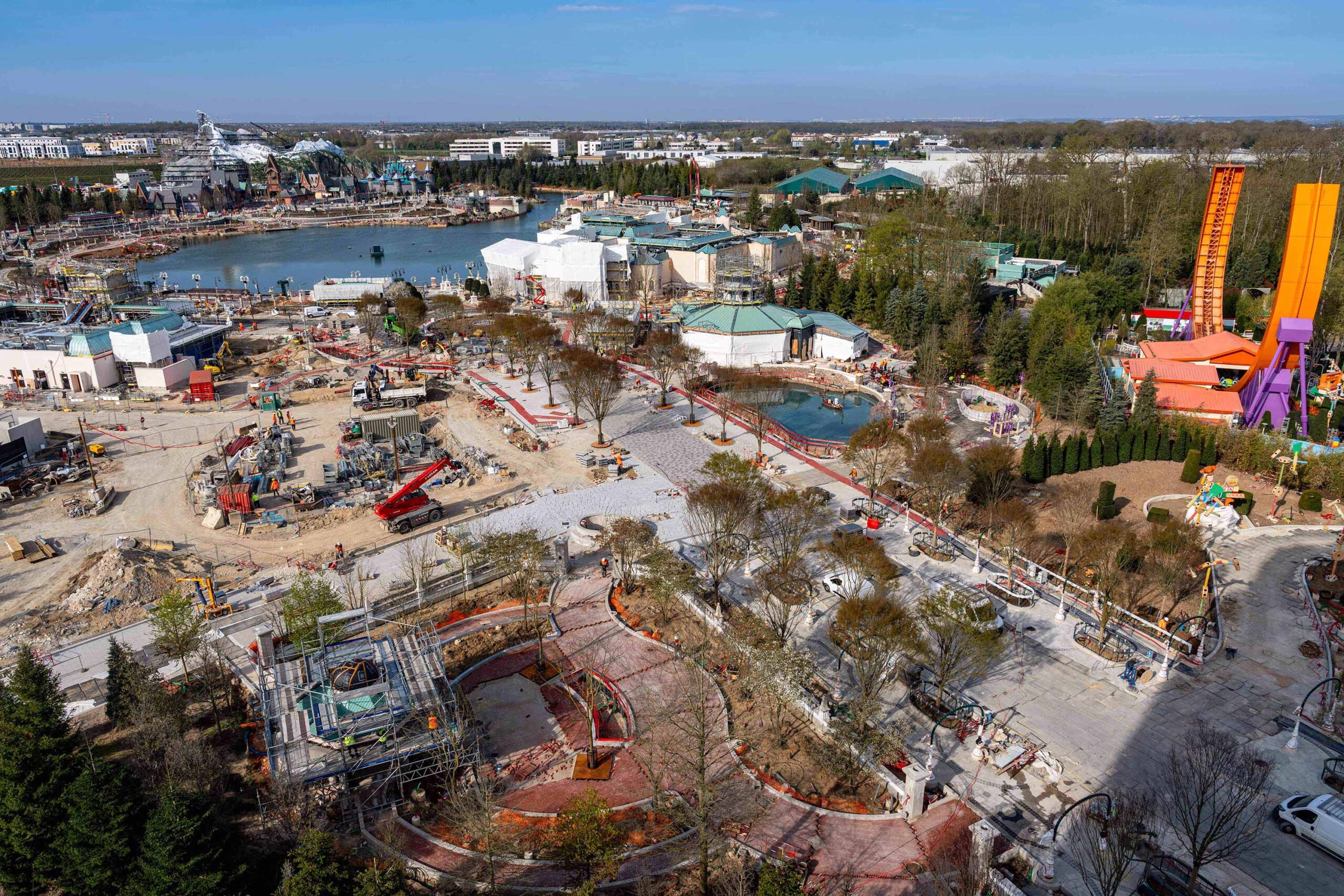
Executing large-scale construction in an active, round-the-clock resort environment requires meticulous logistical coordination. Heavy machinery, specialized steel fabrication, and custom animatronic systems must be delivered during narrow overnight windows when guest foot traffic is minimal.
Furthermore, theme park construction relies on specialized artisans, structural engineers, and entertainment technicians. Sourcing skilled labor capable of executing the precise artistic detailing required for themed environments—such as artificial rockwork, specialized concrete carving, and immersive architectural weathering—remains a critical factor in maintaining project timelines.
Economic Considerations and Cost Analysis
Investing billions of dollars into theme park expansion requires careful financial forecasting by corporate stakeholders and parent entities. Capital allocation decisions are weighed against anticipated returns on investment, hotel occupancy lifts, and merchandise revenue projections.
Capital Expenditure Dynamics
A major resort expansion is rarely funded as an isolated expense. Instead, it forms part of a multi-billion-dollar capital expenditure cycle designed to stimulate broader economic activity across the entire resort ecosystem. When a new land opens, it generates a halo effect:
- Ticket Sales: Drives multi-day ticket purchases as guests extend vacations to experience new offerings.
- Resort Bookings: Increases occupancy rates at Disney-owned and operated resort hotels.
- Per-Capita Spending: Boosts revenue in food, beverage, and exclusive merchandise sales tied to the new intellectual property.
However, these projects also introduce short-term operational headwinds. Construction walls can disrupt traffic flow, diminish the guest experience in adjacent areas, and temporarily depress satisfaction scores until the new offerings debut and absorb the crowds.
Practical Guidance for Visitors During Major Expansions
Navigating Walt Disney World while active construction projects are underway requires strategic planning. Visitors who understand how to adapt to park modifications can minimize disruptions and maximize their vacation value.
How to Plan Around Construction Zones
- Monitor Official Announcements: Rely on verified corporate press releases and official park applications rather than unverified rumors circulating on social media forums.
- Review Park Maps and Advisory Notices: Check official resort channels prior to arrival for temporary pathway closures, attraction refurbishments, and transportation adjustments.
- Utilize Strategic Timing: Arrive before park opening (rope drop) to access popular attractions before construction-induced bottlenecks affect primary pathways.
- Maintain Flexible Itineraries: Understand that outdoor entertainment and parade routes may be temporarily altered to accommodate construction staging areas.
Frequently Asked Questions
What is the typical timeline for a major Disney World expansion?
A major theme park land or multi-attraction expansion typically requires three to five years from the initial blue-sky design phase and public announcement to opening day. This timeline encompasses environmental permitting, architectural engineering, physical construction, and extensive ride-system testing before public debut.
How do expansions affect existing park operations and guest capacity?
While construction walls can temporarily restrict walkways and remove specific older attractions, the primary long-term goal of an expansion is to increase overall park capacity. New lands are specifically engineered to absorb larger crowds, distribute wait times more evenly, and extend the average length of stay for visiting guests.
Are older, classic attractions removed to make room for new expansions?
Not always, but spatial limitations in parks like Magic Kingdom and Hollywood Studios occasionally require the repurposing of underutilized spaces or the retirement of aging attractions. Designers weigh historical sentiment against modern guest demand when deciding whether to preserve a legacy ride or introduce a new intellectual property.
How does Disney manage environmental regulations during construction?
The resort operates under strict oversight from local, state, and federal environmental agencies. Developers must secure comprehensive permits for stormwater management, wetland mitigation, and wildlife protection before breaking ground on any undeveloped acreage within the property boundaries.
Do hotel room rates increase when a new land opens?
Historically, the introduction of a high-profile expansion drives a significant surge in consumer demand, which often correlates with higher resort occupancy rates and adjustments to seasonal pricing structures across property-owned hotels. Visitors looking to experience new openings should book accommodations well in advance.
Strategic Next Actions
For travelers and stakeholders monitoring resort developments, the most effective approach is to anchor expectations in verified milestones rather than speculative timelines. Review official park updates, verify permitting filings for upcoming infrastructural work, and plan travel dates around confirmed opening windows to ensure an optimal vacation experience.
Image Gallery