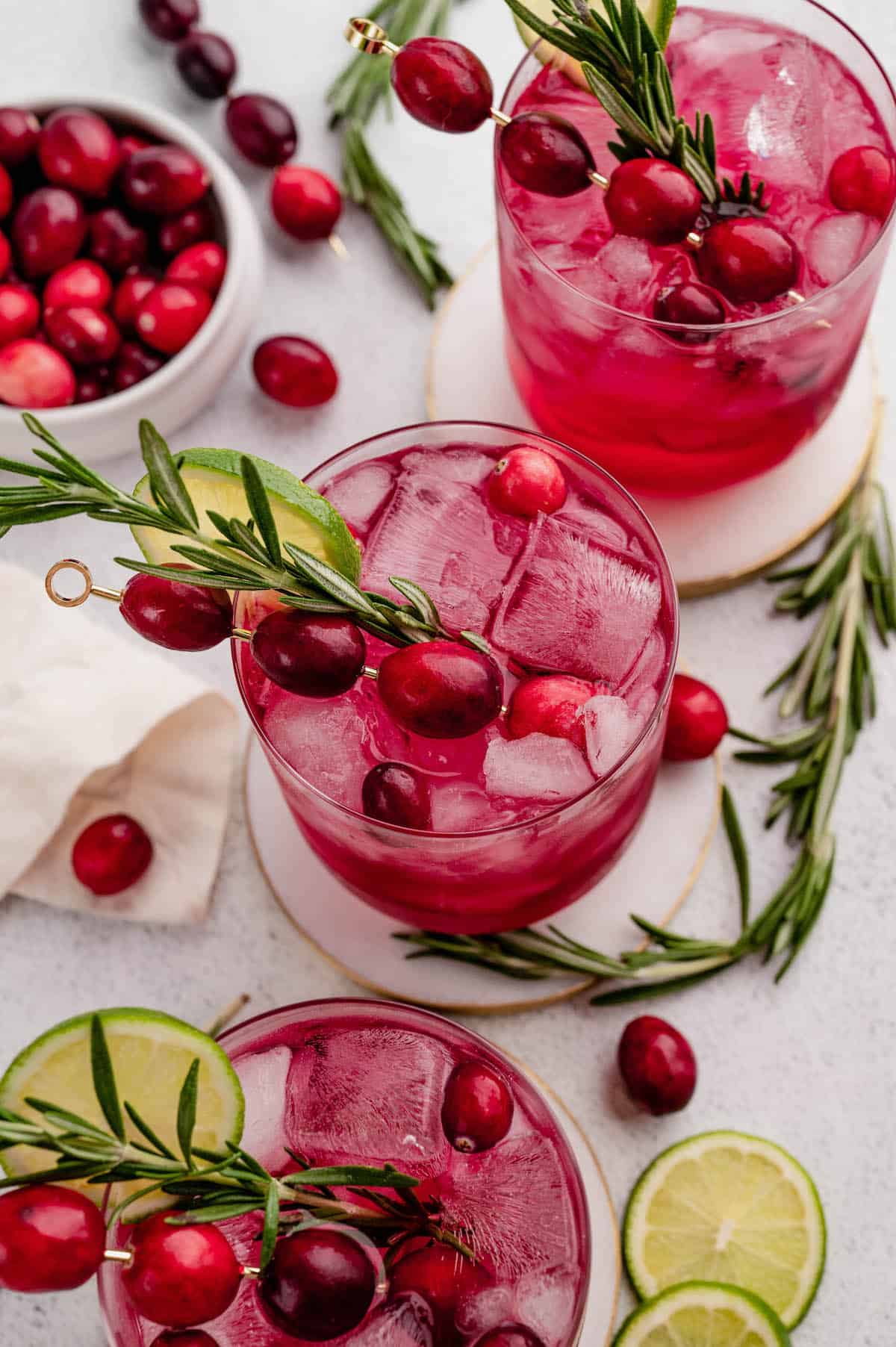
Mastering the Culinary Synergy of Cranberry and Rosemary
The combination of cranberry and rosemary offers a sophisticated balance of tart, acidic fruit notes and the resinous, pine-like aromatics of a hardy evergreen herb. In professional kitchens, this pairing is primarily utilized to bridg...
The combination of cranberry and rosemary offers a sophisticated balance of tart, acidic fruit notes and the resinous, pine-like aromatics of a hardy evergreen herb. In professional kitchens, this pairing is primarily utilized to bridge the gap between sweet and savory flavor profiles, providing essential brightness to heavy proteins, structure to acidic sauces, and complex aromatic depth to autumnal baked goods.
Contents
The Flavor Science of Pairing Cranberry and Rosemary
To understand why cranberry and rosemary work together, one must analyze their volatile organic compounds. Cranberries (Vaccinium macrocarpon) contain high levels of benzoic, quinic, and malic acids, which provide their signature sharp, tart profile. This acidity acts as a palate cleanser, cutting through the richness of fats. Rosemary (Salvia rosmarinus) contains cineole and camphor, which provide a cooling, woody, and intensely aromatic quality.
When paired, the rosemary’s piney undertones anchor the high-pitched acidity of the cranberry. This creates a "flavor bridge"—a culinary technique where the aromatic complexity of an herb prevents the fruit from tasting one-dimensionally sweet, while the fruit prevents the herb from tasting overly medicinal. This synergy is particularly effective when working with game meats, fatty poultry, or rich dairy-based desserts.
Essential Preparation Techniques
To achieve the best results, the handling of each ingredient must respect its unique structure.
Handling Cranberries
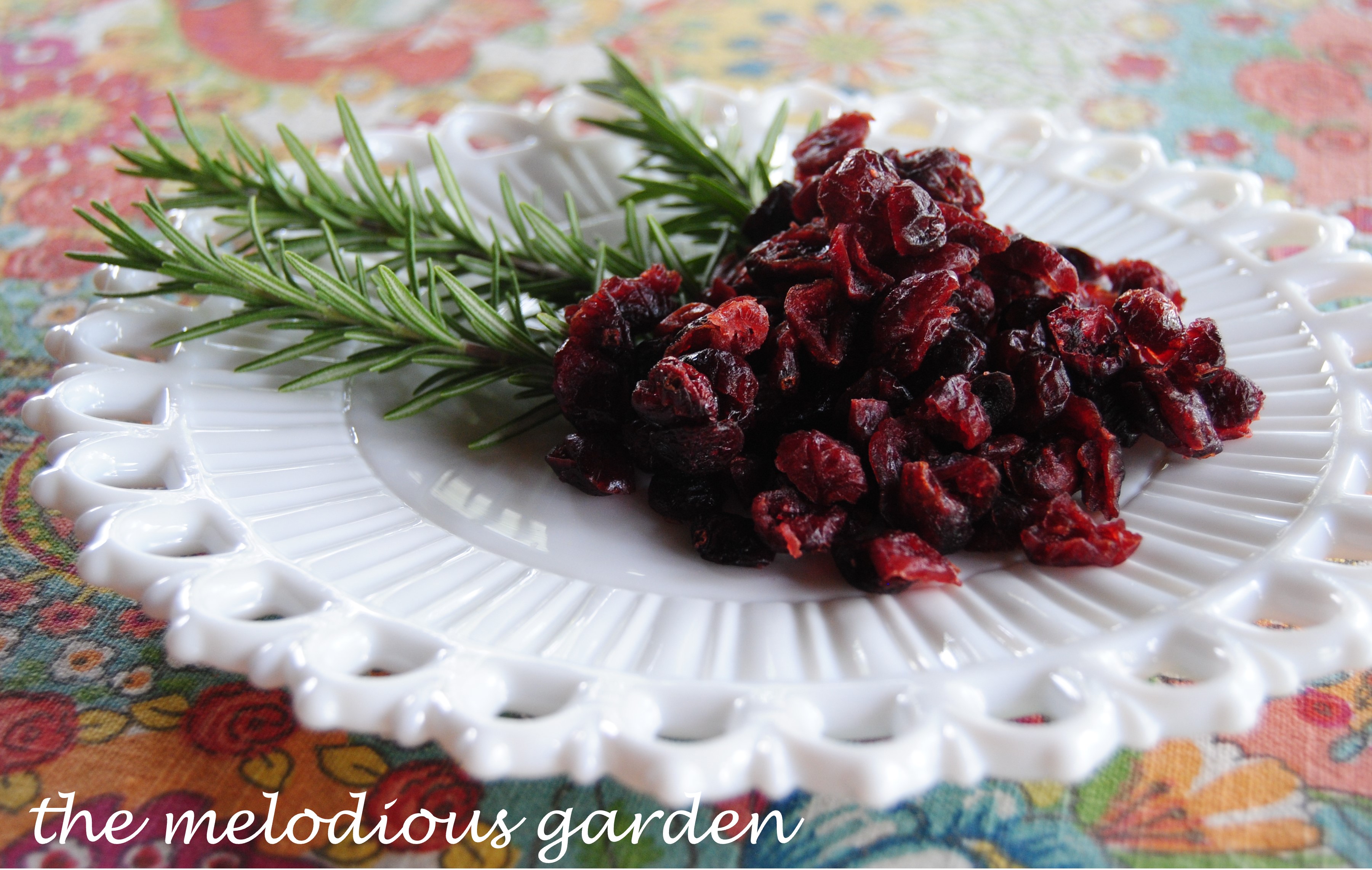
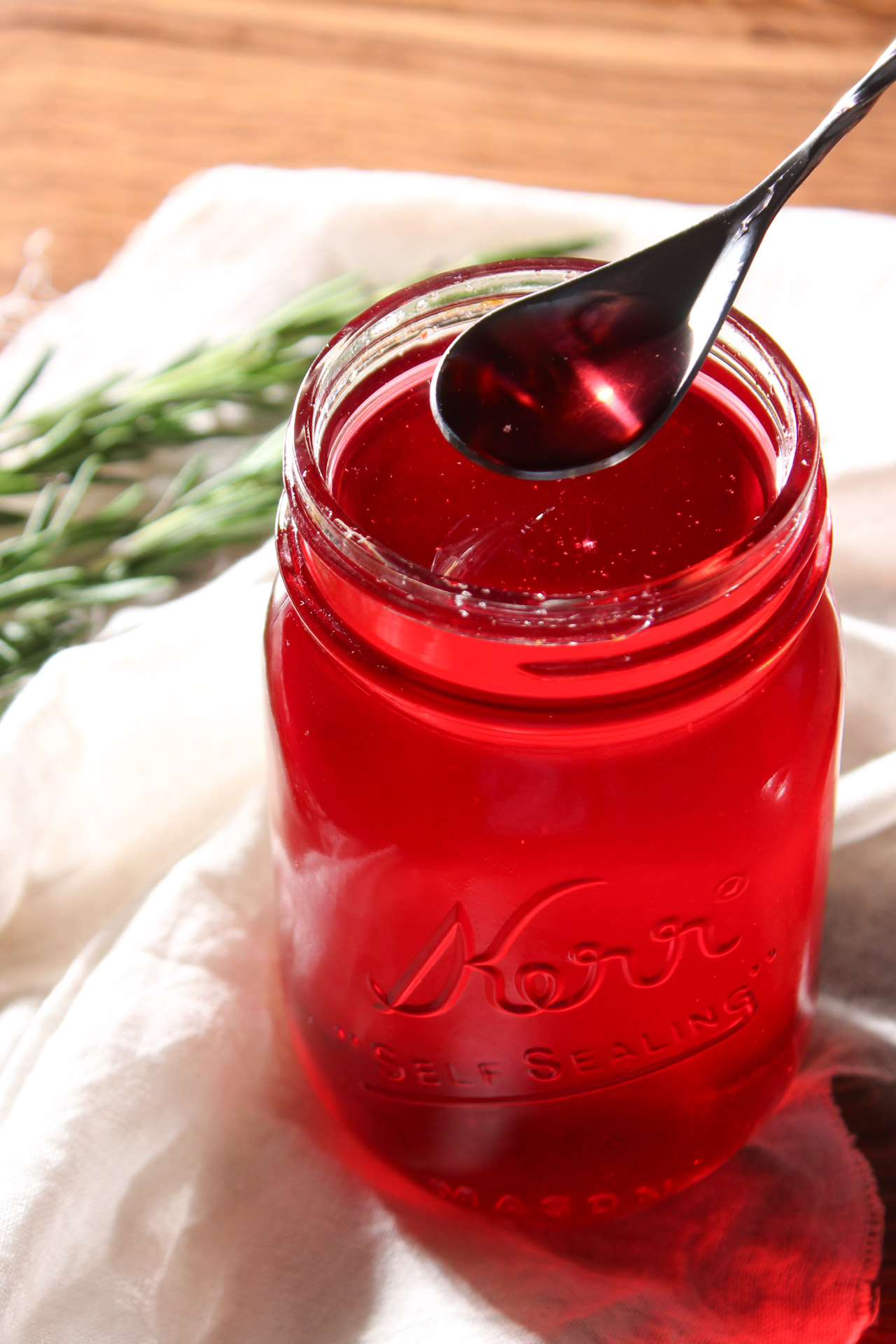
- Fresh vs. Frozen: Fresh cranberries provide a superior texture for sauces where berry integrity is desired. Frozen cranberries, however, break down faster, making them ideal for jams, jellies, or purees where a smooth consistency is the goal.
- Tannin Management: Cranberries are high in tannins. If cooked too long without balancing agents (such as sugar, honey, or fats), the mixture can become unpleasantly astringent. Always balance your cranberry base with an appropriate sweetener or fat to mitigate this.
Handling Rosemary
- Whole Sprigs vs. Minced: Whole sprigs are best for infusions—steeping in liquids for sauces or roasting with meats—where the flavor should be subtle. Minced or finely chopped rosemary is necessary for compound butters, rubs, or bread doughs where you want a concentrated burst of flavor.
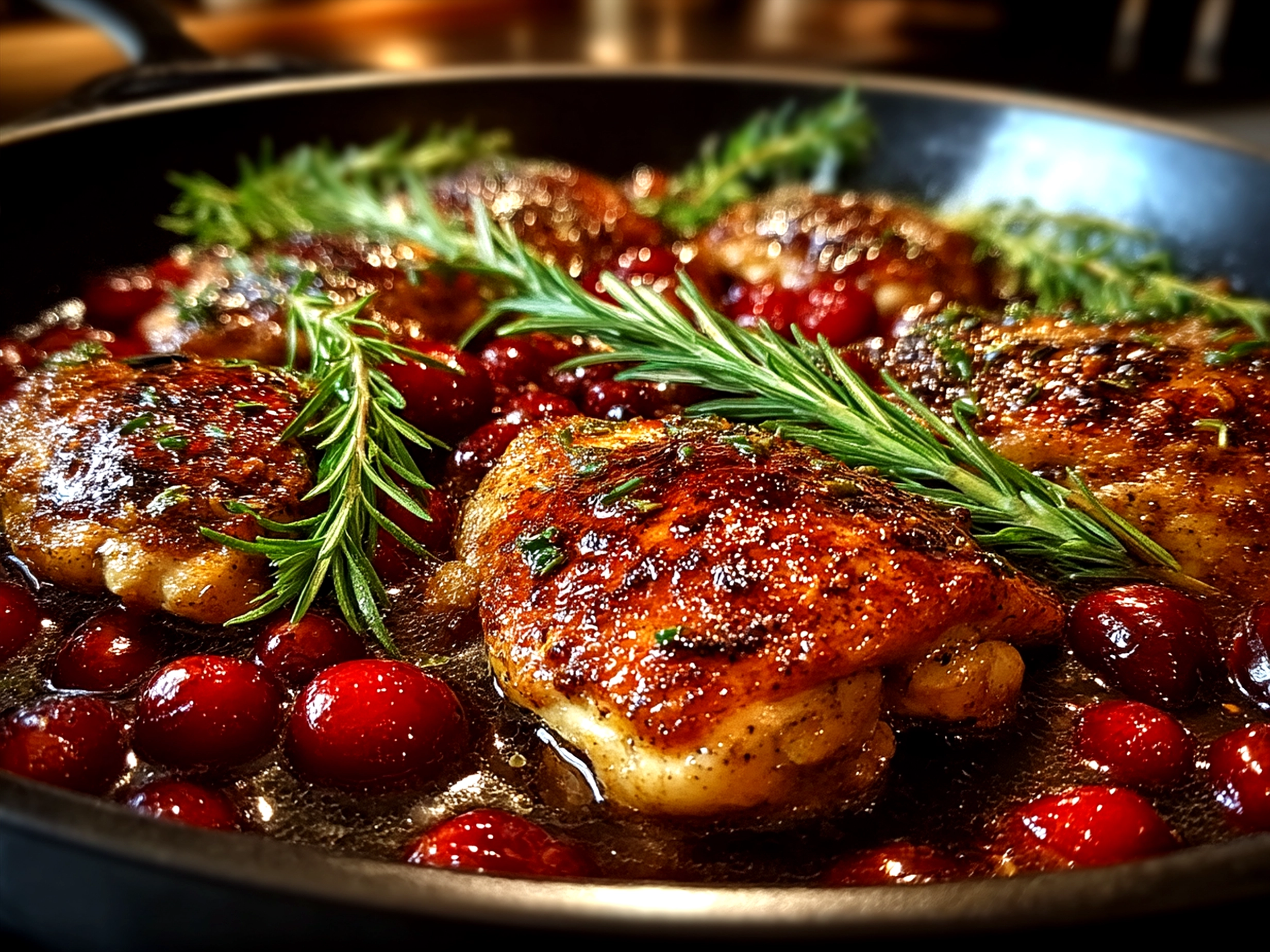
- Heat Sensitivity: Unlike some delicate herbs, rosemary is robust and stands up well to long cooking times. However, if cooked at excessively high temperatures, the needles can burn, turning bitter. In high-heat roasting, keep rosemary tucked beneath the skin of the protein or partially submerged in pan drippings to prevent charring.
Culinary Applications by Category
The versatility of this pair allows for use across a spectrum of culinary applications.
| Category | Primary Function | Preparation Strategy |
|---|---|---|
| Roasting (Meats/Vegetables) | Aromatics & Glazing | Use whole sprigs for basting; create a cranberry-rosemary reduction glaze for the final 10 minutes of cooking. |
| Sauces & Reductions | Acid Balance | Sauté aromatics in fat, add cranberries to burst, finish with fresh rosemary to preserve essential oils. |
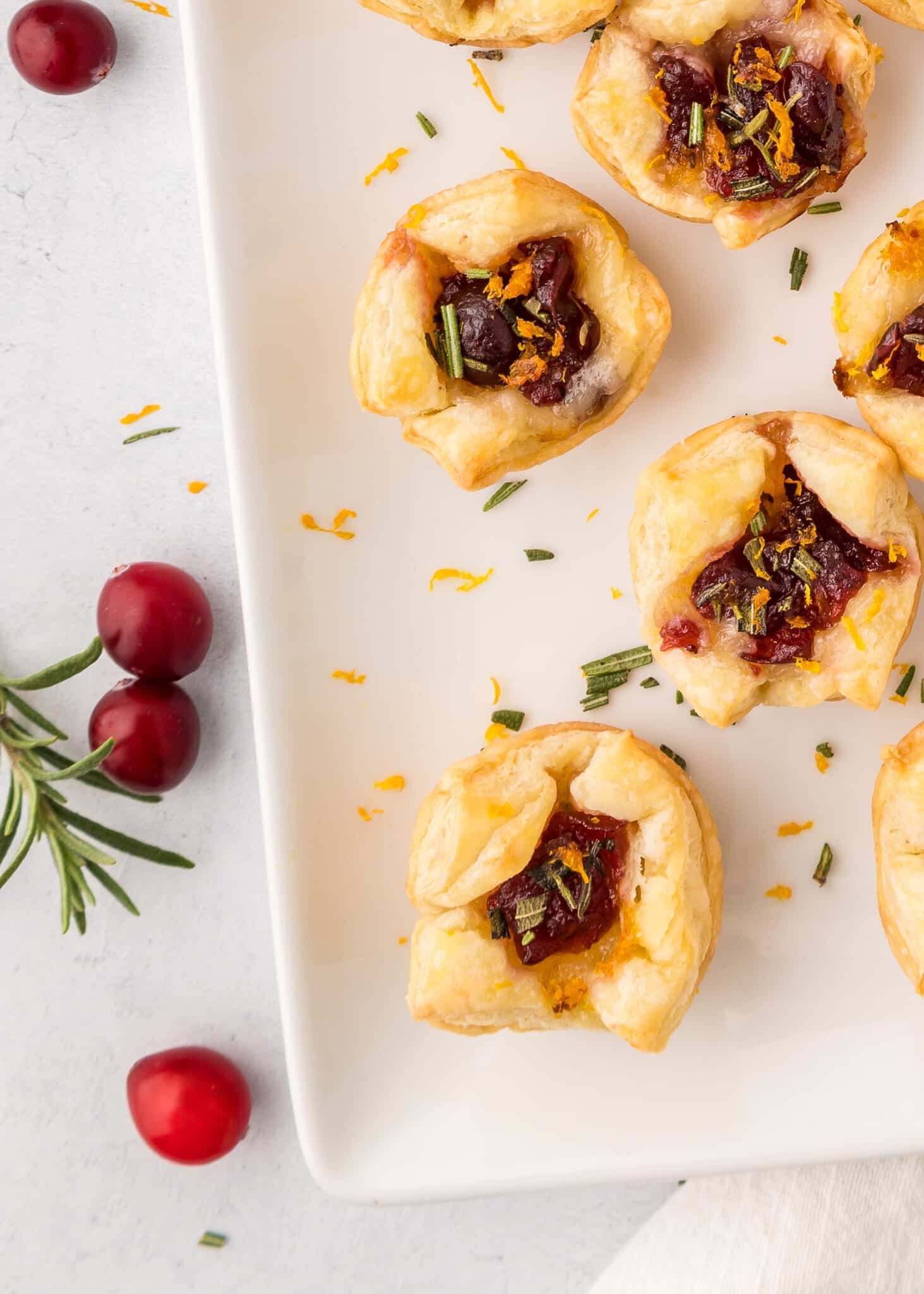
| Baked Goods | Texture & Contrast | Fold fresh or dried cranberries into doughs; infuse rosemary into butter or oils before baking. |
| Compound Butters | Finishing | Finely mince fresh rosemary and fold into softened butter with cranberry zest or dried bits for savory finishes. |
Practical Integration: The Cranberry-Rosemary Reduction
One of the most effective ways to utilize these ingredients is in a reduction. This technique creates a versatile sauce that can be paired with turkey, pork tenderloin, or even roasted root vegetables.
Steps for Execution:
- Sauté the aromatics: Begin by sweating shallots or small-diced onions in a neutral oil or butter.
- Infuse the rosemary: Add whole sprigs of rosemary to the fat. The fat acts as a carrier for the fat-soluble flavor compounds in the herb.
- Incorporate the cranberries: Add fresh or frozen cranberries to the pan, increasing the heat to medium-high to encourage them to burst.
- Deglaze: Use a dry white wine or a high-quality stock to deglaze the pan, scraping up any fond.
- Simmer and Mount: Allow the mixture to reduce until thickened. Before serving, remove the woody rosemary stems and "mount" the sauce with a knob of cold, unsalted butter to provide a glossy finish and rounded mouthfeel.
Common Pitfalls and Troubleshooting
Even seasoned cooks can encounter issues when balancing bold ingredients.
- Over-powering the Palate: Rosemary is an aggressive herb. Always err on the side of caution; it is easier to add more infusion time than it is to remove the piney, medicinal flavor once it has permeated the dish.
- The "Raw" Herb Problem: Rosemary needles have a tough, fibrous cellulose structure. If you are preparing a dish where the herbs will be consumed (such as a compound butter or focaccia topping), ensure the rosemary is minced extremely finely. Larger pieces can be unpleasant to chew.
- Discoloration: When cranberries are cooked in reactive pans (such as aluminum or cast iron without a non-stick coating), the acid can cause the sauce to turn a dull or metallic color. Use stainless steel or enameled cookware to maintain the vibrant red hue of the fruit.
Seasonal Considerations for 2026
In professional kitchens throughout 2026, the trend of using "foraged" or "heirloom" aromatics remains high. When sourcing your rosemary, look for "Blue Spires" or "Tuscan Blue" varieties, which tend to have a higher oil content and a more robust fragrance than generic nursery-grade plants. For cranberries, the focus remains on regional sourcing; using berries closer to their peak harvest window ensures a natural sugar-to-acid ratio that requires less external sweetening, allowing the rosemary to shine more brightly.
Frequently Asked Questions
1. Can I substitute dried rosemary for fresh? Yes, but the ratio is not 1:1. Because dried herbs are concentrated, use one-third the amount of dried rosemary compared to fresh. Additionally, crush the dried leaves between your palms before adding them to release their oils.
2. Why does my cranberry sauce turn bitter? Bitterness is often a result of overcooking the cranberries or failing to balance the tannins with a fat or sweetener. If the sauce turns bitter, add a pinch of salt or a splash of citrus juice (like orange) to brighten the profile and mask the harshness.
3. Is it possible to use this combination in sweet desserts? Absolutely. Cranberry and rosemary are excellent in shortbread, scones, or white chocolate ganaches. The rosemary adds an earthy complexity that prevents white chocolate or sugar-heavy recipes from becoming cloying.
4. How do I store rosemary to keep it fresh? Treat rosemary like a cut flower. Trim the ends of the stems and place them in a small glass of water in the refrigerator, loosely covered with a plastic bag. This can extend the life of the herb by up to two weeks.
5. What proteins pair best with cranberry and rosemary? This combination excels with fatty, gamey meats. Duck, lamb, pork belly, and dark-meat turkey are ideal, as the tartness of the cranberry cuts the heavy fat, while the rosemary complements the natural gamey flavor profile of the meat.
Recommendation for Next Steps
To truly understand the depth of this flavor profile, begin by preparing a simple cranberry-rosemary compound butter. Take 100 grams of unsalted butter, 1 tablespoon of finely minced fresh rosemary, and 2 tablespoons of finely chopped dried cranberries. Blend until uniform, roll into a log using parchment paper, and chill. This allows you to experiment with how the flavor interacts with the heat of various proteins—such as a seared steak or pan-roasted chicken—without the commitment of a full sauce or reduction. By tasting this butter on different items, you will quickly identify which fats and textures best complement the specific characteristics of your rosemary and cranberry stock.
Image Gallery