How Do I Make a Three Packet Slow Cooker Roast
Making a three packet slow cooker roast involves combining a chuck roast with ranch seasoning, Italian dressing mix, and brown gravy mix, along with butter and optional pepperoncini peppers, then cooking it on low for eight hours until...
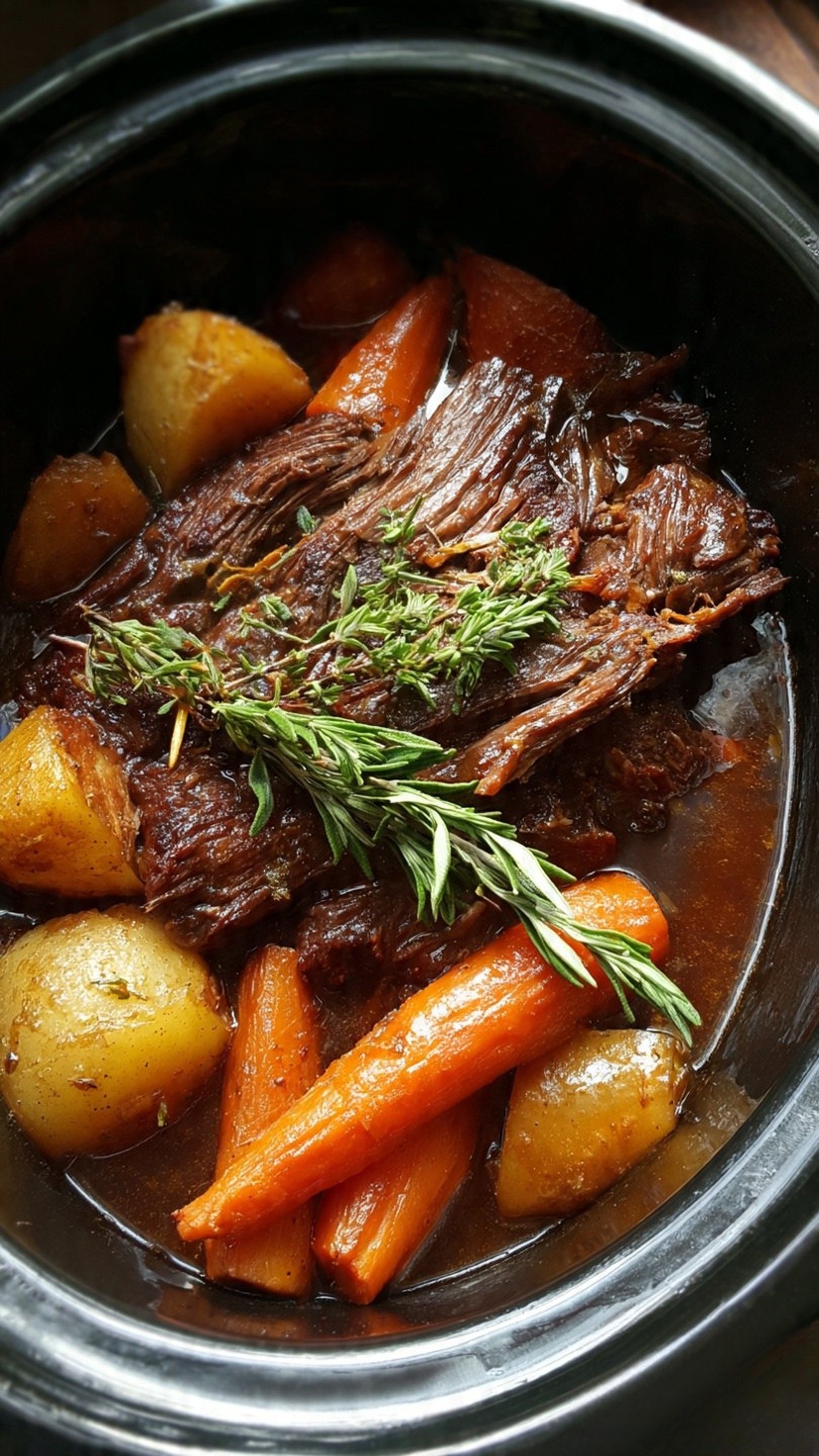
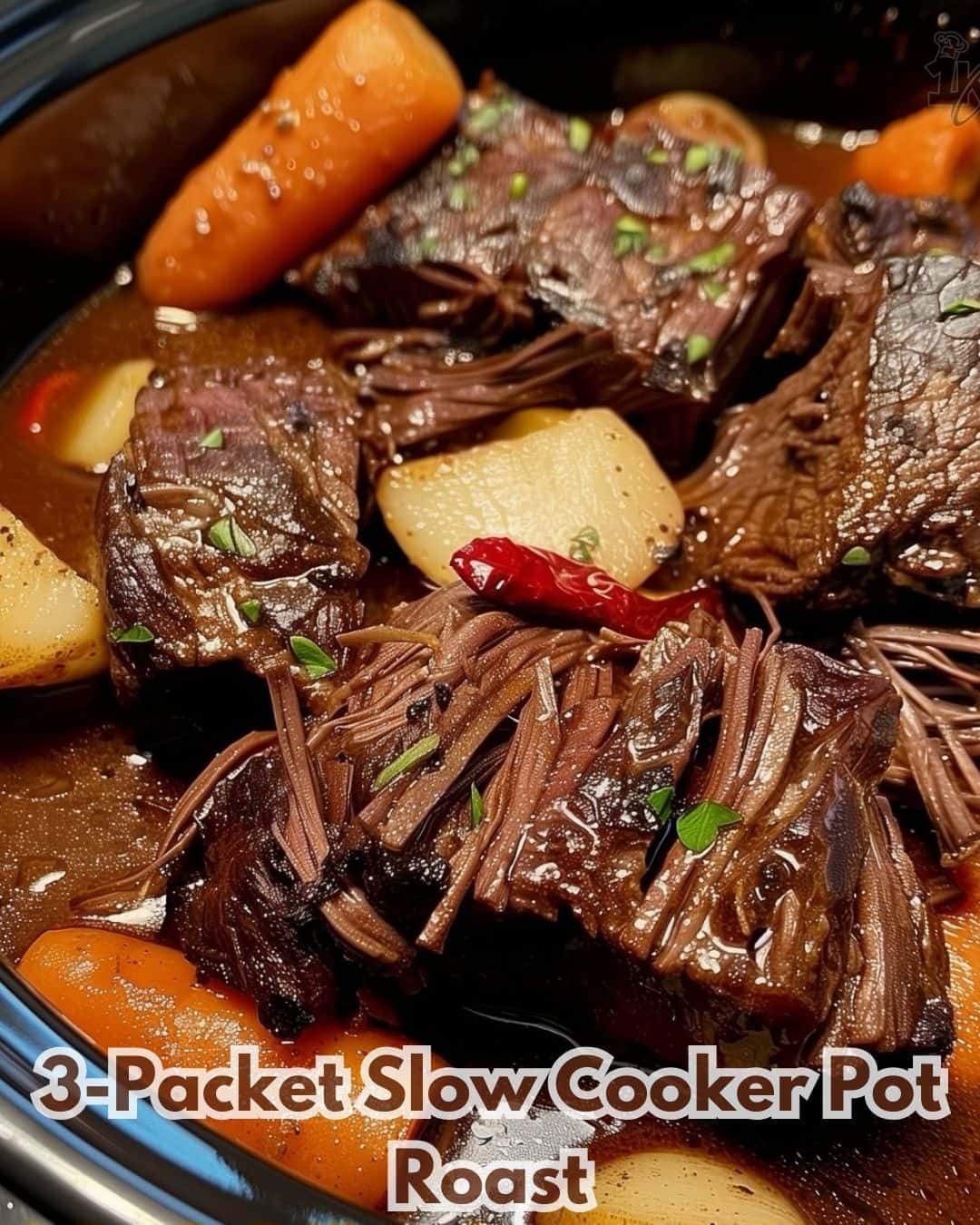
Making a three packet slow cooker roast involves combining a chuck roast with ranch seasoning, Italian dressing mix, and brown gravy mix, along with butter and optional pepperoncini peppers, then cooking it on low for eight hours until fork-tender.
Contents
The culinary landscape of weeknight cooking is filled with shortcuts, but few have achieved the legendary status of the three-packet roast. Often referred to in various online cooking communities as Mississippi pot roast or variations thereof, this dish relies on a straightforward combination of pantry staples to create an exceptionally rich, savory, and tender beef entree. By utilizing pre-measured seasoning packets, home cooks can bypass the complex layering of individual spices, dried herbs, and thickeners while still achieving deep, complex flavors that taste as though they simmered all day in a professional kitchen.
Understanding the mechanics of this recipe goes beyond simply dumping ingredients into an appliance. It requires a balanced approach to fat content, sodium levels, moisture control, and cooking duration. This guide examines every phase of preparing a three-packet slow cooker roast, from selecting the ideal cut of beef to managing the rich pan juices and troubleshooting common culinary pitfalls.
Selecting the Right Ingredients and Equipment
Before beginning the cooking process, assembling the correct components is essential for success. The primary vehicle for this recipe is the beef chuck roast. Selecting a high-quality cut with proper marbling ensures that the meat remains moist and tender throughout the long cooking cycle.
The Beef Chuck Roast
The chuck cut originates from the shoulder of the steer, an area that works hard during the animal's life, resulting in well-developed muscle fibers rich in connective tissue and collagen. When subjected to prolonged, low-temperature moist heat, this collagen melts into gelatin, creating a luxurious mouthfeel and tender texture that leaner cuts like round roast simply cannot replicate. Look for a roast that weighs between three and four pounds, featuring even marbling—the fine flecks of white fat distributed throughout the red meat. Excessively lean roasts will dry out, while overly fatty ones can result in an unpleasantly greasy final sauce.
The Three Packets
The signature flavor profile comes from three distinct commercial dry mix packets:
- Dry Ranch Seasoning Mix: Contributes garlic powder, onion powder, buttermilk solids, herbs, and a notable amount of salt, providing savory depth and a slight tang.
- Italian Dressing Mix: Introduces oregano, basil, thyme, garlic, onion, and red pepper flakes, adding an herbaceous profile that cuts through the richness of the beef.
- Brown Gravy Mix: Acts as the primary thickener and umami booster, providing a rich, beef-flavored base that unifies the other seasonings when combined with the rendering juices.
Fats, Liquids, and Additions
Unlike traditional pot roasts that rely on beef broth or red wine for liquid, the three-packet method extracts moisture primarily from the beef and butter.
- Unsalted Butter: A full stick (half a cup) placed on top of the roast melts slowly over the meat, enriching the sauce and basting the chuck as it cooks. Using unsalted butter is critical because the seasoning packets contain high amounts of sodium.
- Pepperoncini Peppers: Several whole pickled pepperoncini peppers, along with a splash of their brine, are frequently added. They provide a mild, bright acidity that balances the heavy, savory notes of the butter and gravy.
| Ingredient Component | Standard Quantity | Primary Function in the Dish |
|---|---|---|
| Beef Chuck Roast | 3 to 4 lbs | Primary protein source rich in connective tissue for tender shredding |
| Ranch Seasoning Mix | 1 packet (approx. 1 oz) | Adds garlic, herbs, buttermilk tang, and savory depth |
| Italian Dressing Mix | 1 packet (approx. 0.7 oz) | Provides herbaceous notes, oregano, and subtle spice |
| Brown Gravy Mix | 1 packet (approx. 0.87 oz) | Serves as a thickener and concentrated umami base for pan juices |
| Unsalted Butter | 1/2 cup (1 stick) | Enriches the sauce and bastes the meat during the cooking cycle |
| Pepperoncini Peppers | 4 to 6 whole peppers + 2 tbsp brine | Introduces balancing acidity and brightness to cut through richness |
Step-by-Step Preparation Instructions
Executing the recipe requires minimal hands-on time, but following a precise sequence ensures optimal flavor distribution and texture.
Step 1: Optional Searing for Enhanced Depth
While many variations of the three-packet roast skip this step for maximum convenience, searing the chuck roast in a heavy skillet over medium-high heat with a small amount of neutral oil for two to three minutes per side creates a rich caramelized crust via the Maillard reaction. Transfer the seared roast directly into the basin of a six-quart slow cooker.
Step 2: Layering the Dry Seasonings
Position the roast flat at the bottom of the slow cooker. Open the packets of dry ranch seasoning, Italian dressing mix, and brown gravy mix. Sprinkle them evenly across the entire surface of the beef. Avoid dumping all three packets into one concentrated spot, as an even distribution ensures that every bite absorbs the balanced blend of herbs and spices.
Step 3: Adding Fat and Acidity
Place the stick of unsalted butter directly on top of the seasoned roast. Arrange four to six whole pepperoncini peppers around the base of the meat, and pour two tablespoons of the pepperoncini jar brine directly into the bottom of the slow cooker vessel. Do not add extra water, stock, or wine; the natural juices released by the beef combined with the butter and brine create sufficient cooking liquid.
Step 4: Cooking Time and Temperature
Secure the lid on the slow cooker tightly. Set the appliance to the low heat setting and cook for eight to ten hours, or alternatively on the high heat setting for five to six hours. Low and slow cooking is strongly recommended for chuck roasts, as it gives the tough connective tissues adequate time to break down fully without overcooking the outer muscle fibers.
Step 5: Shredding and Serving
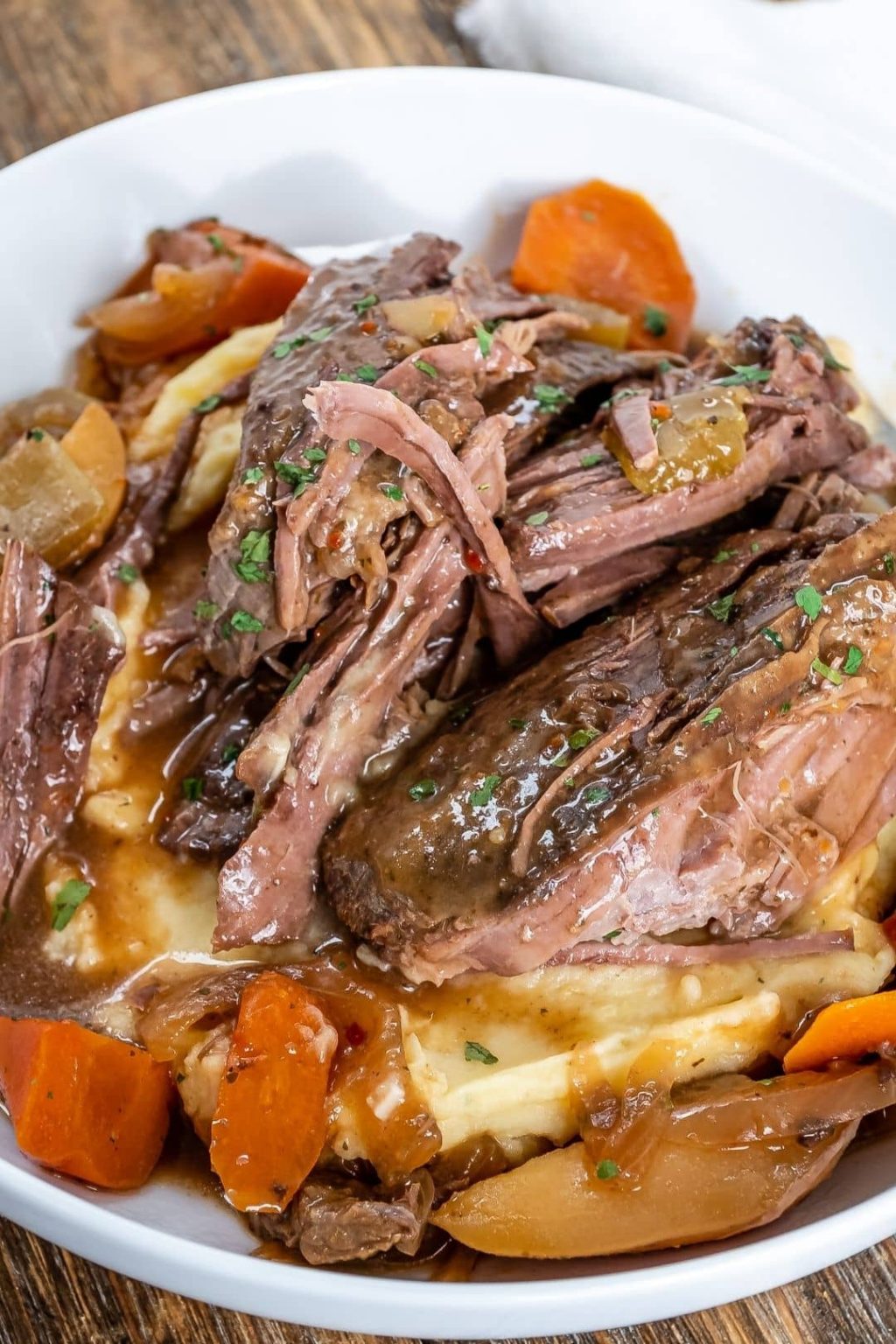
Once the cooking cycle finishes, test the meat by pressing a fork into the center; it should yield with zero resistance and pull apart effortlessly. Use two forks to shred the beef directly inside the slow cooker, tossing the strands thoroughly in the rich pan juices until they absorb the flavorful liquid. Serve warm.
Managing Dietary Needs, Sodium, and Modifications
Because commercial seasoning packets and butter form the foundation of this dish, certain nutritional considerations require attention, particularly for individuals managing sodium intake or specific dietary preferences.
Sodium Management
The combination of ranch mix, Italian dressing mix, and gravy mix contains a high concentration of sodium. To mitigate this without sacrificing flavor:
- Seek out low-sodium or reduced-sodium variants of the gravy and ranch packets where available in grocery stores.
- Always use unsalted butter to prevent compounding the salt content.
- Taste the pan juices before adding any additional table salt or seasoning at the table.
Fat Adjustments
For those seeking a lighter meal, the amount of butter can be reduced from a full stick to half a stick, though this will slightly alter the velvety texture of the final sauce. Alternatively, draining excess rendered fat from the slow cooker surface with a large spoon just before shredding the beef can reduce the overall oil content of the finished dish.
Alternative Cuts of Beef
While chuck roast is the gold standard, other cuts with high collagen content can be substituted if chuck is unavailable:
- Bottom Round Roast: Leaner, requiring careful monitoring to prevent dryness.
- Brisket Flat: Offers deep beef flavor but cooks slightly differently and may require a shorter resting period to remain tender.
- Beef Shoulder Clod: An economical alternative that behaves similarly to chuck roast under slow-cooking conditions.
Common Mistakes and Troubleshooting
Even with a simple recipe, minor oversights can impact the final texture and taste of the roast. Recognizing these issues helps ensure consistent results.
Tough or Chewy Meat
If the roast is tough or chewy after the cooking time has elapsed, the primary cause is almost always insufficient cooking time. Chuck roast requires sustained heat to break down collagen. If testing the meat reveals resistance, secure the lid and continue cooking on low for an additional one to two hours. Never attempt to slice a tough chuck roast prematurely; return it to the liquid and allow it more time.
Excessively Salty Gravy
If the sauce tastes overly salty, do not panic. Avoid adding any more liquid or salt. Instead, serve the shredded beef over an unsalted, absorbent base such as plain mashed potatoes, white rice, or egg noodles. These starches naturally absorb excess sodium and balance the overall flavor profile of the plate.
Watery or Thin Sauce
Because chuck roast releases a significant amount of natural water as it cooks, the resulting sauce can sometimes appear thin. To resolve this, remove the shredded beef from the slow cooker and transfer the remaining liquid to a saucepan on the stovetop. Simmer the liquid over medium-high heat for five to ten minutes to reduce it, or whisk a tablespoon of cornstarch with cold water to create a slurry, stir it into the simmering liquid, and cook until thickened.
Frequently Asked Questions
Can I make a three packet slow cooker roast without butter?
Yes, you can omit the butter, but the resulting dish will lose a significant amount of its rich sauce consistency and velvety mouthfeel. If omitting butter, consider adding a tablespoon of olive oil or a splash of beef broth to compensate for the missing fat content.
Do I need to add water to the slow cooker?
No water is necessary. The beef chuck roast naturally releases substantial moisture as it cooks, which combines with the butter, seasonings, and pepperoncini brine to create an ample amount of rich cooking liquid. Adding extra water will dilute the flavor of the seasoning packets.
How long does it take on high versus low?
The recipe is best cooked on the low setting for eight to ten hours. If time is constrained, you can cook it on the high setting for five to six hours, though extended low-heat cooking consistently yields a more tender and melt-in-your-mouth texture.
What are the best side dishes to serve with this roast?
Because the dish produces a rich, savory gravy, it pairs exceptionally well with starches that absorb sauce effectively. Traditional accompaniments include creamy mashed potatoes, buttered egg noodles, steamed white rice, or crusty artisan bread. Acidic green side dishes, such as a crisp cucumber salad or roasted green beans, help balance the richness of the beef.
Can I freeze leftover three-packet roast?
Leftover shredded roast freezes exceptionally well. Allow the meat to cool completely, then transfer it along with its pan juices into airtight freezer-safe containers or heavy-duty freezer bags. It can be stored in the freezer for up to three months. Thaw overnight in the refrigerator before reheating gently on the stovetop or in a microwave.
Next Actions and Serving Suggestions
With the roast successfully prepared, tenderly shredded, and bathed in its rich pan juices, consider how to present and utilize the leftovers creatively throughout the week. Serve the beef immediately over a bed of garlic mashed potatoes for a classic comforting dinner. Alternatively, use the shredded meat as a flavorful filling for toasted hoagie rolls topped with melted provolone cheese for a decadent French dip-style sandwich, or fold it into tacos paired with pickled onions and fresh cilantro for an unexpected fusion meal.
Image Gallery