Understanding Medicare Supplement Plan G: Coverage, Costs, and Benefits
Medicare Supplement Plan G is a standardized Medigap policy that pays for nearly all out-of-pocket medical expenses left unpaid by Original Medicare Part A and Part B. After meeting the small annual Medicare Part B deductible, Plan G c...
Medicare Supplement Plan G is a standardized Medigap policy that pays for nearly all out-of-pocket medical expenses left unpaid by Original Medicare Part A and Part B. After meeting the small annual Medicare Part B deductible, Plan G covers 100% of eligible hospital, outpatient, emergency, and excess charges, offering predictable healthcare costs.
Contents
What Is Medicare Supplement Plan G?
Medicare Supplement Insurance, commonly referred to as Medigap, is private health insurance designed to fill the "gaps" in Original Medicare (Part A and Part B). Original Medicare pays for many healthcare services and supplies, but it does not cover everything. Beneficiaries remain responsible for deductibles, copayments, and coinsurance amounts that can accumulate rapidly during a major illness or prolonged hospital stay.
Among the ten standardized Medigap plans available in most U.S. states (labeled A through N), Plan G has emerged as the most comprehensive coverage option available to newly eligible Medicare beneficiaries. Federal regulations standardized these plans to ensure that every insurance company offering Plan G provides identical core medical benefits. A Plan G sold by one insurance carrier offers the exact same medical coverage as a Plan G sold by another; the primary differences between providers lie in premium prices, customer service quality, and household discount offerings.
Plan G gained significant prominence following the passage of the Medicare Access and CHIP Reauthorization Act (MACRA). Under MACRA, Medigap plans that cover the Medicare Part B deductible—specifically Plan F and Plan C—could no longer be sold to individuals who became eligible for Medicare on or after January 1, 2020. As a result, Plan G became the flagship option for individuals seeking the maximum level of coverage legally available to new enrollees.
Comprehensive Breakdown of Plan G Coverage
Understanding what Plan G covers—and what it excludes—is critical for managing personal finances and anticipating healthcare costs in retirement. Plan G coordinates directly with Original Medicare. When you receive healthcare, Medicare first pays its approved share, and Plan G subsequently pays its portion of the remaining balance.
What Plan G Covers
Plan G provides extensive coverage across both hospital care (Part A) and outpatient medical care (Part B):
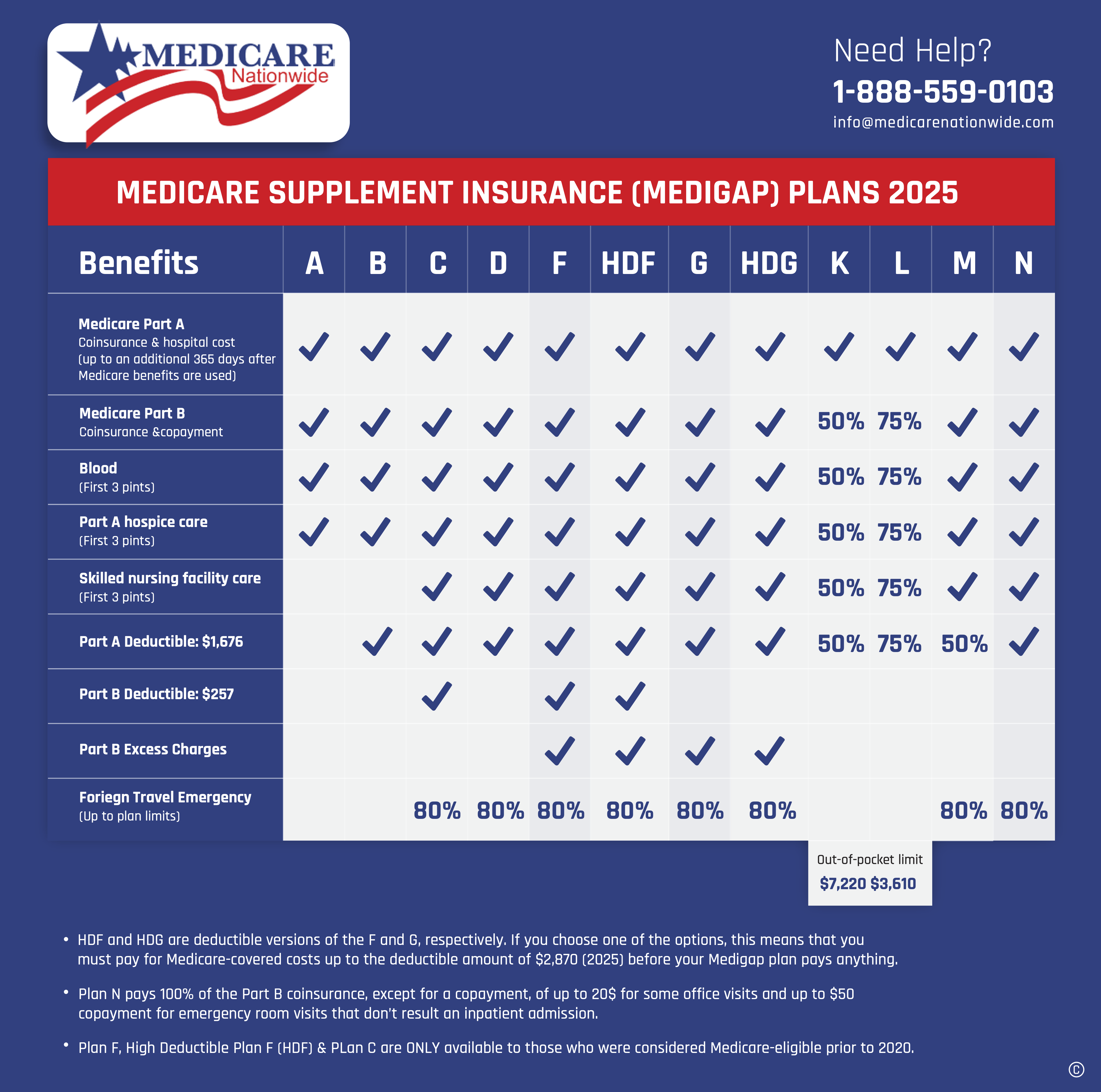
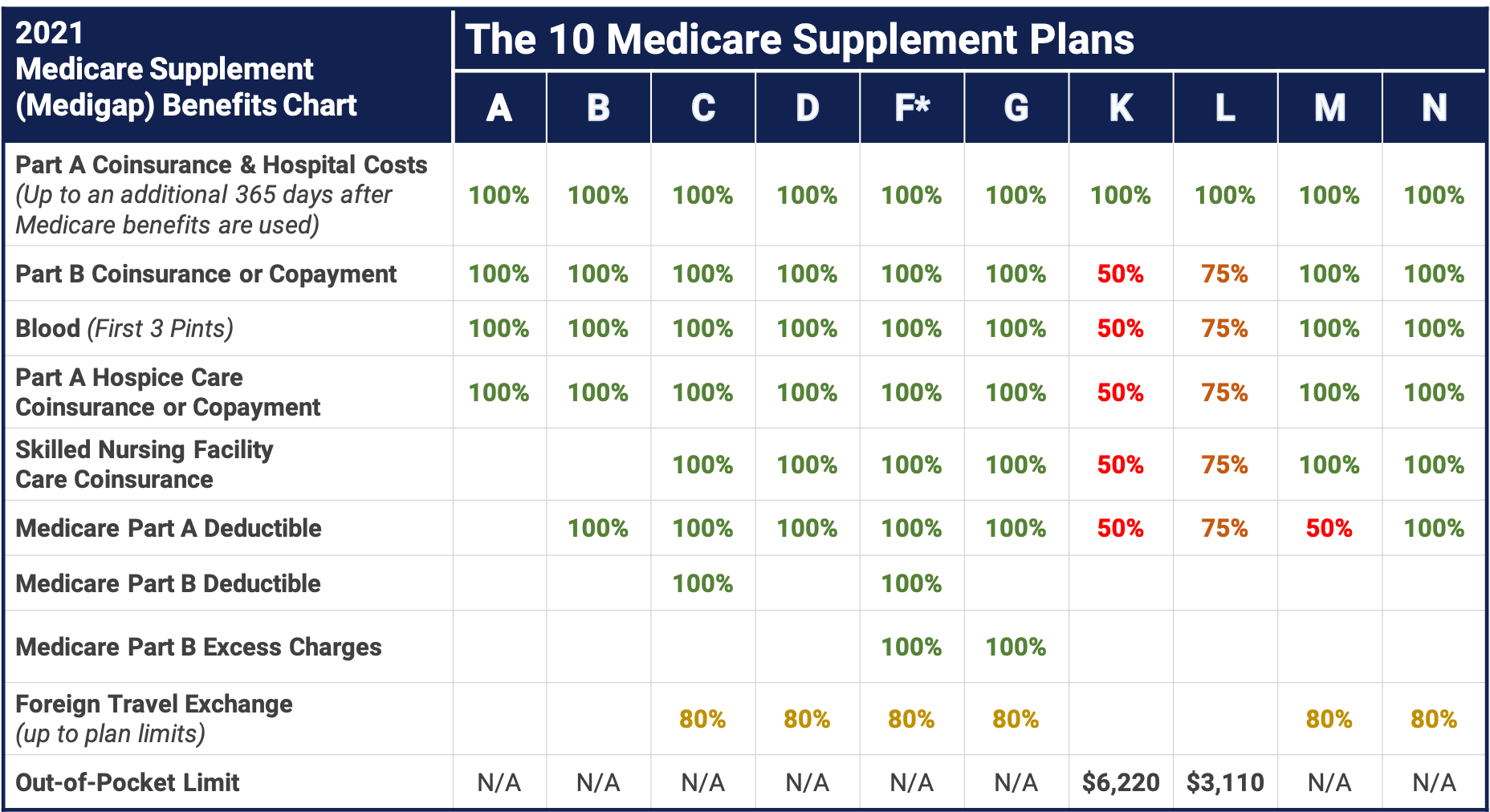
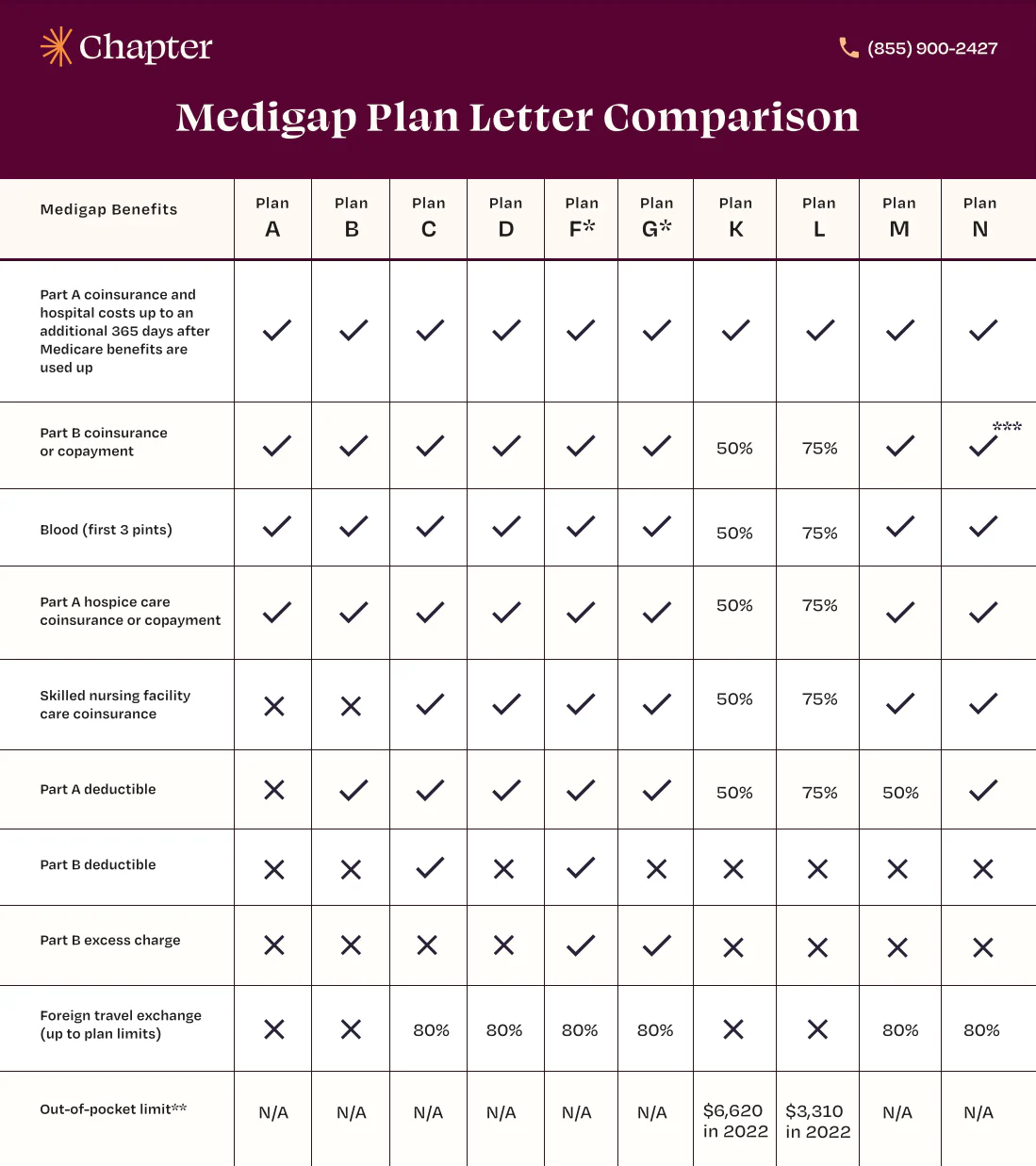
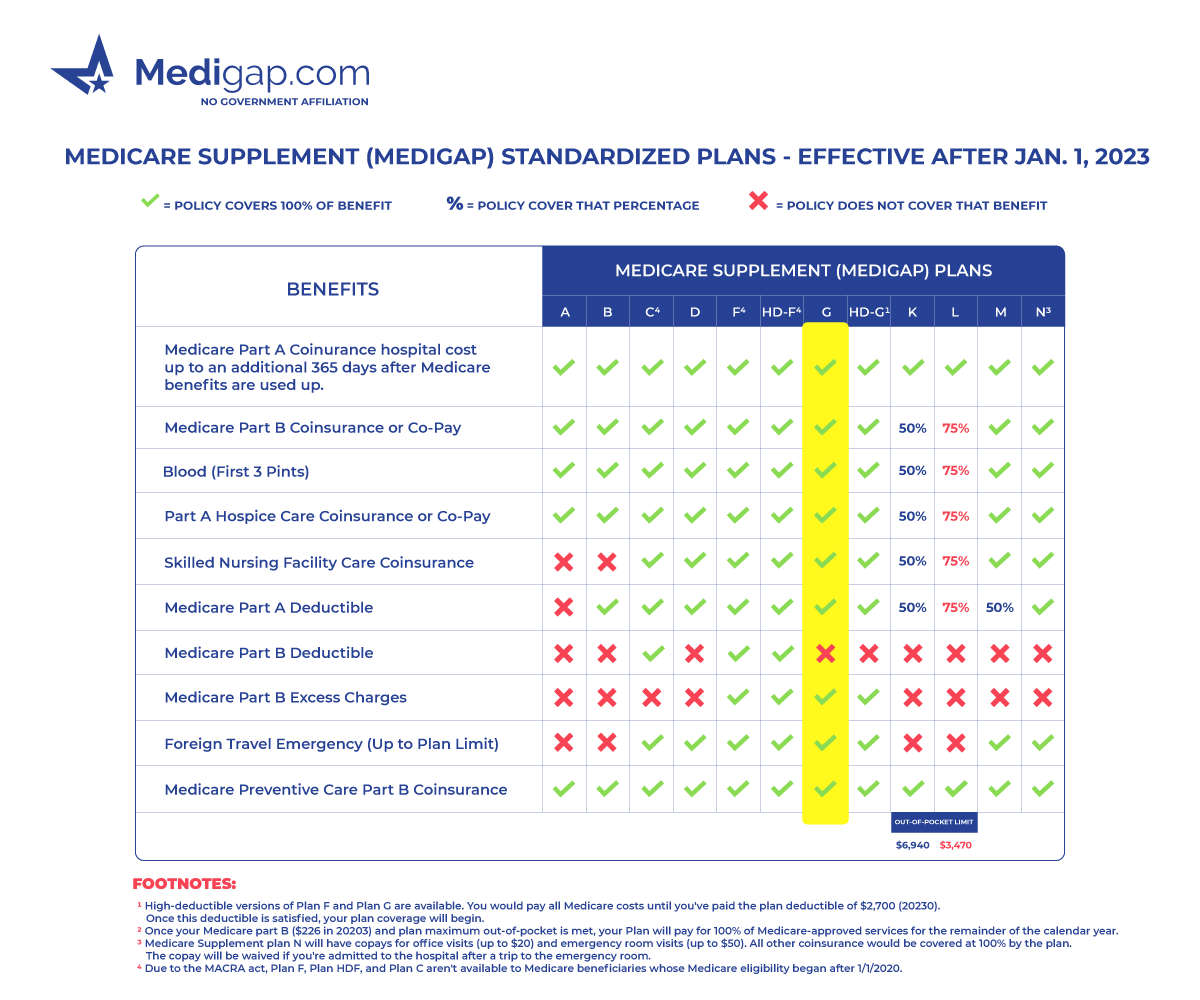
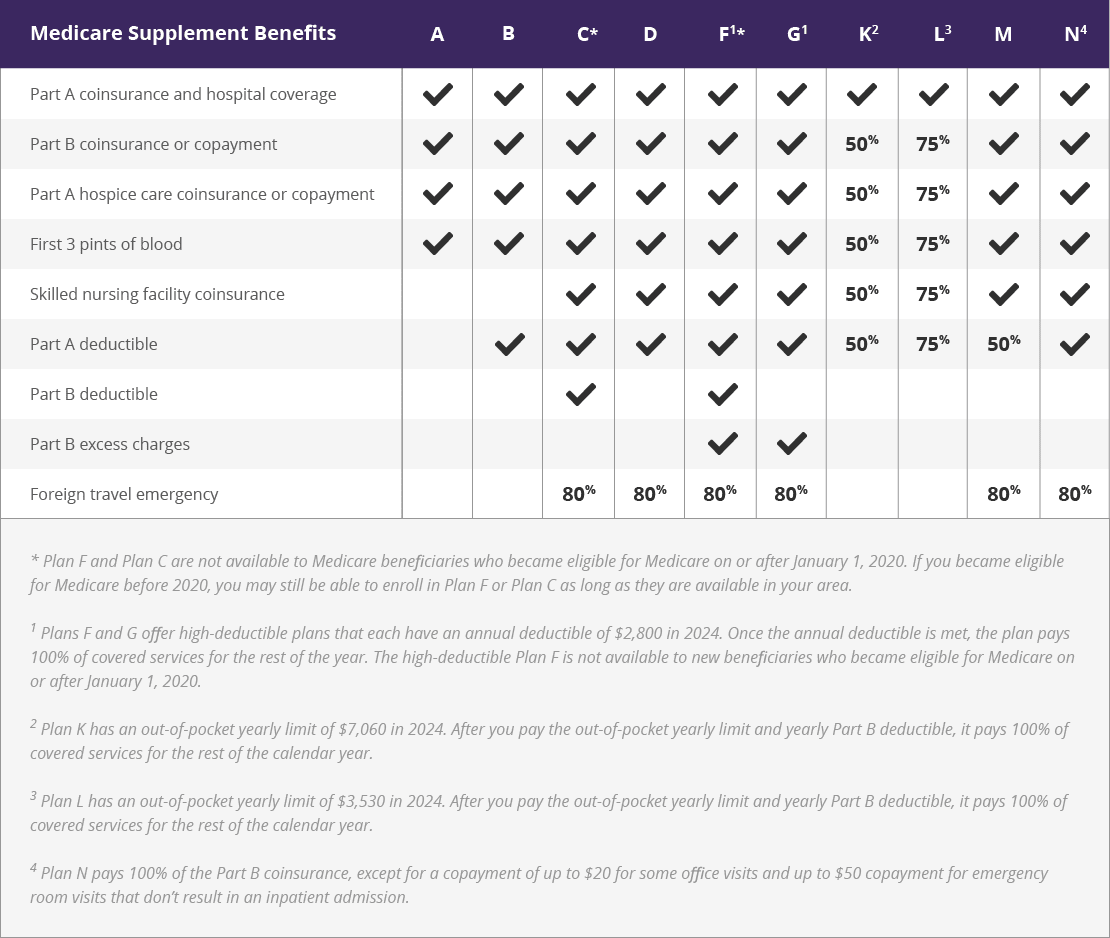
- Medicare Part A Hospital Coinsurance and Hospital Costs: Covers 100% of hospital coinsurance charges and provides coverage for up to an additional 365 days of hospital care after Medicare benefits are exhausted.
- Medicare Part A Deductible: Covers the full Part A hospital inpatient deductible per benefit period.
- Medicare Part A Hospice Care Coinsurance or Copayment: Pays for copayments or coinsurance associated with palliative care and respite services under Part A.
- Medicare Part B Coinsurance or Copayment: Covers the 20% coinsurance that beneficiaries normally pay for doctor visits, outpatient surgery, physical therapy, diagnostic imaging, and medical equipment.
- Medicare Part B Excess Charges: Covers 100% of excess charges. If a physician or provider does not accept "Medicare assignment" (the Medicare-approved payment amount), they are legally permitted in most states to charge up to 15% above the approved rate. Plan G pays this extra cost completely.
- Skilled Nursing Facility (SNF) Care Coinsurance: Pays the daily coinsurance requirement for days 21 through 100 of a skilled nursing facility stay following a qualifying hospital admission.
- First Three Pints of Blood: Pays for the cost of the first three pints of blood needed for a medical procedure each year.
- Foreign Travel Emergency Care: Pays 80% of billed charges for emergency care received outside the United States, subject to a $250 annual deductible and a $50,000 lifetime maximum.
What Plan G Does Not Cover
While Plan G is comprehensive, it does not cover every potential healthcare expense. Important exclusions include:
- The Medicare Part B Annual Deductible: Beneficiaries must pay the small standard Part B deductible out-of-pocket each calendar year before Plan G begins paying for Part B outpatient services.
- Outpatient Prescription Drugs: Medigap plans do not cover retail prescription drugs. Beneficiaries must enroll in a standalone Medicare Part D plan to obtain prescription coverage.
- Routine Dental, Vision, and Hearing Care: Services such as routine teeth cleanings, dentures, eye exams, eyeglasses, and hearing aids are not covered under Standard Original Medicare or Plan G.
- Long-Term Custodial Care: Non-skilled assistance with daily living activities—such as bathing, dressing, and eating—in a nursing facility or at home is not covered.
Comparing Plan G to Other Popular Medigap Options
Choosing the right Medigap policy requires evaluating how Plan G compares to alternative standardized plans like Plan F, Plan N, and High-Deductible Plan G.
| Feature / Benefit | Plan G | Plan F* | Plan N | HD-Plan G |
|---|---|---|---|---|
| Part A Deductible (Hospital) | Covered | Covered | Covered | Covered** |
| Part B Coinsurance (Outpatient) | Covered | Covered | Covered*** | Covered** |
| Part B Excess Charges | Covered | Covered | Not Covered | Covered** |
| Part B Annual Deductible | Not Covered | Covered | Not Covered | Not Covered |
| Skilled Nursing Facility Coinsurance | Covered | Covered | Covered | Covered** |
| Foreign Travel Emergency | Covered | Covered | Covered | Covered** |
| Available to New Beneficiaries | Yes | No | Yes | Yes |
*Plan F is only available to individuals eligible for Medicare prior to January 1, 2020.**High-Deductible Plan G requires the policyholder to meet a high annual plan deductible before benefits begin.***Plan N requires copays up to $20 for certain doctor visits and up to $50 for emergency room visits that do not result in inpatient admission.
Plan G vs. Plan F
Plan F was historically the most popular Medigap plan because it covered every out-of-pocket cost, including the Part B deductible. However, because Plan F is closed to new Medicare entrants, its risk pool is aging. An older beneficiary pool typically leads to higher medical claims, which can result in faster rate increases over time. Plan G requires beneficiaries to pay the Part B deductible themselves, but its lower monthly premiums often result in greater overall annual savings compared to Plan F.
Plan G vs. Plan N
Plan N offers lower monthly premiums than Plan G in exchange for modest cost-sharing obligations. On Plan N, policyholders may pay a copayment of up to $20 for office visits and up to $50 for emergency room visits. Furthermore, Plan N does not cover Part B excess charges. While excess charges are uncommon—because approximately 98% of physicians accept Medicare assignment—beneficiaries living in states that permit excess charges must ensure their doctors accept assignment or cover the difference out-of-pocket under Plan N.
Standard Plan G vs. High-Deductible Plan G (HD-G)
High-Deductible Plan G provides the exact same benefit structure as Standard Plan G, but requires the policyholder to satisfy an annual plan deductible before the policy pays any claims. Because the beneficiary absorbs early out-of-pocket costs, monthly premiums for HD-G are substantially lower. This variation appeals to healthier individuals who want catastrophic protection against severe illness or accident at a minimal monthly cost.
Factors Influencing Plan G Pricing and Cost Structures
Insurance companies determine monthly premiums for Plan G using standardized rating methods, subject to state regulatory oversight. Understanding these pricing mechanisms helps prevent unexpected cost increases later in retirement.
Premium Rating Methods
Carriers generally set rates using one of three methodologies:
- Community-Rated (No Age-Rated): Everyone living in a specific geographic area pays the same monthly premium regardless of age. Premiums may rise due to inflation and healthcare costs, but not due to individual aging.
- Issue-Age-Rated: Premiums are based on the age you were when you purchased the policy. Rates are lower for individuals who buy at age 65 and do not increase simply because you grow older, though inflation adjustments still apply.
- Attained-Age-Rated: Premiums are based on your current age. Rates start lower at age 65 but automatically increase as you age, making this pricing structure potentially more expensive over long periods.
Additional Cost Variables
Beyond rating methods, private carriers adjust rates based on:
- Geographic Location: Zip codes with higher healthcare delivery costs command higher plan premiums.
- Tobacco Use: Smokers and tobacco users typically pay higher rates than non-users.
- Gender: In most states, men pay slightly higher premiums than women due to actuarial life expectancy metrics.
- Household Discounts: Many insurers offer premium discounts of 3% to 14% if two household members enroll with the same company.
Enrollment Windows and Guaranteed Issue Rights
Timing is critical when applying for Medicare Supplement Plan G. Applying during specific periods guarantees your right to purchase a policy regardless of pre-existing health conditions.
Medigap Open Enrollment Period
The primary enrollment opportunity is your individual Medigap Open Enrollment Period. This six-month window begins automatically on the first day of the month in which you are both 65 or older and enrolled in Medicare Part B.
During this six-month period, insurance companies are prohibited by federal law from:
- Denying you coverage.
- Charging higher premiums due to pre-existing medical conditions, past surgeries, or chronic illnesses.
- Imposing waiting periods for pre-existing conditions (provided you maintained continuous creditable coverage prior to enrolling).
Medical Underwriting Outside Open Enrollment
If you apply for Plan G outside your six-month Medigap Open Enrollment Period—and do not qualify for a special exemption—insurers are permitted to require medical underwriting. Underwriters review medical histories, prescription medication records, and clinical records. Based on this review, the company may charge higher premiums or deny coverage entirely.
Guaranteed Issue Rights
In certain circumstances, beneficiaries qualify for Guaranteed Issue (GI) rights, which bypass medical underwriting outside the initial enrollment window. Examples of qualifying events include:
- Losing employer-sponsored retiree health coverage or COBRA coverage.
- Moving out of a Medicare Advantage plan's service area.
- Utilizing a Medicare Advantage "Trial Right" (enrolling in Medicare Advantage for the first time and deciding to return to Original Medicare within twelve months).
- An insurer violating policy rules or going bankrupt.
Step-by-Step Guide to Purchasing Plan G
Navigating the application process systematically ensures you select a stable carrier with reasonable long-term pricing.
Step 1: Verify Medicare Part A and Part B Enrollment
You must be formally enrolled in Medicare Part A and Part B before a Medigap insurer can issue a policy. Your plan's effective date cannot precede your Part B effective date.
Step 2: Evaluate Household Eligibility for Discounts
Determine if your spouse or living partner is also applying or currently holds a policy with a carrier offering household premium discounts.
Step 3: Compare Rate Histories Across Insurance Carriers
Because benefits are standardized, evaluate companies based on financial stability ratings (A.M. Best grades) and historical rate increases. A carrier with the absolute lowest initial premium may have a track record of steep annual rate increases, making a moderately priced, financially stable competitor a better long-term choice.
Step 4: Select a Standalone Medicare Part D Plan
Since Plan G excludes prescription drug coverage, choose a standalone Part D plan to cover retail pharmacy needs and avoid lifelong late enrollment penalties enforced by Medicare.
Step 5: Submit the Application
Complete the application during your Medigap Open Enrollment window to ensure immediate approval without medical questionnaires.
Common Mistakes to Avoid
- Confusing Medigap Plan G with Medicare Advantage (Part C): Medicare Advantage plans replace Original Medicare and utilize managed care networks (HMOs/PPOs) with variable copays. Medigap Plan G supplements Original Medicare, allowing you to visit any healthcare provider across the United States who accepts Medicare.
- Missing the Six-Month Open Enrollment Window: Delaying enrollment without a Guaranteed Issue right can leave you subject to medical underwriting, potentially locking you out of coverage if health issues arise.
- Assuming Plan G Covers Prescription Drugs: Failing to enroll in a Part D drug plan leaves you exposed to full retail costs for medications and potential Part D late enrollment penalties.
- Focusing Exclusively on Year-One Premiums: Selecting a plan based solely on the cheapest starting price without reviewing the carrier's historical rate increases often leads to higher lifetime costs.
Frequently Asked Questions
Does Medicare Supplement Plan G cover dental and vision care?
No. Standard Plan G does not cover routine dental exams, cleanings, x-rays, eyeglasses, or elective vision care. Beneficiaries seeking coverage for these services must purchase standalone dental/vision insurance policies or pay out-of-pocket.
Can I keep my existing doctor with Plan G?
Yes. Plan G allows you to see any physician, specialist, or hospital in the United States that accepts Medicare. You do not need network referrals to see specialists.
What is the difference between Plan G and High-Deductible Plan G?
Standard Plan G pays covered medical expenses immediately after you meet the annual Medicare Part B deductible. High-Deductible Plan G requires you to pay all covered Medicare out-of-pocket expenses up to a much higher plan deductible before the policy pays any benefits.
Will my Plan G policy be canceled if I develop a serious health condition later?
No. All Medigap policies are guaranteed renewable. As long as you pay your monthly premiums on time and made true statements on your original application, the insurance company cannot cancel your policy or increase your individual rates due to changes in your health.
How are Part B excess charges handled under Plan G?
If a doctor charges more than the Medicare-approved amount (up to the legal limit of 15%), Plan G pays 100% of that extra cost. You will not receive a bill for excess charges when covered by Plan G.
Summary and Practical Next Steps
Medicare Supplement Plan G offers comprehensive financial protection for Medicare beneficiaries, eliminating nearly all unexpected out-of-pocket medical costs apart from the annual Part B deductible. Because benefits are standardized by federal law, shopping for Plan G centers on carrier reliability, rate stability, and premium pricing.
To secure coverage effectively:
- Confirm your Medicare Part B effective date to pinpoint your six-month Medigap Open Enrollment window.
- Obtain premium quotes from multiple top-rated insurers operating in your zip code.
- Pair Plan G with a suitable standalone Medicare Part D plan to ensure complete protection for both medical services and prescription drugs.
Disclaimer: Healthcare options and regulatory guidelines vary by location and personal eligibility status. Individuals should consult official Medicare documentation at Medicare.gov or speak with a licensed insurance professional for specific financial and health policy guidance.
Image Gallery