Understanding the Blood Glucose Test Abbreviation and Clinical Terminology
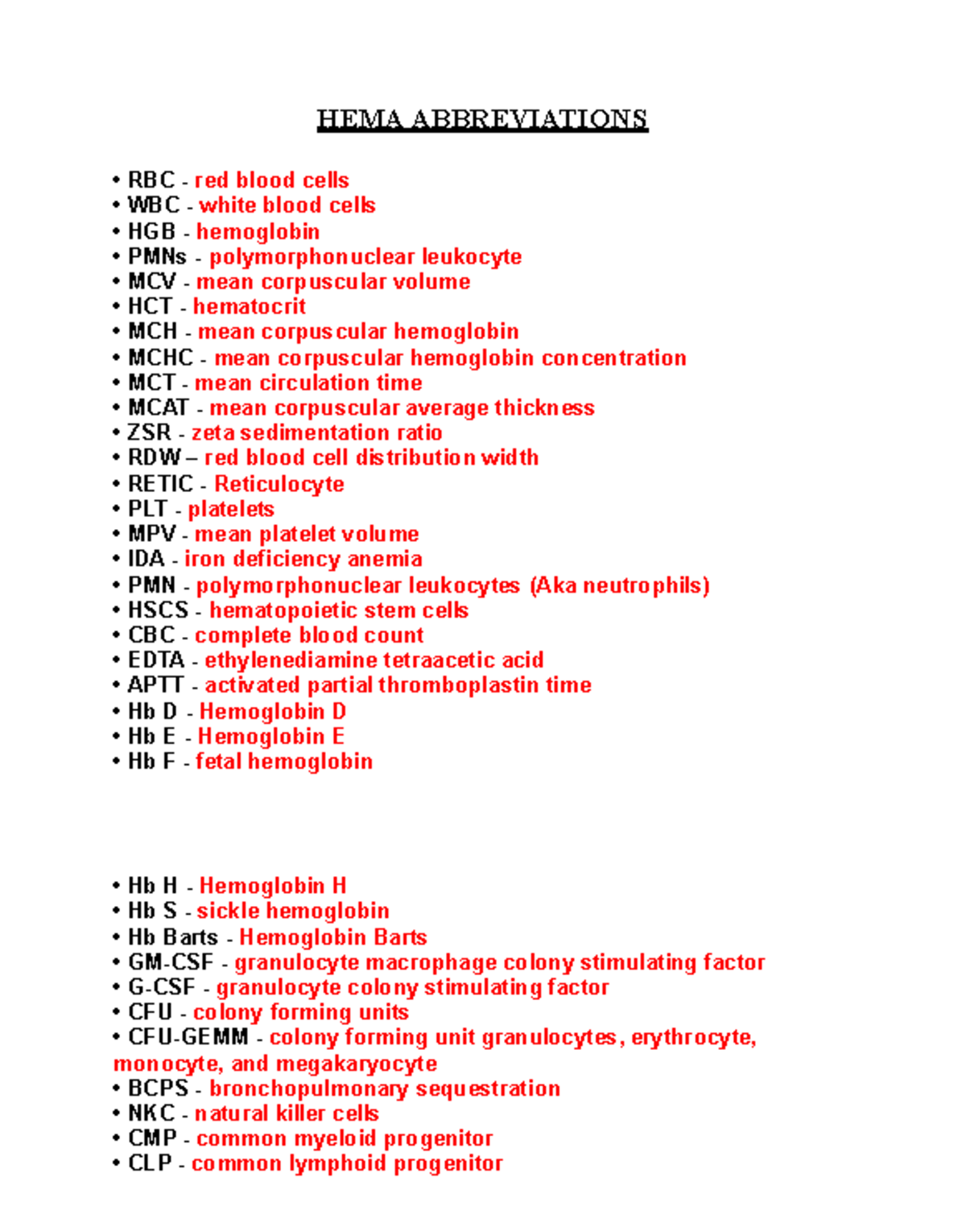
The primary abbreviation for a blood glucose test is BG, while laboratory orders and medical charts frequently use terms like FBG (Fasting Blood Glucose), FBS (Fasting Blood Sugar), and HbA1c (Glycated Hemoglobin). These acronyms strea...
The primary abbreviation for a blood glucose test is BG, while laboratory orders and medical charts frequently use terms like FBG (Fasting Blood Glucose), FBS (Fasting Blood Sugar), and HbA1c (Glycated Hemoglobin). These acronyms streamline clinical communication, allowing healthcare professionals to quickly document and interpret carbohydrate metabolism, screen for prediabetes, and manage diabetes mellitus.
Contents
Navigating medical records, diagnostic lab results, and home-monitoring guides often requires familiarity with specific medical shorthand. When clinicians order tests, chart patient progress, or discuss metabolic panels, they rarely spell out full terms like "fasting plasma glucose" or "postprandial blood sugar." Understanding these abbreviations ensures that patients and healthcare providers maintain clear, accurate communication regarding health metrics. This guide explores the core abbreviations used for blood glucose testing, their clinical meanings, testing procedures, and how to interpret the results safely.
Core Blood Glucose Test Abbreviations in Clinical Practice
Medical terminology relies on shorthand to ensure efficiency across electronic health records (EHRs), prescriptions, and laboratory reports. When evaluating blood sugar, several distinct abbreviations appear depending on the exact timing and nature of the test. Recognizing these terms prevents confusion during clinical consultations and helps individuals track their personal health data accurately.
The most common baseline abbreviations include:
- BG: Blood Glucose. A general term for the concentration of glucose present in the blood at any given moment.
- FBG: Fasting Blood Glucose. A measurement taken after the individual has fasted (typically for at least eight hours).
- FBS: Fasting Blood Sugar. An interchangeable term historically used alongside FBG.
- FPG: Fasting Plasma Glucose. Specifically measures glucose levels in the liquid component of blood (plasma) rather than whole blood, commonly used in laboratory diagnostic criteria.
Beyond fasting measurements, clinicians utilize time-specific markers to assess how the body processes dietary carbohydrates. These include PPBG (Postprandial Blood Glucose), which measures sugar levels after a meal—usually tested one to two hours post-meal—and RPG or RBS (Random/Casual Blood Glucose), which evaluates levels regardless of when the person last ate. Random tests are particularly useful in emergency settings or during routine physical evaluations when symptoms of hyperglycemia (high blood sugar) or hypoglycemia (low blood sugar) manifest unexpectedly.
| Abbreviation | Full Clinical Term | Primary Purpose | Standard Timing |
|---|---|---|---|
| BG / SMBG | Blood Glucose / Self-Monitoring of Blood Glucose | Daily tracking and immediate management | Any time / Multiple times daily |
| FBG / FPG | Fasting Blood Glucose / Plasma Glucose | Screening and diagnosing diabetes/prediabetes | Minimum 8-hour fast |
| HbA1c | Glycated Hemoglobin | Assessing long-term glycemic control | Past 2 to 3 months average |
| OGTT | Oral Glucose Tolerance Test | Diagnosing gestational diabetes or impaired tolerance | Timed intervals (0, 1, 2 hours) post-drink |
| RPG | Random Plasma Glucose | Evaluating acute symptoms of dysglycemia | Unscheduled / Any time |
The Role of HbA1c in Long-Term Glycemic Monitoring
While daily finger-prick tests provide a snapshot of current glucose levels, the HbA1c test provides a retrospective view of average blood sugar control over the preceding two to three months. The abbreviation stands for hemoglobin A1c, referring to the proportion of red blood cells that have glucose molecules attached to them. Because red blood cells live for approximately 120 days, measuring this glycation percentage gives clinicians an objective measure of chronic metabolic control.
According to guidelines from the American Diabetes Association (ADA), an HbA1c level below 5.7% is considered normal for individuals without diabetes. Levels between 5.7% and 6.4% indicate prediabetes, while a reading of 6.5% or higher on two separate tests confirms a diagnosis of diabetes. For individuals managing diabetes, healthcare providers frequently establish a customized target—often less than 7.0%—to minimize the risk of microvascular and macrovascular complications.
Unlike fasting blood glucose tests, HbA1c does not require fasting or preparation involving dietary restriction on the day of the test. This makes it a convenient and reliable diagnostic marker, though certain medical conditions affecting red blood cell turnover—such as hemolytic anemia, recent blood loss, or chronic kidney disease—can falsely elevate or lower HbA1c results, requiring alternative diagnostic methods like fructosamine testing.
Diagnostic Criteria and Interpretation of Results
Interpreting blood glucose test results depends entirely on the type of test ordered and the clinical context of the patient. Laboratories establish standardized reference ranges, though minor variations can occur depending on the specific assay equipment utilized.
When reviewing an FPG (Fasting Plasma Glucose) laboratory report, the interpretive benchmarks are structurally defined:
- Normal: Less than 100 milligrams per deciliter (mg/dL) or 5.6 millimoles per liter (mmol/L).
- Prediabetes: 100 mg/dL to 125 mg/dL (5.6 to 6.9 mmol/L). This range indicates impaired fasting glucose, signaling an increased risk of developing type 2 diabetes and cardiovascular disease.
- Diabetes: 126 mg/dL (7.0 mmol/L) or higher on two separate diagnostic tests.
In cases where fasting results are borderline or when screening for gestational diabetes during pregnancy, clinicians may order an OGTT (Oral Glucose Tolerance Test). During this procedure, the patient consumes a standardized glucose beverage containing 75 grams of glucose (higher for pregnant individuals), and blood is drawn at specific intervals, such as fasting, one hour, and two hours post-ingestion. A two-hour reading of 200 mg/dL (11.1 mmol/L) or higher confirms diabetes, while 140 to 199 mg/dL indicates impaired glucose tolerance.
Disclaimer: Laboratory reference ranges and diagnostic thresholds should always be interpreted by a qualified healthcare professional within the context of an individual's complete medical history, symptoms, and physical examination.
Practical Aspects of Self-Monitoring: SMBG and CGM
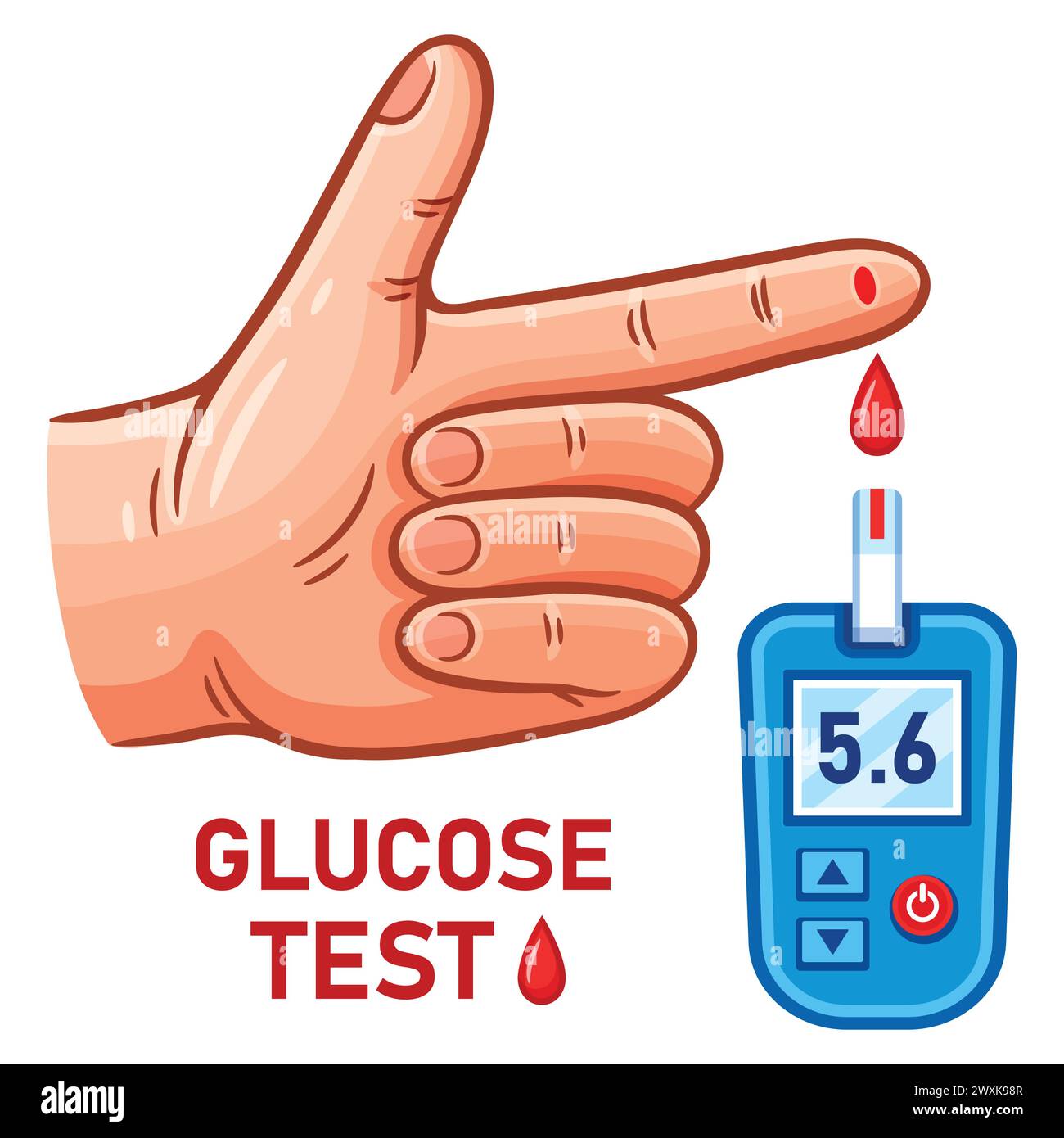
For individuals actively managing diabetes, blood glucose abbreviations extend into daily management tools. SMBG stands for Self-Monitoring of Blood Glucose, typically performed using a portable blood glucose meter, lancet, and test strips. Patients prick their fingertip to obtain a small drop of blood, which reacts with chemicals on the strip to yield an immediate digital reading.
More recently, technological advancements have popularized CGM (Continuous Glucose Monitoring) systems. These devices utilize a tiny sensor inserted subcutaneously—usually on the back of the arm or the abdomen—to measure interstitial fluid glucose levels every few minutes. CGMs transmit data to a receiver or smartphone app, generating ambulatory glucose profiles and trend arrows that show whether glucose levels are rising, falling, or remaining stable.
Integrating these technologies requires understanding device-specific terminology and calibration protocols. While traditional SMBG provides discrete, point-in-time data points, CGMs offer comprehensive trend analysis, helping users identify patterns related to meals, physical activity, stress, and medication timing.
Common Mistakes and Troubleshooting in Blood Glucose Testing
Inaccurate blood glucose readings can lead to improper medication dosing, unnecessary anxiety, or missed clinical interventions. Understanding common operational errors helps ensure reliable data collection, whether testing at home or in a clinical setting.
- Inadequate Hand Hygiene: Residue from food, fruit juice, or lotion on the fingertips can falsely elevate blood glucose readings. Washing hands with warm water and soap—and drying them completely—is essential before performing an SMBG finger prick.
- Improper Strip Storage: Test strips are sensitive to environmental factors such as humidity, heat, and light. Leaving test vial caps open or using expired strips can degrade the chemical reagents, resulting in inaccurate measurements.
- Incorrect Calibration and Coding: Older blood glucose meters required manual code entry matching the test strip vial. While modern meters utilize no-code technology, failing to check meter compatibility or ignoring error codes can compromise results.
- Testing from Alternative Sites Incorrectly: While some meters permit blood draws from the forearm or palm, these alternative sites reflect glucose levels more slowly during periods of rapid fluctuation, such as immediately after eating or exercising. Fingertip testing remains the gold standard during acute symptoms of hypoglycemia.
Frequently Asked Questions
What is the difference between FBG and FBS?
There is no clinical difference between FBG (Fasting Blood Glucose) and FBS (Fasting Blood Sugar). Both terms refer to the measurement of glucose levels in the blood after a period of fasting, typically lasting at least eight hours. "Sugar" and "glucose" are frequently used interchangeably in patient-facing education, whereas laboratory reports prefer the more precise term "glucose."
Why does my doctor order HbA1c instead of a standard fasting glucose test?
While a fasting glucose test provides a snapshot of your blood sugar at a single point in time, the HbA1c test measures your average blood glucose over the past two to three months. This makes HbA1c a superior tool for diagnosing chronic dysglycemia and evaluating the long-term effectiveness of diabetes treatment plans, as it is unaffected by temporary dietary habits or stress on the day of the test.
What does "postprandial" mean in blood glucose testing?
"Postprandial" simply means "after a meal." A PPBG (Postprandial Blood Glucose) test evaluates how efficiently your body processes dietary carbohydrates by measuring blood sugar levels at a specified time—usually one to two hours—after eating.
Can medications affect blood glucose test abbreviations like HbA1c?
Yes. Certain medications, supplements, and medical conditions that alter red blood cell lifespan or structure can falsely alter HbA1c results. For instance, iron-deficiency anemia can artificially raise HbA1c levels, whereas conditions involving rapid red blood cell destruction or recent blood transfusions can lower them. Clinicians review these variables when interpreting lab reports.
How often should someone perform SMBG?
The frequency of SMBG (Self-Monitoring of Blood Glucose) varies widely based on the type of diabetes, treatment regimen (such as insulin therapy versus oral medications), and individual clinical goals. Individuals using multiple daily insulin injections may test four or more times daily, whereas those managing prediabetes or stable type 2 diabetes with lifestyle modifications may test much less frequently, as guided by their physician.
Next Steps and Professional Guidance
If you have recently received lab work containing unfamiliar abbreviations like FPG, OGTT, or HbA1c, the most effective next step is to schedule a follow-up consultation with your primary care physician or endocrinologist. Bring your logbook or continuous glucose monitor data if you engage in self-monitoring. Reviewing these metrics collaboratively ensures that your care plan remains aligned with current clinical guidelines and your personal health objectives.
Image Gallery