Understanding the F.O.R.M. Acronym and Essential Documentation in Life Insurance Matters
In life insurance, "FORM" primarily stands for Family, Occupation, Recreation, and Money. This mnemonic is the standard discovery framework used by insurance professionals to evaluate a client's coverage needs. Additionally, "form" ref...
In life insurance, "FORM" primarily stands for Family, Occupation, Recreation, and Money. This mnemonic is the standard discovery framework used by insurance professionals to evaluate a client's coverage needs. Additionally, "form" refers to critical legal and tax documents, such as Form 1099-R for distributions and IRS Form 712 for estate valuations.
Contents
The F.O.R.M. Framework: Analyzing Human Life Value
In the professional life insurance sector of 2026, the discovery process remains the most critical step in securing a policy that provides genuine financial security. While digital underwriting has become faster, the core methodology for determining a policyholder's needs still revolves around the F.O.R.M. acronym. This framework allows agents and advisors to structure a "Human Life Value" assessment, which translates a person’s emotional and financial presence into a specific death benefit amount.
Family: The Foundation of the Death Benefit
The "F" in F.O.R.M. focuses on the client’s dependents and marital status. In life insurance matters, the family structure dictates the primary purpose of the policy. For a young family in 2026, the form assessment looks at the age of children, the remaining years until they reach adulthood, and the potential costs of higher education.
Advisors use this data to calculate "Income Replacement." If a primary breadwinner passes away, the family requires a lump sum that, when invested, can replicate the lost salary for 10 to 20 years. Beyond simple income, the family section also considers debt obligations, such as a mortgage, ensuring that the "Family" remains in their home regardless of the tragedy.
Occupation: Income Stability and Risk Assessment
The "O" stands for Occupation. This serves a dual purpose: determining the ability to pay premiums and identifying occupational hazards. In 2026, certain professions are categorized under higher risk tiers due to physical danger or high-stress environments.
From a "matters of insurance" perspective, occupation also involves evaluating employer-sponsored coverage. Many individuals mistakenly believe their "group life" policy through work is sufficient. However, an analysis of the occupation often reveals that these policies are not portable and provide only a fraction of the necessary coverage. The discovery process helps bridge the gap between what an employer provides and what a family actually needs.
Recreation: High-Risk Hobbies and Underwriting
The "R" stands for Recreation. This is often the most overlooked part of the acronym, yet it has a significant impact on premium costs. If an applicant participates in "high-risk" activities—such as SCUBA diving, private aviation, or certain motor sports—the insurance company may apply a "rating."
A rated policy costs more than a standard policy because the statistical likelihood of a claim is higher. By discussing recreation during the initial discovery phase, an advisor can proactively find "recreation-friendly" carriers or prepare the client for potential "flat-extra" charges, which are additional fees per $1,000 of coverage specifically linked to the hazardous activity.
Money: Budgeting and Financial Legacy
The "M" stands for Money (or occasionally "Message"). This final pillar focuses on the client's budget and their ultimate financial goals. Is the policy meant for simple final expenses, or is it a sophisticated wealth transfer tool?
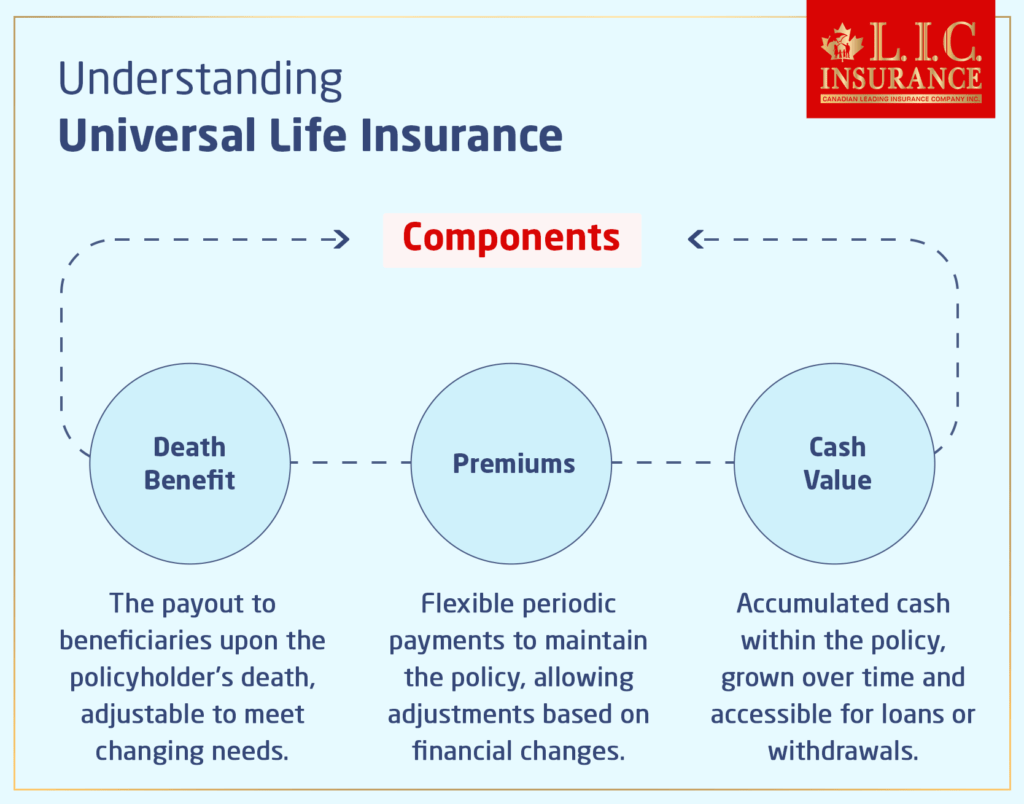
In 2026, many permanent life insurance policies are used as "Private Reserve Accounts" or "Infinite Banking" vehicles. The "Money" conversation determines whether the client should pursue low-cost term insurance or high-cash-value whole life or universal life products. It also addresses the "Message" the client wants to leave behind—whether that is a charitable donation, an inheritance for grandchildren, or the funding of a business buy-sell agreement.
Technical Policy Forms and Regulatory Compliance
Moving from the mnemonic to the physical (or digital) reality, the term "form" refers to the legal documents that constitute the insurance contract. In the United States, insurance is regulated at the state level, and every "Policy Form" must be approved by the state's Department of Insurance (DOI) before it can be sold to the public.
The Standardized Policy Form Number
Every life insurance policy has a unique form number, usually found in the bottom corner of the document. This number corresponds to a specific filing in the System for Electronic Rates & Forms Filing (SERFF). When an insurer wants to change a single sentence in their contract, they must file a new "form" and wait for regulatory approval. For policyholders, the form number is the definitive way to verify that their policy matches the version authorized for sale in their specific state.
The Application Form: Form 1
The initial application, often referred to in legal circles as "Form 1," is the most important document in the life insurance matter. Under the Incontestability Clause, the information provided on this form is subject to verification for a period—usually two years from the policy effective date. If a policyholder provides fraudulent information on the application form, the insurer has the right to deny the claim during this period. In 2026, many of these forms are now "Accelerated Underwriting" digital entries, but the legal weight of the signatures remains unchanged.
Essential Tax Forms for Life Insurance Matters
Life insurance is generally known for its tax-advantaged status, specifically the tax-free nature of the death benefit under Internal Revenue Code Section 101(a). However, there are specific forms required to report certain transactions to the IRS.
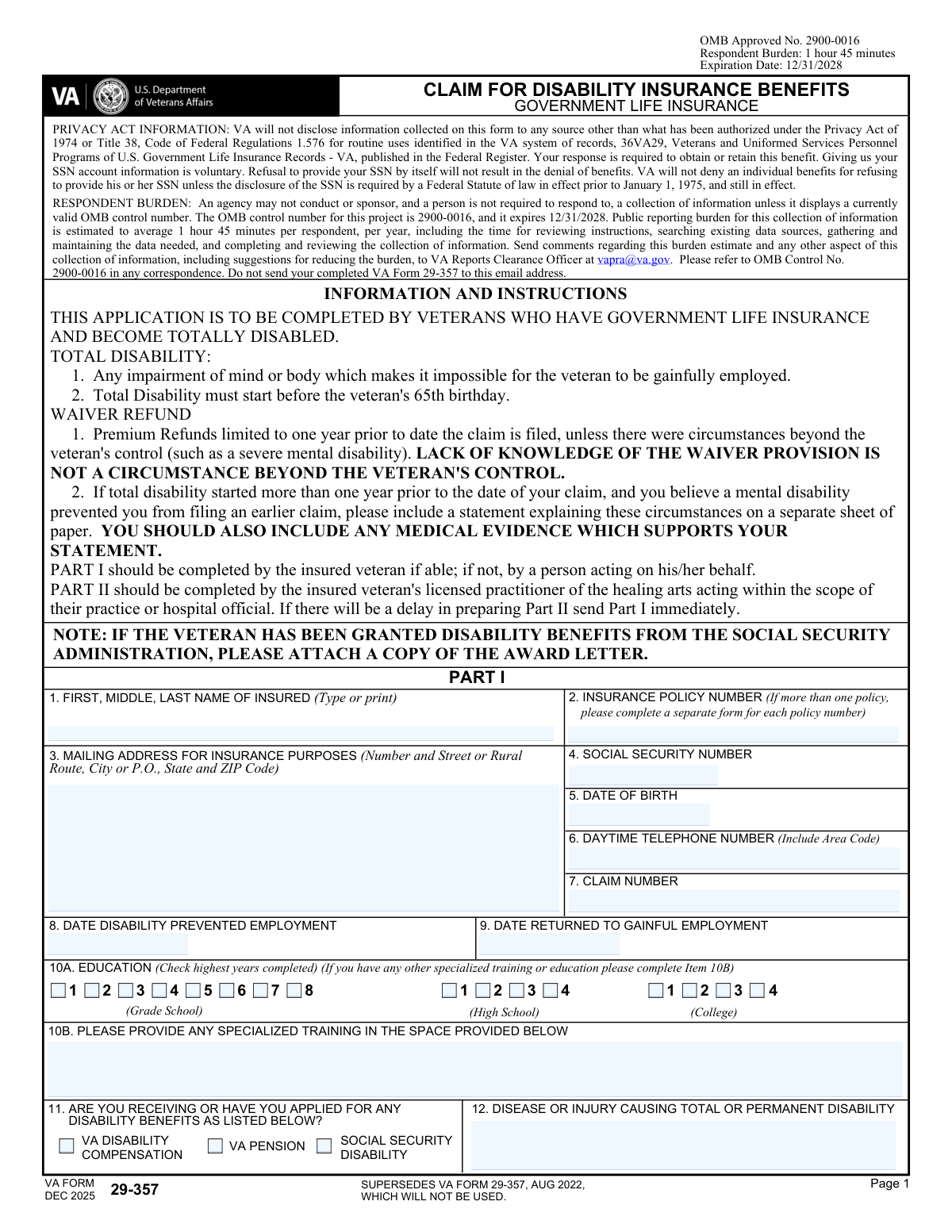
Form 1099-R: Distributions and Surrenders
If you surrender a life insurance policy for its cash value, or if you take a withdrawal that exceeds your "cost basis" (the total premiums paid), the insurance company will issue Form 1099-R. This form reports the taxable portion of the distribution.
In 2026, it is vital to track your cost basis carefully. If a policy is "exchanged" rather than surrendered (using a Section 1035 Exchange), the tax liability is deferred, and a different set of internal reporting forms is used to notify the IRS that the transaction was a non-taxable event.
IRS Form 712: The Life Insurance Statement
When an individual passes away and their estate is valued for federal estate tax purposes, the executor must obtain Form 712 from the life insurance company. This form provides a detailed breakdown of the policy's value at the time of death.
Form 712 is not just about the death benefit; it includes the "Interpolated Terminal Reserve" and any unearned premiums. This form is required for the filing of Form 706 (United States Estate Tax Return) if the estate exceeds the current federal exemption limits. Failing to provide a Form 712 can lead to audits and delays in settling the estate.
Comparison of Critical Life Insurance Forms
The following table summarizes the most common forms encountered in life insurance matters and their primary functions.
| Form Name/ID | Primary Purpose | Key Stakeholder |
|---|---|---|
| F.O.R.M. Mnemonic | Needs analysis and discovery framework. | Agent & Client |
| Form 1099-R | Reporting taxable distributions or policy surrenders. | Policyholder & IRS |
| IRS Form 712 | Establishing policy value for estate tax filings. | Executor & IRS |
| Form 1035 | Documenting a tax-free exchange of insurance contracts. | Insurer & IRS |
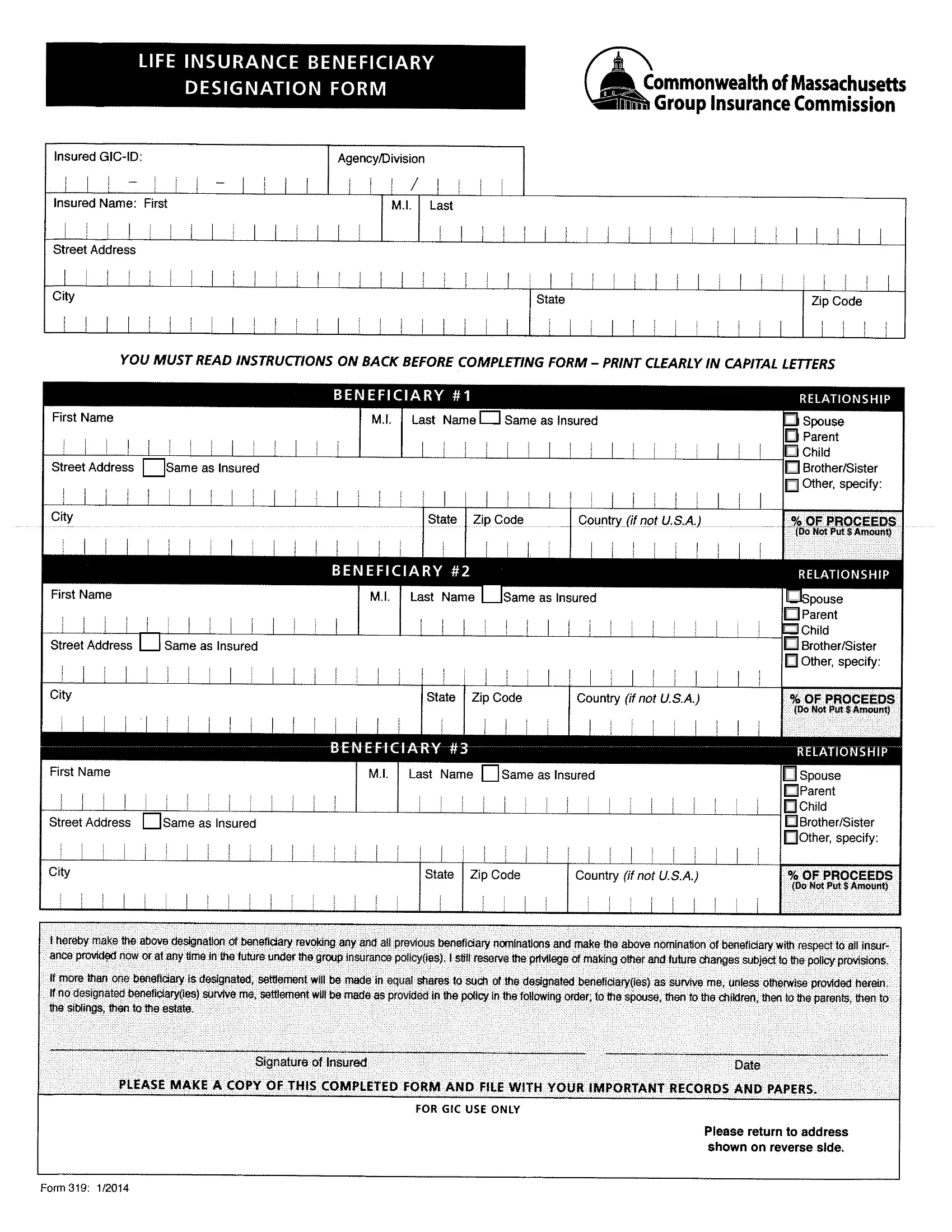
| Beneficiary Form | Designating who receives the death benefit. | Policyholder |
| SERFF Filings | Regulatory approval of policy language and rates. | State Regulators |
Administrative Forms for Policy Maintenance
Beyond the initial sale and tax reporting, "matters" of insurance frequently involve administrative forms that ensure the policy remains active and aligned with the owner's intent.
Change of Beneficiary Form
A life insurance policy is a legal contract, and the "Beneficiary Designation" form is the only document that determines who receives the money. It is a common misconception that a Last Will and Testament overrides a life insurance beneficiary form. In reality, the beneficiary form on file with the insurance company takes precedence. In 2026, experts recommend reviewing this form every three years or after major life events (marriage, divorce, birth of a child).
Assignment of Policy Forms
Sometimes a policy is used as collateral for a loan. In such cases, an "Assignment Form" is used to transfer certain rights of the policy to a lender (the assignee). This is a technical matter that requires specific form filings to ensure that, in the event of death, the lender is paid the balance of the debt before the remaining proceeds go to the beneficiaries.
Frequently Asked Questions
What does "F.O.R.M." mean for an insurance agent?
For an agent, F.O.R.M. is a conversational tool used to build rapport and gather facts. By asking questions about a client's Family, Occupation, Recreation, and Money, the agent can identify "gaps" in the client's current financial plan. For example, a conversation about "Recreation" might reveal that a client is a pilot, which requires a specialized insurance carrier to avoid high premiums.
Why is Form 712 required if life insurance is tax-free?
While the death benefit is usually free from income tax, it is not always free from estate tax. If the policyholder owned the "incidents of ownership" at the time of death, the value of the policy is included in their gross estate. Form 712 provides the IRS with the exact valuation needed to calculate if the estate owes taxes.
Can I change my life insurance form after the policy is issued?
You cannot change the "Policy Form" (the legal contract language) because that is a standardized document filed with the state. However, you can change your specific selections within that form—such as the death benefit amount, the beneficiary, or the ownership—by filing the appropriate administrative amendment forms with the carrier.
What is a "Form 1035 Exchange" in life insurance?
A 1035 Exchange refers to Section 1035 of the Internal Revenue Code. It allows a policyholder to transfer the cash value of an old, underperforming life insurance policy into a new, modern policy without triggering a tax event on the gains. This requires specific "1035 Exchange Forms" to be signed by both the old and new insurance companies.
How does the "Occupation" part of F.O.R.M. affect my premiums?
In 2026, underwriting has become highly granular. Your occupation affects your "class" rating. If you work in a dangerous field like offshore oil drilling or high-altitude construction, you may be charged a "flat extra" fee. Conversely, "low-risk" white-collar occupations often qualify for "Preferred Best" rates, which are the lowest available in the market.
Practical Recommendation for 2026
When dealing with life insurance matters, always distinguish between the sales discovery (F.O.R.M.) and the legal documentation (Forms). If you are applying for coverage, be honest and thorough during the Family, Occupation, Recreation, and Money discussion to ensure your policy is underwritten correctly. Once the policy is in force, maintain a digital folder containing your original application form, your latest beneficiary designation, and—should you ever surrender the policy—your 1099-R. Consult with a tax professional or estate attorney to ensure that your IRS Form 712 is filed correctly during estate settlement to avoid unnecessary tax penalties.
Image Gallery