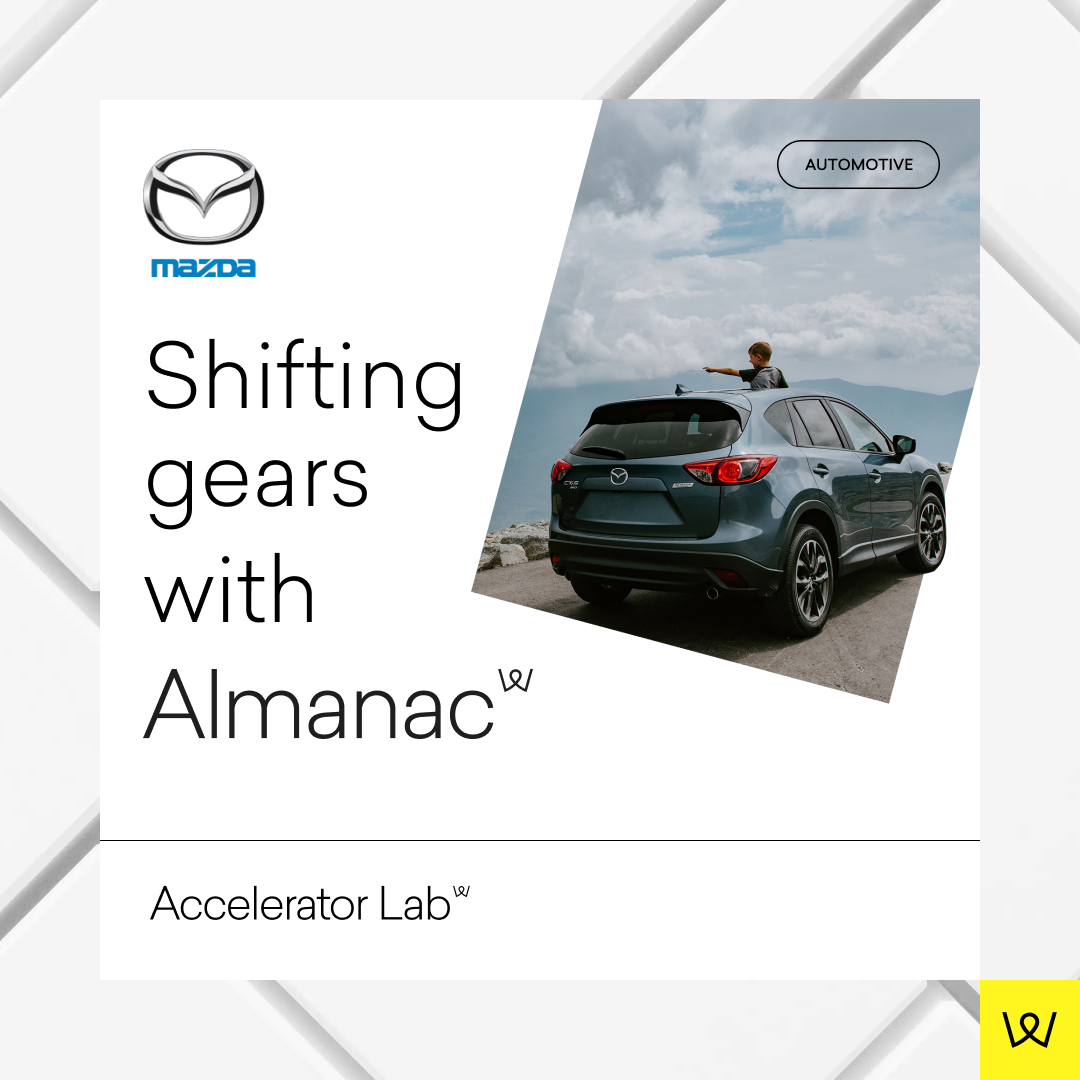
Mazda Vehicles 2025: Shifting Gears in a Changing Market
The 2025 Mazda lineup represents a pivotal strategic pivot for the Japanese automaker, characterized by an aggressive expansion of its SUV portfolio and a refined approach to electrification and internal combustion efficiency. As the a...
The 2025 Mazda lineup represents a pivotal strategic pivot for the Japanese automaker, characterized by an aggressive expansion of its SUV portfolio and a refined approach to electrification and internal combustion efficiency. As the automotive industry navigates a transition toward broader electrification, Mazda has focused on platform versatility, offering a mix of mild-hybrid, plug-in hybrid (PHEV), and high-output gasoline powertrains designed to maintain the brand’s "Jinba-Ittai" driving philosophy while meeting modern consumer demands for utility and efficiency.
Contents
Understanding the Mazda Strategic Pivot
In the current automotive landscape of 2026, Mazda remains distinct for its commitment to "right-sizing" technology. Rather than betting exclusively on a single powertrain architecture, the brand has invested in two distinct platforms: the Small Product Group (Front-wheel-drive biased) and the Large Product Group (Rear-wheel-drive biased).
The 2025 model year served as a consolidation point for this strategy. The introduction of the CX-70 and the refinement of the CX-90 marked a move upmarket, positioning Mazda as a premium-adjacent contender. For the consumer, this shift means access to sophisticated longitudinal-engine layouts and multi-link suspension systems that prioritize driving dynamics—a rarity in the mainstream crossover segment.
The Large Product Group: Engineering for Performance
The centerpiece of Mazda’s recent portfolio is the Large Product Group, which includes the CX-90 and CX-70. These vehicles utilize a rear-wheel-drive based architecture that supports both inline-six turbocharged engines and plug-in hybrid powertrains.
- e-Skyactiv G 3.3L Turbo: This powertrain utilizes a 48-volt mild-hybrid system to assist the internal combustion engine. By capturing energy during deceleration and powering electrical systems, Mazda reduces the load on the engine, improving real-world fuel economy without sacrificing the responsiveness enthusiasts expect.
- e-Skyactiv PHEV: For commuters looking for short-range electric travel, the plug-in hybrid variants offer approximately 26 miles of all-electric range before transitioning to the 2.5L four-cylinder engine. This provides a bridge for drivers not yet ready for a fully battery-electric vehicle (BEV).
The decision to stick with an inline-six engine configuration is a technical departure from industry trends, which largely favor smaller displacement engines with heavy turbocharging. Mazda argues that the inherent balance and smoothness of an inline-six architecture align better with their luxury aspirations.
Balancing Utility and Driver Engagement
The 2025 Mazda range addresses the fundamental tension between family-oriented utility and the brand's heritage of driver-focused engineering. While competitors have shifted largely toward CVTs (Continuously Variable Transmissions) for efficiency, Mazda has maintained an eight-speed automatic transmission that utilizes a multi-plate clutch instead of a traditional torque converter.
This technical choice provides a direct "connected" feel during acceleration, mimicking the engagement of a manual transmission. When combined with the Kinematic Posture Control (KPC)—a software-based system that applies slight braking pressure to the inner rear wheel during cornering—these vehicles mitigate body roll and provide a more stable, planted feel during spirited driving.
Comparison of Core 2025 Model Specifications
To understand how these vehicles fit into the market, it is essential to compare the mechanical configurations that define the current Mazda lineup.
| Model | Architecture | Primary Powertrain | Targeted Segment |
|---|---|---|---|
| CX-50 | Small Group | 2.5L Naturally Aspirated/Turbo | Rugged Utility |
| CX-70 | Large Group | 3.3L Turbo / 2.5L PHEV | Two-Row Premium |
| CX-90 | Large Group | 3.3L Turbo / 2.5L PHEV | Three-Row Luxury |
| MX-5 Miata | Small Group | 2.0L Skyactiv-G | Sports Performance |
Navigating the Ownership Experience
For prospective buyers and current owners, maintaining a 2025 Mazda involves understanding the nuances of these advanced powertrains. The 48-volt mild-hybrid system, for instance, does not require plugging in, but it does alter the starting procedure and idle behavior of the engine compared to older models.
Owners should also note the shift toward more sophisticated infotainment interfaces. By 2025, Mazda transitioned further away from the previous "Commander Control" dial toward larger, touch-sensitive displays, particularly when utilizing Apple CarPlay or Android Auto. This adjustment recognizes that consumer preference has shifted decisively toward touch-based smartphone integration.
Challenges in a Changing Market
Despite technical accolades, Mazda faces significant challenges. The premium positioning of the CX-70 and CX-90 puts them in direct competition with established luxury marques. While the mechanical refinement is comparable, Mazda must overcome consumer perception regarding interior material quality and the brand’s historical identity as a mainstream manufacturer.
Furthermore, the lack of a mass-market, long-range BEV in the 2025 lineup poses a long-term risk as regulatory pressure regarding fleet emissions increases. While the PHEV models serve as a transitional solution, the absence of a pure electric flagship means the brand must rely on the efficiency of its internal combustion advancements to maintain market relevance in states with strict ZEV (Zero Emission Vehicle) mandates.
Frequently Asked Questions
Does the 2025 Mazda CX-90 require premium fuel? Yes, to achieve the peak horsepower ratings advertised, the 3.3L Turbo engines are designed for premium unleaded gasoline. While they can operate on regular gasoline, you will experience a reduction in total power output, and the engine management system will adjust ignition timing to prevent knocking.
How does the Mazda 48-volt mild-hybrid system work? The 48-volt system in the 2025 Large Product Group vehicles acts as a starter-generator. It captures kinetic energy during braking (regeneration) and stores it in a small battery. This energy is then deployed to smooth out the engine’s start-stop transitions and provide a torque boost during acceleration, effectively filling the "gap" in power delivery when the turbocharger is spooling.
Is the 2025 CX-70 just a two-row version of the CX-90? Mechanically, the CX-70 and CX-90 share the same Large Product Group platform, engines, and wheelbase. However, the CX-70 is marketed specifically as a performance-oriented two-row crossover, featuring unique interior styling, a different rear cargo area configuration, and a sportier exterior aesthetic compared to the three-row family focus of the CX-90.
Are there significant differences between the CX-50 and CX-5? Yes. While both occupy the compact crossover space, the CX-50 is built on a platform designed for more rugged, outdoor-focused use with a wider track and a lower roofline. The CX-5 remains the quintessential urban crossover, focusing on ride comfort and cabin refinement rather than the "all-terrain" capability prioritized by the CX-50.
How often does the PHEV battery require specialized maintenance? The high-voltage lithium-ion battery in the 2025 PHEV models is designed to last the life of the vehicle. Maintenance is generally limited to periodic checks of the cooling system and software updates. It does not require routine physical service beyond the standard intervals set by the manufacturer.
Next Steps for Prospective Buyers
If you are considering a 2025 Mazda, prioritize test-driving the specific powertrain variant that matches your daily routine. If your driving is primarily city-based with access to home charging, the PHEV variants offer a superior efficiency profile. Conversely, if your driving consists primarily of highway commuting, the 3.3L inline-six provides a more consistent, long-distance power delivery. Ensure your local dealership is equipped for the Large Product Group service requirements, as these vehicles feature higher complexity than the legacy Mazda platforms.
Image Gallery