Spider-Man Home Memes: A Cultural Snapshot of Cinematic Internet History
Spider-Man home memes represent a distinct epoch in digital culture, defined by the intersection of Marvel Cinematic Universe (MCU) marketing, fan-driven speculation, and the rapid-fire nature of social media discourse surrounding the...
Spider-Man home memes represent a distinct epoch in digital culture, defined by the intersection of Marvel Cinematic Universe (MCU) marketing, fan-driven speculation, and the rapid-fire nature of social media discourse surrounding the "Home" trilogy. These memes serve as a primary record of how audience engagement transformed from passive viewing into an interactive, collaborative, and often chaotic narrative experience during the releases of Homecoming, Far From Home, and No Way Home.
Contents
The "Home" trilogy—consisting of Spider-Man: Homecoming (2017), Spider-Man: Far From Home (2019), and Spider-Man: No Way Home (2021)—functioned as more than just a sequence of films. Each release triggered a massive surge in internet-native communication. The memes associated with these films captured the specific anxieties, excitements, and collective theories of an online generation. From the anticipation of multiverse crossovers to the ironic deconstruction of Peter Parker’s relationship with Tony Stark, these images and videos functioned as a digital shorthand that captured the zeitgeist of 2017 to 2021, and they remain a core component of modern film studies and social media history as of 2026.
The Genesis of the "Home" Meme Cycle
The cycle of memes surrounding the Spider-Man "Home" trilogy is rooted in the unique status of the character within the MCU. Unlike previous iterations of Spider-Man, the MCU version was introduced through a high-profile corporate collaboration between Sony Pictures and Marvel Studios. This unusual production background created a fertile ground for memes.
Early memes surrounding Homecoming focused on Peter Parker’s status as a protégé to Iron Man. The "Stark Internship" meme archetype became a way for fans to poke fun at the perceived lack of traditional "struggling artist" tropes in Tom Holland’s portrayal. By 2017, social media platforms like Twitter (now X) and Reddit had moved toward more visual, reaction-based discourse, where a single screen capture from a trailer could dictate the tone of months of discussion.
Multiverse Speculation and the Peak of Viral Engagement
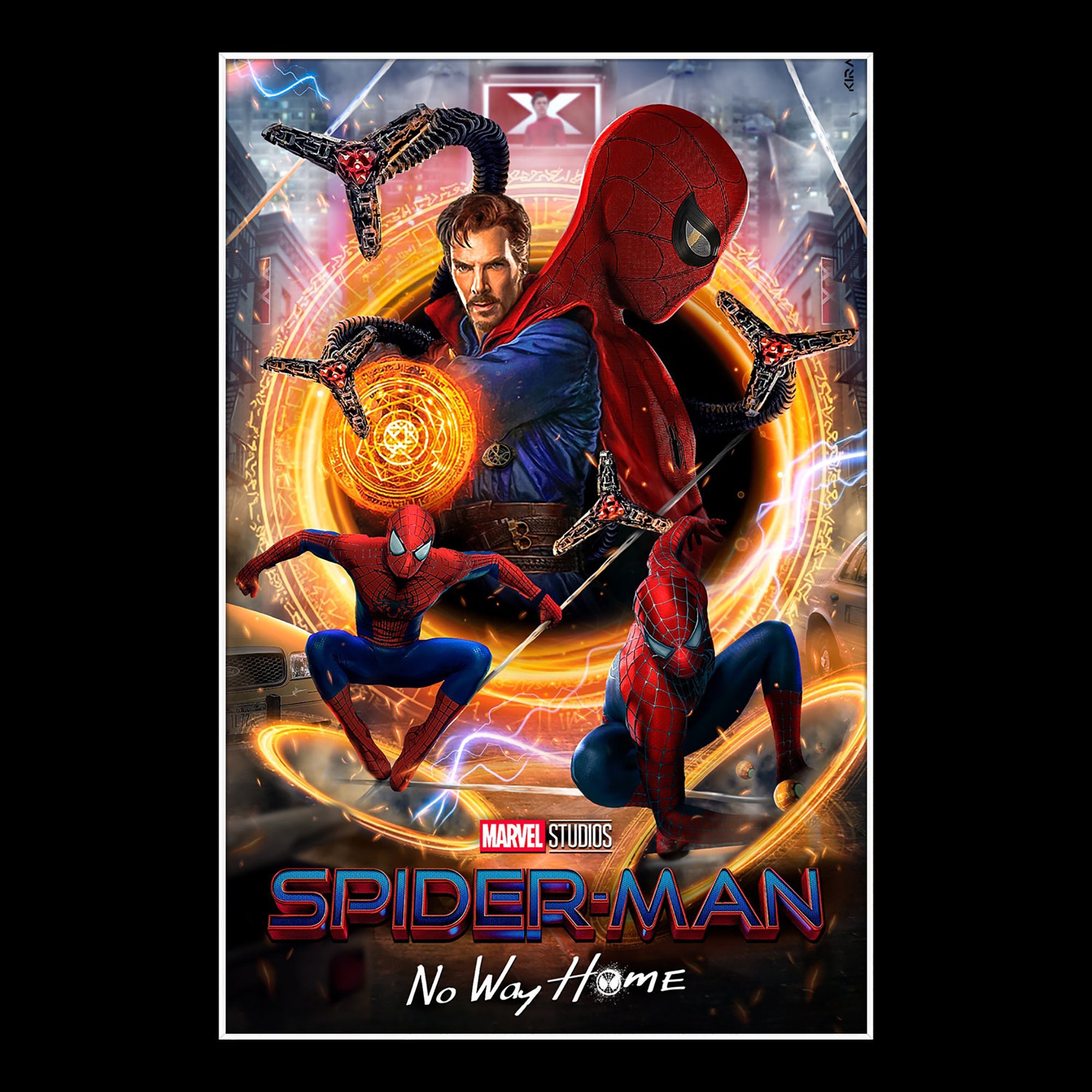
The most significant inflection point for the Spider-Man meme culture occurred in the lead-up to Spider-Man: No Way Home. As rumors of a "Spider-Verse" crossover—involving former cinematic Spider-Men Tobey Maguire and Andrew Garfield—gained traction, the meme landscape shifted from humorous commentary to active detective work.
This period was characterized by "Sleuth Memes," where fans would obsessively zoom in on set photos, shadows, and reflection artifacts in marketing materials. The meme format here acted as a crowd-sourced evidence locker. The intensity of this engagement transformed the film’s release into a global internet event, arguably demonstrating a level of audience participation that has set a benchmark for tentpole film marketing through 2026.
Comparative Analysis of Meme Intent
| Meme Archetype | Primary Intent | Cultural Impact |
|---|---|---|
| Relatability Memes | Character deconstruction | Humanized the high-tech MCU Spider-Man. |
| Sleuth/Theory Memes | Predicting narrative beats | Fueled viral anticipation and box office success. |
| Reaction/Face Memes | Expressing visceral emotion | Became universal templates for unrelated situations. |
| Meta-Crossover Memes | Celebrating franchise history | Unified three decades of disparate fanbases. |
The Technical Evolution of Spider-Man Meme Formats
In the mid-2010s, memes were largely static images with top-and-bottom Impact font text. By the conclusion of the No Way Home marketing cycle in 2021, the landscape had shifted toward short-form video, deepfakes, and high-fidelity GIFs. The "Spider-Man Pointing" meme—originally from the 1967 animated series—saw a massive resurgence during the promotion of No Way Home, symbolizing the perfect bridge between legacy content and contemporary digital culture.
Technological advancements in mobile editing tools allowed casual fans to produce high-quality video memes at an unprecedented rate. This democratization of content creation meant that the "narrative" of the film was no longer dictated solely by the studio, but by thousands of independent creators on TikTok, Instagram, and Reddit. As we look back from 2026, the No Way Home era stands as the moment where social media sentiment became an inseparable layer of the actual film-watching experience.
Addressing Common Questions Regarding Spider-Man Digital Culture
Why did the "Home" trilogy specifically generate so many memes?
The trilogy hit the perfect intersection of a major media franchise, a global pandemic that forced audiences into prolonged online interaction, and the high-stakes narrative of the multiverse. The combination of intense nostalgia for earlier Spider-Man iterations and the "will-they-won't-they" mystery of the multiverse created a constant feedback loop of user-generated content.
What is the long-term legacy of these memes?
Beyond just humor, these memes serve as a cultural snapshot of how film studios interact with digital fandom. They represent the professionalization of the "leak and theory" culture. Studios now actively monitor these digital spaces to understand audience sentiment, and the memes themselves have become part of the archival history of the Marvel Cinematic Universe.
How did the multiverse theme impact meme longevity?
The inclusion of three different Spider-Men provided an endless supply of "compare and contrast" material. It allowed fans to argue about, celebrate, and re-contextualize the history of the character across decades, ensuring that the memes would not be limited to the release date of a single film.
Did the studio influence the meme culture?
While some meme engagement was organic, Sony and Marvel were sophisticated in their approach to digital marketing. By leaning into fan theories rather than debunking them, they allowed the "meme-ification" of the film to function as free, highly effective promotional material that kept the conversation active for months prior to the theatrical release.
Practical Next Steps for Researchers of Digital Media
For those interested in studying the intersection of cinema and internet culture, the Spider-Man "Home" trilogy provides a gold-standard case study. To properly research this phenomenon as of 2026:
- Archival Retrieval: Utilize the Wayback Machine to view snapshots of major subreddit threads (such as r/MarvelStudios or r/Spiderman) from 2020 and 2021.
- Platform Analysis: Examine the divergence of meme formats between Twitter (text/image heavy) and TikTok (video/trend heavy) during the week of the No Way Home premiere.
- Sentiment Mapping: Use established digital sociology methodologies to map the shift from skepticism to enthusiasm as the "multiverse" rumors turned from fan-fiction into reality.
The evolution of these memes teaches us that film consumption is no longer a solitary or isolated act. It is a collective, ongoing digital conversation. Whether through the ironic framing of Peter Parker's life or the high-intensity speculation of the multiverse, the "Home" memes solidified Spider-Man’s place not just as a cinematic icon, but as the foundational figure of modern viral pop culture.
Image Gallery