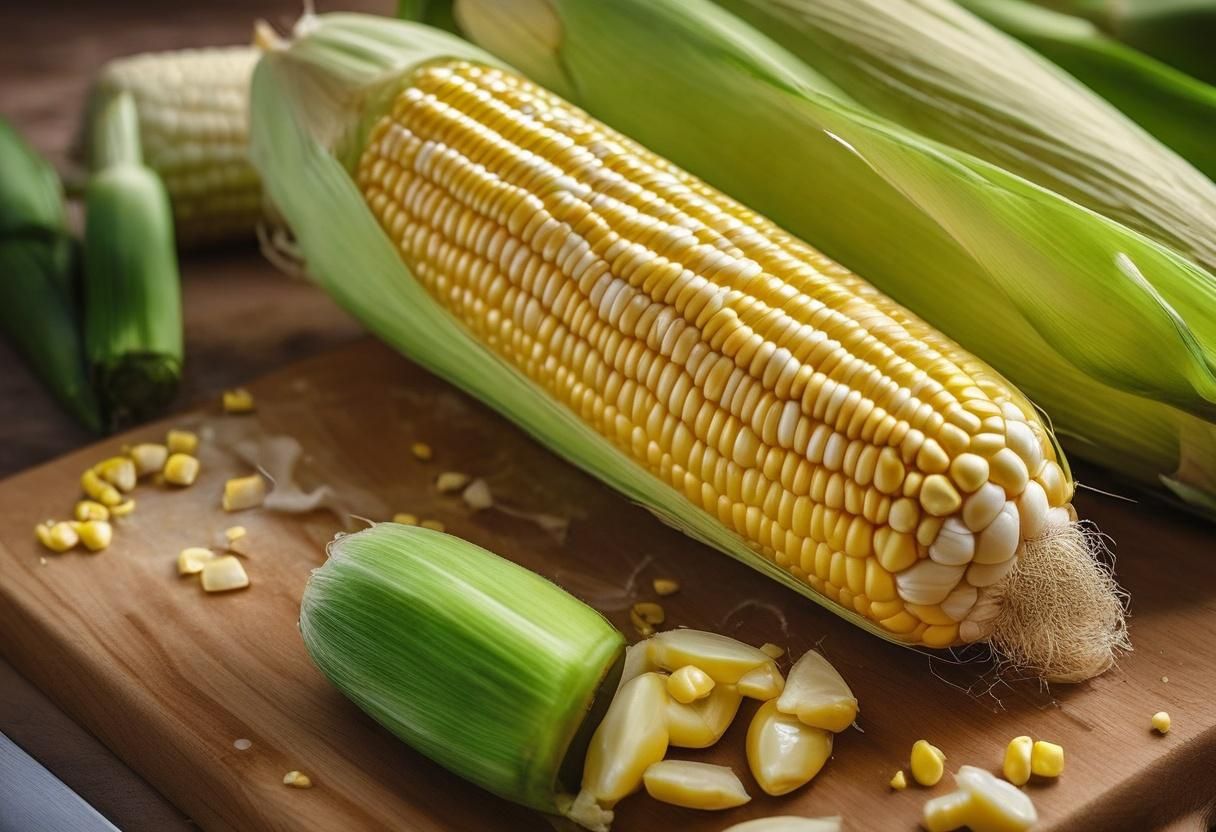
How Long Is Cooked Corn Good in the Fridge: Shelf Life Basics
Cooked corn typically remains safe and high in quality for three to five days when stored in an airtight container within a refrigerator set at 40°F (4°C) or below. To maintain the best texture and flavor, it is essential to cool the c...
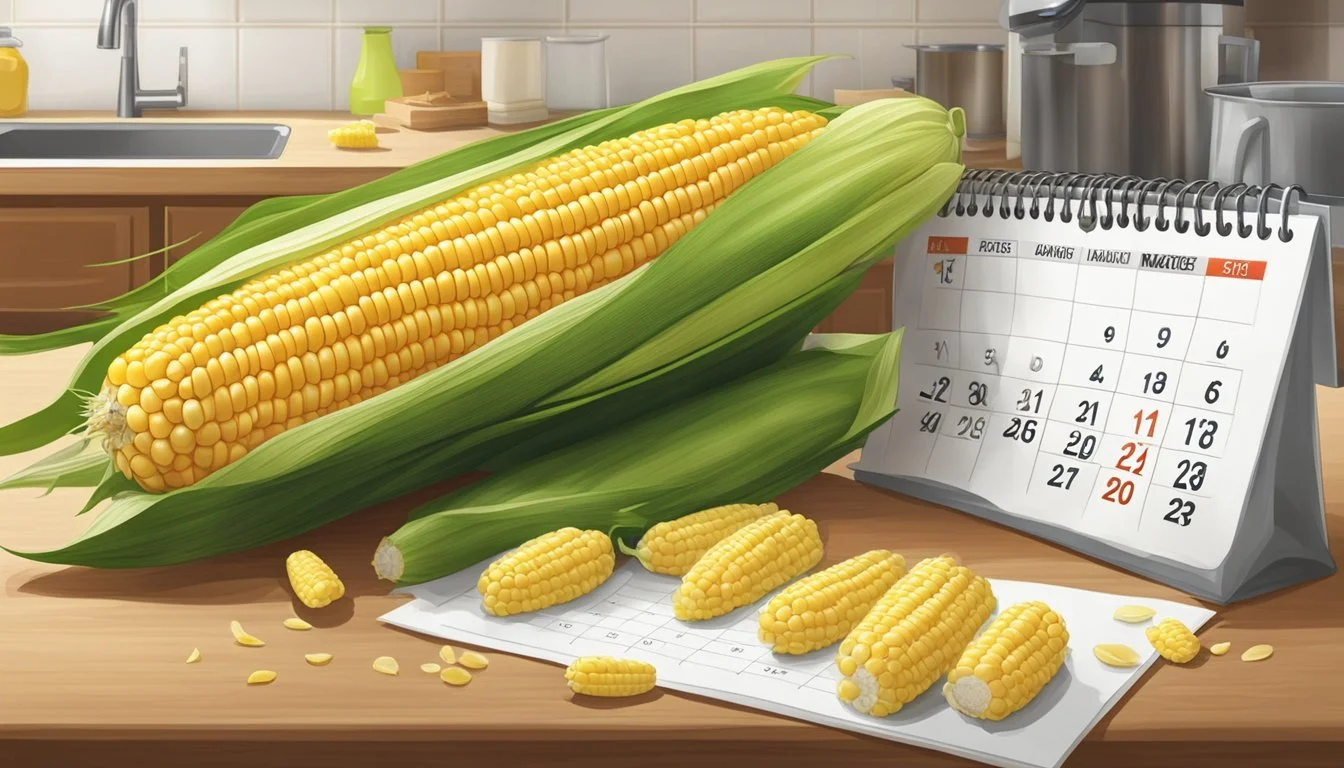
Cooked corn typically remains safe and high in quality for three to five days when stored in an airtight container within a refrigerator set at 40°F (4°C) or below. To maintain the best texture and flavor, it is essential to cool the corn quickly after cooking and seal it properly to prevent moisture loss and bacterial growth.
Contents
Understanding the Factors Affecting Corn Shelf Life
The longevity of cooked corn in your refrigerator is not solely dependent on time; it is heavily influenced by how the corn was handled from the moment it left the heat source. Understanding these variables is critical for both food safety and maintaining culinary quality.
When corn is cooked, the heat kills the majority of surface bacteria. However, once the corn begins to cool, it enters the "Danger Zone"—the temperature range between 40°F and 140°F (4°C to 60°C)—where bacteria can multiply rapidly. According to guidelines from the United States Department of Agriculture (USDA), perishable foods should not remain in this range for more than two hours. If the ambient temperature is above 90°F (32°C), this window shrinks to one hour. The faster you transition cooked corn from the pot to the refrigerator, the safer it remains throughout its shelf life.
Moisture and oxygen exposure also play roles in degradation. Cooked corn is a high-moisture food, making it susceptible to rapid texture changes. If left uncovered, the kernels will dry out, becoming tough or rubbery, and the corn will absorb the scents of other items in your refrigerator, which can alter its natural sweetness.
Optimal Storage Techniques for Cooked Corn
To maximize the three-to-five-day shelf life, you must create an environment that inhibits bacterial growth and retains hydration. The following methods are widely considered the gold standard for home food preservation:
- Rapid Cooling: Do not place a large pot of boiling corn directly into the fridge, as it will raise the ambient temperature of the appliance and put other foods at risk. Instead, spread the ears or kernels out on a tray to cool to room temperature briefly, then transfer them to the cold environment.
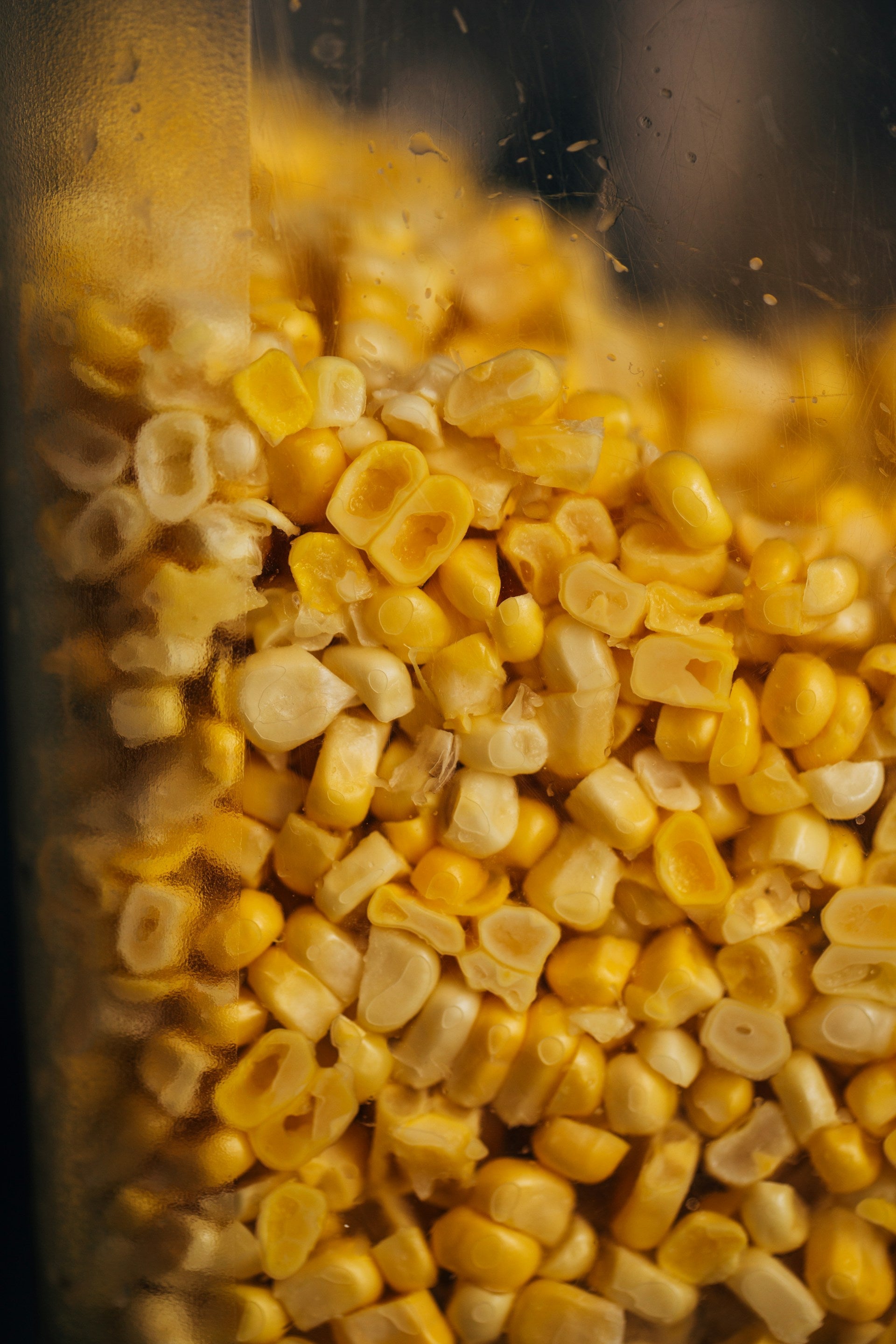
- Airtight Containers: If you have cut the kernels off the cob, store them in a glass or BPA-free plastic container with a tight-fitting lid. If storing whole ears, wrap them individually in plastic wrap or place them in a heavy-duty sealable plastic bag, pressing out as much air as possible.
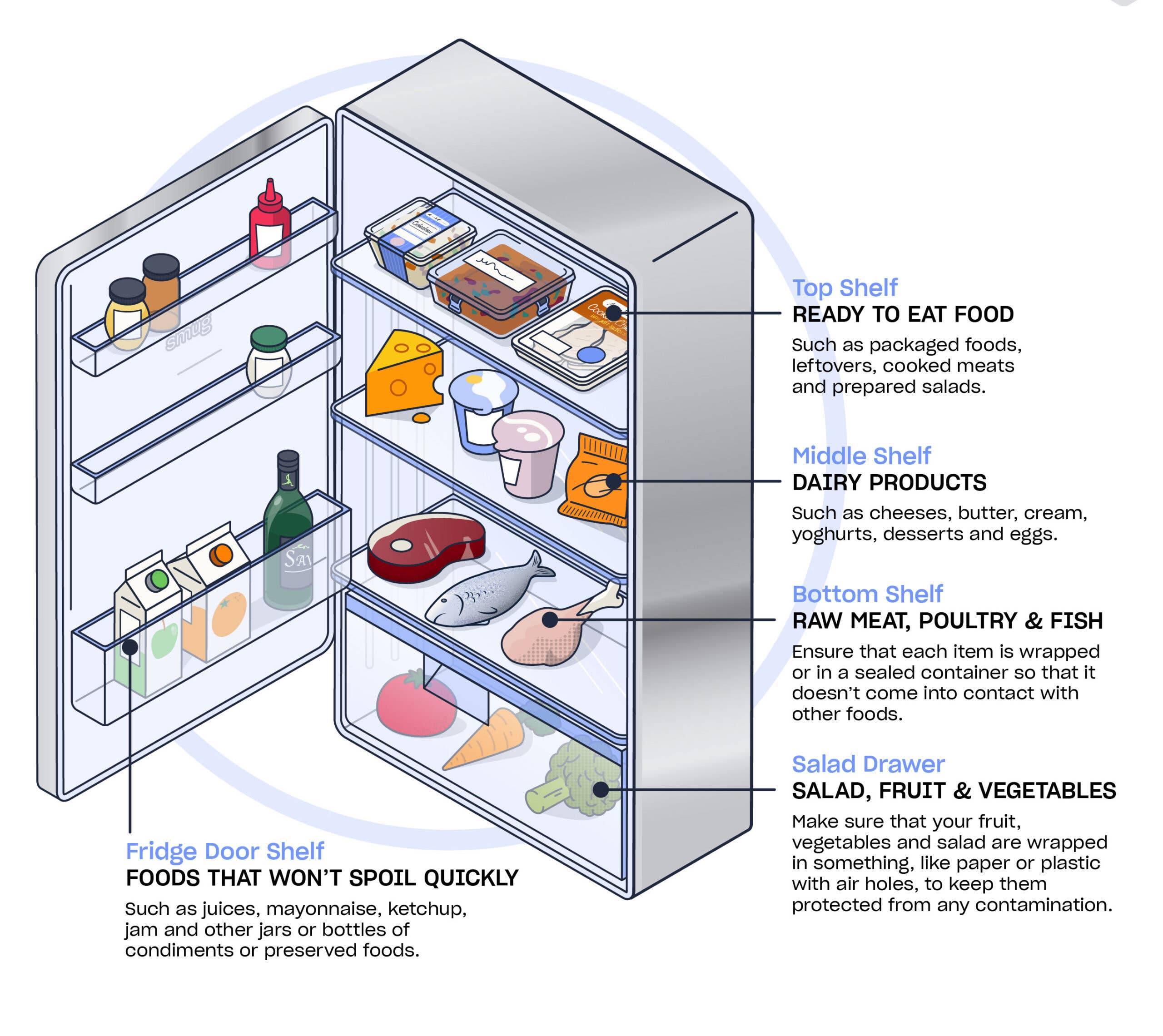
- Placement: Store the corn on a middle or lower shelf toward the back of the refrigerator. These areas typically maintain a more consistent temperature compared to the door, which experiences frequent thermal fluctuations every time the refrigerator is opened.
Identifying Spoilage: When to Discard Cooked Corn
Even within the three-to-five-day window, individual storage conditions can vary. You should always perform a sensory inspection before consuming refrigerated corn. If you observe any of the following signs, the corn has likely degraded past the point of safe consumption:
- Slimy Texture: If the surface of the kernels feels slippery or slimy to the touch, this is a hallmark of bacterial colonization.
- Off-Odors: Freshly cooked corn has a mild, sweet, earthy aroma. If the corn smells sour, acidic, or yeasty, discard it immediately.
- Visible Mold: While less common in short-term refrigeration, any fuzzy growth or dark spots on the kernels or cob indicate fungal contamination.
- Discoloration: While corn can naturally darken slightly when oxidized, significant graying or dulling of the color often accompanies spoilage.
When in doubt, the "when in doubt, throw it out" rule remains the most effective strategy for preventing foodborne illness.
Comparative Shelf Life of Corn Preparations
The way you prepare and store your corn significantly impacts its longevity. While the general rule is 3–5 days, specific preparations may offer slightly different performance metrics in the refrigerator.
| Preparation Type | Storage Method | Estimated Fridge Life |
|---|---|---|
| Whole Cob (Boiled) | Airtight Bag/Wrap | 3–4 Days |
| Corn Kernels (Cut) | Sealed Container | 3–5 Days |
| Creamed Corn | Sealed Container | 2–3 Days |
| Corn in Sauces/Butter | Sealed Container | 2–3 Days |
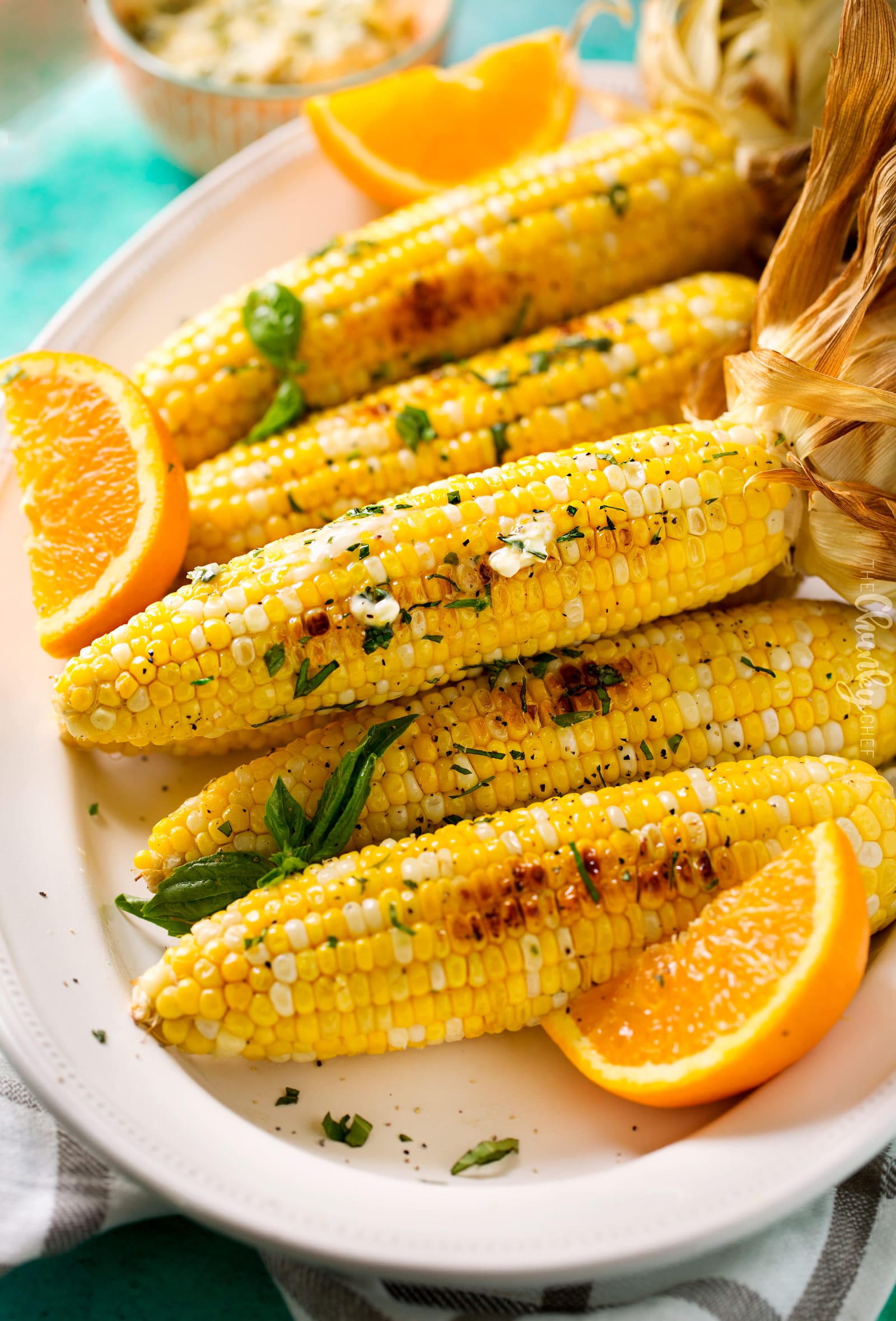
| Grilled Corn | Foil Wrapped/Sealed | 3–4 Days |
Note that corn mixed with dairy, such as creamed corn, typically has a shorter shelf life than plain boiled or grilled corn because the dairy base provides a richer medium for bacterial growth.
Beyond the Fridge: Freezing for Long-Term Storage
If you realize you will not consume your cooked corn within the five-day limit, the freezer is an excellent alternative. Unlike the refrigerator, the freezer effectively halts the process of bacterial growth, provided the temperature remains at 0°F (-18°C) or below.
To freeze cooked corn:
- Blanching: If the corn was only lightly cooked, ensure it was properly blanched before the initial freezing process.
- Removal from Cob: For the best quality, cut the kernels off the cob. They take up less space and are easier to use in future recipes.
- Flash Freezing: Spread the kernels on a baking sheet in a single layer and place them in the freezer for one hour. This prevents them from clumping together in a solid block.
- Vacuum Sealing: Transfer the partially frozen kernels into freezer-safe bags. Using a vacuum sealer is ideal, as it removes all air and prevents freezer burn, which is the primary cause of quality loss in frozen vegetables.
When stored properly in the freezer, cooked corn can maintain high quality for up to 10 to 12 months.
Common Mistakes to Avoid
Many home cooks unintentionally shorten the shelf life of their produce through common handling errors. Avoiding these pitfalls will ensure your corn stays fresh for as long as possible:
- Leaving at Room Temperature: Leaving corn out overnight on the counter is the most frequent cause of foodborne illness. Even if it "looks fine" the next morning, dangerous toxins produced by bacteria may already be present.
- Storing in Open Bowls: Leaving corn in an open bowl allows moisture to evaporate, leading to dry, shriveled kernels. Furthermore, it exposes the food to cross-contamination from other items in your fridge.
- Ignoring Refrigerator Temperature: If your refrigerator is set to 45°F (7°C) instead of 40°F (4°C), the shelf life of all perishables is effectively cut in half. Use an inexpensive refrigerator thermometer to verify the temperature.
Frequently Asked Questions
Can I reheat cooked corn more than once? It is generally advised to reheat only the portion you intend to eat. Repeatedly heating and cooling corn not only degrades the texture, making it mushy, but also increases the time the food spends in the temperature danger zone, significantly raising the risk of bacterial growth.
Does adding butter or salt affect the shelf life? Yes. Added ingredients like butter, oil, or cream can introduce contaminants and change the moisture content, which often accelerates spoilage. Plain corn lasts longer than corn that has been seasoned or mixed with other ingredients.
What should I do if the power goes out? If your refrigerator loses power, keep the doors closed as much as possible. A full refrigerator will maintain a safe temperature for about four hours if left unopened. If the power is out for longer than four hours, items that have risen above 40°F for an extended period should be discarded.
Why does my refrigerated corn taste "soapy"? This usually occurs when corn is stored in an unsealed container near strong-smelling foods like onions, garlic, or fish. Corn is porous and acts like a sponge, absorbing odors from the refrigerator atmosphere. Always ensure your containers are truly airtight.
Is it safe to eat cold leftover corn? Yes. If the corn was cooked properly, cooled quickly, and stored at 40°F or below, it is perfectly safe to eat cold. Many people enjoy it in salads or chilled dishes.
Final Recommendation
To ensure the safety and peak flavor of your cooked corn, commit to the "two-hour rule": cool it down and move it into an airtight container within two hours of cooking. Keep your refrigerator strictly at or below 40°F, and prioritize consuming the corn within the first 72 hours. If you find yourself with an excess that you cannot eat within four days, move the portion to the freezer immediately rather than waiting for the quality to decline.
Image Gallery