Ford Ranger Straight Pipe: Performance, Legality, and Installation Guide
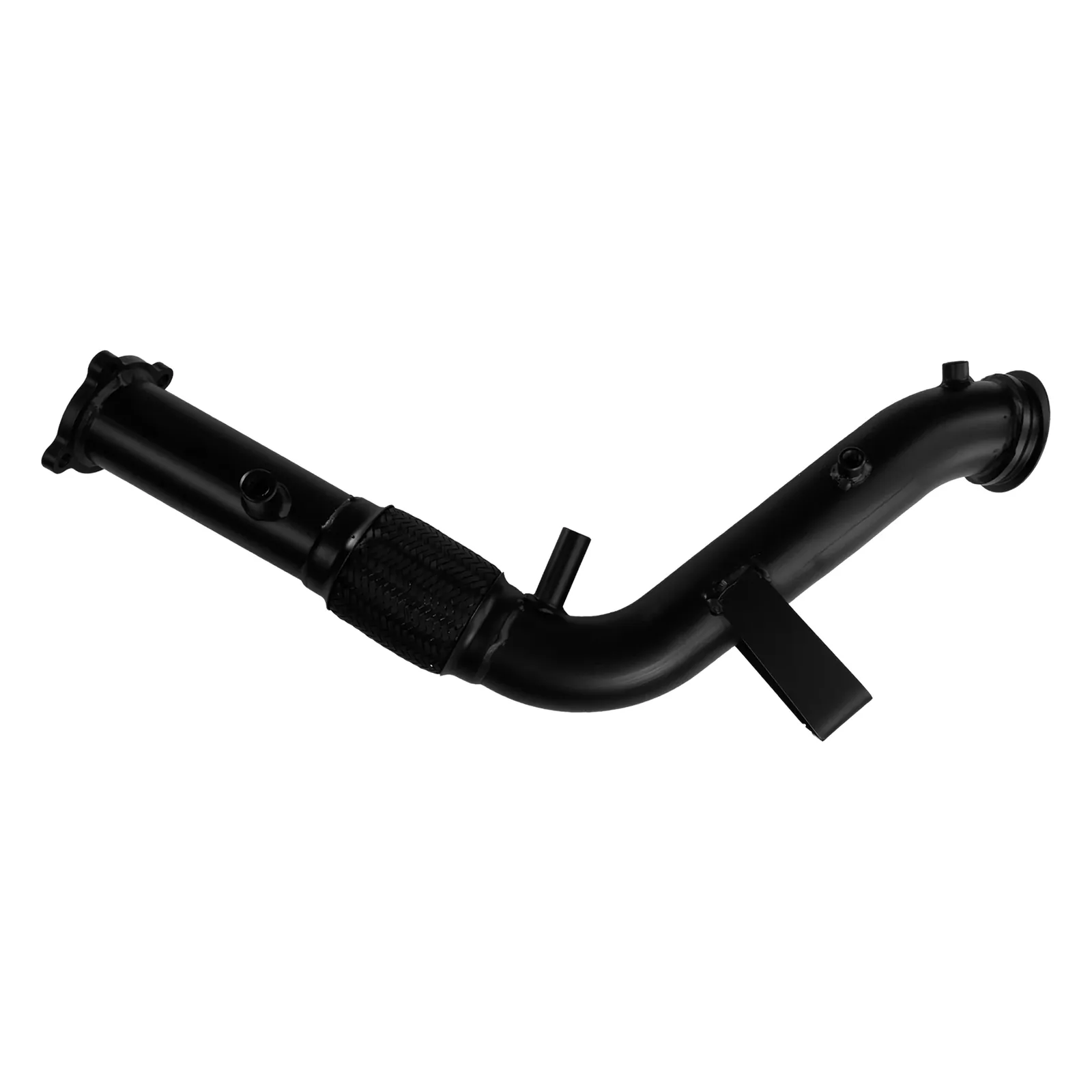
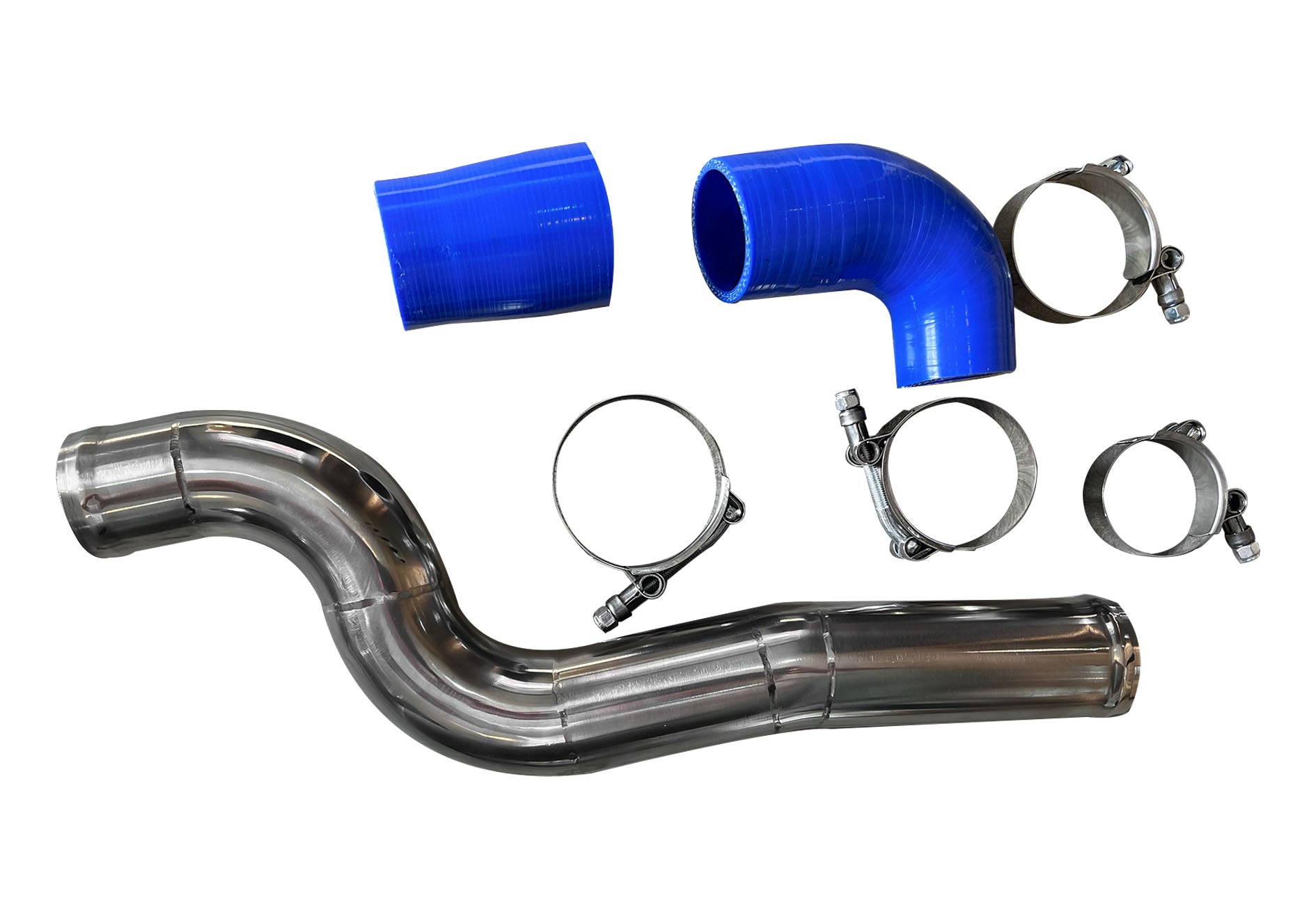
Straight piping a Ford Ranger involves removing the muffler, resonator, and occasionally the catalytic converter to create an unobstructed path for exhaust gases. This modification significantly increases exhaust volume, reduces backpr...
Straight piping a Ford Ranger involves removing the muffler, resonator, and occasionally the catalytic converter to create an unobstructed path for exhaust gases. This modification significantly increases exhaust volume, reduces backpressure, and sheds weight. However, it often leads to high interior drone, potential legal penalties, and requires careful management of engine sensors.
Contents
The Ford Ranger has evolved through several generations, from the classic compact pickups of the 1990s and 2000s to the modern mid-size T6 platform. In 2026, many owners of both the 2.3L EcoBoost models and the older 4.0L V6 variants consider a "straight pipe" as a cost-effective way to give their truck a more aggressive presence. While the concept is simple—replacing restrictive exhaust components with a straight section of tubing—the technical and legal implications are complex.
The Mechanics of a Straight Pipe System
To understand the impact of a straight pipe on a Ford Ranger, one must first understand the factory exhaust hierarchy. In a standard setup, exhaust gases exit the manifold, pass through the catalytic converter (which reduces toxic emissions), flow through a resonator (which cancels out specific high-pitched sound frequencies), and finally enter the muffler (which reduces overall decibel levels).
A true straight pipe removes all three of these "restrictions." However, most Ranger enthusiasts opting for this mod perform what is technically a "muffler and resonator delete," leaving the catalytic converter intact to remain somewhat compliant with emissions standards while still achieving the desired sound profile.
Impact on the 2.3L EcoBoost Engine
The modern Ford Ranger (2019–2026) is primarily powered by a 2.3L turbocharged I4 EcoBoost engine. Turbocharged engines react differently to straight piping than naturally aspirated ones. The turbocharger itself acts as a minor muffler by breaking up exhaust pulses. When you straight pipe an EcoBoost Ranger, you will notice a significant increase in turbo spool sound (whistles) and a deeper, albeit occasionally "tractor-like" idle. Because turbos thrive on a lack of backpressure, a straight pipe can marginally improve throttle response and peak boost retention.
Impact on the Older 3.0L and 4.0L V6 Engines
For owners of the older Ranger generations, the 4.0L Cologne V6 is the most common candidate for exhaust work. Straight piping a V6 engine often results in a very loud, "raspy" tone that can become high-pitched at higher RPMs. Unlike the turbo engines, these naturally aspirated powerplants rely on specific exhaust gas velocities to maintain low-end torque. Removing all backpressure via a large-diameter straight pipe can actually result in a measurable loss of low-end "grunt," which is often undesirable for a truck used for towing or off-roading.
Performance vs. Reality: Gains and Losses
One of the primary drivers for installing a straight pipe is the promise of increased horsepower. In theory, reducing backpressure allows the engine to pump air more efficiently. In practice, the gains on a stock or mildly tuned Ford Ranger are often negligible—typically between 2 to 8 horsepower.
Exhaust Gas Velocity and Scavenging
The "scavenging effect" occurs when the velocity of exiting exhaust gases creates a vacuum that helps pull the next cylinder's exhaust out. If the pipe diameter is too large (e.g., installing a 4-inch straight pipe on a stock 2.3L Ranger), the gas cools and slows down, breaking the scavenging cycle. For most Ford Rangers, a 2.5-inch or 3-inch pipe is the maximum effective diameter for a straight pipe setup to maintain a balance between flow and velocity.
Weight Reduction
A stock Ford Ranger exhaust system, including the heavy baffled muffler and the resonator, can weigh anywhere from 40 to 70 pounds. Replacing this entire assembly with a few feet of 16-gauge stainless steel tubing can shave off 30 or more pounds. While this won't transform the truck into a race car, weight reduction is always a benefit in terms of fuel economy and handling.
Legal and Environmental Considerations
Before proceeding with a straight pipe modification in 2026, owners must navigate a complex web of regulations. These generally fall into two categories: emissions and noise.
Emissions Compliance (The EPA and CARB)
In the United States, the Clean Air Act makes it illegal to remove or "render inoperative" a functional catalytic converter on a vehicle driven on public roads. Even in states without active smog testing, tampering with the emissions system is a federal offense. If your straight pipe involves a "cat-delete," the vehicle will fail any visual or OBD-II based emissions inspection. Furthermore, modern Rangers use downstream O2 sensors to monitor catalyst efficiency; removing the converter will trigger a permanent Check Engine Light (CEL) and may put the engine into a "limp mode" or reduced power state.
Noise Ordinances
Straight-piped Ford Rangers are significantly louder than stock—often exceeding 95-100 decibels at wide-open throttle. Most municipalities have noise ordinances that cap vehicle noise at 80-85 decibels. A straight pipe is a magnet for law enforcement attention, and "fix-it" tickets can quickly exceed the cost of the exhaust modification itself.
Technical Installation and Component Requirements
If you decide to proceed with a straight pipe for off-road or track use, the quality of materials and the precision of the installation will determine the longevity of the mod.
Material Selection: 304 vs. 409 Stainless Steel
- 304 Stainless Steel: The premium choice. It has a high chromium and nickel content, making it almost entirely resistant to rust. It is ideal for trucks in "salt belt" states.
- 409 Stainless Steel: Often used in OEM applications. It will develop surface rust over time but remains structurally sound for many years. It is more cost-effective than 304.
- Aluminized Steel: The cheapest option. It is prone to corrosion and is generally not recommended for a truck that will see mud, water, or snow.
Hardware and Sensors
When straight piping a 2019–2026 Ranger, the exhaust hangers must be positioned precisely to prevent the pipe from vibrating against the frame or the leaf springs. Additionally, if the resonator is removed, the increased vibration can lead to "exhaust drone"—a resonant frequency that vibrates the cabin at specific cruising speeds (usually 2,000–2,500 RPM).
| Feature | Stock Exhaust | Performance Muffler | Straight Pipe |
|---|---|---|---|
| Sound Level | 70-75 dB (Quiet) | 80-88 dB (Moderate) | 95-105+ dB (Very Loud) |
| Drone Level | None | Low to Moderate | High / Severe |
| Backpressure | High | Low | Minimal |
| Emissions Legal | Yes | Yes (if Cat-back) | No (if Cat-deleted) |
| DIY Difficulty | N/A | Moderate | Moderate to High |
| Cost | N/A | $400 - $1,200 | $100 - $300 (Custom) |
Common Challenges and Troubleshooting
The Check Engine Light (CEL)
If you remove the catalytic converter, the ECU will detect that the gases entering the exhaust are the same as those exiting (since no conversion is happening). To fix this, owners often use "O2 spacers" or "defoulers" to move the sensor out of the direct exhaust stream. However, modern 2024+ Ranger ECUs are increasingly sophisticated and can often detect these spacers, requiring a professional software tune to "code out" the rear O2 sensors.
Addressing the "Drone"
The most common regret among Ranger owners who straight pipe their trucks is the interior drone. Long highway drives can become exhausting due to the constant humming. To mitigate this without adding a muffler, some install a "J-pipe" or Helmholtz resonator. This is a dead-end side pipe calculated to a specific length that uses sound wave interference to cancel out the droning frequency while keeping the overall exhaust volume loud.
Weld Failure
Exhaust systems endure extreme heat cycles and constant vibration. Budget straight pipe jobs often use "tack welds" or thin piping that cracks under the stress of off-roading. For a Ford Ranger, which likely sees varying terrain, ensuring full TIG or MIG welds and using heavy-duty rubber hangers is essential for durability.
FAQs about Ford Ranger Straight Piping
Does straight piping a Ford Ranger void the warranty?
Under the Magnuson-Moss Warranty Act, a manufacturer cannot void your entire warranty because of an aftermarket part. However, if the straight pipe causes a secondary failure (e.g., burnt valves due to lean conditions or a melted bumper from heat), Ford can legally deny warranty coverage for those specific repairs. Always consult with your local dealer before modifying a vehicle under factory powertrain warranty.
Will a straight pipe improve my fuel economy?
In theory, yes, because the engine works less to push out exhaust gases. In reality, most owners find their fuel economy decreases because the more aggressive sound encourages more spirited driving and higher RPM shifts. If driven identically, you might see a negligible 0.5 MPG improvement.
What is the difference between a "Cat-Back" and a straight pipe?
A cat-back system replaces everything from the catalytic converter to the rear bumper. It usually includes a high-flow muffler. A straight pipe is a type of cat-back (or header-back) setup that specifically uses no muffling devices at all. A "muffler delete" is the most common form of straight piping on a Ford Ranger.
Can I pass an inspection with a straight pipe?
If your local jurisdiction requires a visual inspection, you will likely fail because the muffler is missing. If they perform a "sniffer" test or an OBD-II scan and you have removed the catalytic converter, you will definitely fail. Some areas only check for the Check Engine Light; if you have a "cat-back" straight pipe (muffler delete only) and no CEL, you may pass.
Does it sound better on a manual or automatic Ranger?
Sound is subjective, but many enthusiasts prefer the sound of a straight pipe on a manual transmission Ranger. This is because the driver has more control over the RPM range, allowing them to avoid "droning" zones and enjoy the crisp "pops" and "crackles" during downshifts, which are often muffled or slurred by the 10-speed automatic's quick shifting.
Final Recommendation
Straight piping a Ford Ranger is a modification best suited for dedicated off-road vehicles or owners who prioritize sound volume above all else. For a daily driver, the "drone" and legal risks often outweigh the minor performance gains. If you seek a more aggressive tone without the drawbacks of a straight pipe, consider a high-flow cat-back exhaust system. These systems are engineered to provide a deep, throaty growl and improved flow while utilizing resonators to eliminate cabin drone and maintaining compliance with most noise regulations. If you proceed with a straight pipe, ensure you retain your factory components so the truck can be returned to stock configuration for resale or inspection purposes.
Image Gallery