How to Get Non-Feathering Lipstick: A Professional Guide to Precise Application
Achieving a non-feathering lipstick look relies on a combination of proper lip preparation, strategic product selection, and precise application techniques. By creating a smooth, hydrated base and using boundary-defining products like...
Achieving a non-feathering lipstick look relies on a combination of proper lip preparation, strategic product selection, and precise application techniques. By creating a smooth, hydrated base and using boundary-defining products like lip primers and waterproof liners, you can prevent color from migrating into the fine lines surrounding the mouth while ensuring your chosen formula remains sharp and intact throughout the day.
Contents
The Science Behind Lip Feathering
Feathering, often colloquially called "bleeding," occurs when lipstick pigment migrates from the lips into the microscopic fine lines and wrinkles in the perioral area (the skin surrounding the mouth). This phenomenon is physically driven by a combination of skin texture, product viscosity, and hydration levels.
As skin ages or experiences dehydration, the skin barrier around the mouth becomes less elastic, and the vertical lines—sometimes referred to as "smoker’s lines," regardless of whether the individual smokes—deepen. Lipstick formulas containing high levels of emollient oils or waxes can act like a vehicle, tracking pigment into these lines through capillary action. By understanding that feathering is a result of surface tension and skin anatomy, you can select products that anchor the pigment in place.
Preparing the Canvas: Skin Hydration and Exfoliation
The most common mistake leading to feathered lipstick is applying product to an unprepared, dry surface. A dry, flaking lip provides an uneven texture, while dehydrated skin surrounding the mouth is more prone to deep creases.
- Exfoliation: Use a gentle lip scrub or a damp, soft washcloth to remove dead skin cells. This creates a uniform surface, allowing your lip liner and lipstick to adhere more evenly. Avoid harsh granular scrubs that can cause micro-tears in the delicate skin.
- Hydration: Apply a lightweight, non-greasy lip balm or humectant-based serum. Allow it to absorb fully for at least five minutes before starting your makeup application. If the balm remains too "slick" or oily, the lipstick will not be able to grip the skin, significantly increasing the likelihood of migration.
- Primer: If you have deep perioral lines, a dedicated lip primer is essential. Many modern primers contain silicone polymers that fill in lines and create a barrier between the lipstick and the skin. Apply a thin layer to both the lips and the immediate skin perimeter.
Selecting the Right Formulas
Not all lipstick formulas are created equal. If your primary goal is a non-feathering outcome, you must prioritize specific chemical and physical properties over finish preference.
- Matte Formulas: Traditional matte lipsticks contain higher concentrations of waxes and pigments with fewer oils, making them inherently less prone to feathering.
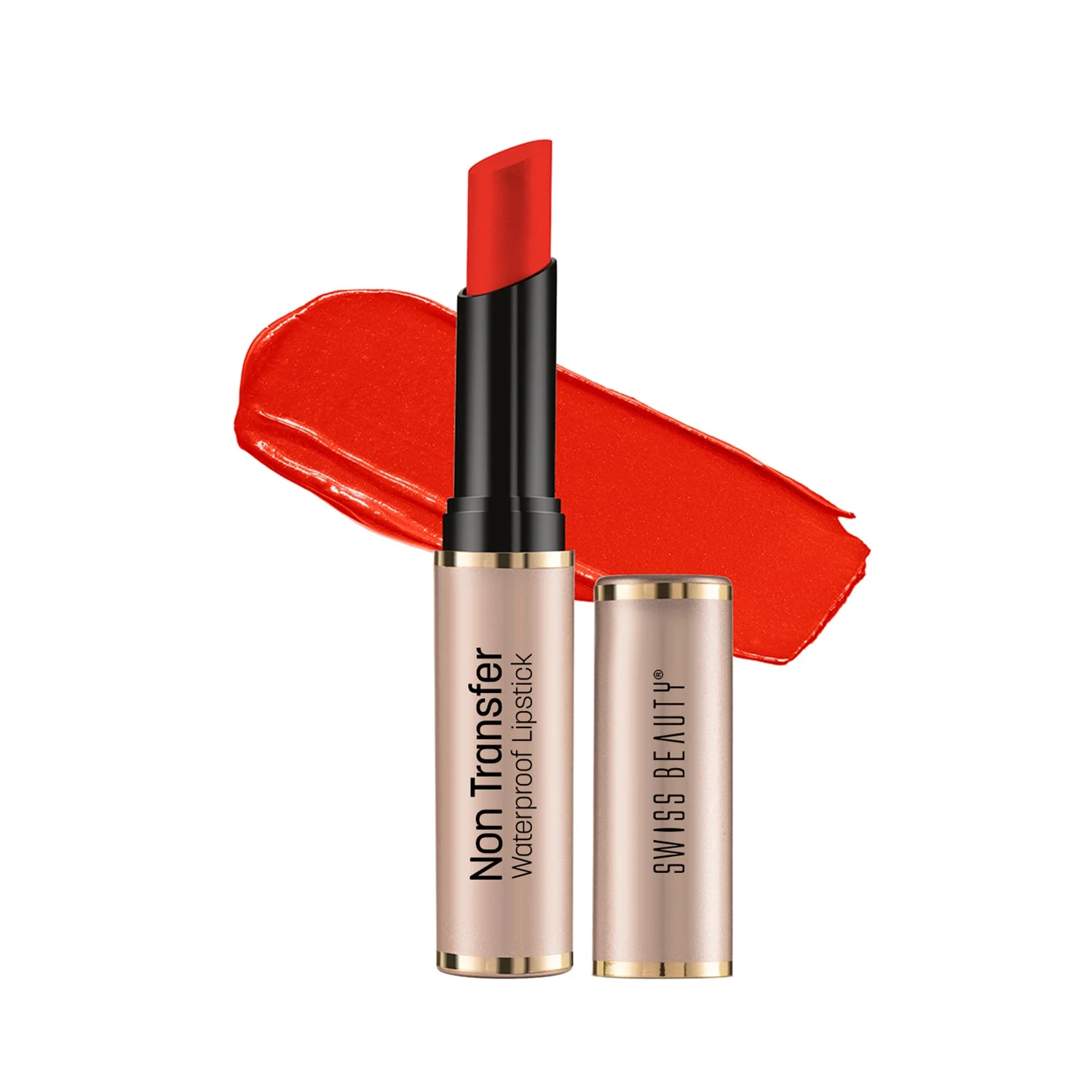
- Long-Wear Liquid Lipsticks: These formulas are specifically engineered to dry down into a flexible film. Once set, the color is locked in place, making it nearly impossible for the pigment to move.
- Avoid High-Shine Glosses: High-emolliency products, such as traditional glosses or super-hydrating "balm" lipsticks, are designed to remain fluid. These are the most likely to migrate. If you desire a shiny finish, apply it only to the center of the lips, avoiding the edges where feathering occurs.
Technical Application Strategies for Longevity
The structural integrity of your lipstick depends on how you build your "fence" around the lip border.
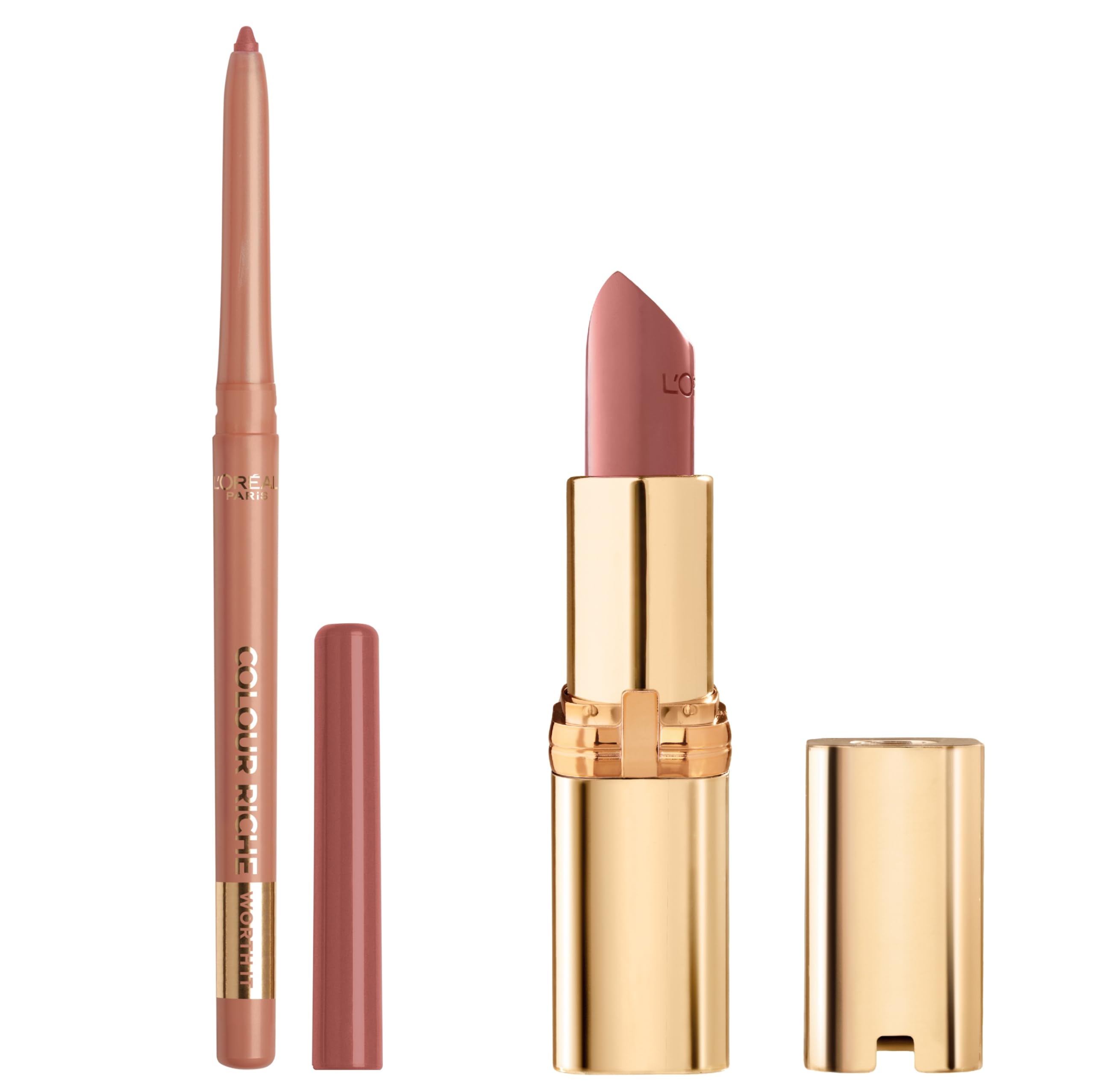
The Role of the Lip Liner A long-wear, waterproof lip liner is your strongest defense against feathering. A wax-based liner acts as a physical barrier.
- The Overlining Technique: If you choose to overline, keep it to the vermilion border (the natural edge of your lip). Excessive overlining places pigment on the non-lip skin, where it is much more likely to feather into surrounding wrinkles.
- Fill the Entire Lip: Do not just outline; color in the entire lip with the liner. This creates a "stain" base that ensures that even if your lipstick wears off, the pigment remains visible and anchored.
The "Clean-Up" Step Using a small, flat concealer brush, apply a tiny amount of high-coverage, setting concealer or a clear brow gel around the outer perimeter of your lips. The concealer creates a "seam" that acts as a structural stop for the lipstick, while the setting properties of the concealer lock the edge in place.
Troubleshooting and Comparisons
When choosing products to prevent feathering, consider the following comparison of common product categories based on their performance in 2026 standards.
| Product Type | Feathering Resistance | Best Use Case |
|---|---|---|
| Liquid Lipstick | Very High | Long events, high-friction environments |
| Wax-Based Liner | High | Defining the boundary and anchoring color |
| Cream Lipstick | Moderate | Daily wear, requires careful blotting |
| High-Shine Gloss | Low | Occasional use; apply center-only |
| Lip Primer | High | Essential for mature or dry skin types |
Common Mistakes to Avoid
- Over-application: Applying too much product is a leading cause of migration. Apply thin layers and build if necessary. Use a tissue to blot the first layer before applying the second.
- Ignoring the Perimeter: Many users focus on the center of the lip. To prevent feathering, the work must be done at the very edge.
- Skipping the Blot: Blotting removes excess oils that have no pigment and are merely resting on the surface. Removing this "slip" layer is vital for long-term wear.
Frequently Asked Questions
Does powder help prevent lipstick from feathering? Yes. Applying a translucent setting powder over the lips (often through a thin tissue) can help set the lipstick and absorb excess oils. Use a finely milled powder to avoid a cakey texture.
Can I use a clear lip liner? Clear lip liners are made of waxes designed to grip the edges of the mouth. They are excellent for those who struggle to find a perfect color match but still need a structural barrier to prevent pigment migration.
Why does my lipstick feather even when I use a liner? The liner may not be waterproof or long-wear. If the liner is too soft or emollient, it will move along with the lipstick. Ensure your liner is "long-wear" or "transfer-proof" and that you have allowed it to set for a moment before applying the lipstick.
Is lip filler a permanent solution for feathering? While cosmetic procedures can smooth perioral lines, they are medical interventions with risks and recovery times. Topical makeup techniques are the primary non-invasive solution for managing feathering. Consult a board-certified dermatologist for professional advice on structural skin improvements.
How do I touch up without creating a "feathering" mess? Always blot your lips before applying a new layer of lipstick. If you re-apply directly over old, broken-down product, the accumulation of oil and pigment will increase the chance of bleeding at the edges.
Final Recommendation
To achieve a crisp, non-feathering look, start by treating the skin around your lips with a high-quality, non-greasy primer. Follow this by framing your mouth with a waterproof, wax-based lip liner, filling in the entire lip to create a durable base. Choose long-wear liquid formulas for high-stakes scenarios and always blot your final application to remove excess emollients. If you find your lipstick still migrates, incorporate a light dusting of setting powder along the outer edge of your lip line to lock the pigment in place.
Image Gallery