How Mold Remediation Orlando Protects Home Value
In the high-humidity environment of Central Florida, professional mold remediation protects home value by preventing structural decay, ensuring legal compliance with Florida disclosure laws, and maintaining a healthy indoor air quality...
In the high-humidity environment of Central Florida, professional mold remediation protects home value by preventing structural decay, ensuring legal compliance with Florida disclosure laws, and maintaining a healthy indoor air quality (IAQ) profile. By eliminating active fungal growth and documenting the cleanup through certified professionals, homeowners preserve their equity and prevent the significant price devaluations associated with "stigmatized" properties.
Contents
The Intersection of Orlando’s Climate and Property Equity
Orlando’s subtropical climate serves as a perpetual incubator for mold. With average humidity levels often exceeding 70% and frequent heavy rainfall, the environmental conditions in Central Florida make mold growth almost inevitable if moisture is not strictly controlled. For homeowners in 2026, the stakes are higher than ever. As the real estate market continues to prioritize healthy living environments, a history of unaddressed mold can be a "deal-breaker" during the inspection phase of a home sale.
When mold takes hold, it does not merely sit on the surface. Fungal organisms like Aspergillus, Penicillium, and the more notorious Stachybotrys chartarum (black mold) feed on organic building materials. They consume the cellulose in drywall, the lignin in wood framing, and the organic components of carpet backing. This biological consumption leads to structural weakening. By investing in professional mold remediation, Orlando homeowners stop this degradation process, ensuring that the bones of the house remain sound and that the property appraisal reflects its true structural integrity.
The Economic Impact of Mold on Real Estate Transactions
The presence of mold can slash a home's market value by 10% to 20% almost instantly. In 2026, buyers are more sophisticated and often arrive at showings equipped with moisture meters or demand detailed indoor air quality reports. Mold is viewed not just as a cleaning issue, but as a liability.
Florida Disclosure Requirements and Legal Protection
Florida law (specifically Florida Statutes Chapter 475) requires sellers to disclose any known facts that materially affect the value of a residential property which are not readily observable to the buyer. Mold falls squarely into this category. If a homeowner attempts to paint over mold or ignore it, they face potential litigation for non-disclosure after the sale.
Professional remediation provides a "paper trail" of resolution. When a certified Orlando remediation company performs the work, they provide a Post-Remediation Verification (PRV) or a "clearance" report. This document acts as a legal shield, proving to potential buyers that the issue was identified, professionally mitigated, and cleared by a third-party laboratory. This transparency preserves the asking price by removing the "fear factor" that usually leads to aggressive price negotiations or canceled contracts.
Appraisal and Financing Hurdles
Mortgage lenders, particularly those involved with FHA or VA loans, have strict "Minimum Property Requirements" (MPRs). If an appraiser notes visible mold or a persistent musty odor, the loan may be denied until the issue is resolved. Professional remediation ensures the property meets these lending criteria, keeping the pool of potential buyers as large as possible. A property that cannot be financed is a property that loses a significant portion of its market value.
Structural Preservation: Preventing Biological Decay
One of the most overlooked ways mold remediation protects home value is through the physical preservation of the structure. Mold is a decomposer; its role in nature is to break down organic matter. Inside an Orlando home, that "matter" is your investment.
- Drywall Integrity: Mold penetrates the porous surface of drywall. Once the core is infested, the material loses its rigidity. Professional remediation often involves the "controlled demolition" of affected drywall, replacing it with mold-resistant materials to ensure the walls remain sturdy.
- Floor Joists and Subflooring: In homes with crawlspaces or those that have suffered pipe leaks, mold can rot the wooden supports. If left untreated, the cost of structural repair can escalate into the tens of thousands of dollars. Early remediation stops the rot before it requires major engineering intervention.
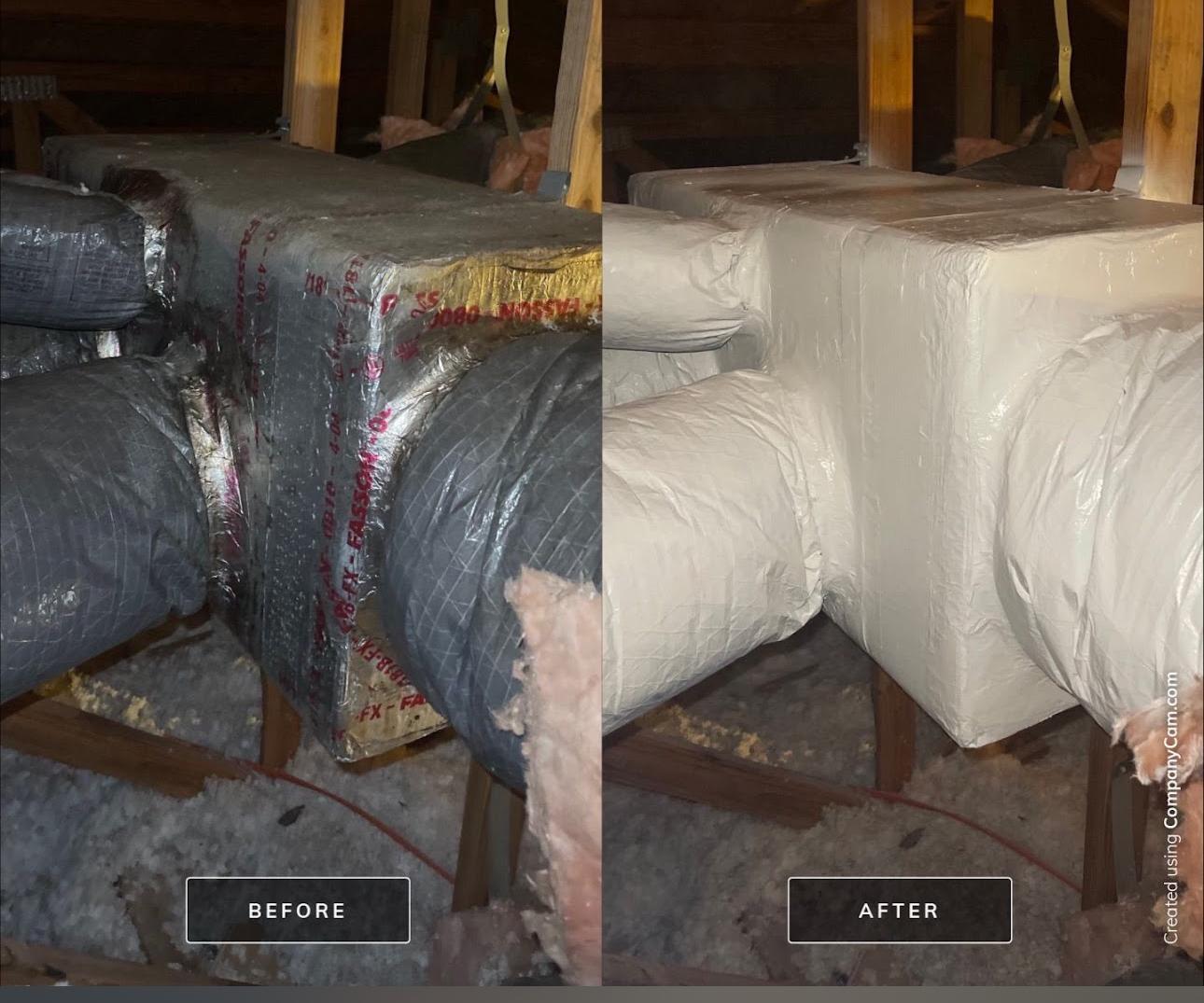
- HVAC Systems: Orlando homes rely heavily on air conditioning. Mold spores that enter the HVAC system can colonize the evaporator coils and ductwork. This not only reduces the efficiency of the unit (increasing energy costs) but also spreads spores throughout the house. Professional cleaning and sealing of these systems protect one of the home's most expensive mechanical assets.
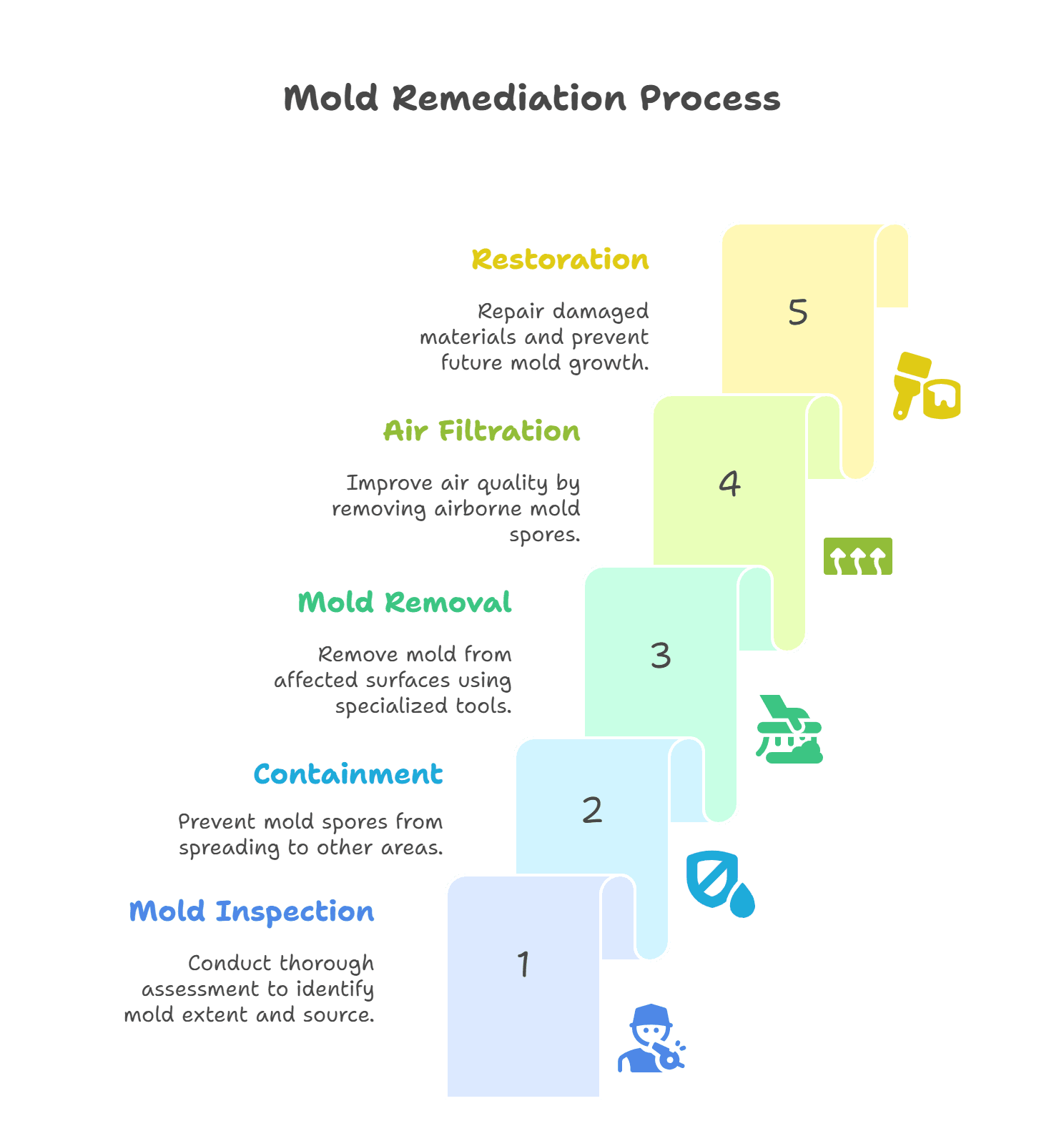
The Professional Remediation Process in 2026
To truly protect value, remediation must follow the IICRC S520 Standard for Professional Mold Remediation. This is not a simple "bleach and scrub" operation. The 2026 standard for high-quality Orlando remediation involves several critical steps that DIY efforts cannot replicate.
| Phase | Action Taken | Purpose for Value Protection |
|---|---|---|
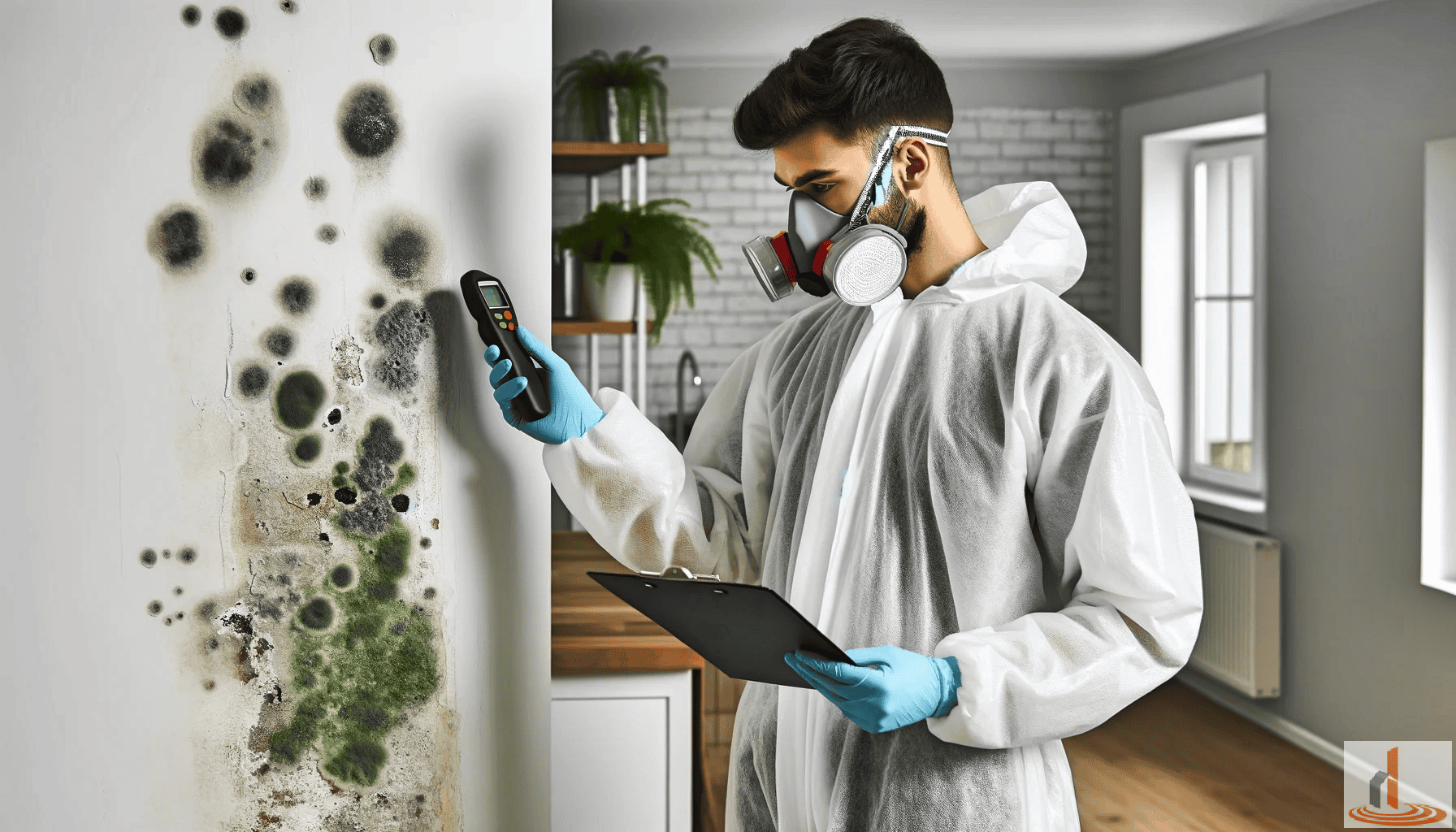
| Assessment | Infrared thermography and moisture mapping. | Identifies hidden leaks to prevent mold recurrence. |
| Containment | 6-mil poly-sheeting with HEPA-filtered negative air pressure. | Prevents cross-contamination to unaffected areas of the home. |
| Air Filtration | Industrial-grade HEPA air scrubbers. | Removes microscopic spores from the air, ensuring a passing PRV test. |
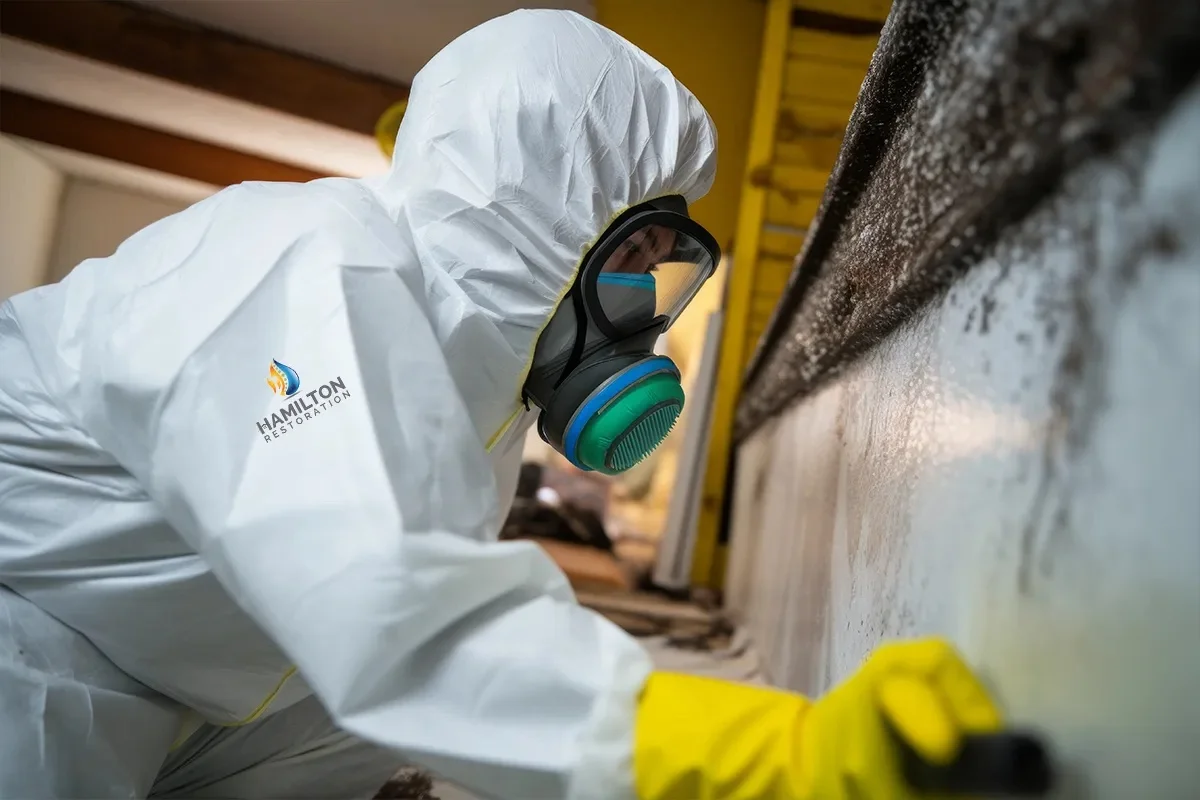
| Removal | HEPA vacuuming, wire brushing, and antimicrobial wiping. | Physically removes the mold colony rather than just "killing" it. |
| Encapsulation | Application of fungicidal coatings (where appropriate). | Provides a secondary barrier against future moisture intrusion. |
| Verification | Third-party air and surface sampling. | Provides the "Clearance Letter" required for real estate disclosures. |
Professional Certification vs. DIY Risks
Many homeowners attempt to save money by using retail cleaning products to treat mold. However, from a value protection standpoint, DIY mold removal is often a net negative.
Why DIY Fails the Value Test:
- Improper Chemicals: Bleach is mostly water. When applied to porous surfaces like wood or drywall, the water soaks in, potentially feeding the mold roots (hyphae) while only changing the color of the surface.
- Spore Dispersal: Scrubbing mold without proper containment releases millions of spores into the air, which then settle in other rooms, leading to a much larger problem weeks later.
- Lack of Documentation: A buyer will not accept a handwritten note saying the owner "cleaned it with vinegar." They want a certificate from a Florida-licensed Mold Remediator (MRSR).
By hiring a licensed professional, the homeowner ensures the work is done according to the Florida Department of Business and Professional Regulation (DBPR) standards. In 2026, having a DBPR-licensed professional on record is the only way to satisfy the due diligence requirements of high-end real estate transactions in Orlando.
The Role of Humidity Control in Long-Term Value
In Orlando, remediation is only half the battle. To protect the home’s value permanently, the underlying cause of the mold must be addressed. Professional remediation companies in 2026 often integrate moisture management into their services.
This includes:
- Dehumidification Strategies: Installing whole-home dehumidifiers that keep indoor relative humidity (RH) below 50%.
- Building Envelope Sealing: Ensuring that the hot, humid Orlando air isn't leaking into cooled wall cavities through "uncontrolled air infiltration."
- Smart Monitoring: Utilizing sensors that alert homeowners to leaks or spikes in humidity before mold can even begin to grow.
A home that is marketed as "mold-remediated with a permanent moisture control system" often commands a premium price because it offers the buyer peace of mind regarding future maintenance and health risks.
FAQ: Protecting Orlando Home Value through Remediation
How much value can mold actually take away from my Orlando home?
In the 2026 Central Florida market, visible mold or a history of uncertified "remediation" can lead to price drops of 10% to 20%. Buyers often double the estimated cost of repair and subtract that from their offer to account for the "hassle" and "risk" of the unknown.
Does homeowners insurance cover mold remediation in Orlando?
Coverage depends on the "source of the loss." If the mold resulted from a sudden and accidental water discharge (like a burst pipe), it is often covered up to a certain limit (frequently $10,000 to $50,000 in Florida). However, mold from "gradual seepage" or high humidity is rarely covered. Always check your specific policy for a "Mold Endorsement."
Can I sell my home "As-Is" if it has mold?
Yes, but you must still disclose the mold. Selling "As-Is" typically attracts investors who will demand a steep discount. To maximize the value and sell to a traditional family buyer, professional remediation is almost always the more profitable route.
How long does the remediation process take to complete?
A typical professional remediation in an Orlando residence takes between 3 to 7 days, depending on the scale of the moisture damage. This includes the time needed for air scrubbers to cycle the air and for third-party lab results to confirm the area is clear.
Is "black mold" worse for my property value than other types?
From a financial perspective, any visible mold is a problem. While Stachybotrys (black mold) carries a higher "fear factor" and health stigma, even common Aspergillus can cause structural rot and fail a home inspection. Professional remediation treats all species with the same level of containment and removal rigor.
Strategic Recommendation for Homeowners
If you suspect mold growth in your Orlando property, the most effective way to protect your home value is to act immediately. Do not wait for a home inspection to reveal the problem. Engaging a Florida-licensed mold assessor to perform an initial test, followed by a licensed remediation contractor to perform the cleanup, ensures that you have the necessary documentation to satisfy any buyer's scrutiny. In the 2026 real estate climate, a "certified mold-free" status is a powerful selling point that protects your equity and ensures a smooth closing process.
Image Gallery