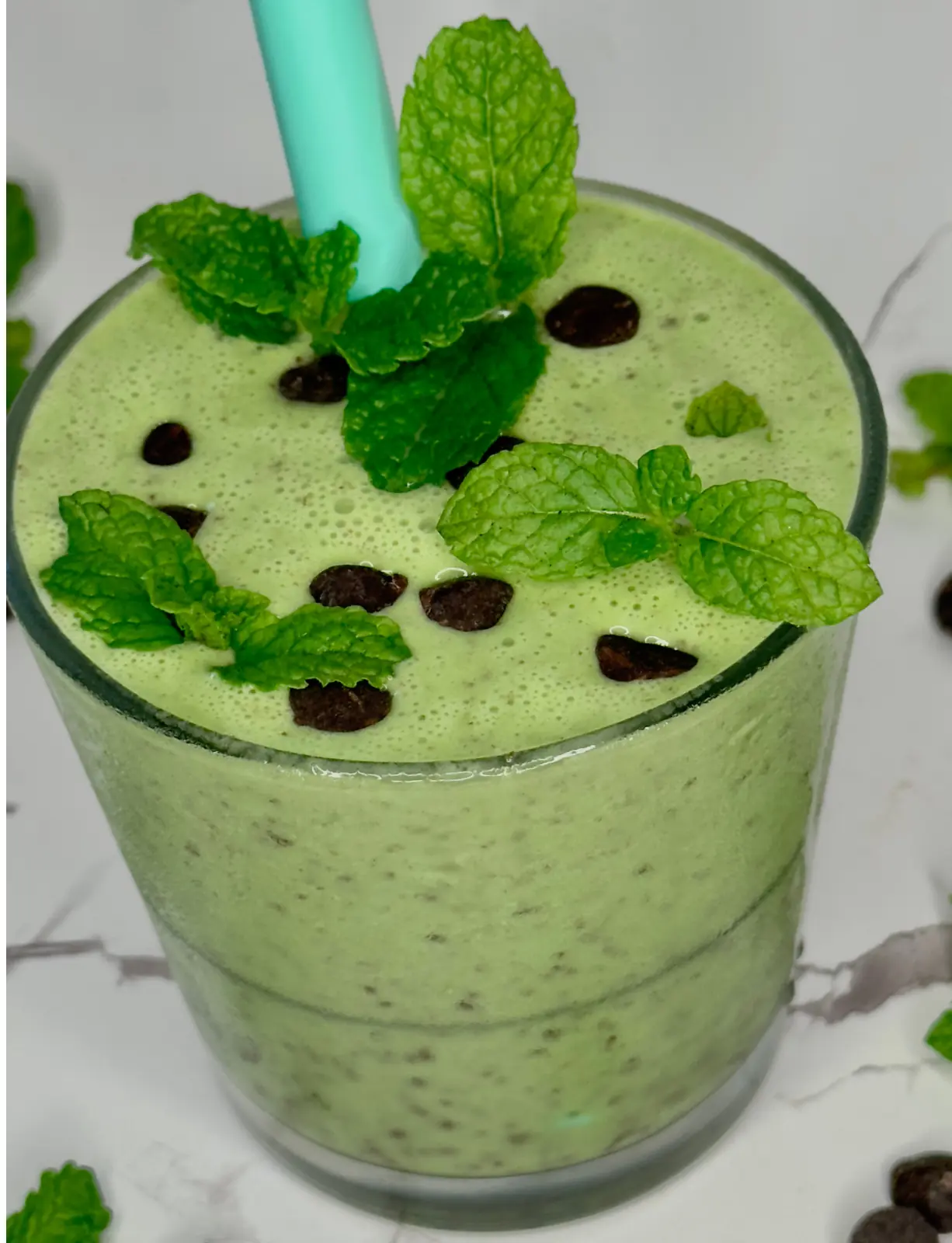
How to Make a Smoothie with Ice Cream at Home
Making a smoothie with ice cream at home involves blending frozen or fresh fruit with a few scoops of ice cream and a small amount of liquid, such as milk, to achieve a thick, creamy consistency. This approach merges the refreshing tex...
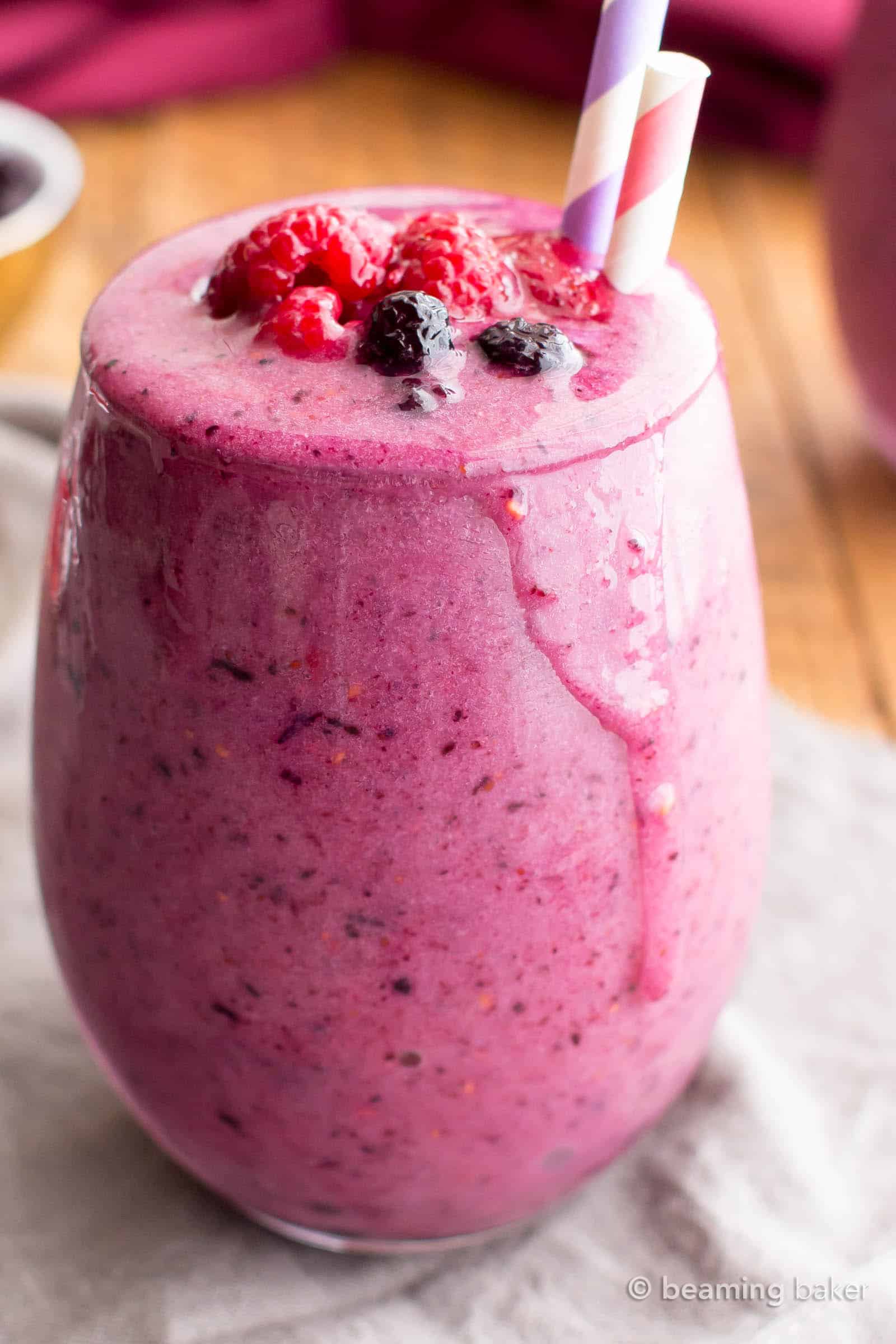
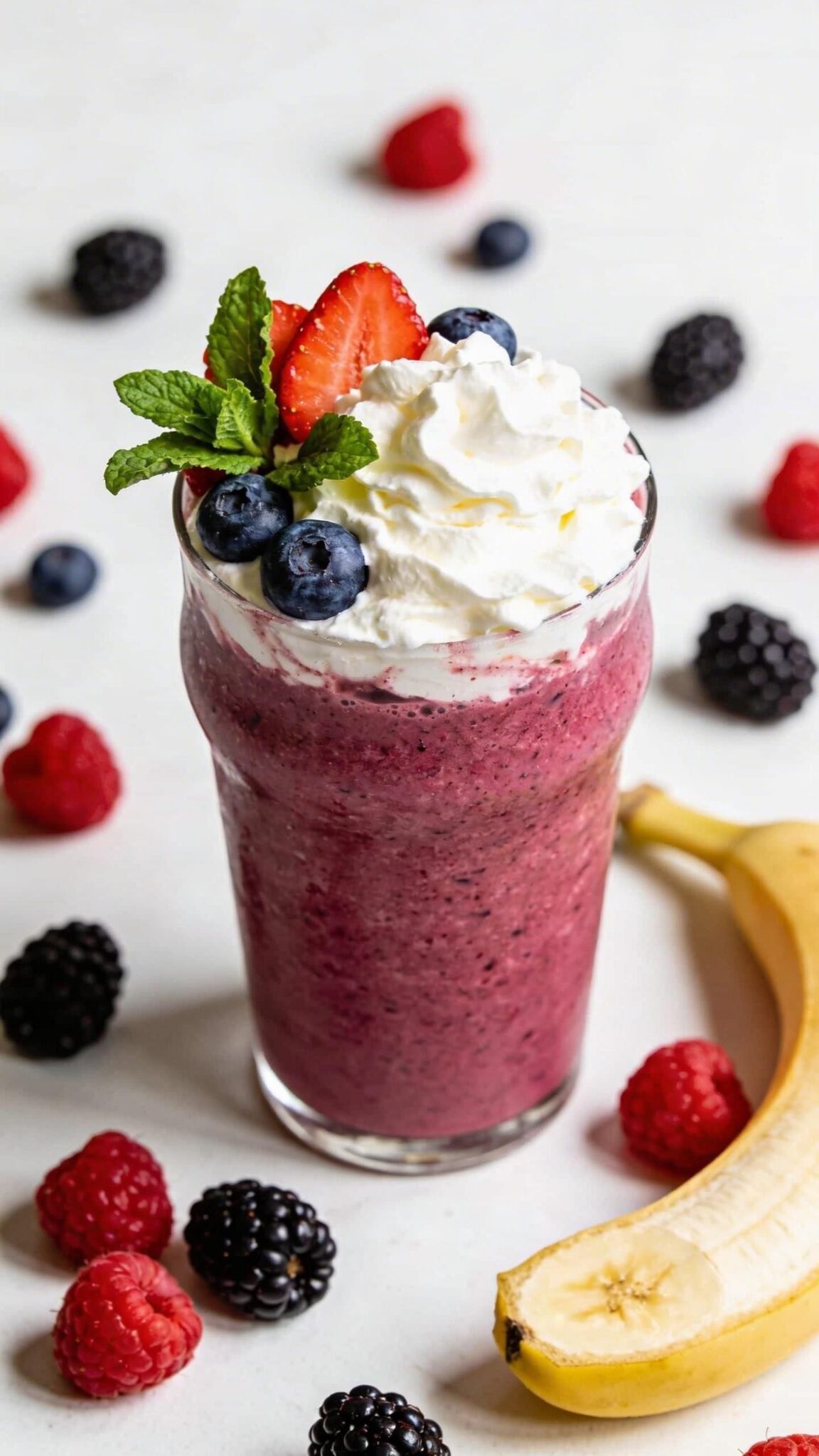
Making a smoothie with ice cream at home involves blending frozen or fresh fruit with a few scoops of ice cream and a small amount of liquid, such as milk, to achieve a thick, creamy consistency. This approach merges the refreshing texture of a classic milkshake with the fruity flavor profile of a traditional smoothie.
Contents
Introduction to the Ice Cream Smoothie Hybrid
Blending ice cream into a smoothie creates a rich, dessert-like beverage that bridges the gap between a morning breakfast drink and an evening sweet treat. While standard smoothies rely on frozen bananas, yogurt, or ice cubes for thickness, incorporating dairy or plant-based ice cream introduces fat, sugar, and emulsifiers that guarantee a velvety texture without any icy chunks.
Understanding how to balance the proportions of fruit, dairy, and liquid prevents the drink from becoming too thick for a straw or too watery to hold its shape. Whether using vanilla bean ice cream to complement tart berries or chocolate ice cream to enrich a banana-peanut butter blend, mastering this technique allows home cooks to recreate cafe-style treats efficiently.
Essential Ingredients and Equipment
Creating a successful ice cream smoothie requires a careful selection of base elements. Because ice cream already contains dairy solids and sugar, choosing complementary components prevents the flavor profile from becoming overly sweet or heavy.
The Core Components
- The Ice Cream Base: Vanilla is the most versatile choice because it acts as a blank canvas, letting the fruit flavor shine. Chocolate, strawberry, or coffee ice creams work well when paired with complementary mix-ins.
- The Fruit Element: Frozen fruits (such as strawberries, mango chunks, or blueberries) maintain thickness without diluting the flavor. Fresh fruits can also be used, though they require a few ice cubes or extra frozen fruit to maintain body.
- The Liquid Base: Whole milk, oat milk, almond milk, or coconut milk adjusts the pourability. Start with a minimal amount; it is much easier to thin a thick smoothie than to thicken a runny one.
Equipment Requirements
A reliable countertop blender with sharp stainless-steel blades and a motor of at least 500 watts handles frozen fruit and dense ice cream efficiently. For blenders with lower wattage, letting the ice cream soften at room temperature for five minutes before blending prevents motor strain and uneven mixing.
Step-by-Step Instructions for Blending
Following a specific sequence protects blender blades and ensures a smooth, uniform texture throughout the beverage.
[Liquid Base] ➔ [Fresh/Soft Ingredients] ➔ [Frozen Fruit] ➔ [Ice Cream Scoops]
- Add the Liquid First: Pour the milk or liquid base into the bottom of the blender pitcher. Liquid at the bottom lubricates the blades, creating a vortex that pulls upper ingredients down smoothly.
- Layer Soft Ingredients: Add any fresh fruit, protein powders, or liquid flavorings like vanilla extract or honey directly on top of the liquid.
- Incorporate Frozen Fruit: Add your frozen berries, sliced bananas, or tropical fruit chunks.
- Top with Ice Cream: Scoop the ice cream directly onto the top of the other ingredients. Placing the ice cream last prevents it from sticking to the bottom of the pitcher before the blades catch.
- Pulse and Blend: Pulse the blender 3 to 4 times to break up large chunks of frozen fruit and ice cream. Then, run the blender on medium-high speed for 30 to 45 seconds until the mixture is completely uniform and velvety.
- Test and Adjust: Stop the machine and check the consistency. If it is too thick to spin, add one tablespoon of milk at a time and blend briefly again.
Flavor Combinations and Recipe Variations
Different flavor profiles suit various tastes, dietary preferences, and seasonal ingredients. The table below outlines classic combinations, their base requirements, and flavor profiles.
| Combination Name | Primary Fruit | Ice Cream Type | Liquid Base | Flavor Profile |
|---|---|---|---|---|
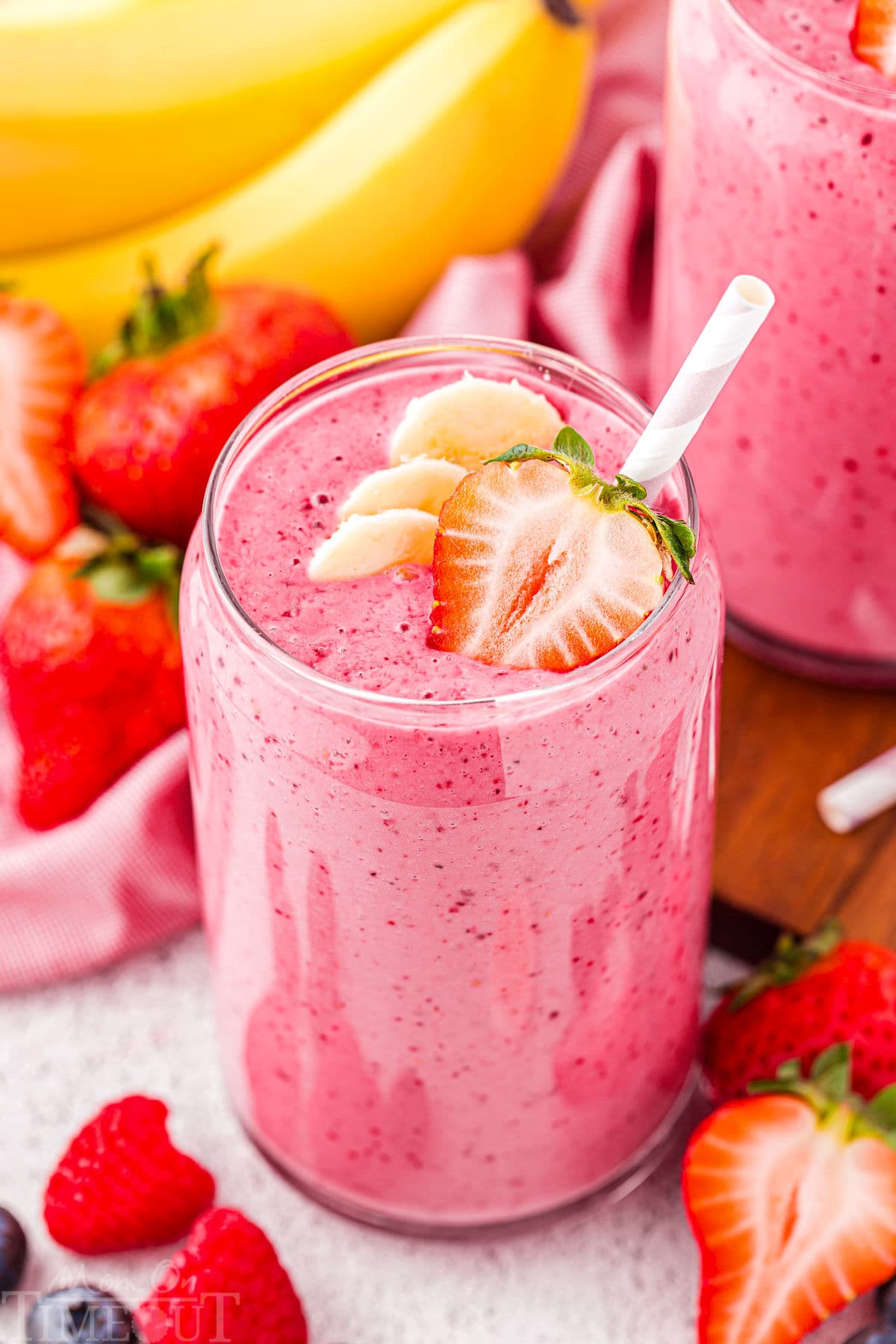
| Classic Strawberries & Cream | Frozen Strawberries | Vanilla Bean | Whole Milk | Sweet, tart, and nostalgic diner style |
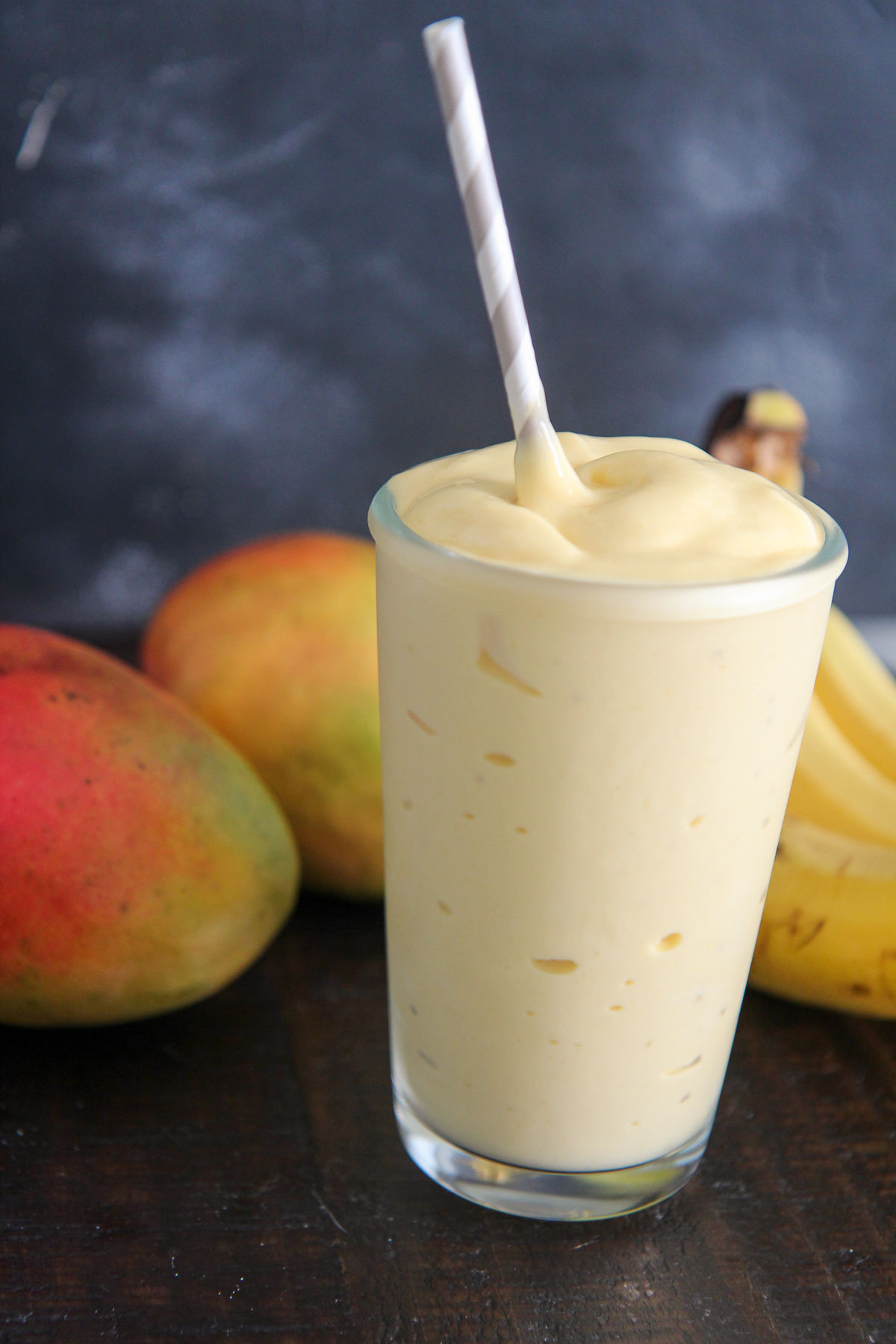
| Tropical Mango Sunset | Frozen Mango Chunks | Coconut or Vanilla | Coconut Milk | Bright, tangy, and rich |
| Chunky Monkey Power | Sliced Frozen Banana | Chocolate | Almond Milk | Nutty, decadent, and deeply chocolatey |
| Matcha Green Tea Fusion | None (Spinach optional) | Matcha or Vanilla | Oat Milk | Earthy, sweet, and creamy |
When experimenting with dairy-free or vegan diets, substitute traditional dairy ice cream with oat-milk or coconut-milk-based frozen desserts. These alternatives offer a similar fat content and creaminess, ensuring the texture remains thick and satisfying.
Common Mistakes and Troubleshooting
Even simple recipes can run into texture or blending issues. Recognizing these pitfalls helps fix them quickly.
- The Blender Blades Spin in Place (Air Pockets): This occurs when the mixture is too thick and dry. Stop the blender immediately, remove the lid, and use a spatula to push the ingredients down toward the blades. Add a splash of liquid if necessary.
- The Drink is Too Runny: Adding too much liquid ruins the thick texture. Remedy this by adding a handful of ice cubes, more frozen fruit, or another small scoop of ice cream.
- Over-Sweetness: Ice cream contains high amounts of sugar. Balancing this requires tart fruits like raspberries, blackberries, or a squeeze of fresh lemon juice to cut through the sweetness.
- Grainy or Icy Texture: Using old or improperly stored frozen fruit can create ice crystals. Ensure fruit is tightly sealed in the freezer, and let dense ice cream soften slightly before blending.
Frequently Asked Questions
Can I make an ice cream smoothie without a blender?
While a blender is the most efficient tool, you can make a passable version using a food processor or an immersion blender. If using an immersion blender, let the ice cream soften completely and chop the fruit finely before blending in a deep container.
How do I reduce the calorie count of an ice cream smoothie?
To make a lighter version, swap traditional full-fat ice cream for low-calorie frozen yogurt, light ice cream, or a high-protein frozen dessert. You can also increase the ratio of fresh fruit and use unsweetened almond milk to lower the overall sugar and calorie density.
Can I prep the ingredients in advance?
Yes. You can portion out your frozen fruit, dry mix-ins, and flavorings into freezer-safe bags or containers ahead of time. When ready to serve, empty the pre-portioned bag into the blender, add the liquid and fresh ice cream, and blend immediately.
Why is my smoothie separating after a few minutes?
Because ice cream melts quickly at room temperature, a homemade ice cream smoothie will separate faster than a traditional ice cream-free smoothie. Consume the beverage immediately after blending, or keep it in the refrigerator for no more than 10 minutes before giving it a quick re-stir.
Final Recommendations for Success
To achieve the best results when making a smoothie with ice cream at home, prioritize ingredient quality and temperature control. Use high-fat ice cream for a richer mouthfeel, and keep your frozen fruits at optimal sub-zero temperatures to maintain thickness. Clean your blender pitcher immediately after serving to prevent dairy residue from drying on the blades, ensuring your equipment remains ready for your next culinary creation.
Image Gallery