What Are the Hybrid Cloud Security Best Practices in Long Island
Implementing a robust hybrid cloud security strategy in Long Island requires organizations to balance the agility of public cloud environments with the stringent control of on-premises infrastructure. Best practices focus on unified id...
Implementing a robust hybrid cloud security strategy in Long Island requires organizations to balance the agility of public cloud environments with the stringent control of on-premises infrastructure. Best practices focus on unified identity and access management, continuous vulnerability monitoring, data encryption across all endpoints, rigorous compliance frameworks tailored to regional industries, and automated incident response protocols to mitigate localized cyber threats effectively.
Contents
Understanding the Long Island Hybrid Cloud Landscape
Businesses and public sector organizations across Long Island—spanning Nassau and Suffolk counties—increasingly rely on hybrid cloud architectures. This operational model combines local data centers, private clouds, and public cloud hyperscalers like Amazon Web Services, Microsoft Azure, and Google Cloud Platform. While this infrastructure supports remote workforces, local government initiatives, and expanding local enterprises, it simultaneously expands the digital attack surface.
A hybrid cloud setup introduces complex integration challenges. Data flows constantly between on-premises mainframes or local servers and distributed cloud storage buckets. Securing this dynamic environment requires moving away from traditional perimeter-based defense models. Organizations can no longer rely solely on physical firewall appliances housed in local server rooms. Instead, they must implement a cohesive security strategy that secures assets regardless of their physical or virtual location.
Core Pillars of Hybrid Cloud Security
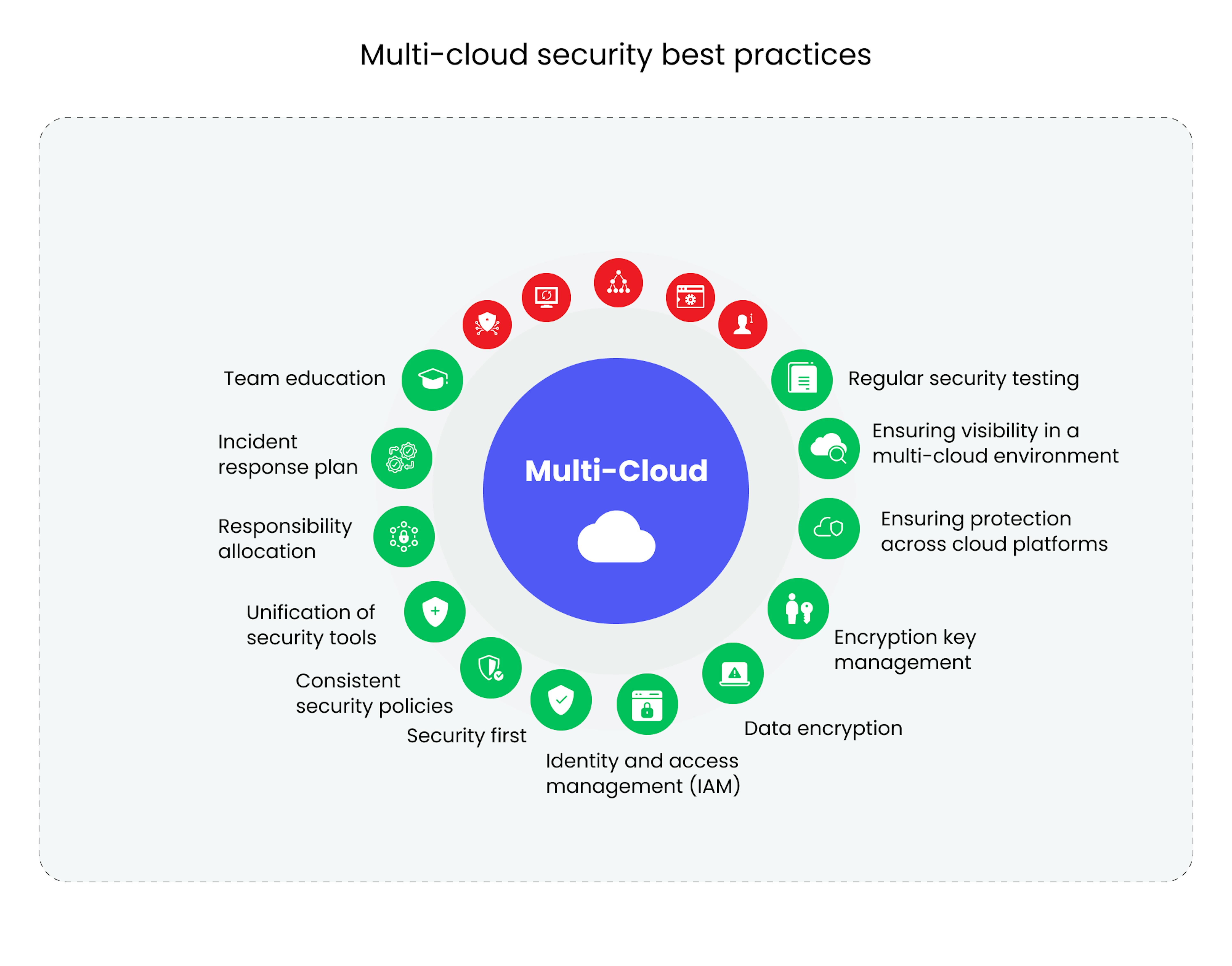
To build a resilient security posture, Long Island organizations must address several fundamental pillars. Each pillar addresses a specific vulnerability vector inherent to distributed, multi-environment architectures.
1. Unified Identity and Access Management (IAM)
Identity serves as the new security perimeter in a hybrid cloud model. Employees, contractors, and automated services access resources spanning local and cloud environments daily.
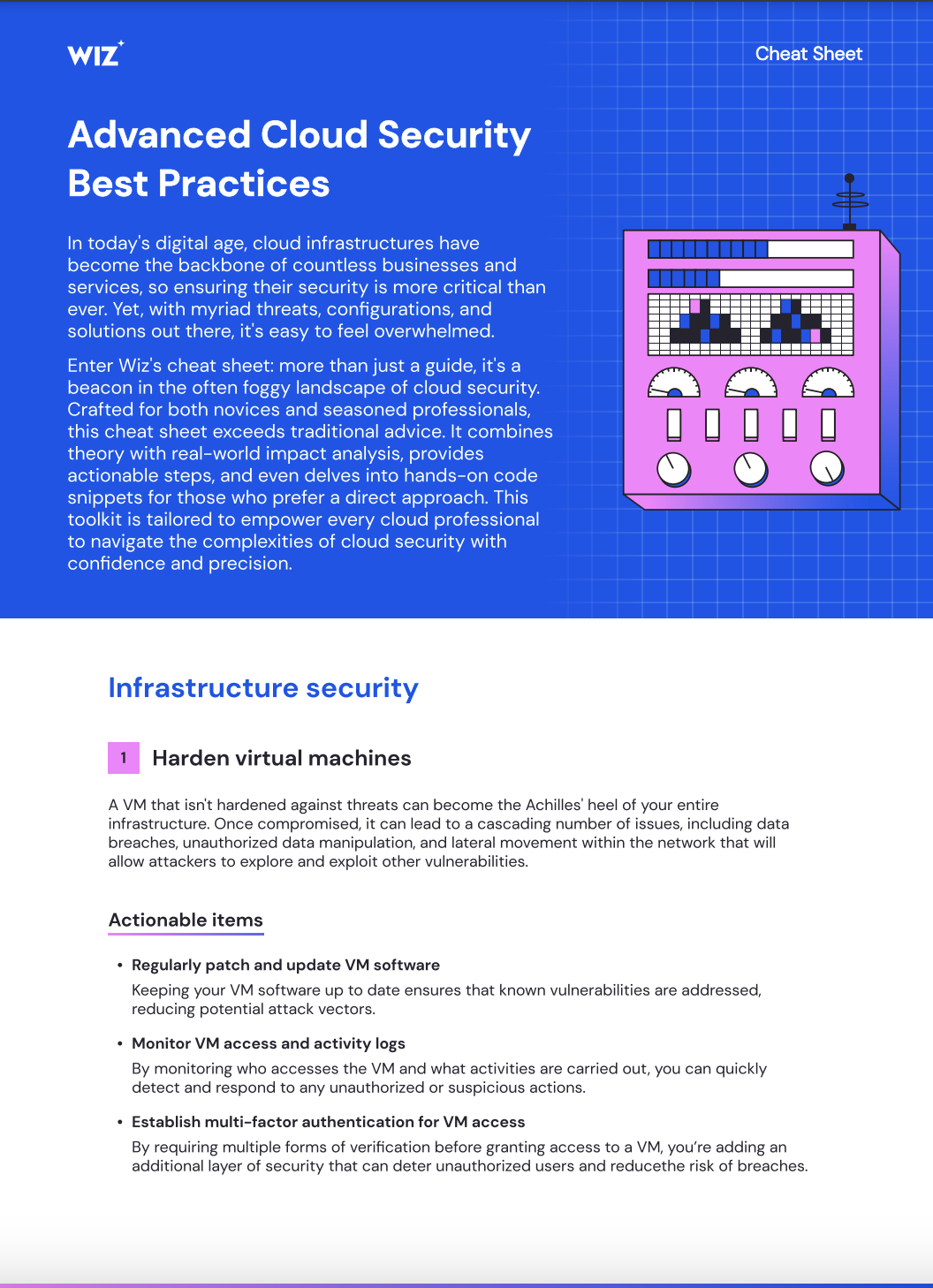
- Multi-Factor Authentication (MFA): Enforce mandatory MFA for all user accounts, prioritizing phishing-resistant methods such as hardware security keys or authenticator apps.
- Role-Based Access Control (RBAC): Grant users the absolute minimum permissions required to perform their job functions, mitigating the risk of lateral movement if an account is compromised.
- Centralized Directory Services: Integrate on-premises Active Directory or LDAP services with cloud identity providers (such as Azure Active Directory or Okta) to maintain a single source of truth for user lifecycles and permission audits.
2. Comprehensive Data Protection and Encryption
Data security must be maintained both at rest and in transit across every environment. Long Island enterprises frequently handle sensitive financial, healthcare, and defense-related data that demand rigorous protection standards.
- Encryption in Transit: Utilize modern cryptographic protocols (such as TLS 1.3) for all data moving between on-premises infrastructure and public cloud instances, as well as internal microservices communications.
- Encryption at Rest: Implement robust encryption keys managed through dedicated Key Management Services (KMS). Ensure that organizations retain control over their master encryption keys rather than relying solely on default cloud provider settings.
- Data Loss Prevention (DLP): Deploy DLP policies to monitor and block unauthorized exfiltration or sharing of sensitive intellectual property and personally identifiable information (PII).
3. Network Segmentation and Zero Trust Architecture
Treating internal networks as inherently trustworthy creates critical vulnerabilities. A Zero Trust security model assumes breach and verifies every request explicitly.
- Micro-Segmentation: Divide hybrid network environments into isolated zones. This restricts an attacker's ability to pivot from a compromised public-facing cloud application to a sensitive on-premises database.
- Virtual Private Networks (VPNs) and Dedicated Interconnects: Secure the communication pipes linking local headquarters to public cloud providers using encrypted tunnels or dedicated high-speed connections like AWS Direct Connect or Azure ExpressRoute.
- Secure Access Service Edge (SASE): Implement SASE frameworks to converge software-defined networking with cloud-native security services, protecting remote workers connecting from across Long Island and beyond.
Compliance and Regulatory Considerations in New York State
Long Island organizations must navigate a complex web of state and federal regulatory frameworks. Compliance failures can result in severe financial penalties and reputational damage.
| Regulation / Framework | Primary Applicability | Key Security Mandate |
|---|---|---|
| NYS SHIELD Act | Any business handling New York residents' private data | Implement reasonable administrative, technical, and physical safeguards. |
| HIPAA | Healthcare providers and medical billing firms in Nassau/Suffolk | Secure electronic protected health information (ePHI) across all storage nodes. |
| DFS Cybersecurity Regulation | Financial institutions, insurance companies, and banks operating in NY | Establish a comprehensive cybersecurity program and appoint a CISO. |
| CMMC / NIST SP 800-171 | Defense contractors supplying local aerospace and military bases | Protect controlled unclassified information (CUI) within contractor systems. |
Aligning hybrid cloud security practices with these frameworks ensures not only legal compliance but also a mature, defensible security posture against sophisticated cyber threat actors targeting regional industries.
Monitoring, Threat Detection, and Incident Response
Visibility is essential for securing a hybrid cloud environment. Security teams cannot protect what they cannot see, making comprehensive logging and monitoring non-negotiable.
Security Information and Event Management (SIEM)
Deploy a centralized SIEM solution—such as Microsoft Sentinel, Splunk, or Elastic Security—to aggregate log data from on-premises firewalls, local servers, and cloud workloads. Correlating events across these disparate sources allows security analysts to detect anomalous behavior that isolated local logs might miss.
Extended Detection and Response (XDR)
Implement XDR tools to provide deep visibility across endpoints, servers, and cloud containers. Automated threat hunting routines can identify indicators of compromise (IoCs) early in the kill chain, allowing teams to isolate affected virtual machines or local workstations before damage spreads.
Incident Response Automation
Long Island businesses face staffing shortages in specialized cybersecurity roles. Leveraging Security Orchestration, Automation, and Response (SOAR) platforms enables organizations to automate repetitive tasks, such as revoking compromised IAM tokens or quarantining suspicious network segments, drastically reducing Mean Time to Detect (MTTD) and Mean Time to Respond (MTTR).
Common Mistakes to Avoid in Hybrid Cloud Deployments
Even well-funded organizations fall victim to preventable security oversights when migrating to or managing hybrid architectures.
- Misconfigured Cloud Storage: Leaving cloud storage buckets (such as AWS S3 or Azure Blob Storage) publicly accessible remains a leading cause of data exposure. Automated posture management tools must continuously scan for configuration drift.
- Neglecting Shared Responsibility Understanding: Assuming that cloud providers handle all security layers. Organizations remain solely responsible for securing their data, applications, and user access management within the cloud.
- Inadequate Backup and Recovery Testing: Failing to test immutable, air-gapped backups stored off-site or in a secondary cloud environment. Ransomware attacks frequently target backup repositories, making offline and verified recovery paths critical for business continuity.
- Shadow IT Adoption: Employees utilizing unapproved cloud services for convenience. Organizations must establish clear governance policies and provide secure, sanctioned alternatives to prevent unauthorized data silos.
Frequently Asked Questions
What is the primary security risk in a hybrid cloud model?
The primary risk is the increased complexity of managing disparate security perimeters and visibility gaps between on-premises infrastructure and multiple cloud providers. This complexity frequently leads to misconfigurations, identity sprawl, and unmonitored data pathways.
How does the NYS SHIELD Act impact Long Island businesses using the cloud?
The Stop Hacks and Improve Electronic Data Security (SHIELD) Act requires any company collecting private data of New York residents to implement robust administrative, technical, and physical safeguards. In a hybrid cloud model, this means businesses must ensure that both local databases and cloud storage instances meet strict encryption and access control mandates.
Should Long Island organizations manage hybrid security internally or hire an MSP?
Many small to mid-sized businesses on Long Island lack the dedicated personnel required 24/7 to monitor complex hybrid cloud environments. Partnering with a reputable local Managed Service Provider (MSP) or Managed Security Service Provider (MSSP) often provides access to advanced tools and certified expertise that would be cost-prohibitive to build internally.
How often should hybrid cloud security postures be audited?
Organizations should conduct automated security posture assessments continuously and perform comprehensive manual penetration testing and compliance audits at least annually, or immediately following major infrastructure changes.
What role does Zero Trust play in hybrid cloud security?
Zero Trust eliminates implicit trust based on network location. By verifying every user, device, and application request explicitly before granting access, Zero Trust prevents attackers from moving laterally between on-premises data centers and cloud environments.
Next Actions for Long Island Organizations
Securing a hybrid cloud environment is an ongoing operational discipline rather than a one-time project. Begin by conducting a comprehensive asset inventory to map every data flow between local servers and cloud environments. Next, perform a gap analysis against relevant regulatory frameworks such as the NYS SHIELD Act or HIPAA. Finally, prioritize investments in unified identity management, centralized logging, and automated threat detection to establish a resilient, future-proof security foundation across your organization.
Image Gallery