Why Zoo Pals Matter in the Home: Developmental Benefits, Mealtime Dynamics, and Nostalgic Utility
Zoo Pals—the iconic animal-shaped disposable plates first popularized by Hefty in the early 2000s—matter in modern households because they bridge child development, mealtime behavioral management, and daily operational convenience. Bey...
Zoo Pals—the iconic animal-shaped disposable plates first popularized by Hefty in the early 2000s—matter in modern households because they bridge child development, mealtime behavioral management, and daily operational convenience. Beyond mere novelty, these compartmentalized plates serve as effective tools for overcoming picky eating, encouraging self-feeding independence, reducing parental cleanup strain, and connecting generations through shared nostalgia.
Contents
The Cultural Resurgence of Zoo Pals in Household Routines
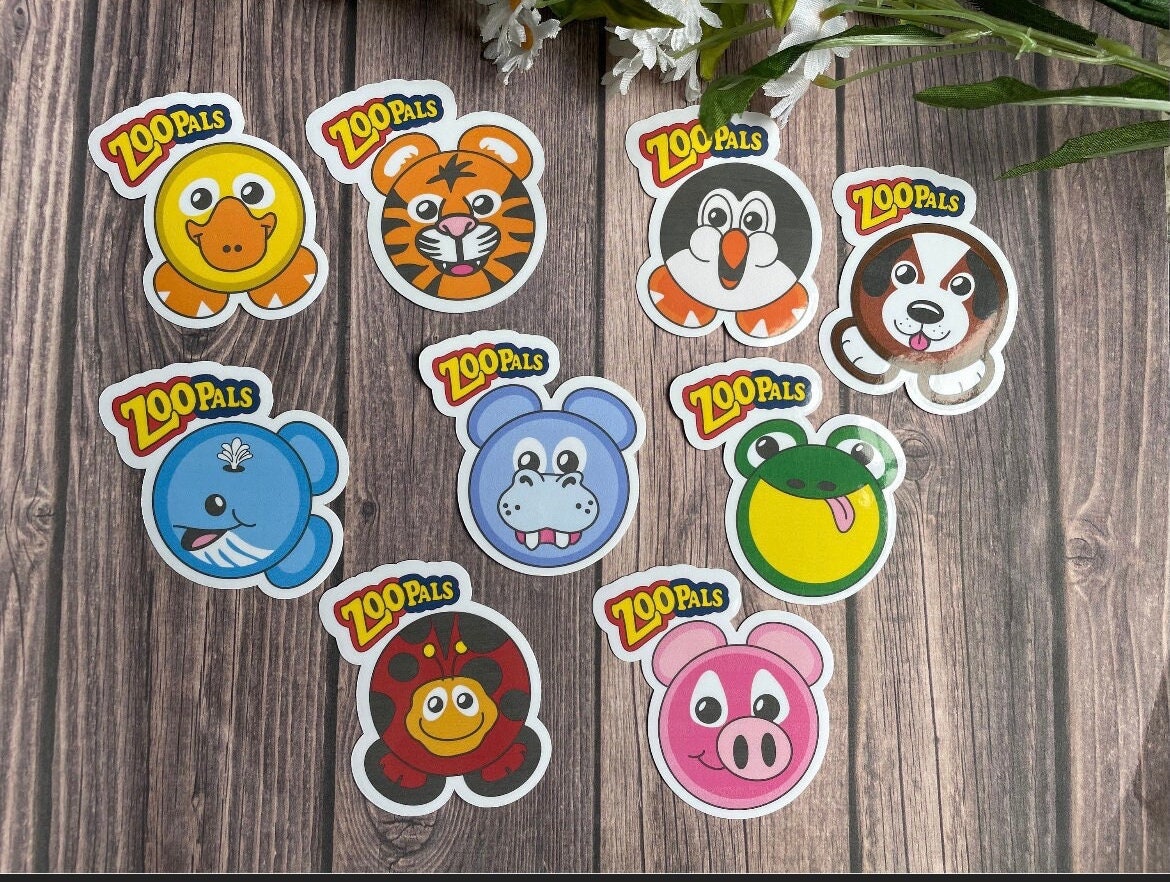
Originally introduced by Pactiv (under the Hefty brand) in 2002, Zoo Pals quickly became a staple of American childhood. Featuring bright graphics, distinct compartments shaped like animal ears, feet, or paws, and memorable advertising, they transformed ordinary meals into interactive play. Though production ceased in the mid-2010s, overwhelming consumer demand and online grass-roots campaigns prompted their official market return.
In contemporary homes, the reappearance of Zoo Pals is more than a fleeting internet trend. It highlights how domestic items often fulfill psychological and practical functions that extend beyond their basic utility. For Millennial and Gen Z parents raised on these products, bringing them into their own kitchens represents a deliberate fusion of nostalgia and practical parenting strategy.
The modern home environment demands tools that streamline domestic labor while encouraging positive childhood habits. While traditional ceramic plates or uniform plastic trays serve basic function, animal-themed dinnerware introduces novelty into daily routines, making routine events like breakfast, lunch, and snack time significantly easier to manage.
Pediatric Eating Psychology: How Animal Plates Mitigate Picky Eating
Getting young children to eat a balanced diet is one of the most persistent challenges in household management. Pediatric feeding specialists and occupational therapists frequently emphasize the role of environmental context in shaping a child's relationship with food. Zoo Pals and similar animal-themed tableware contribute positively to mealtime behaviors through several specific mechanisms.
Mealtime Behavioral Dynamics
- Visual Engagement: Shifts focus from anxiety to play
- Compartmentalization: Prevents food-touching distress
- Gamification: Encourages clean-plate discovery
- Portion Guidance: Provides natural visual boundaries
1. Gamification and Novelty in Feeding
Children learn and process experience primarily through play. When food is presented on a standard flat plate, hesitant or selective eaters often view mealtime as a high-pressure environment focused solely on performance (eating unwanted foods).
Animal plates gamify the dining process:
- Targeted Goals: Parents can frame mealtime around uncovering the animal's face (e.g., "Eat three bites of broccoli to reveal ribbit the frog’s smile").
- Interactive Dipping: The animal's ears or paws serve as built-in condiment wells, transforming dipping from a messy side-dish hazard into a precise, playful activity.
- Reframing Power Dynamics: Food transitions from a point of parent-child conflict into an interactive game, lowering emotional resistance at the dinner table.
2. Compartmentalization and Food Separation
Sensory sensitivities are common during early childhood development. Many children experience genuine distress when different food textures, sauces, or temperatures touch one another—a condition closely related to neophobia (fear of new foods) or sensory processing differences.
Zoo Pals naturally address this issue through rigid, segmented design:
- Primary main courses stay completely separate from side dishes.
- Wet foods (such as sliced fruit or yogurt) remain isolated from dry foods (such as crackers or chicken nuggets).
- Dip compartments prevent condiments from running across the main eating surface, preserving food integrity according to the child's sensory preferences.
3. Reducing Visual Overwhelm
Large, blank dinner plates can make standard portion sizes look daunting to a small child. The proportioned sections of an animal plate naturally limit visual scale, presenting manageable portions that build confidence rather than anxiety.
Practical Benefits for Household Management and Domestic Workload
While child-facing benefits are clear, the home environment operates around caregiver efficiency. The presence of functional, fun mealtime supplies yields tangible operational benefits for house managers and parents balancing tight schedules.
Household Efficiency Metrics
| Metric | Standard Ceramic Plate | Zoo Pals Paper Plate |
|---|---|---|
| Prep & Plating Time | Standard | Reduced (Built-in dip) |
| Post-Meal Clean Time | High (Requires wash) | Near-Zero (Disposable) |
| Child Autonomy Level | Low/Moderate | High (Self-selection) |
| Breakage Risk | Present | Zero |
Minimizing Dishwashing Fatigue
Modern domestic workflows are heavily impacted by "invisible labor"—the constant cycle of planning, prepping, cleaning, and organizing. Mealtime yields substantial dish clutter, particularly when feeding multiple children or hosting playdates.
Integrating reliable disposable tableware into meal plans—especially during high-stress periods like busy weeknight dinners or morning school rushes—offers clear physical relief:
- Water and Energy Savings: Reduces routine load cycles on home dishwashers.
- Time Recovery: Saves caregiver time usually spent scraping and washing specialized plastic trays.
- Sanitation: Provides a clean, single-use surface during illness outbreaks within the household.
Fostering Autonomy and Meal Prep Participation
Child development relies heavily on building personal autonomy. Zoo Pals provide a simple, low-risk opportunity for toddlers and young children to practice decision-making:
- Plate Selection: Allowing a child to choose between different animals (e.g., choosing the panda over the alligator) gives them agency over their meal environment.
- Self-Portioning Snacks: Children can practice placing specific snacks (such as raisins, pretzel sticks, or cheese cubes) into designated animal features, sharpening fine motor skills and spatial awareness.
Comparing Children's Tableware Solutions
To understand why Zoo Pals retain a distinct advantage in domestic settings, it is helpful to evaluate them against common alternatives available on the market today.
| Tableware Option | Primary Material | Sensory/Divided Features | Ease of Cleanup | Breakage Risk | Typical Household Role |
|---|---|---|---|---|---|
| Zoo Pals Paper Plates | Coated Paperboard | High (3 distinct wells) | Instant (Disposable/Compostable*) | Zero | Quick meals, snacks, travel, high-stress days |
| Sectional Silicone Trays | Food-Grade Silicone | High (3-4 sections) | Moderate (Requires hand-wash or top-rack dishwashing) | Zero | Everyday sit-down meals, toddler weaning |
| Bamboo/Wood Divided Plates | Molded Bamboo / Wood | Moderate (2-3 sections) | Low (Hand-wash only, high maintenance) | Low | Aesthetic meal displays, eco-focused routines |
| Standard Ceramic Plates | Glazed Stoneware | None (Flat surface) | Moderate (Dishwasher safe, but heavy) | High | Traditional family dinners, older children |
| Standard Flat Paper Plates | Paper / Pulp | None (Flat surface) | Instant (Disposable) | Zero | General outdoor events, adult informal dining |
*Compostability depends on regional commercial composting facilities and specific product coating composition.
The Psychology of Nostalgia: Bridging Generational Gaps
Home decor, meal preparation, and lifestyle choices are deeply tied to nostalgic anchoring. The revival of Zoo Pals represents a meaningful connection point between adult caregivers and their young children.
- caregiver's Childhood Memory
- Introduces Classic Item
- Child's New Interactive Experience
- Shared Family Dynamic & Joy
1. Intergenerational Bonding
When parents share products from their own youth with their children, mealtime gains an element of storytelling. A parent telling their child about eating off the exact same frog plate twenty years earlier builds continuity and family lore, transforming a basic lunch into a shared experience.
2. Emotional Regulation for Caregivers
Household management is demanding. Surrounding oneself with items that evoke fond, simpler childhood memories acts as a subtle emotional buffer against daily stress. The bright, cheerful colors of retro products alter the sensory landscape of the kitchen, softening standard household chores.
Environmental and Budgetary Considerations for the Modern Home
While the benefits of fun, disposable dinnerware are clear, responsible home management requires balancing convenience against economic costs and waste footprint.
Economic Management
Using disposable specialized plates for every meal can quickly increase a family's grocery bill. To optimize value:
- Strategic Usage: Reserve disposable animal plates for specific scenarios—such as high-anxiety food introduction days, outdoor picnics, quick weekend lunches, or when a caregiver is working late.
- Hybrid Systems: Use durable, reusable silicone animal plates for routine daily dinners, employing disposable paper options during travel, playdates, or recovery days after illness.
Waste Reduction Strategies
Modern consumers expect functional household items to align with broader environmental values. To minimize environmental impact when using disposable plates in the home:
- Look for Certified Materials: Choose products sourced from sustainably managed forests certified by organizations like the Forest Stewardship Council (FSC).
- Proper Disposal: Ensure non-greasy portions of paperboard products are sorted correctly according to local municipal recycling or organic waste guidelines.
- Food Waste Mitigation: If an engaging plate design encourages a child to consume foods they would otherwise throw away, the reduction in uneaten food waste can partially offset the environmental footprint of the disposable plate itself.
Frequently Asked Questions
Why do animal-shaped plates encourage children to eat better?
Animal-shaped plates reduce mealtime anxiety by shifting a child's focus from the task of eating to interactive play. The distinct visual features allow parents to gamify meals, while built-in compartments prevent foods from touching, which directly addresses common sensory concerns.
Are Zoo Pals plates microwave-safe for heating kids' meals?
Most paperboard plates of this type are microwave-safe for short heating intervals, such as warming up chicken nuggets or leftovers for 30 to 60 seconds. However, long heating times or high-fat foods can degrade the protective moisture barrier, so checking the manufacturer's packaging guidelines is recommended.
How do compartmentalized plates help children with sensory food aversion?
Children with sensory food sensitivities or conditions like Avoidant/Restrictive Food Intake Disorder (ARFID) often experience distress when different textures, sauces, or temperatures touch. Compartmentalized plates keep food groups visually and physically separate, giving children control over their sensory experience.
What is the best way to transition children from disposable animal plates to standard dinnerware?
Parents can gradually transition kids by moving from paper animal plates to reusable divided plates, then to flat plates with clear color accents, and finally to standard family dinnerware. Maintaining engaging food presentation throughout the transition helps sustain good eating habits.
Can disposable animal plates be recycled after mealtime?
Recycling eligibility depends on local waste management capabilities and the condition of the plate. Plates heavily coated in food oils, grease, or dip residues generally belong in standard household trash or organic compost (where permitted), while clean paperboard scraps can often be recycled.
Actionable Tips for Integrating Zoo Pals into Your Home Routine
- Establish "Novelty Meal Days": Keep a supply of animal plates on hand specifically for days when schedules are tight, a parent is traveling, or your child is exhibiting increased mealtime resistance.
- Use Ears and Paws for New Foods: Place familiar, safe foods in the main compartment, and introduce tiny micro-portions of new or disliked vegetables in the smaller side compartments (the "ears"). This lowers the perceived threat of trying something new.
- Empower Your Child During Grocery Planning: Allow young children to choose which animal theme they want for the week, establishing shared responsibility for meal preparation.
- Combine Play with Clean-up Practice: Teach toddlers simple tidying habits by turning cleanup into a game (e.g., "Help the panda hop into the trash bin!"), teaching responsibility alongside mealtime fun.
By viewing Zoo Pals not just as a retro fad, but as a deliberate tool for child engagement and routine management, home managers can lower stress, foster healthier eating habits, and bring a touch of playfulness into everyday family life.
Image Gallery