Should You Get Life Insurance in College? A Complete Financial Guide
For most college students, purchasing life insurance is unnecessary because they rarely have spouse or child dependents who rely on their income. However, getting a policy during college makes financial sense if you have co-signed priv...
For most college students, purchasing life insurance is unnecessary because they rarely have spouse or child dependents who rely on their income. However, getting a policy during college makes financial sense if you have co-signed private student loans, support a partner or family member, or want to lock in the lowest possible premium rates for the next two or three decades while you are young and healthy.
Contents
The Core Decision: Do College Students Need Life Insurance?
Evaluating whether to buy life insurance in college comes down to one fundamental principle: financial risk transfer. Life insurance exists primarily to replace lost income or settle financial liabilities that would otherwise fall on surviving family members. Because the average undergraduate or graduate student has limited earnings and few financial dependents, the immediate need for coverage is often minimal.
However, student life involves specific financial contracts—most notably student loans—that drastically change this risk profile. Determining whether you need coverage depends entirely on your loan types, marital status, dependent obligations, and long-term financial strategy.
4 Reasons to Buy Life Insurance While in College
While many students can safely skip life insurance until after graduation, specific scenarios make purchasing a policy early a smart financial move.
Should You Buy Life Insurance in College?
- YES, CONSIDER IT
- Co-signed private loans
- Children or spouse dependents
- History of family illness
- Want to lock in cheap rates
- NO, SKIP IT NOW
- Federal student loans only
- Single, no financial dependents
- Strict, tight monthly budget
- Pressure to buy Whole Life
1. You Have Co-Signed Private Student Loans
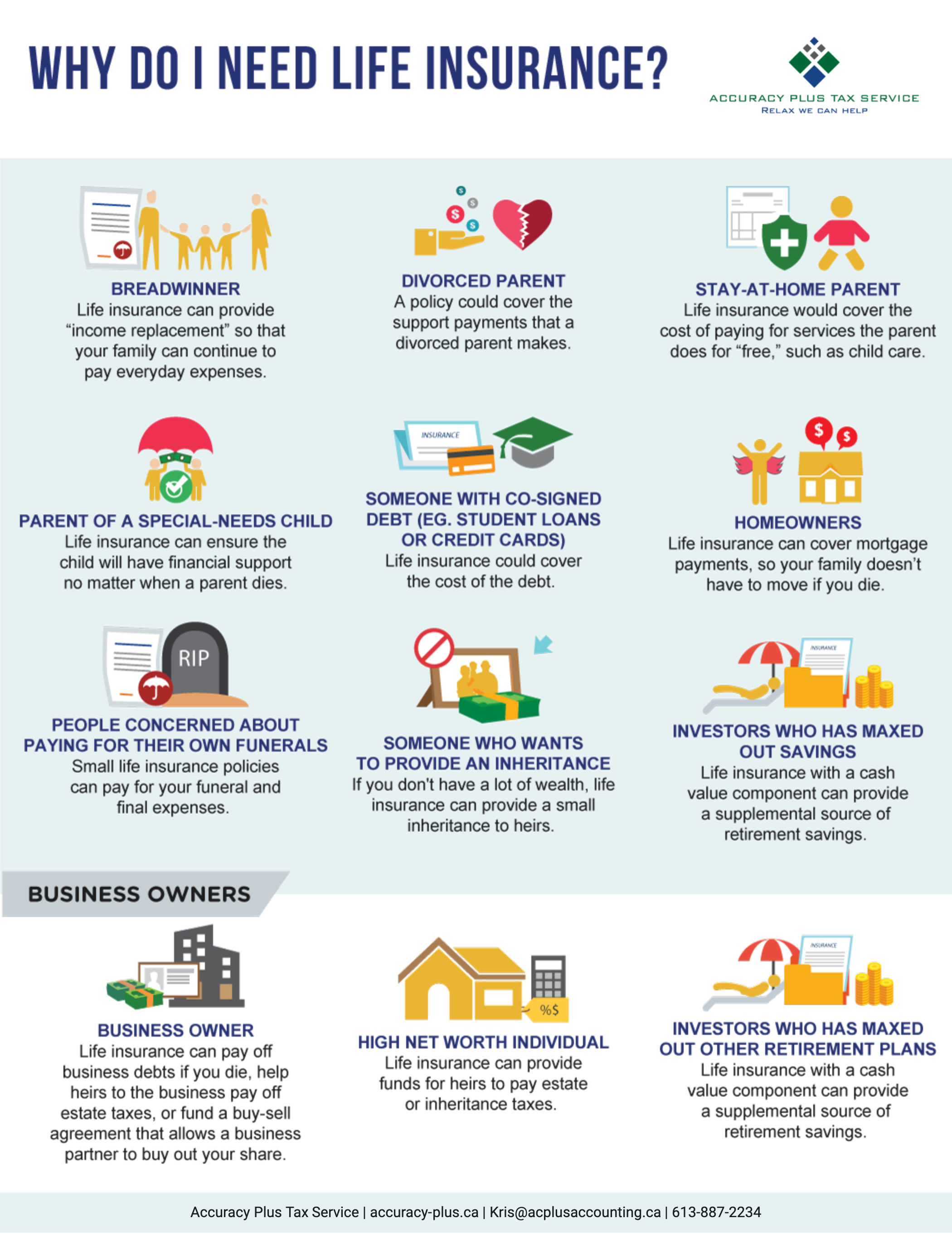
The single most compelling reason for a college student to purchase life insurance is protecting a parent, grandparent, or relative who co-signed private student loans.
Federal student loans—including Direct Subsidized, Direct Unsubsidized, and Grad PLUS loans—are legally required to be discharged if the student borrower dies, according to Federal Student Aid guidelines. The surviving family bears no financial obligation to pay back federal debt.
Private student loans are governed by different terms. Under the Economic Growth, Regulatory Relief, and Consumer Protection Act, private lenders cannot place a loan in automatic default or attempt to collect from a co-signer upon the primary borrower’s death for loans originated after November 2018. However, policy nuances exist across private lenders, and legacy loans originated before this legislation may still expose co-signers to substantial repayment obligations.
Even when private lenders offer death discharges, navigating private loan servicing during a period of grief can be complex. Purchasing an inexpensive 10-year or 20-year term life policy that covers the total co-signed loan amount ensures your co-signers are fully insulated from debt liabilities.
2. You Have Financial Dependents
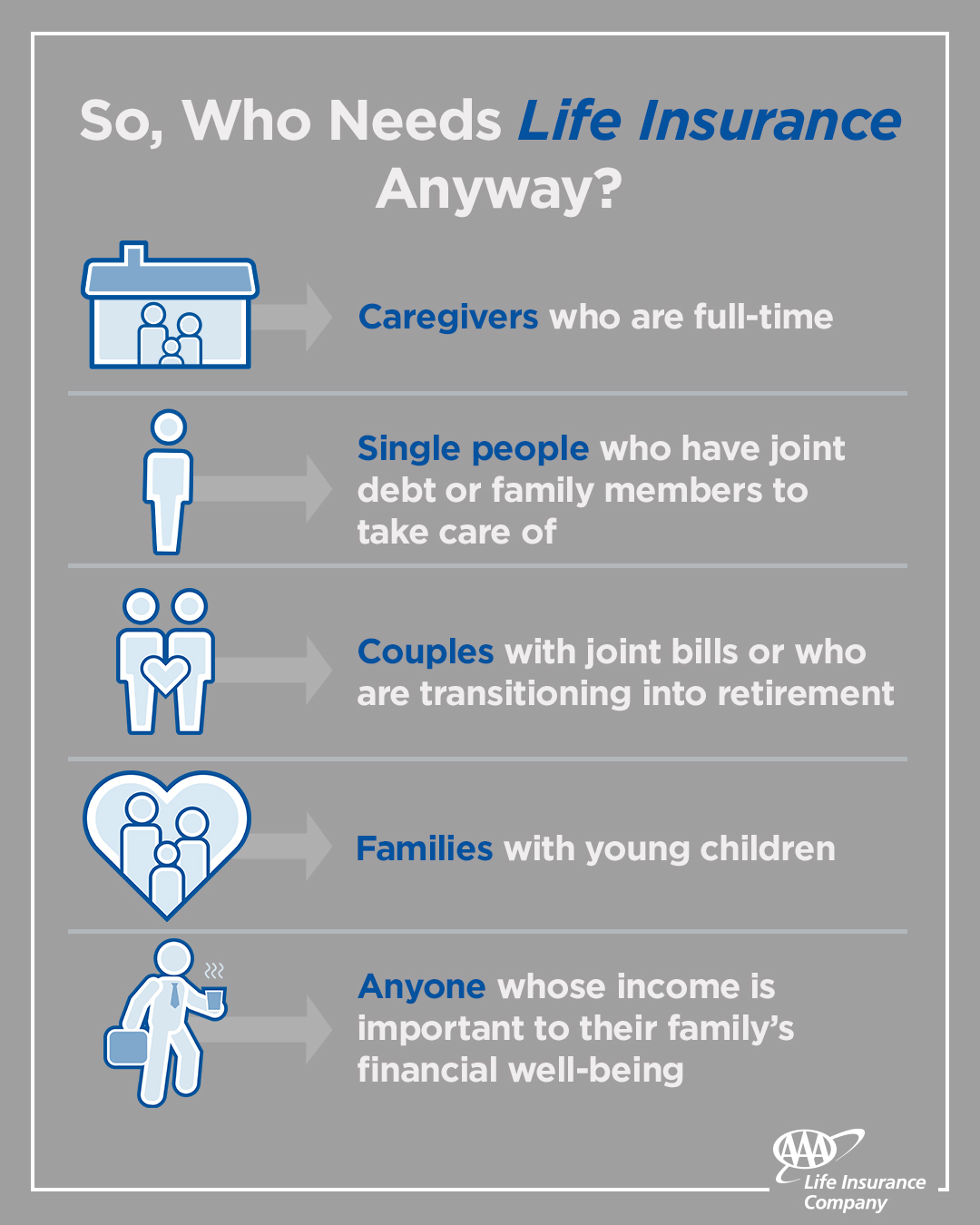
If you are an adult student, married, or raising children while pursuing a degree, life insurance is essential. Should something happen to you, a life insurance policy replaces your prospective earning power and covers immediate living costs, childcare, and mortgage or rent payments for your surviving family.
Even if you are currently earning minimal income while studying full-time, your contribution to household operations (such as primary childcare or eldercare) has substantial monetary value that would cost thousands of dollars per month to replace.
3. Locking In Low Premium Rates While Young and Healthy
Life insurance premiums are calculated primarily on two factors: age and health status. Premium costs increase by approximately 8% to 10% for every year you age.
- Age Advantage: A healthy 20-year-old can secure a 20-year term policy with $250,000 to $500,000 in coverage for between $13 and $22 per month. Waiting until age 30 or 35 to buy the same policy significantly increases the monthly cost.
- Health Guarantee: Developing a chronic condition—such as high blood pressure, diabetes, autoimmune disorders, or mental health diagnoses—during your 20s can double your future premiums or make standard coverage difficult to obtain. Buying a policy in college locks in a "Preferred" health rating for 10, 20, or 30 years regardless of future health changes.
4. Covering Funeral and Final Expenses
The average traditional funeral and burial in the United States costs between $7,000 and $10,000, according to industry benchmarks. For families living on tight budgets, absorbing sudden end-of-life expenses can cause severe financial distress. A modest term policy or small individual coverage plan eliminates this potential burden for your parents or next of kin.
When You Should Skip Life Insurance in College
For a significant percentage of college students, purchasing life insurance is an unnecessary expense that diverts money away from emergency savings, tuition, or high-interest debt repayment.
CRITICAL DECISION CHECKLIST
Do you have co-signed PRIVATE student loans?
Does a spouse or child rely on your financial earnings?
Do you have a family history of early-onset medical conditions?
IF YOU ANSWERED 'YES' TO ANY: Consider a budget-friendly Term Policy.
IF YOU ANSWERED 'NO' TO ALL: Skip life insurance until after college.
You Only Have Federal Student Loans and No Dependents
If you are single, have no children, and your college education is financed through grants, scholarships, personal savings, or federal student loans, you generally do not need life insurance. Your federal loans die with you, and no surviving family member is responsible for your unpaid debt.
Extremely Tight Monthly Cash Flow
College budgets are notoriously tight. Spending $20 to $40 per month on life insurance premiums when you have no debt co-signers or financial dependents is inefficient. That money is better utilized building an emergency reserve fund in a high-yield savings account or minimizing your current borrowing.
You Are Being Pitched "Permanent" or "Whole Life" Insurance
College students and recent graduates are frequently targeted by financial salespeople promoting whole life, universal life, or indexed universal life (IUL) policies as "wealth-building tools" or "tax-free retirement accounts."
Permanent life insurance policies carry premiums that are 5 to 10 times higher than term life insurance for the same death benefit. They feature heavy upfront commissions, management fees, and slow cash-value growth during the early policy years. For virtually every college student, whole life insurance is an inappropriate financial product.
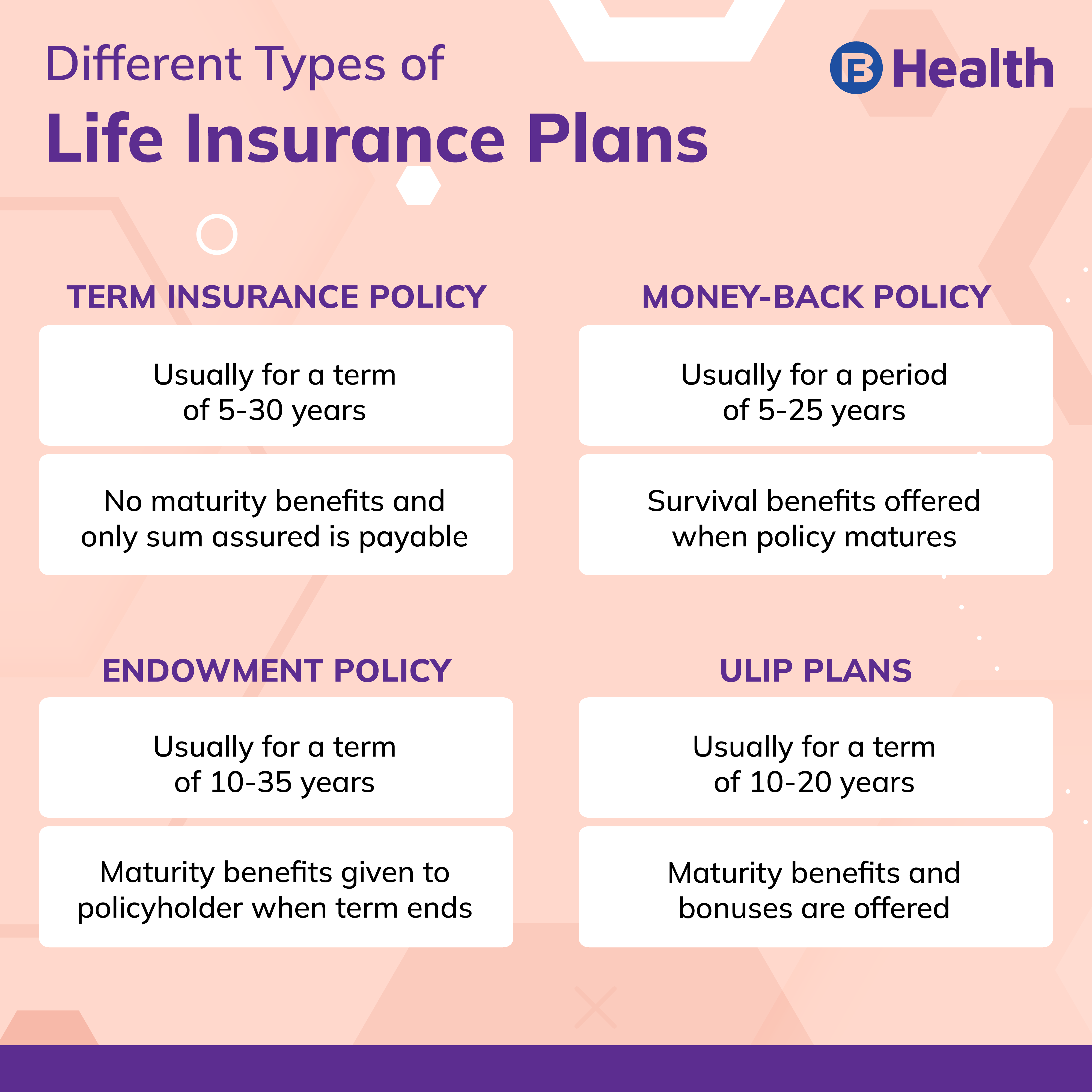
Term Life vs. Whole Life Insurance Comparison
Understanding the structural differences between policy types is vital before shopping for coverage.
| Feature | Term Life Insurance | Whole / Permanent Life Insurance |
|---|---|---|
| Coverage Period | Fixed term (e.g., 10, 20, or 30 years) | Entire lifetime (as long as premiums are paid) |
| Monthly Premium Cost | Very Low ($12 – $25/month for students) | High ($120 – $300+/month for students) |
| Cash Value Growth | None (pure insurance protection) | Yes (accumulates cash value over decades) |
| Primary Purpose | Income replacement and debt protection | Estate planning and cash accumulation |
| Complexity | Simple and straightforward | Highly complex with fees and surrender charges |
| Suitability for Students | Best Choice (if coverage is needed) | Rarely Suitable for young adults |
How Much Life Insurance Coverage Do College Students Need?
If you determine that you need coverage, calculate your policy size based on exact obligations rather than arbitrary rules of thumb.
CALCULATING YOUR COLLEGE COVERAGE NEED
- Total Co-Signed Private Loans
- Estimated Final/Funeral Expenses ($10,000)
- Income Replacement (Only if you have dependents)
- = Target Life Insurance Coverage Amount
- Calculate Private Loan Liabilities: Sum the total principal balance of all co-signed private student loans you plan to take out through your graduation date.
- Add Final Expenses: Include an additional $10,000 to cover potential funeral and end-of-life medical expenses.
- Account for Dependents: If you have a spouse or dependents, add 5 to 10 times your annual income (or estimated starting salary) to cover their transition costs.
For a student with $35,000 in co-signed private loans, a basic $100,000 to $250,000 10-year or 20-year term policy provides more than sufficient coverage at a minimal monthly cost.
Step-by-Step Guide: How to Buy Life Insurance in College
If you decide to apply for coverage, follow these steps to secure the best rates without overpaying.
5-STEP APPLICATION PROCESS
- Step 1: Audit student debt types (Federal vs. Private Co-Signed)
- Step 2: Determine total coverage amount and required term length
- Step 3: Compare online quotes from independent brokers
- Step 4: Choose standard fully-underwritten or accelerated policy
- Step 5: Designate primary beneficiary and set up auto-pay
Step 1: Audit Your Debts and Dependencies
Review your financial financial aid dashboard and loan promissory notes. Separate federal loans (Direct, PLUS) from private loans (Sallie Mae, Discover, SoFi, Earnest). Identify whether any private loans required a co-signer.
Step 2: Select the Right Term Length
Match the term length to your expected liability window:
- 10-Year Term: Ideal if you only need to cover private student loans until you pay them off early in your career.
- 20-Year Term: Best if you want to lock in low rates through your 20s and 30s, bridging the gap until marriage, buying a home, or starting a family.
Step 3: Compare Quotes from Independent Brokers
Avoid purchasing directly from a single captive insurer. Use independent online platforms to compare quotes across top-rated carriers (e.g., insurers rated A or higher by A.M. Best).
Step 4: Choose Underwriting Method
- Accelerated / No-Exam Underwriting: Many insurers offer fully digital policies for young adults with no medical exam required if you have a clean medical history. These policies pull prescription and medical databases to approve coverage within days.
- Fully Underwritten Policies: May require a paramedical exam (blood and urine sample), but often provide the absolute lowest rates for high coverage amounts.
Step 5: Name Your Beneficiaries Correctly
Name the individual who would bear the financial risk as your primary beneficiary. For instance, if your parents co-signed your private loan, designate them as the primary beneficiaries so they can use the payout to clear the debt immediately.
Frequently Asked Questions
Can I get life insurance as a college student with no job?
Yes. Insurance companies evaluate young adults using student status as an acceptable occupation. While coverage limits may be capped (often up to $250,000 or $500,000 without proof of significant earned income), full-time college enrollment satisfies standard underwriting guidelines.
Does my college or university provide life insurance?
Some universities offer basic group term life or accident coverage through student health insurance plans or graduate assistant benefit packages. However, these benefits are tied to your enrollment status and end upon graduation.
What happens to my life insurance policy after I graduate?
Individual term policies belong to you, not your school. As long as you continue paying the monthly premiums, your coverage remains active at the exact same price for the duration of the term, regardless of your future job, income changes, or health conditions.
Are life insurance payouts taxable to my beneficiaries?
In general, life insurance death benefits paid to beneficiaries are exempt from federal income tax under Internal Revenue Code Section 101(a). However, any interest accrued on the death benefit before distribution may be subject to income tax.
Should I buy life insurance to pay off my federal student loans?
No. Federal student loans are completely discharged by the federal government upon the death of the primary borrower. Purchasing life insurance solely to pay off federal loans is an unnecessary expense.
Final Recommendation
For the majority of college students, life insurance is not an immediate necessity. If you are single, have no dependents, and carry only federal student loans, prioritize building an emergency fund and managing your academic expenses instead.
However, if a family member co-signed private student loans on your behalf, or if you support a spouse or child, buying a simple 10-year or 20-year term life policy is an affordable way to eliminate risk. By choosing term coverage over whole life insurance and locking in rates while young, you protect your family's financial security for just a few dollars a month.
Image Gallery