When Does an Auto Insurance Policy Go Into Effect? Effective Dates, Binders, and Coverage Timelines
An auto insurance policy goes into effect on the specific date and time established in your policy agreement, which occurs as soon as the carrier issues a formal insurance binder and receives your initial payment authorization. Dependi...
An auto insurance policy goes into effect on the specific date and time established in your policy agreement, which occurs as soon as the carrier issues a formal insurance binder and receives your initial payment authorization. Depending on your setup, coverage can begin immediately upon completing the application process online or over the phone, or on a future date you select.
Contents
Understanding Auto Insurance Effective Dates and Times
When purchasing car insurance, the exact moment your coverage begins is legally defined by the policy effective date and time. This timestamp dictates when the insurer assumes financial responsibility for accidents, liability claims, property damage, or theft involving the insured vehicle. Clarifying this timeline is critical, as driving even a few minutes prior to the designated effective time leaves you fully exposed to personal legal and financial liabilities.
Immediate Coverage vs. Scheduled Effective Dates
Auto insurance policies generally follow one of two timeline models depending on your immediate vehicle ownership needs:
- Immediate (Same-Day) Binding: If you buy a vehicle at a dealership or need instant coverage to drive legally, an policy can be bound to take effect immediately. In this case, the carrier timestamps the policy at the exact hour and minute the electronic application is finalized, approved, and backed by a down payment.
- Scheduled (Future-Dated) Coverage: If you are switching insurance providers or purchasing coverage in advance of bringing a vehicle home, you can choose a future effective date. This is common when matching the expiration date of an existing policy to avoid coverage overlaps or lapse penalties.
The Standard "12:01 AM" Rule vs. Exact Timestamping
Historically, paper-based auto policies defaulted to taking effect at 12:01 AM local time on the effective date listed on the declarations page. While this standard remains widely used for scheduled policies and renewals, digital policy binding introduced precise real-time timestamping.
If you purchase a policy at 2:30 PM on a Tuesday with an immediate binding request, your coverage does not retroactively apply to 12:01 AM that morning. Instead, the contract specifies the exact execution time (e.g., 2:30 PM) to prevent policyholders from purchasing coverage after an accident has already occurred—a fraud scheme known as binding after loss.
Essential Requirements for Policy Activation
Selecting a start date on an application does not automatically mean your vehicle is covered. Insurance contracts require specific legal and financial conditions to be met before the insurer is legally obligated to pay claims.
[ Application Submission ] ➔ [ Down Payment Processed ] ➔ [ Insurance Binder Issued ] ➔ [ Policy Live ]
1. Payment Authorization and Down Payment Clearance
An auto insurance policy will not take effect without a valid initial payment or payment authorization. Whether paying in full or choosing a monthly installment plan, the insurance carrier must successfully process your debit card, credit card, or electronic fund transfer (EFT).
If a payment fails due to insufficient funds, credit card rejection, or a bounced check, the policy binder becomes void ab initio (invalid from the beginning), meaning coverage never officially took effect.
2. Issuance of an Insurance Binder
An insurance binder is a temporary legal contract issued by an authorized insurance agent or carrier that provides immediate evidence of coverage while the formal policy documents are being underwritten and processed.
- The binder details the policyholder’s identity, covered vehicles, coverage limits, deductibles, and explicit start and expiration dates.
- Once issued, the binder carries the full legal weight of a standard policy until the permanent policy documentation and declarations page arrive.
3. Underwriting Approval and Signature Verification
Most personal auto policies bind automatically through automated underwriting systems. However, complete activation requires the policyholder to sign all required state documents, uninsured motorist selection forms, and policy acknowledgments. Failing to return signed electronic documents within the carrier's designated window (often 7 to 14 days) can cause the policy to be canceled or rewritten at higher rates.
Newly Acquired Vehicles: Automatic Coverage and Grace Periods
One of the most misunderstood areas of insurance effective dates is how existing auto policies handle newly purchased or traded-in vehicles. Most auto insurance contracts contain a clause offering temporary automatic coverage for a newly acquired auto, but strict limitations apply.
Replacement Vehicles vs. Additional Vehicles
Insurers treat newly acquired vehicles differently depending on whether the car replaces a vehicle already listed on your policy or adds to your existing fleet:
- Replacement Vehicles: If you trade in a car listed on your policy for a new one, the new vehicle generally receives the same coverage levels as the old vehicle automatically for a specified grace period.
- Additional Vehicles: If you purchase an additional car without disposing of an existing one, the policy typically extends the broadest coverage currently active on any vehicle listed on your policy, provided you notify the carrier within the required timeframe.
Understanding the Carrier Grace Period
The standard grace period for adding a new vehicle to an existing policy usually ranges from 7 to 30 days, depending on state law and carrier policy terms.
| Vehicle Purchase Type | Existing Policy Standard | Automatic Coverage Granted | Immediate Action Required? |
|---|---|---|---|
| Replacement Car | Active Policy | Broadest coverage of replaced vehicle | Notify insurer within 7–30 days |
| Additional Car | Active Policy | Broadest coverage of any listed vehicle | Notify insurer within 7–14 days |
| First-Time Purchase | No Prior Policy | Zero Coverage | Must buy policy before driving off lot |
| Financed/Leased Car | Active Policy | Comprehensive/Collision required | Provide dealer binder before release |
Note: If your existing policy only includes state-minimum liability coverage, your newly acquired vehicle will not automatically have comprehensive or collision (physical damage) coverage during the grace period unless requested or specified in the policy contract.
Common Scenarios: When Does Coverage Start?
Scenario 1: Buying a Car at a Dealership
Car dealerships cannot legally allow a buyer to drive a vehicle off the lot without proof of valid auto insurance. If you already have an active policy, your agent can issue a binder for the new vehicle via email or digital portal within minutes. If you do not have an existing policy, you must complete an application, pay the initial premium, and secure a binder before taking possession of the keys.
Scenario 2: Switching Insurance Carriers
When switching from Carrier A to Carrier B to secure better rates, set Carrier B’s effective date for 12:01 AM on the exact day Carrier A’s policy is scheduled to cancel. Never set the cancellation date earlier than the new effective date, as even a 24-hour gap creates an uninsured period that can trigger state regulatory penalties, higher insurance rates, and total financial exposure in an accident.
Scenario 3: Adding a Driver or Vehicle Online
Modifications to existing policies made through customer self-service web portals or mobile apps take effect either immediately upon electronic confirmation or at 12:01 AM the following day, depending on the carrier. Always review the digital transaction receipt to verify the exact operational date and time.
Key Factors That Can Delay or Void Policy Activation
Certain administrative issues or misrepresentations can delay your policy's start time or render it completely void:
- Unverifiable Driving Records: If an automated underwriting check discovers undisclosed driving violations, accidents, or driver's license suspensions, the carrier may place the application in underwriting hold, delaying activation until rates are adjusted.
- Material Misrepresentation: Intentionally providing false information—such as listing an incorrect primary garaging address or concealing household drivers—can lead an insurer to rescind a policy retroactively, denying claims even if a binder was initially issued.
- Lapses in Prior Coverage: If you let a prior policy lapse, carriers often require a signed No-Loss Statement confirming that no accidents occurred during the uninsured period before setting a new policy into effect.
How to Verify Your Policy Is Live Before Driving
Never assume your vehicle is covered simply because an online application was submitted. Take these practical steps to confirm active status:
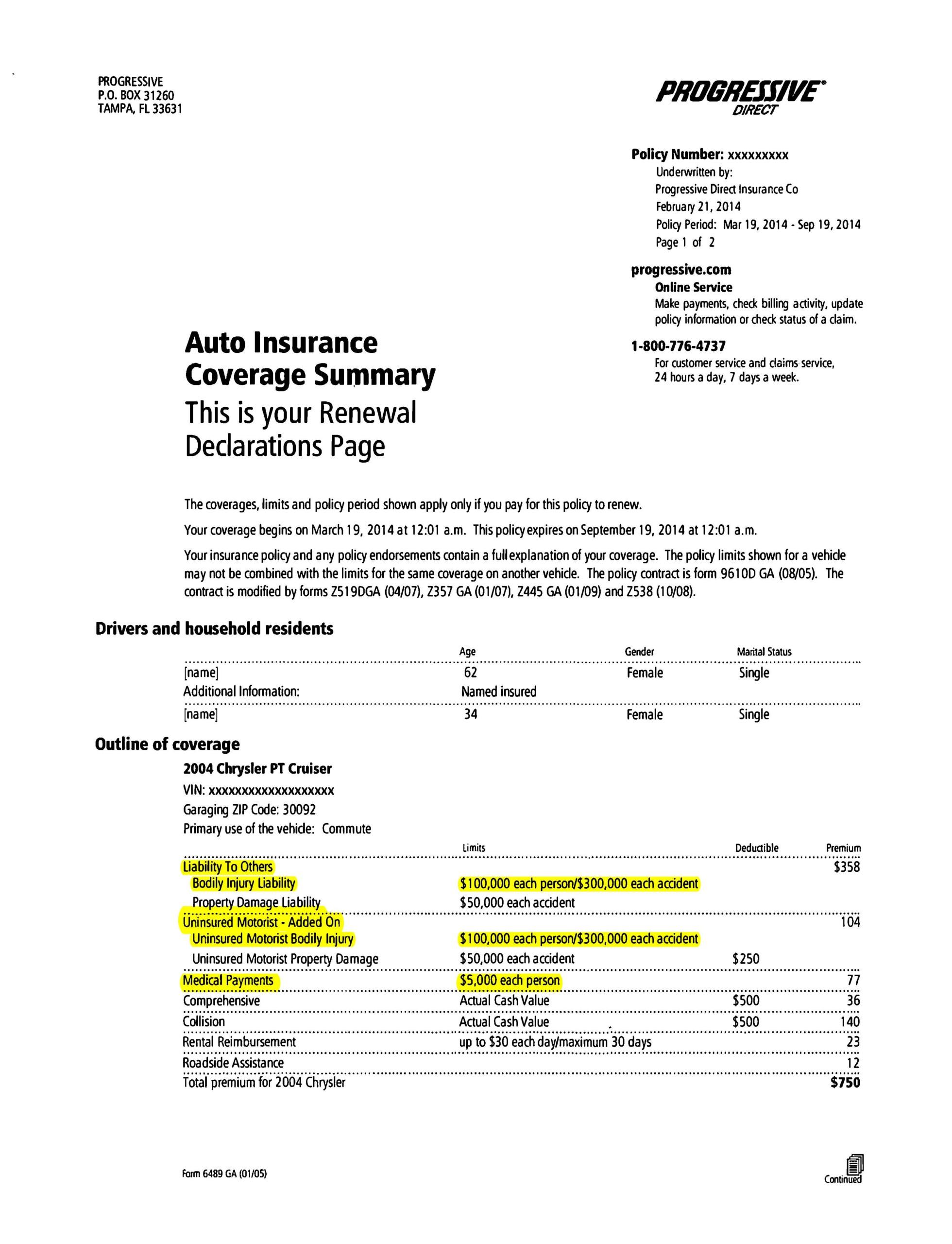
- Check the Declarations Page: Locate the line labeled Policy Period or Effective Date. It will display explicit start and expiration dates (e.g., From 03/15/2026 at 12:01 AM to 09/15/2026 at 12:01 AM).
- Verify Electronic Proof of Insurance: Download your digital insurance card via the insurer’s mobile application or save a digital PDF. Check that the effective date matches or precedes the current date.
- Confirm Payment Receipt: Log into your bank account or portal dashboard to ensure the down payment authorized during enrollment status shows as completed rather than declined.
Frequently Asked Questions
Can I get auto insurance that starts immediately?
Yes, most major auto insurance carriers offer immediate policy binding online or over the telephone. Coverage takes effect the moment your electronic payment is successfully processed and an insurance binder or temporary proof of insurance card is generated.
Does auto insurance start the day you buy it or the next day?
Auto insurance starts on the exact date and time specified during the application process. If you request same-day coverage, it starts immediately upon binder issuance. If you select a future date, it typically begins at 12:01 AM on that chosen day.
What happens if I get into an accident on the day my policy starts?
If the accident occurs after the precise time your binder was issued or after 12:01 AM on your policy's start date, the accident is covered according to your chosen terms. If the accident occurs prior to the exact timestamp of policy binding on that day, the insurer will deny the claim.
Is a vehicle covered automatically when you buy it from a private seller?
If you hold an active auto policy on another car, your contract's "newly acquired auto" clause usually extends temporary liability coverage to the newly purchased private-party vehicle for a short window (typically 7 to 30 days). If you do not have an existing policy, there is zero automatic coverage, and you must purchase insurance before driving the car home.
Why do some insurance policies take effect at 12:01 AM?
The 12:01 AM standard is a long-standing legal convention in the insurance industry designed to eliminate ambiguity regarding calendar days and time zones. Starting a contract one minute past midnight ensures a clean, full 24-hour day of coverage without confusion over noon or midnight transitions.
Practical Action Plan: Securing Seamless Coverage
To ensure your vehicle is legally protected without coverage gaps or unexpected delays:
- Get an Insurance Binder in Advance: If purchasing a vehicle, arrange coverage details with your broker or carrier beforehand so a binder can be transmitted directly to you or the dealership prior to driving off the lot.
- Synchronize Effective Dates When Switching: When changing providers, set your new policy to begin at 12:01 AM on the exact date your old policy expires to prevent double-paying or creating uninsured gaps.
- Store Proof of Coverage Immediately: Keep printed copies of your temporary insurance card in your vehicle's glove compartment and store electronic proof on your smartphone prior to operating the vehicle.
Disclaimer: Auto insurance requirements, grace periods, and binding regulations vary by state jurisdiction and individual insurance company policy contracts. Always review your specific policy declarations page and consult a licensed insurance professional for binding confirmation.
Image Gallery