Exploring the Cast of Chicago Musical: Characters, Legendary Performers, and Casting History
Exploring the cast of the musical Chicago reveals how a sharp satire of celebrity, corruption, and media sensationalism became the longest-running American musical in Broadway history. From core character breakdowns like Roxie Hart and...
Exploring the cast of the musical Chicago reveals how a sharp satire of celebrity, corruption, and media sensationalism became the longest-running American musical in Broadway history. From core character breakdowns like Roxie Hart and Velma Kelly to legendary original stars and rotating celebrity guest performers, understanding the cast dynamic provides essential insight into the show's enduring success.
Contents
The Core Characters of Chicago and Their Dramatic Roles
The narrative framework of Chicago—created by John Kander, Fred Ebb, and Bob Fosse—relies on a small group of central characters operating within the cynical, jazz-drenched landscape of 1920s Cook County Jail and courtrooms. Each primary role represents a distinct archetype of sensationalist media culture and theatrical performance styles modeled after historic Vaudeville acts.
- Cook County Jail & Courtroom Dynamics
- The Murderesses
- Roxie Hart
- Velma Kelly
- The Legal Machine
- Billy Flynn (Lawyer)
- Matron "Mama" Morton
- Exploited & Mediated
- Amos Hart ("Mister Cellophane")
- Mary Sunshine (Soprano Columnist)
- The Murderesses
Roxie Hart
Roxie Hart is an ambitious chorus girl who murders her lover, Fred Casely, after he threatens to abandon her. Driven by a desperate longing for fame and vaudeville stardom, Roxie quickly learns to manipulate the press and public sympathy with the guidance of her defense lawyer, Billy Flynn.
- Vocal Range: Mezzo-Soprano (Belter)
- Performance Style: Modeled after classic comedic vaudevillians like Helen Morgan; requires precise comedic timing, subtle vulnerability, and crisp jazz movement.
- Key Musical Numbers: "Funny Honey," "Roxie," "Me and My Baby," "Nowadays."
Velma Kelly
Velma Kelly is a hardened vaudeville performer serving time for double homicide after killing her husband and sister upon discovering their affair. As the reigning media darling of the Cook County Jail before Roxie's arrival, Velma exhibits fierce competitiveness and dramatic theatricality as she struggles to reclaim her front-page headlines.
- Vocal Range: Alto / Mezzo-Soprano (Low Belt)
- Performance Style: Inspired by brassy powerhouse performers like Texas Guinan; demands athletic Fosse choreography, high-kick endurance, and command of jazz dance.
- Key Musical Numbers: "All That Jazz," "Cell Block Tango," "I Can't Do It Alone," "Class," "I Know a Girl."
Billy Flynn
Billy Flynn is Chicago's top criminal defense attorney. Smooth, opportunistic, and entirely mercenary, Flynn treats the legal system as a theatrical circus, boasting that he can get any female murderer acquitted as long as his $5,000 fee is paid.
- Vocal Range: Baritone
- Performance Style: Emulates charmer-emcee figures like Ted Lewis; relies on suave charisma, commanding vocal delivery, and vocal control.
- Key Musical Numbers: "All I Care About," "We Both Reached for the Gun," "Razzle Dazzle."
Amos Hart
Amos Hart is Roxie’s dutiful, invisible husband who takes the fall for her crime before realizing she lied to him. Symbolizing the forgotten victim in a media circus, Amos represents sincerity and tragic innocence amidst pervasive corruption.
- Vocal Range: Tenor / Baritone
- Performance Style: Styled after sad-tramp vaudeville legends such as Bert Williams; requires physical comedy, clowning techniques, and poignant vocal delivery.
- Key Musical Numbers: "Mister Cellophane."
Matron "Mama" Morton
"Mama" Morton is the corrupt ward boss of the Cook County Jail block. Operating under a strict policy of reciprocal favors ("reciprocity"), Mama manages publicity, press access, and legal introductions for her imprisoned female clients in exchange for cash kickbacks and gifts.
- Vocal Range: Contralto / Alto
- Performance Style: Rooted in blues and classic torch singers like Sophie Tucker; requires deep vocal resonance, authority, and soulful comedic execution.
- Key Musical Numbers: "When You're Good to Mama," "Class."
Mary Sunshine
Mary Sunshine is a tabloid newspaper columnist whose blind optimism and naive belief that "there's a little bit of good in everyone" make her easily manipulated by Billy Flynn’s staged defense narratives.
- Vocal Range: High Countertenor / Operatic Soprano
- Performance Style: Traditionally performed as a drag role or high male falsetto, demanding classical operatic vocal technique combined with satirical melodrama.
- Key Musical Numbers: "A Little Bit of Good."
Historical Cast Comparison: 1975 Original vs. 1996 Revival
The history of Chicago on stage spans two distinct eras. The original 1975 Broadway production features a legendary creative lineage, while the historic 1996 revival redesigned the staging into a stripped-back, dance-forward concert presentation that remains the standard format worldwide.
- 1975 Original Broadway Production
- Theater: 46th Street Theatre (736 performances)
- Staging: Full set design, traditional book-musical format
- Original Lead Stars: Gwen Verdon, Chita Rivera, Jerry Orbach
- 1996 Broadway Revival Production
- Theater: Encores! Series -> Richard Rodgers -> Shubert -> Ambassador Theatre
- Staging: Minimalist black-box design, orchestra onstage, Fosse-style dance focus
- Revival Lead Stars: Ann Reinking, Bebe Neuwirth, James Naughton, Joel Grey
The 1975 Original Broadway Cast
Directed and choreographed by Bob Fosse, the original production opened on June 3, 1975, at the 46th Street Theatre. The show starred musical theatre icons:
- Gwen Verdon as Roxie Hart: Verdon brought her signature comedic timing and Fosse technique to the role she helped develop.
- Chita Rivera as Velma Kelly: Rivera originated the role with intense physicality and sharp jazz phrasing, earning critical acclaim.
- Jerry Orbach as Billy Flynn: Orbach brought cool sardonic elegance to the defense lawyer role, establishing the character's vocal standard.
Despite receiving 11 Tony Award nominations, the 1975 production ran during a period dominated by Michael Bennett’s A Chorus Line and closed after 736 performances without taking home any Tony trophies.
The 1996 Broadway Revival Cast
In May 1996, New York City Center’s Encores! series presented a concert version of Chicago choreographed by Ann Reinking "in the style of Bob Fosse" and directed by Walter Bobbie. The overwhelming success led directly to a Broadway transfer opening on November 14, 1996.
- Ann Reinking as Roxie Hart: Reinking—a longtime Fosse dancer and collaborator—redefined Roxie with architectural precision and sensual comedic flare.
- Bebe Neuwirth as Velma Kelly: Neuwirth’s deadpan, commanding performance earned her the Tony Award for Best Featured Actress in a Musical. Neuwirth later played Roxie Hart and Mama Morton on Broadway, making her one of the few actors to portray all three primary female roles.
- James Naughton as Billy Flynn: Naughton won the Tony Award for Best Actor in a Musical for his vocal work and commanding presence.
- Joel Grey as Amos Hart: The Tony and Oscar winner delivered a classic rendition of "Mister Cellophane," winning the Tony Award for Best Featured Actor.
- Marcia Lewis as Matron "Mama" Morton: Lewis earned a Tony nomination for her rich vocal performance.
The 1996 revival won six Tony Awards, including Best Revival of a Musical, and went on to become the longest-running American musical in Broadway history.
High-Profile Replacements and Celebrity Guest Casting
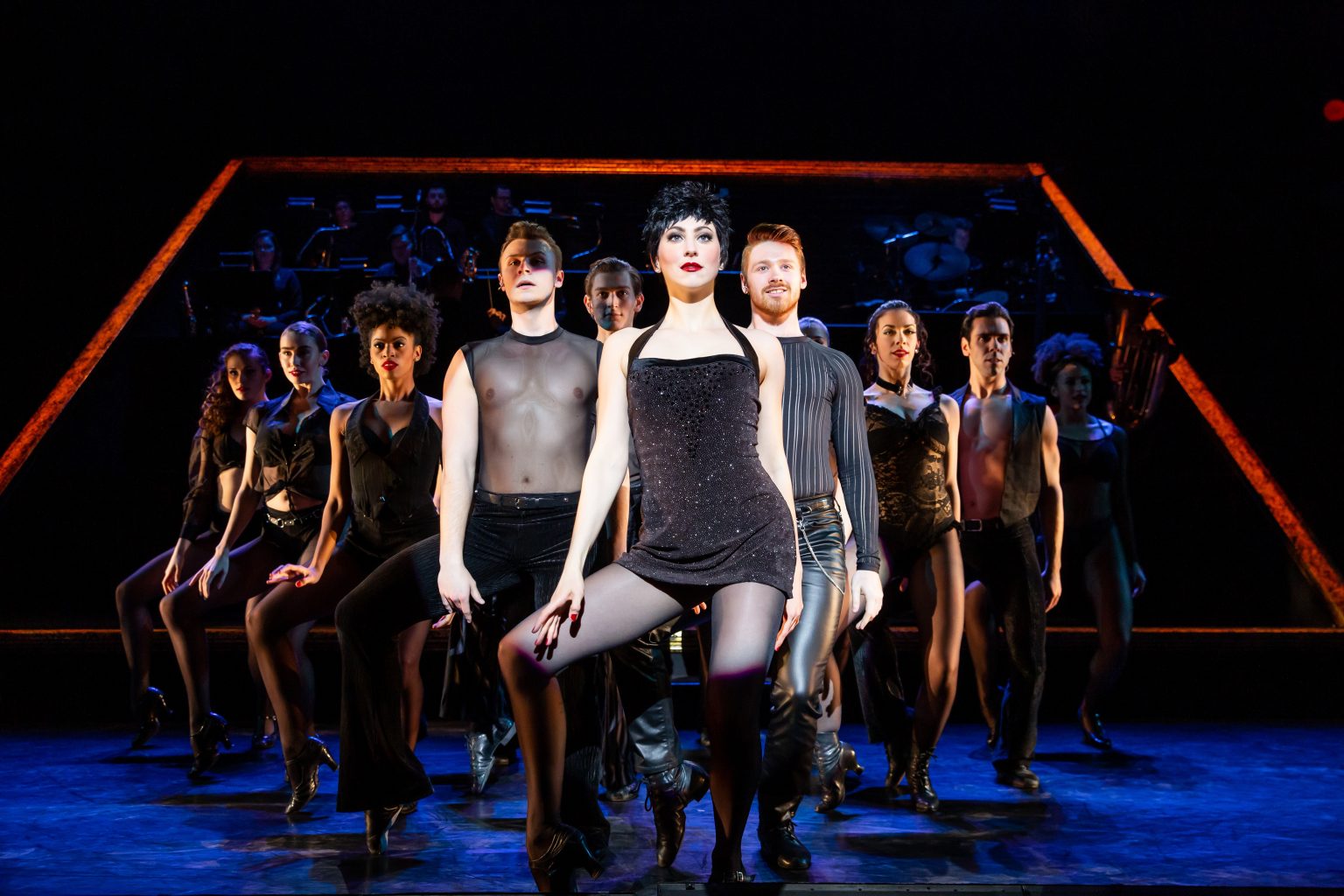
One key business and artistic strategy maintaining Chicago's multi-decade run on Broadway and the West End is its rotating cast model. Because the revival features neutral black-and-gold costumes and a black-box stage with the orchestra seated center-stage, the production can integrate visiting stars, international recording artists, and stage veterans without altering complex set architecture.
- Standard Rotating Cast Ecosystem
- Broadway Veterans
- Charlotte d'Amboise
- Amra-Faye Wright
- Bianca Marroquín
- Pop/Vocal Stars
- Brandy Norwood
- Usher
- Todrick Hall
- Screen & Reality
- Pamela Anderson
- Ariana Madix
- Jinkx Monsoon
- Broadway Veterans
Notable Guest Performers Across Decades
Over the years, the roles of Roxie Hart, Velma Kelly, Billy Flynn, and Mama Morton have hosted diverse talent:
- Pop and Recording Stars: Brandy Norwood (Roxie), Usher (Billy Flynn), Mel B (Roxie), Todrick Hall (Billy Flynn), and Jennifer Nettles (Roxie).
- Film, Television, and Stage Actors: Pamela Anderson (Roxie), Sofia Carson (Roxie), Christie Brinkley (Roxie), Taye Diggs (Billy Flynn), Patrick Swayze (Billy Flynn), and Michael C. Hall (Billy Flynn).
- Broadway and West End Seasoned Stalwarts: Charlotte d'Amboise (who has played Roxie Hart thousands of times across two decades), Bianca Marroquín (the first Mexican actress to play Roxie on Broadway, later moving to Velma), and Amra-Faye Wright (who performed Velma Kelly for years across worldwide productions).
- Groundbreaking Guest Casting: Reality television personality Ariana Madix drew box-office records playing Roxie Hart in 2024 and 2025. Drag icon Jinkx Monsoon broke sales records playing Matron "Mama" Morton in 2023, returning for limited engagements due to popular demand.
This dynamic casting structure allows the show to offer audiences fresh interpretations of classic numbers while maintaining strict standards of choreography and musical execution.
Primary Character Breakdown and Performance Matrix
The following matrix compares the core roles in Chicago, detailing their vocal classifications, signature musical numbers, dramatic styles, and notable performers who have inhabited the roles on Broadway or the West End.
| Character Name | Vocal Classification | Signature Musical Numbers | Primary Dramatic Archetype | Exemplary Cast Members (Past & Present) |
|---|---|---|---|---|
| Roxie Hart | Mezzo-Soprano (Belter) | "Roxie", "Funny Honey", "Me and My Baby" | Ambitious, manipulative ingenue | Gwen Verdon, Ann Reinking, Charlotte d'Amboise, Pamela Anderson, Ariana Madix |
| Velma Kelly | Alto / Mezzo-Soprano | "All That Jazz", "Cell Block Tango", "I Can't Do It Alone" | Cynical, athletic vaudeville veteran | Chita Rivera, Bebe Neuwirth, Ute Lemper, Ruthie Henshall, Bianca Marroquín |
| Billy Flynn | Baritone | "All I Care About", "We Both Reached for the Gun" | Smooth, corrupt defense attorney | Jerry Orbach, James Naughton, Patrick Swayze, Usher, Christopher Sieber |
| Amos Hart | Tenor / Baritone | "Mister Cellophane" | Invisible, sympathetic victim | Joel Grey, Ernie Sabella, Christopher Fitzgerald, Rob Bartlett |
| Matron "Mama" Morton | Contralto / Alto | "When You're Good to Mama", "Class" | Corrupt, pragmatic prison matron | Marcia Lewis, Roz Ryan, Lea DeLaria, Jinkx Monsoon, Kandi Burruss |
| Mary Sunshine | High Countertenor / Soprano | "A Little Bit of Good" | Naive, sentimental tabloid reporter | D. Sabella, R. Lowe, J. Loeffelholz (credited under stylized single pseudonyms) |
Technical Demands: Dance Precision and the Ensemble
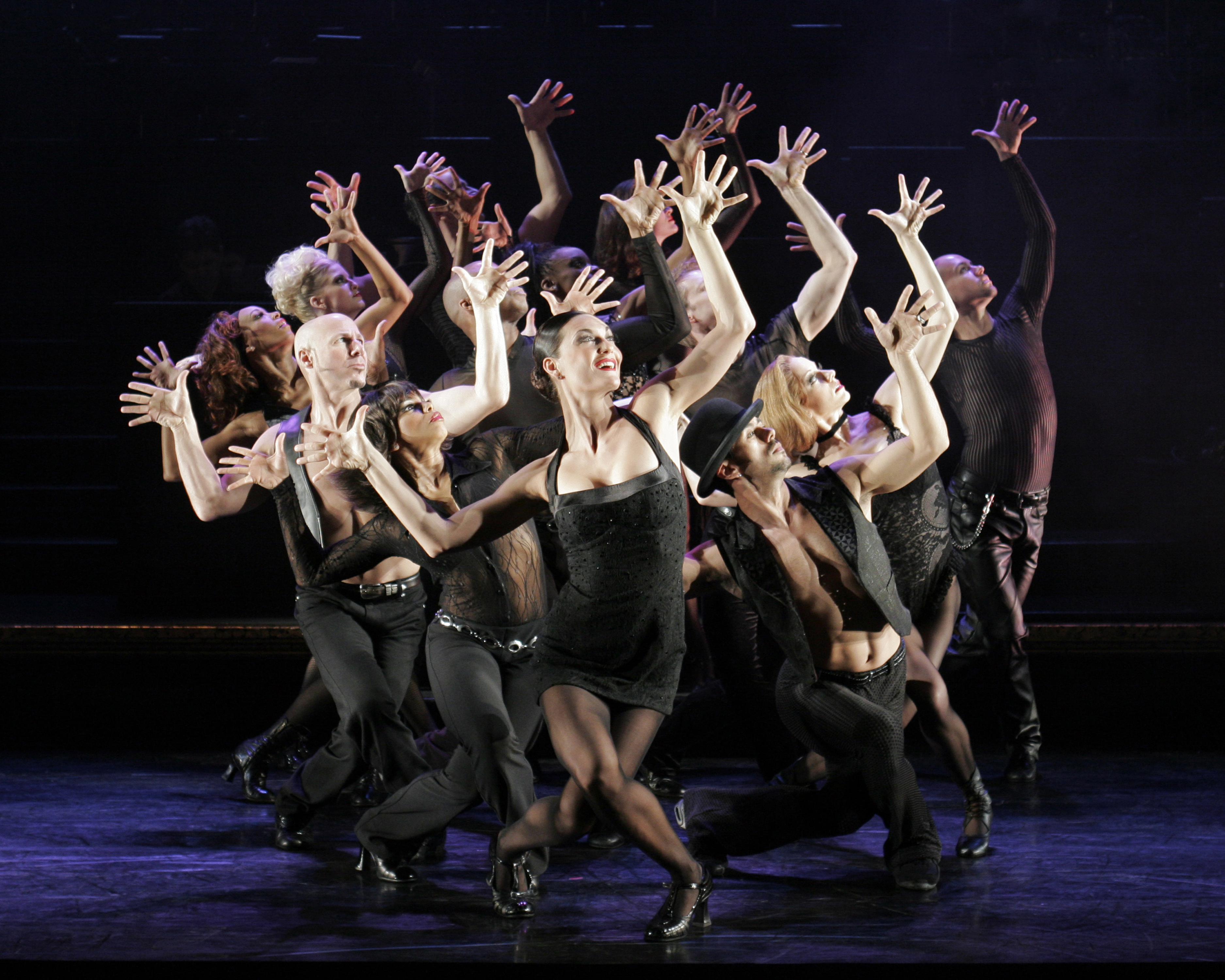
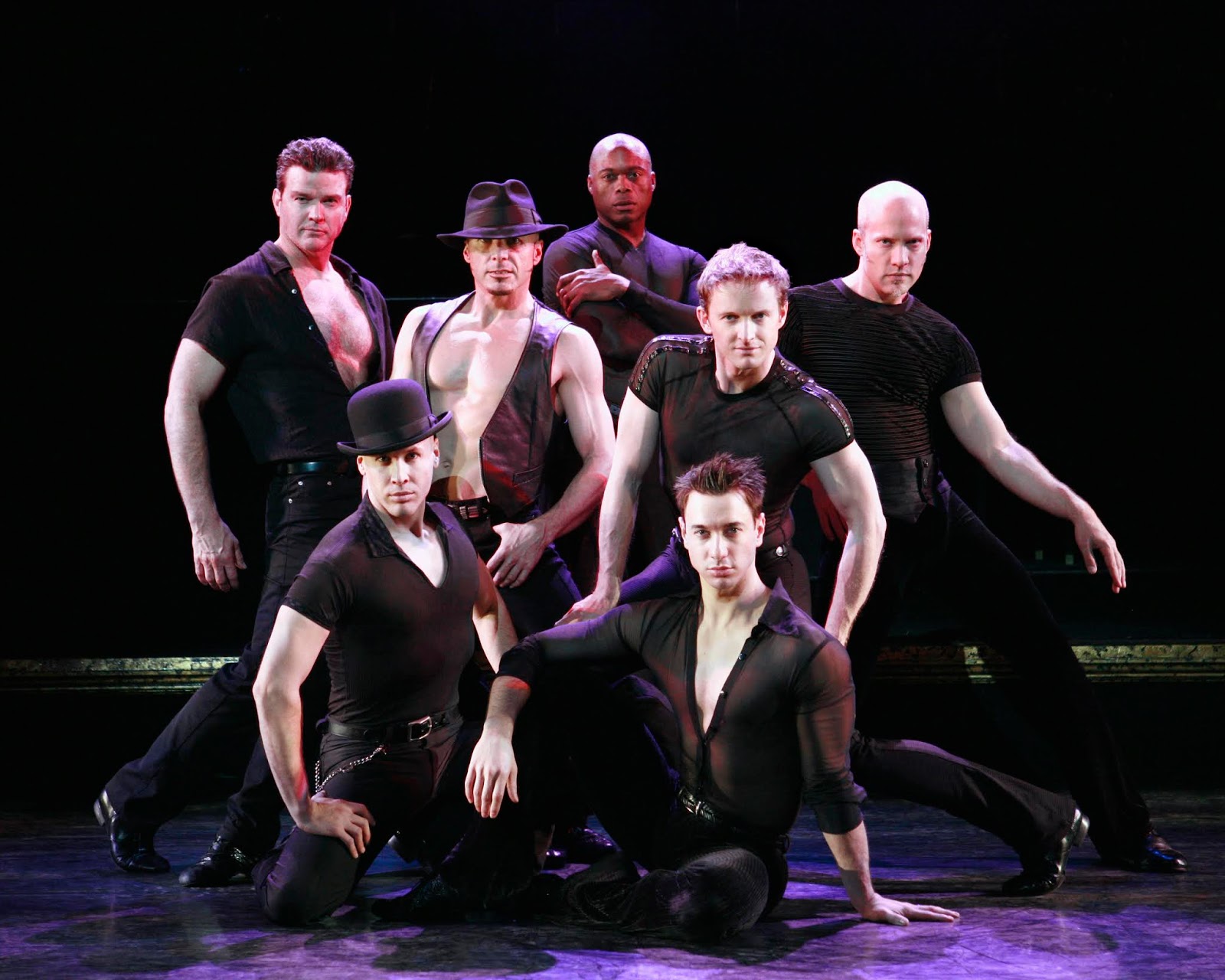
While primary leads draw public attention, the cast of Chicago is anchored by its ensemble. Fosse's choreographic style—recreated by Ann Reinking and maintained by production dance captains—requires rare physical precision.
- Core Requirements for the Chicago Ensemble
- Isolation Control
- Hip rolls & snaps
- Shoulder Isolations
- Finger splays
- Kinetic Economy
- Minimal movement
- Maximum impact
- Vocal stamina
- Stylized Posture
- Turn-in feet
- Slouched shoulders
- Bowler hat angles
- Isolation Control
The Fosse Choreographic Style
- Isolations: Movement is broken down into independent body parts—hip rolls, shoulder snaps, wrist swivels, and finger splays.
- Economy of Movement: Unlike classical ballet leaps, Fosse choreography emphasizes minimalism; subtle, restrained gestures often convey sexual tension or dark humor.
- Stylized Posture: Characterized by turned-in feet, slouched shoulders, pelvis-driven walks, and angled bowler hats pulled low over the eyes.
Ensemble Dynamics and Swing/Understudy Roles
Because Chicago uses a minimalist stage setup, ensemble members remain onstage for large portions of the performance, seated along the perimeter when not dancing. They serve as a chorus, props, and active spectators during solos.
Swings and understudies must master multiple tracks (vocal harmonies, precise stage positions, and intricate partner work). A single swing may cover up to six ensemble roles plus principal understudy duties for Roxie or Velma, requiring deep familiarity with the entire score and choreographic blueprint.
How to Verify Current Cast Schedules and Production Listings
Casting for long-running Broadway and touring productions changes frequently due to scheduled vacations, limited-run guest stars, and contract rotations. Theatergoers planning to see a specific performer should follow standard verification procedures.
- Checking Cast Announcements
- Playbill & IBDB: Verify historical and active rosters
- Official Website: Check press releases & limited-run dates
- Ticket Outlets: Review performance dates & substitution disclaimers
Step 1: Check Official Production Channels
Before booking, visit the official production portal at Chicago The Musical. The site maintains an updated roster of current Broadway and touring principal actors, along with press releases detailing temporary guest star engagements and departure dates.
Step 2: Consult Industry Cast Databases
To verify past performers, production histories, or opening-night original casts, search the Internet Broadway Database (IBDB). IBDB provides archived playbill listings, opening-night credits, and cast substitution records for all Broadway iterations of Chicago.
Step 3: Review Ticketing Disclaimers Regarding Performers
When purchasing tickets through official vendors like Telecharge or Broadway.com, check for explicit performance schedules. Most productions issue disclaimers noting that guest stars are subject to change due to illness or scheduling conflicts. Understudies and standby actors step in when primary leads are unavailable, preserving performance standards regardless of cast rotations.
Frequently Asked Questions
Who played the original Roxie Hart and Velma Kelly in 1975?
Gwen Verdon played Roxie Hart and Chita Rivera played Velma Kelly in the original 1975 Broadway production directed and choreographed by Bob Fosse.
Who won Tony Awards for the 1996 Broadway revival cast?
Bebe Neuwirth won Best Featured Actress in a Musical for Velma Kelly, James Naughton won Best Actor in a Musical for Billy Flynn, and Joel Grey won Best Featured Actor in a Musical for Amos Hart. Ann Reinking also won the Tony Award for Best Choreography.
Has any actor played both Roxie Hart and Velma Kelly on Broadway?
Yes, multiple actresses have performed both roles over the show's long history. Most notably, Bebe Neuwirth won her Tony as Velma Kelly and later returned to play Roxie Hart (and eventually Matron "Mama" Morton). Bianca Marroquín and Ruthie Henshall have also performed both lead female roles during their careers.
Why does Chicago frequently recast guest stars and celebrities?
The minimalist production design—featuring simple black costumes, a dark stage, and the band positioned center-stage—allows high-profile actors, singers, and media personalities to step into roles for brief engagements without requiring massive set redesigns or months of technical rehearsal.
Is the film adaptation cast different from the Broadway show cast?
Yes. The 2002 film adaptation directed by Rob Marshall featured Renée Zellweger as Roxie Hart, Catherine Zeta-Jones as Velma Kelly, Richard Gere as Billy Flynn, John C. Reilly as Amos Hart, and Queen Latifah as Matron "Mama" Morton. Chita Rivera made a cameo appearance in the film.
Recommended Next Steps for Theater Fans
To fully appreciate the performance tradition of Chicago, fans and theatergoers can take concrete steps to explore its legacy:
- Compare Cast Recordings: Listen to both the 1975 Original Broadway Cast Recording (featuring Gwen Verdon and Chita Rivera) and the 1996 Broadway Revival Cast Recording (featuring Ann Reinking and Bebe Neuwirth) to hear how vocal interpretations and orchestral tempos evolved.
- Verify Upcoming Engagements: If you intend to catch a specific guest performer, check the cast board on the official show website or telephone the box office prior to selecting your performance date.
- Study the Choreography: Explore historical footage of Bob Fosse's work alongside Ann Reinking's revival staging to understand how isolation techniques define the ensemble's performance style.
Image Gallery