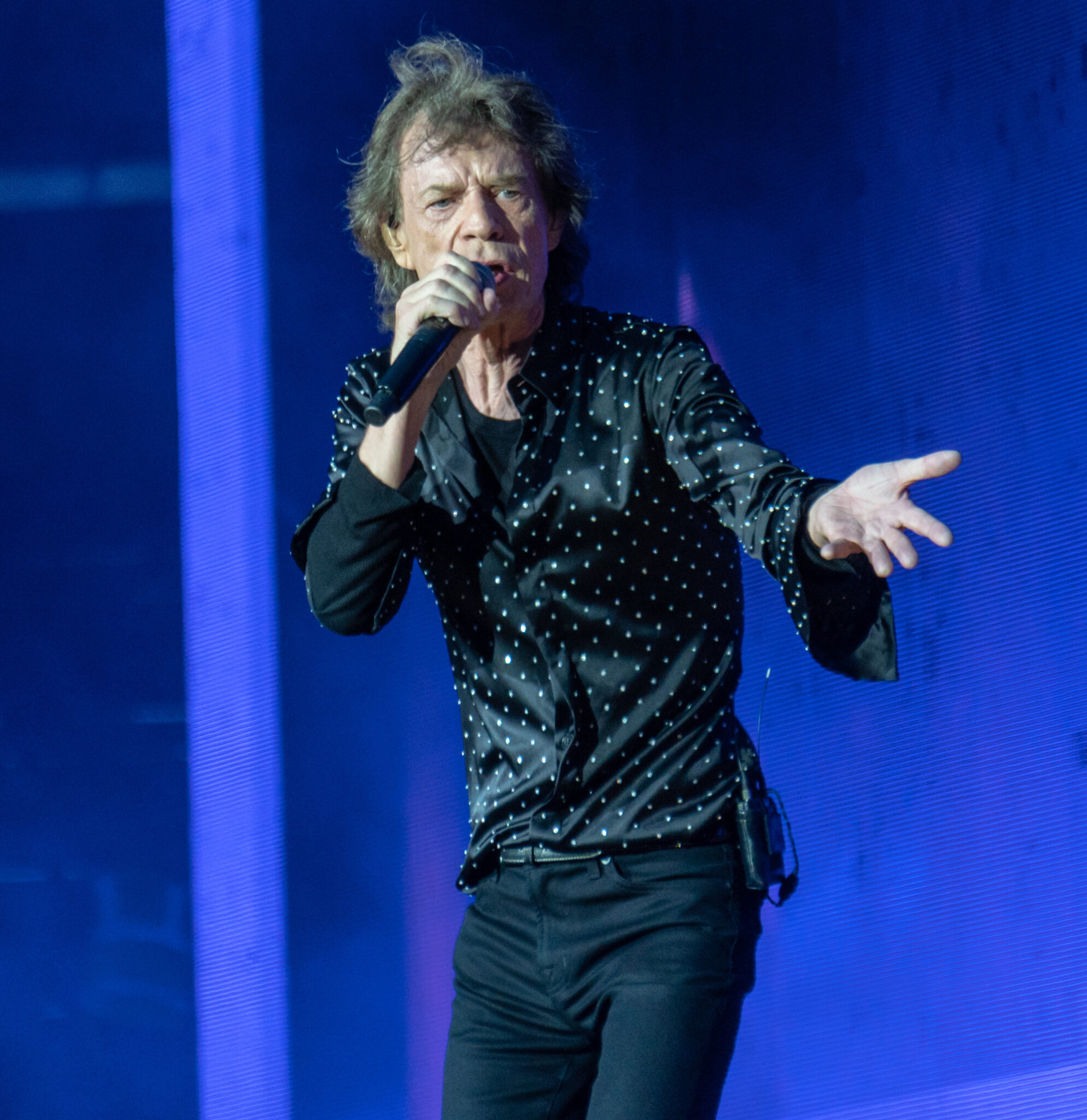
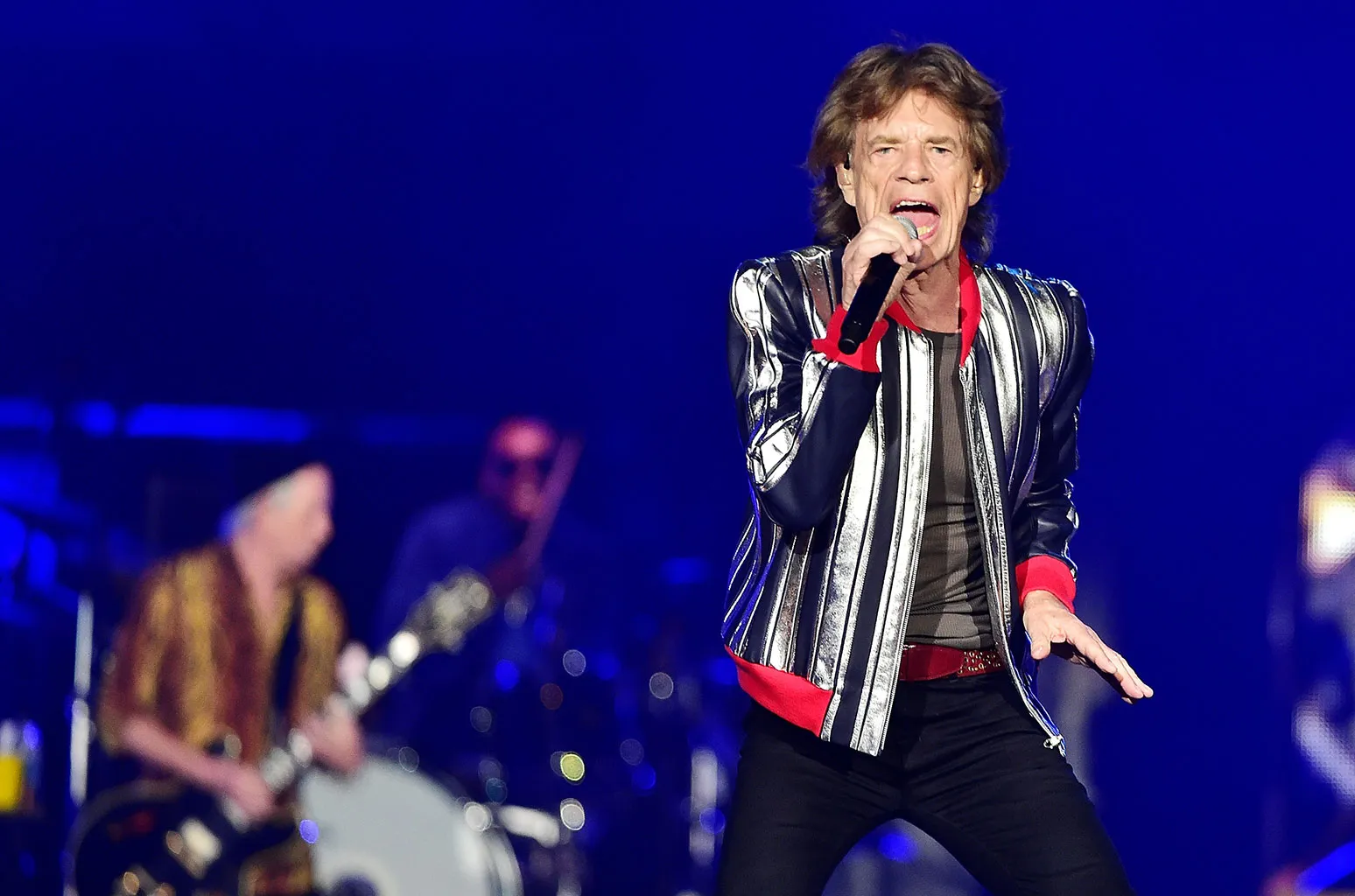
What Are Mick Jagger Images Worth? Fine Art, Vintage Prints, and Royalty Values
A vintage or fine art photograph of Mick Jagger can be worth anywhere from $50 for standard original press prints to $150,000 or more for rare, signed limited-edition works by master artists like Andy Warhol, David Bailey, or Terry O’N...
A vintage or fine art photograph of Mick Jagger can be worth anywhere from $50 for standard original press prints to $150,000 or more for rare, signed limited-edition works by master artists like Andy Warhol, David Bailey, or Terry O’Neill. Stock editorial digital licenses typically range between $50 and $1,500 per individual publication use.
Contents
Valuing Mick Jagger Photographs: Market Segment Overview
The market value of an image featuring Rolling Stones frontman Mick Jagger depends heavily on the context of the photograph, its medium, physical condition, and the legal rights attached to it. A collector seeking an original 1960s gallery-grade gelatin silver print operates in an entirely different financial tier than an publisher licensing a digital image for a magazine article.
To evaluate what a Mick Jagger image is worth, the photography and collectibles market is broadly split into three distinct segments: fine art limited-edition prints, vintage original press photographs, and commercial/editorial digital image licenses.
Mick Jagger Image Valuation Spectrum
| Fine Art & Limited Ed. | Vintage Press Photos | Digital Licensing |
|---|---|---|
| $1,500 – $150,000+ | $50 – $2,500 | $50 – $2,500+ per use |
| • Master photographers• Artist/Subject signed• Gallery/Auction market | • Wire service prints• Newspaper archives• Physical ephemera | • Editorial book/web• Commercial ads• Non-exclusive digital |
Limited Edition Fine Art Prints by Master Photographers
Fine art photography represents the top tier of value for physical prints of Mick Jagger. Throughout his six-decade career, Jagger has been photographed by many of the 20th century's most celebrated portrait photographers and visual artists.
High-end collector values fluctuate based on the photographer’s blue-chip status in the art market:
- Andy Warhol: Warhol’s 1975 Mick Jagger Series portfolio—comprising 10 screenprints published in an edition of 250, each hand-signed by both Warhol and Jagger—routinely commands between $40,000 and $150,000 per individual print at major auction houses like Christie’s and Sotheby’s. Complete 10-print portfolios sell in excess of $700,000 to $1,000,000+.
- Terry O’Neill: Known for candid, intimate portraits of rock icons, signed limited-edition silver gelatin or chromogenic prints by Terry O’Neill generally fetch between $3,000 and $25,000, depending on edition size and vintage status.
- David Bailey: As one of the primary photographers who documented the Swinging London era of the 1960s, Bailey’s classic monochrome portraits of a young Jagger typically range from $4,000 to $20,000.
- Ethan Russell, Gered Mankowitz, and Norman Seeff: Fine art prints from official Rolling Stones photographers during landmark albums (such as Exile on Main St. or Sticky Fingers) routinely sell between $1,500 and $8,000.
Vintage Press Photos and Original Wire Prints
Vintage press photos—often called wire service photos or black-and-white glossies—were produced in newsrooms and media agencies during the 1960s, 1970s, and 1980s for editorial distribution. Unlike fine art prints, press photos were printed on demand for immediate publication, often bearing date stamps, newsroom captions, and crop marks on the back (verso).
- Unsigned, Standard Press Wire Photos (1960s–1980s): Standard 8x10 agency prints (e.g., Associated Press, Keystone, UPI) typically range from $50 to $300.
- Rare Candidate Shots & Backstage Press Prints: Candid shots from early Rolling Stones tours (1963–1969) carrying clear provenance, original stamps, and minimal physical damage can sell for $300 to $1,500.
- Concert and Candid Paparazzi Prints: Physical prints from famous live performances (such as Altamont 1969 or Hyde Park 1969) hold higher historical demand, placing their valuation in the $500 to $2,500 bracket if they are original vintage prints made at or near the time of the event.
Digital Editorial and Commercial Licensing Rates
If you are calculating the value of digital image rights rather than physical prints, rates are determined by usage terms set by major stock archives (such as Getty Images, Alamy, and Shutterstock) or independent copyright holders:
- Standard Web Editorial License: Licensing a high-resolution digital image of Mick Jagger for online news, educational blogs, or digital publications costs between $50 and $250 per use.
- Print Publication Editorial License: Including a photo of Jagger in a printed book, biography, or national magazine ranges from $150 to $750, depending on circulation size and page placement (e.g., inside page vs. full cover).
- Commercial and Advertising Usage: Using a Mick Jagger photograph for commercial advertisements, branded merchandise, or promotional media requires explicit rights clearance, including personal likeness permissions managed by Jagger's estate/representatives. Licensing fees for commercial campaigns easily run into tens of thousands of dollars, assuming approval is granted.
Key Factors That Determine the Value of a Mick Jagger Image
Determining the precise financial value of a Mick Jagger print or digital photo requires evaluating several specific variables. Two seemingly identical black-and-white prints can differ in price by tens of thousands of dollars depending on these core factors.
Photographer Renown and Provenance
The primary value driver of any portrait photograph is the photographer behind the camera. Images captured by world-famous masters carry independent artistic value beyond the subject matter.
Provenance—the documented chain of ownership and history of the physical print—is essential. Prints originating directly from a renowned photographer’s studio, estate, or recognized gallery exhibitions command premium prices over prints purchased from anonymous third-party sellers without documentation.
Edition Size, Signatures, and Print Type
- Vintage Prints vs. Modern Reprint: A "vintage print" is a physical print created around the same time the negative was exposed (e.g., a print made in 1965 from a 1965 negative). Modern reprints made decades later from original negatives are worth significantly less—often 50% to 80% lower in market value.
- Signatures: Signatures dramatically increase value. An image signed by both Mick Jagger and the photographer represents the highest tier of collectible valuation. A photo signed only by the photographer carries strong fine art value, whereas a photo signed only by Mick Jagger appeals heavily to music memorabilia collectors.
- Edition Size: Limited editions capped at 10, 25, or 50 prints are worth far more than open-edition prints that can be produced indefinitely.
Historical Era and Subject Context
The era captured in the image directly affects collector demand:
- Early Era (1962–1969): Photographs capturing the early blues-rock origins of the Rolling Stones, the Swinging London scene, and iconic early tours command the highest historical premium.
- Classic Golden Era (1970–1981): Images from legendary albums (Sticky Fingers, Exile on Main St., Some Girls) and massive stadium tours remain highly sought after by fine art collectors.
- Modern Era (1982–Present): Later concert photography and modern portraiture generally hold lower collectible value unless taken by an exceptional contemporary photographer or produced as a strictly limited art edition.
Image Rights vs. Physical Ownership
A common point of confusion among collectors is the distinction between owning a physical print and owning the copyright.
Purchasing a physical photograph at auction or in an antique shop gives you physical ownership of that piece of paper. It does not give you the copyright, the right to reproduce the image, the right to sell digital copies, or the right to print merchandise. Copyright remains with the original photographer, their estate, or the agency that purchased the rights. An image tied to complete commercial copyright transfer is worth vastly more than a physical print sold without rights.
Price Breakdown: Mick Jagger Image Valuation Matrix
The following valuation matrix outlines current market ranges for physical prints, fine art, and licensing rights involving Mick Jagger photographs.
| Category / Medium | Typical Description | Signatures / Edition | Estimated Market Value | Primary Sales Channel |
|---|---|---|---|---|
| Fine Art Portfolio Print | Andy Warhol 1975 Screenprint | Signed by Warhol & Jagger (Ed. 250) | $40,000 – $150,000+ | Sotheby's, Christie's, Fine Art Galleries |
| Master Photographer Print | Terry O'Neill, David Bailey Silver Gelatin | Signed by Photographer (Ed. 10–50) | $3,000 – $25,000 | Fine Art Auction Houses, Rock Photography Galleries |
| Official Tour/Album Print | Ethan Russell, Gered Mankowitz Fine Art | Signed by Photographer (Limited Ed.) | $1,500 – $8,000 | Specialized Photography Dealers, Heritage Auctions |
| Vintage Original Wire Photo | 1960s/70s Newsroom Glossy Press Print | Unsigned / Newsroom Stamps on back | $50 – $1,500 | eBay, Ephemera Fairs, Collectible Auctions |
| Modern Open-Edition Print | Authorized Gallery Fine Art Reprint | Unsigned or Estate Stamped | $200 – $1,000 | Museum Shops, Gallery Retail Outlets |
| Standard Editorial Licensing | High-Res Digital Use for Web/Books | Non-exclusive Digital Rights | $50 – $750 per use | Getty Images, Alamy, Stock Agencies |
| Commercial Ad Licensing | Global Advertising / Campaign Rights | Rights Clearance Required | $10,000 – $100,000+ | Image Archives & Rights Management Clearance |
How Copyright and Licensing Affect Mick Jagger Photograph Values
Understanding legal restrictions around celebrity images is critical whether you own physical photographs or plan to publish digital photos of Mick Jagger.
- IMAGE USE DECISION TREE
- Is the image intended for commercial advertisement?
- YES: Requires dual clearance:
- Copyright Holder License
- Likeness Rights Approval (High Commercial Value)
- NO: Editorial / Fair Use:
- Standard Stock Fee
- Photo Attribution (Standard Licensing Value)
- YES: Requires dual clearance:
- Is the image intended for commercial advertisement?
Commercial vs. Editorial Fair Use Limitations
In media law, there is a strict divide between editorial use and commercial use:
- Editorial Use: Using a photograph of Mick Jagger to illustrate news articles, historical books, documentaries, or educational content is protected under standard editorial licensing. You do not need Mick Jagger’s personal permission, provided you license the copyright from the photographer or stock agency.
- Commercial Use: Using an image of Mick Jagger to sell a product, promote a corporate brand, or manufacture merchandise (t-shirts, posters, novelties) triggers Right of Publicity laws. You must secure two approvals: permission from the copyright owner of the photo, and explicit commercial likeness rights from Mick Jagger’s management team. Unapproved commercial usage can lead to legal action for infringement.
Rights-Managed vs. Royalty-Free Licensing
Most professional stock photographs of Mick Jagger are sold under Rights-Managed (RM) agreements rather than Royalty-Free (RF) terms.
Under a Rights-Managed license, the buyer pays based on exact usage parameters:
- Geographic territory (e.g., North America vs. Worldwide)
- Duration of use (e.g., 1-year web use vs. perpetual print license)
- Placement size (e.g., quarter-page interior vs. front cover)
Because high-profile rock photography is tightly controlled, true Royalty-Free licenses of original 1960s and 1970s Jagger photos are rare and usually command premium licensing prices.
How to Appraise and Sell Original Mick Jagger Photographs
If you own an original photograph, vintage press print, or fine art print of Mick Jagger and want to determine its market value or sell it, follow these three steps:
Step 1: Authentication and Provenance Verification
Before contacting buyers or auction houses, examine the physical object for key identification markers:
- Check the Reverse (Verso): Look for agency stamps (Associated Press, Keystone, UPI), photographer signatures, dates, hand-written editorial notes, or photo-paper watermarks (e.g., Agfa, Kodak, Ilford).
- Inspect the Paper: Authentic vintage prints from the 1960s were typically printed on fiber-based paper. Modern digital or ink-jet reproductions use resin-coated (RC) or heavy fine-art matte paper.
- Trace Ownership: Gather any original receipts, gallery certificates of authenticity (COA), or documentation showing how and when the photograph was acquired.
Step 2: Professional Photographic Appraisal
For prints suspected to be worth over $1,000, secure a formal valuation. Professional appraisers credentialed by organizations such as the Appraisers Association of America (AAA) or the International Society of Appraisers (ISA) provide certified valuation reports for insurance, estate planning, or sales preparation.
Note: Formal appraisal services incur flat or hourly rates; legitimate appraisers do not charge a percentage of the item's evaluated price.
Step 3: Selecting the Right Sales Channel
Choosing the correct platform depends directly on the segment your image belongs to:
- High-Value Fine Art ($3,000+): Consign to major international art auction houses (Christie's, Sotheby's, Phillips, Heritage Auctions) or specialized fine art photography galleries.
- Mid-Tier Fine Art & Autographed Items ($500–$3,000): Consign through pop-culture, rock-and-roll memorabilia auctions (Julien's Auctions, RR Auction) or reputable online rock photography marketplaces.
- Vintage Press & News Photos ($50–$500): Sell directly to collectors through online platforms like eBay, specialized ephemera fairs, or vintage music memorabilia dealers.
Frequently Asked Questions
What is the most expensive Mick Jagger image ever sold?
Screenprints from Andy Warhol's 1975 Mick Jagger Series hold the top auction records. Individual signed screenprints routinely sell between $40,000 and $150,000+, while complete 10-print signed portfolios have surpassed $700,000 at major fine art auctions.
How much is an unsigned vintage 1960s news photograph of Mick Jagger worth?
An original, unsigned black-and-white press print from the 1960s with authentic newsroom stamps or caption slips on the back is generally worth $50 to $300, depending on physical condition and the historical context of the shot.
Can I sell a photo I personally took of Mick Jagger at a concert?
Yes, you can sell physical prints of photos you took yourself as personal art or fine art collectibles. However, selling high volumes of prints commercially or licensing the image for corporate advertising requires clearing likeness rights, as celebrity right-of-publicity laws apply.
How much does it cost to license a photo of Mick Jagger for a book or website?
A digital editorial license for online news sites or personal blogs ranges from $50 to $250. For print books or magazines, editorial licensing ranges from $150 to $750 per image depending on print run, image size, and cover placement.
What is the difference between owning a photo print and owning the copyright?
Owning a physical print gives you physical possession of that item, allowing you to display, framed-hang, or resell that specific print. Owning the copyright gives you exclusive legal rights to duplicate, print, publish, license, or sell digital copies of the image. Copyright almost always remains with the original photographer unless legally transferred in writing.
Summary and Practical Next Steps
Determining the value of a Mick Jagger image requires identifying whether it is a fine art print, a vintage press photograph, or a digital licensing asset. Fine art signed by master photographers commands thousands to tens of thousands of dollars, whereas standard press wire prints trade between $50 and $500.
If you own a photograph you suspect is valuable:
- Inspect the back of the print for artist signatures, edition numbers, and newsroom stamps.
- Preserve the physical condition of the print by storing it in an acid-free sleeve out of direct UV light.
- Consult certified photography appraisers or major auction house valuation departments before listing the item for sale.
Image Gallery