Understanding the Phenomenon of White Monkeys in Japan: Biological and Cultural Context
The occurrence of white monkeys in Japan—most notably the Japanese macaque (Macaca fuscata)—is a rare biological phenomenon typically caused by leucism or, less frequently, albinism. These sightings often trigger significant local inte...
The occurrence of white monkeys in Japan—most notably the Japanese macaque (Macaca fuscata)—is a rare biological phenomenon typically caused by leucism or, less frequently, albinism. These sightings often trigger significant local interest due to the rarity of the color mutation within wild populations, occasionally leading to misidentifications of other white-furred animals or misinterpretations of cultural folklore regarding sacred white beasts.
Contents
Biological Basis for White Japanese Macaques
When observers report "white monkeys" in the wild, they are almost invariably encountering a Japanese macaque that exhibits a significant lack of melanin. To understand these occurrences, one must distinguish between two primary biological conditions: albinism and leucism.
Albinism is a hereditary condition characterized by a total or near-total absence of melanin pigment in the skin, hair, and eyes. True albino monkeys exhibit a lack of pigment in their irises, often resulting in pink or red eyes, and they are highly susceptible to vision problems and skin sensitivity due to a lack of UV protection.
Leucism, which is more commonly the cause of "white" animal sightings, is a broader condition that results in a partial loss of pigmentation. Unlike albinism, leucism does not necessarily affect the eyes. A leucistic macaque may possess a white or pale coat but retain normal eye coloration and some degree of dark pigment in the skin, such as on the muzzle or ears. In the context of the Japanese macaque, which naturally has thick, brown-to-grey fur, any individual displaying a predominantly white coat stands out starkly against the dark forest background of Japan’s mountainous regions.
Environmental Factors and Survival Challenges
The Japanese macaque is a highly resilient primate, famous for its ability to survive in the snowy, sub-arctic environments of Nagano and other northern prefectures. However, the survival of a white individual is significantly more precarious than that of its traditionally colored counterparts.
- Predatory Visibility: Japanese macaques are social animals that rely on camouflage to avoid predators, such as golden eagles or, historically, wolves. A white coat removes this biological advantage, making the individual highly visible to threats.
- Social Integration: Macaques maintain complex social hierarchies. Behavioral studies suggest that animals with drastic physical abnormalities may occasionally face challenges in social cohesion or mating, though Japanese macaques are generally known for high levels of group tolerance.
- Thermoregulation: While fur provides insulation, pigment plays a role in how an animal absorbs solar radiation. A white coat may offer different thermal properties in the intense sunlight of high-altitude alpine regions compared to the standard dark coat.
Geographic Distribution and Notable Sightings
Japanese macaques are distributed across the Honshu, Shikoku, and Kyushu islands. Reports of white monkeys are not restricted to a single troop; rather, they appear sporadically as spontaneous mutations across different regions.
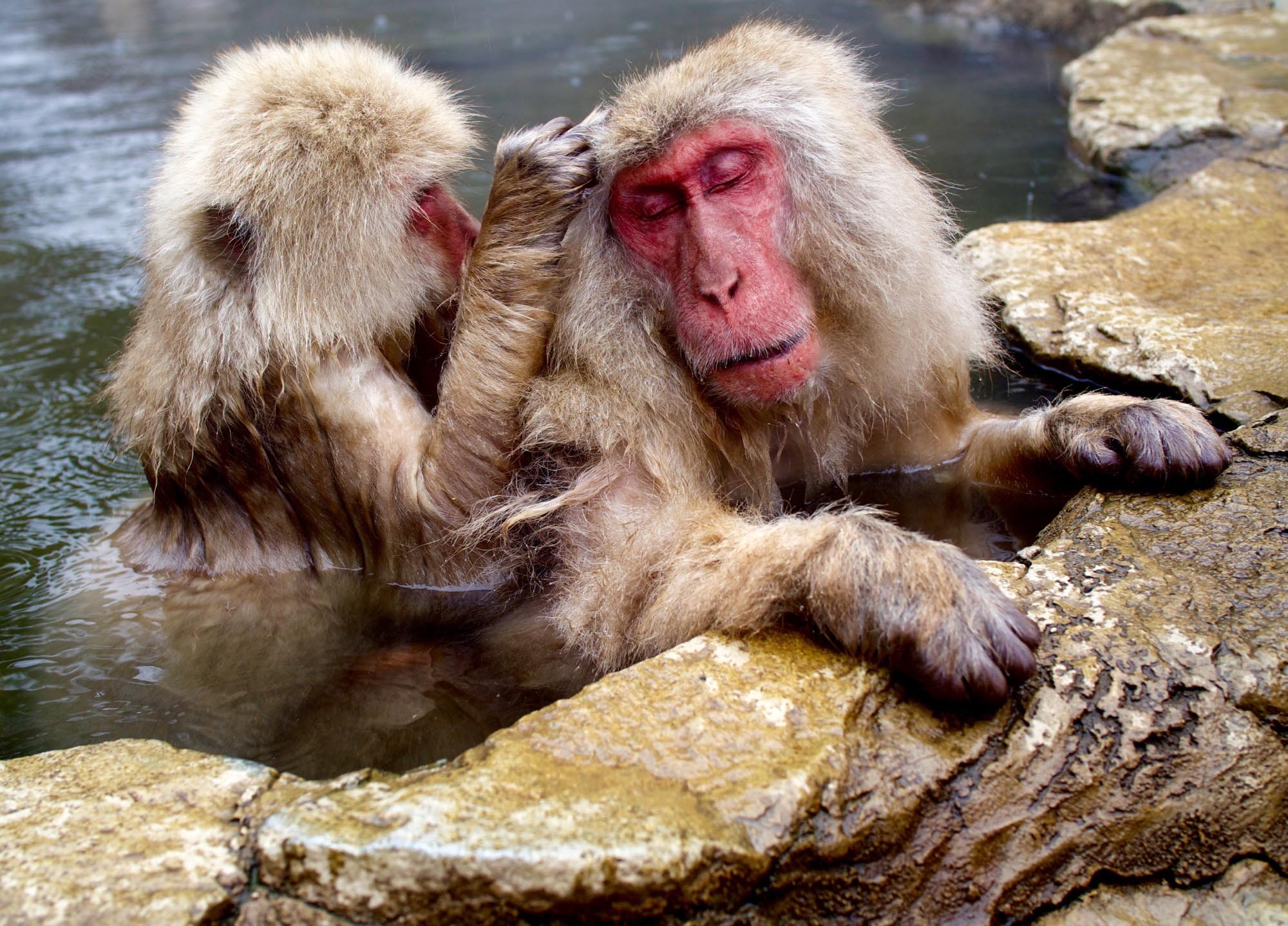
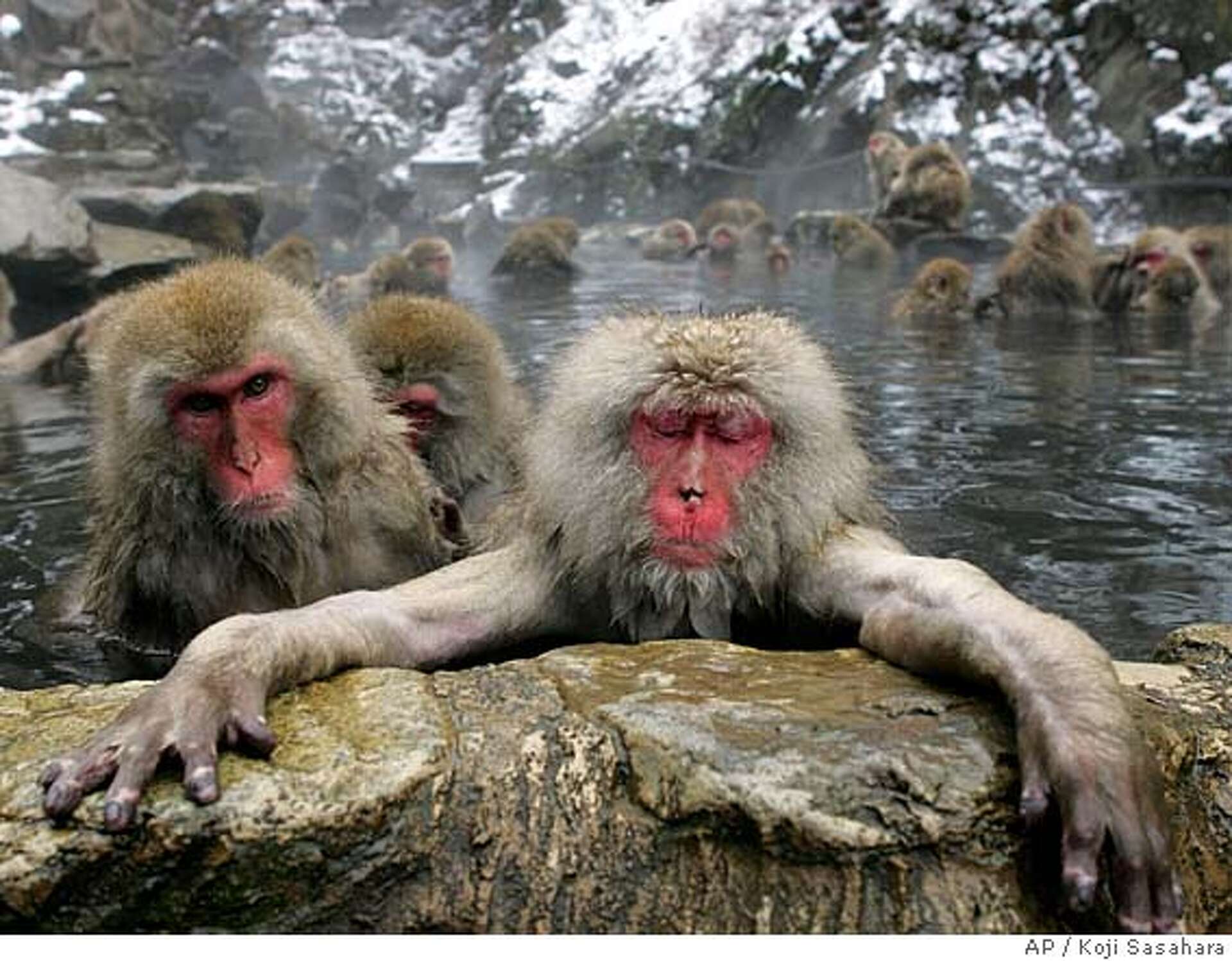
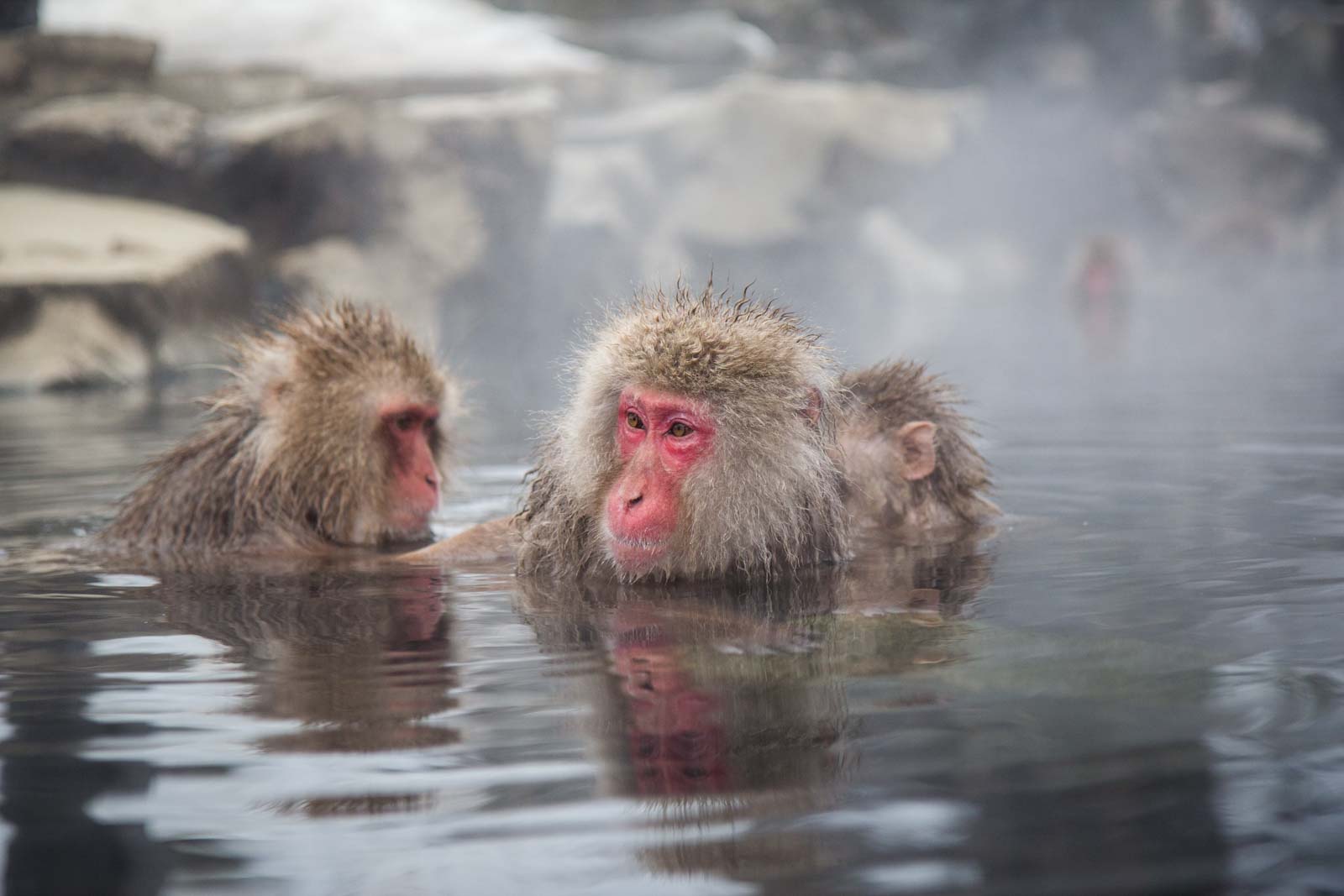
In recent years, local media in Japan has occasionally highlighted sightings of white or pale-furred macaques in areas known for tourism, such as the Jigokudani Monkey Park. However, it is essential to distinguish between a genetically white monkey and a monkey that is simply covered in snow or suffering from a skin condition. Many reported "white monkeys" are documented by local foresters or park rangers, who verify the animal's physical state over several months to determine if the color is permanent (genetic) or temporary (environmental).
Comparison of Pigmentation Variations
The following table outlines the key differences between standard Japanese macaques and those exhibiting abnormal coloration, providing a framework for identifying these individuals in the wild.
| Feature | Standard Japanese Macaque | Leucistic Macaque | Albino Macaque |
|---|---|---|---|
| Fur Color | Grey to Brown | White to Cream | Pure White |
| Eye Color | Dark Brown | Typically Dark | Pink/Red |
| Skin Pigmentation | Visible (Dark) | Partially Pigmented | Pink/Unpigmented |
| Frequency | Common | Rare | Extremely Rare |
| Sun Sensitivity | Low | Moderate | High |
Cultural Significance and Folklore
Japan has a deep-seated cultural reverence for white animals, which are often viewed as shiro-mono (white things) and considered auspicious or messengers of the divine (kami). In Shinto tradition, white creatures are frequently associated with mountain deities. When a white monkey is spotted in a forest, it often sparks local excitement, not just due to the scientific rarity, but because of the traditional association between monkeys (saru) and the protection of households or shrines.
It is important to clarify that there is no distinct "species" of white monkey in Japan. The term refers specifically to the Japanese macaque experiencing a phenotypic variation. Cultural folklore should be viewed as a separate layer of interpretation atop the underlying biological reality.
Frequently Asked Questions
Are white monkeys in Japan a separate species? No. White monkeys in Japan are simply Japanese macaques (Macaca fuscata) that exhibit genetic mutations like leucism or albinism. They are taxonomically identical to the rest of the troop.
Do white monkeys have a better life than normal monkeys? Contrary to what one might expect, white monkeys often face a harder life. Their lack of camouflage makes them easier targets for predators, and they may be more susceptible to sun-related skin damage.
Why do I see news reports about white monkeys more often now? With the proliferation of high-resolution trail cameras and smartphone photography in 2026, sightings that would have gone unnoticed in the past are now being captured and shared on social media, creating an illusion of increased frequency.
Is it safe to approach a white monkey? No. Japanese macaques are wild animals. Regardless of their color, they can be aggressive if they feel threatened or if they are protecting their troop. Observers should maintain a respectful distance and never attempt to feed or interact with them.
What should I do if I see a white monkey? If you encounter a white monkey, simply observe it from a distance. If you are in a protected area or a national park, you may report the sighting to the local ranger station; they are often interested in tracking the health and movement of genetically unique individuals within their jurisdiction.
Managing Expectations for Sightings
For those hoping to catch a glimpse of a white macaque, it is important to understand that there is no reliable "tour" or specific location where these individuals reside permanently. They move with their troops across vast forest territories. Relying on anecdotal reports from local tourist boards or social media is the most common way to locate them, but travelers should prioritize the experience of observing the macaques in their natural, social environment rather than seeking out a single, rare individual.
When visiting regions where macaques are known to inhabit, always follow the guidelines set by the Ministry of the Environment regarding wildlife interactions. Avoid making sudden movements, refrain from making direct eye contact, and never attempt to touch or feed the animals. By maintaining a passive observation stance, you ensure your safety and the well-being of the monkeys, allowing their unique traits to persist naturally within their ecosystem.
Image Gallery