How AUL Group Life Insurance Enrollment Works: A Comprehensive Guide
Enrolling in AUL (American United Life Insurance Company, a OneAmerica company) group life insurance typically involves electing coverage through your employer’s HR portal or benefits administration platform during an initial hire peri...
Enrolling in AUL (American United Life Insurance Company, a OneAmerica company) group life insurance typically involves electing coverage through your employer’s HR portal or benefits administration platform during an initial hire period or annual open enrollment. You must confirm your beneficiary designations, decide on supplemental coverage amounts, and provide any required medical evidence if enrolling for amounts exceeding the guaranteed issue limit.
Contents
Understanding the AUL Group Life Insurance Framework
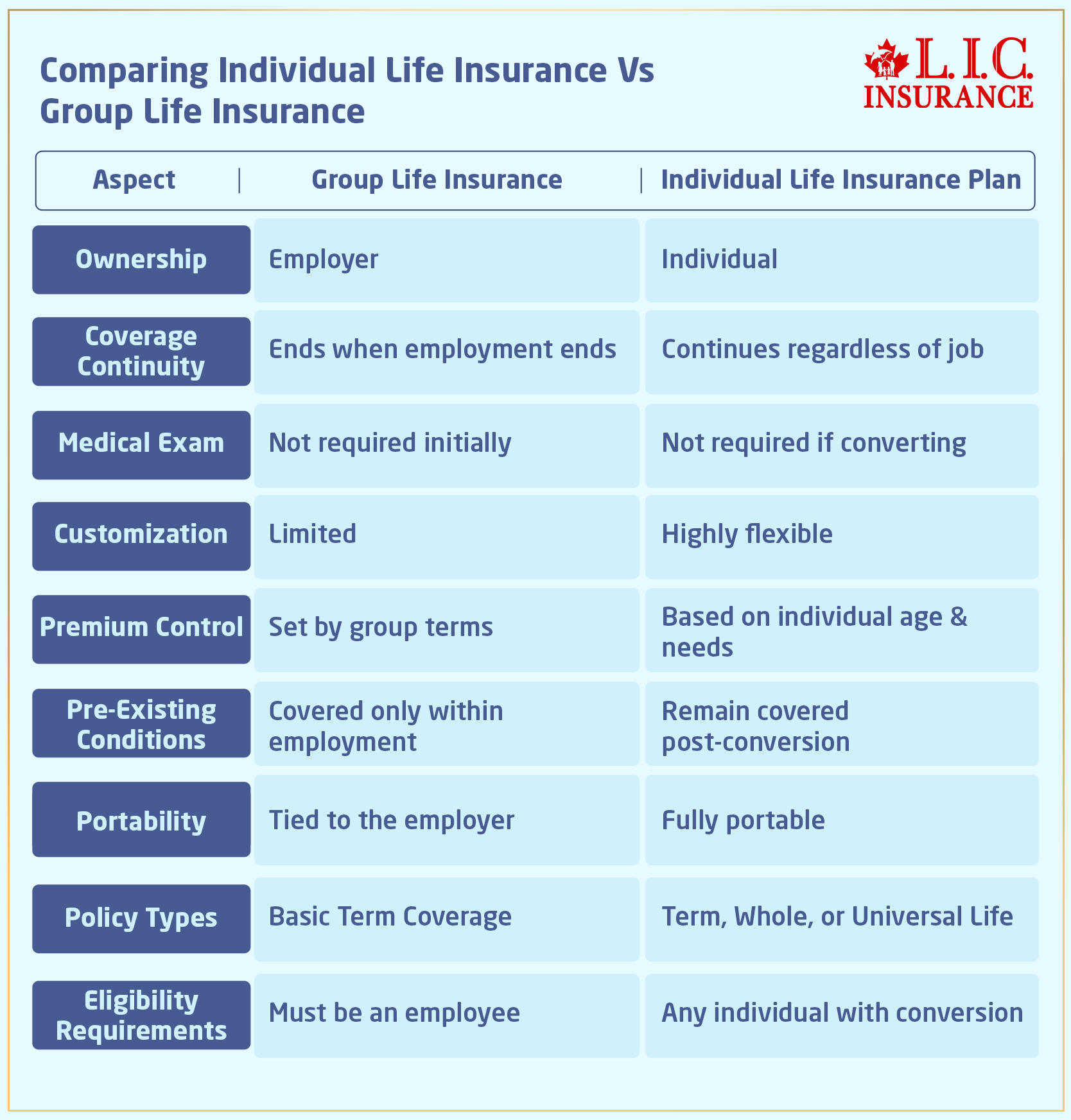
Group life insurance is a contract between an insurance carrier—in this case, AUL—and an employer or organization. Unlike individual life insurance policies, which you might purchase directly from an agent, group life insurance is a "fringe benefit" provided as part of your total compensation package. Because the policy is issued to the group (the employer), the enrollment process is streamlined and generally dictated by the employer’s internal benefits cycle.
When you enroll in an AUL group policy, you are participating in a system designed to provide affordable coverage, often without the need for extensive medical underwriting. Understanding the mechanics of this process ensures that you maximize the coverage available to you and your family while avoiding common administrative pitfalls that could result in a lapse of benefits.
The Enrollment Lifecycle: When and How to Join
Enrollment is not a continuous, year-round activity for most employees. It is tethered to specific timeframes governed by the insurance contract and your employer’s administrative calendar.
1. Initial Eligibility (New Hire Enrollment)
When you first join an organization, you are typically granted an "eligibility period"—often the first 30 or 60 days of employment. This is the most crucial time to enroll because many group plans offer "guaranteed issue" amounts. Guaranteed issue refers to a specific amount of coverage you can purchase without answering health questions or undergoing a physical exam. If you miss this window, you may be required to provide Evidence of Insurability (EOI) for even basic coverage levels later.
2. Annual Open Enrollment
If you missed your initial eligibility window or wish to change your coverage levels, you must wait for the annual open enrollment period. This occurs once per year, usually in the fourth quarter. During this time, you can increase your supplemental life coverage, add dependent coverage, or update beneficiary information without needing a "qualifying life event."
3. Qualifying Life Events (QLEs)
If you experience a major life change—such as marriage, the birth or adoption of a child, or a change in your spouse’s employment status—you may be eligible for a special enrollment period. These events allow you to adjust your life insurance elections outside of the standard open enrollment window, provided you submit the request within 30 days of the event.
Navigating the Technical Enrollment Process
Most modern employers utilize an integrated benefits administration portal (such as Workday, ADP, or a proprietary platform) to manage AUL policy elections. The process generally follows this sequence:
- Access the Portal: Log into your company’s HR dashboard. Navigate to the "Benefits" or "Enrollment" tab.
- Review the Summary Plan Description (SPD): Before making elections, locate the SPD for the AUL life insurance plan. This document details the maximum coverage amounts, the cost per thousand dollars of coverage, and the "portability" or "conversion" features that allow you to take the insurance with you if you leave the company.
- Calculate Coverage Needs: Evaluate your financial obligations. Determine if the basic coverage provided by your employer (often a flat dollar amount or a multiple of your salary) is sufficient, or if you need to add "Supplemental" or "Voluntary" life insurance.
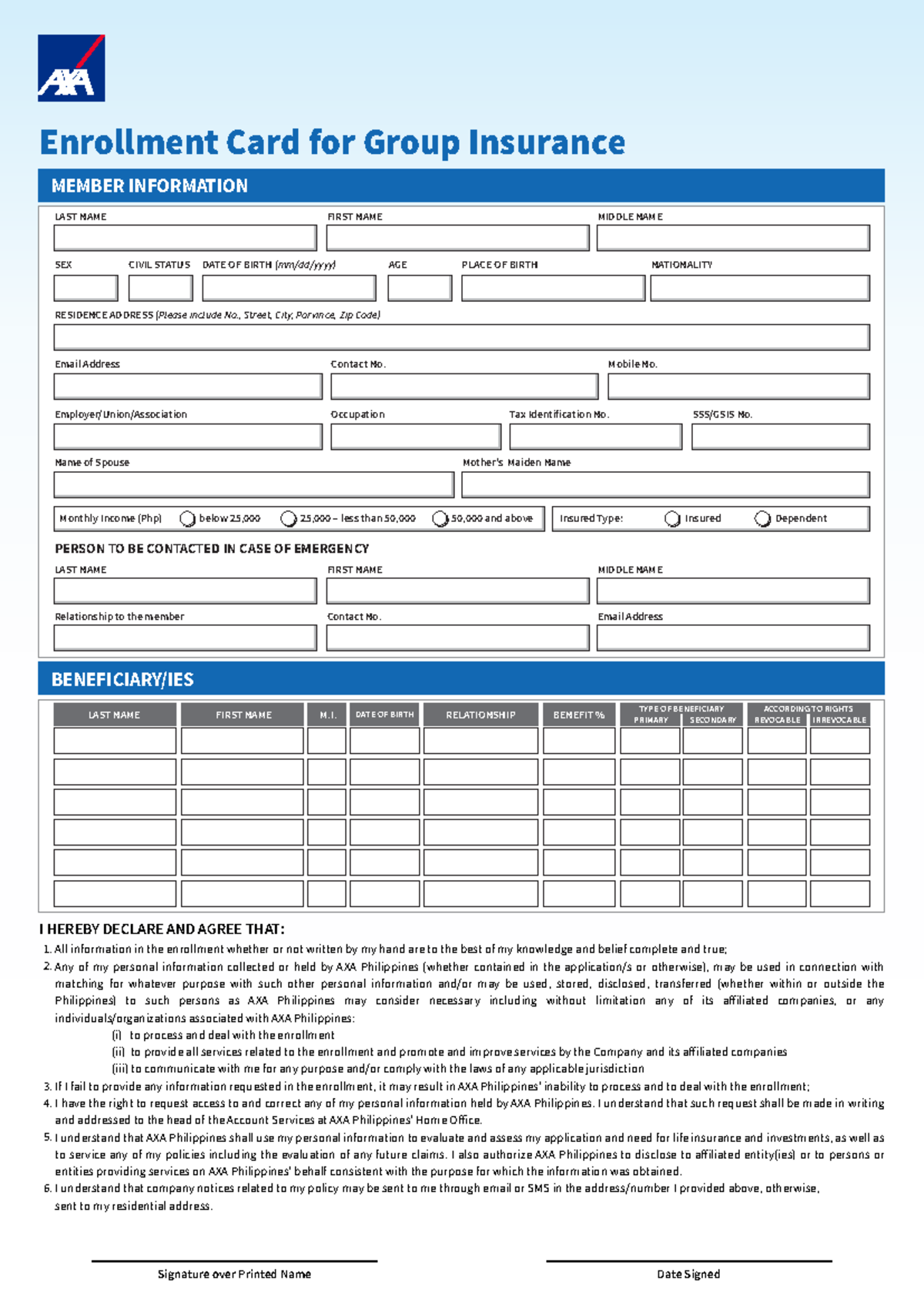
- Designate Beneficiaries: This is the most critical step. You must provide the legal names, dates of birth, and Social Security numbers of your primary and contingent beneficiaries. AUL cannot pay out a claim efficiently without clear, up-to-date instructions.
- Submit Evidence of Insurability (EOI): If you elect an amount higher than the guaranteed issue limit, the portal will prompt you to complete an EOI form. This is a medical questionnaire that AUL underwriters use to determine if the additional risk is acceptable.
Comparing Basic vs. Supplemental Coverage
| Feature | Basic Group Life | Supplemental (Voluntary) Life |
|---|---|---|
| Cost | Usually paid by the employer | Paid by the employee via payroll deduction |
| Coverage Amount | Flat amount or salary multiple | Multiples of salary up to a plan cap |
| Medical Exams | Rarely required | Often required for higher amounts |
| Portability | Usually terminates at separation | Often portable (if elected at enrollment) |
Evidence of Insurability (EOI) Explained
The EOI process is often misunderstood. It is not an arbitrary hurdle but a risk-management tool. When you apply for a high level of coverage, AUL must assess the financial risk. EOI involves answering questions about your medical history, smoking status, height/weight, and recent hospitalizations.
If you are required to submit EOI, do so immediately. Delays in completing this paperwork can result in your coverage remaining at the lower, "guaranteed" level, which may leave your financial planning objectives unfulfilled. Once submitted, AUL will notify your HR department of the approval or denial, and your payroll deductions will be adjusted accordingly.
Common Pitfalls and Troubleshooting
- Forgetting to Update Beneficiaries: Life changes (divorce, marriage, death of a relative) require immediate updates to your beneficiary form. An old beneficiary designation on file with AUL may supersede a newer will or trust in certain jurisdictions.
- Assuming Coverage is Portable: Not all group life insurance policies can be taken with you when you leave your job. Check the policy documents specifically for "Portability" or "Conversion" provisions. If the policy is portable, you must apply for it within a specific window (usually 31 days) after your employment ends.
- Miscalculating Deduction Impacts: Ensure you understand the net effect of your life insurance premiums on your paycheck, especially if your premiums are age-banded—meaning the cost per thousand dollars increases as you get older.
Frequently Asked Questions
What happens if I miss the initial enrollment deadline? If you miss your initial enrollment window, you will generally be unable to enroll in supplemental coverage until the next annual open enrollment period, unless you experience a qualifying life event. For some plans, you may be considered a "late entrant," which could require EOI even for smaller coverage amounts.
Can I name a minor as a beneficiary? While you can technically name a minor, AUL and other insurance companies often cannot pay death benefits directly to a minor. It is generally recommended to establish a trust or name a legal guardian to receive the funds on the minor’s behalf.
Is my life insurance taxable? Generally, the death benefit paid to a beneficiary is not subject to income tax. However, the premiums paid by your employer for coverage exceeding $50,000 may result in "imputed income," which is a taxable benefit reported on your W-2.
How do I verify that my enrollment was successful? After submitting your elections in your company portal, you should receive a confirmation statement or email. Review this document carefully to ensure the coverage amounts and beneficiary information are correct. You can also contact your HR benefits department to request a copy of your "Enrollment Confirmation" for your records.
Does my AUL insurance cover me if I am on a leave of absence? Policies vary based on the contract between AUL and your employer. Some plans continue coverage during FMLA or short-term disability, while others may require you to pay premiums directly to your employer to maintain the coverage. Consult your HR handbook for "leave of absence" benefits policies.
Next Steps and Recommendations
To ensure your enrollment is handled correctly, start by reviewing your company’s benefits portal today. Locate your current beneficiary designations—these are often outdated and are the most common source of complications during the claims process. If you are opting for supplemental coverage, verify your total elected amount against the "Guaranteed Issue" limit provided by your employer. If you find your current coverage is insufficient, prepare your medical history information before the next open enrollment period to streamline the EOI process. Finally, keep a digital or physical file of your AUL plan documents; having your policy certificate number readily available will save your beneficiaries significant time and stress during a future claim.
Image Gallery