Understanding Electrical Conductors: Materials and Physical Properties
Electrical conductors are materials that permit the flow of electric charge with minimal resistance. This ability is defined by the presence of "free" or delocalized electrons within the material’s atomic structure, which move easily t...
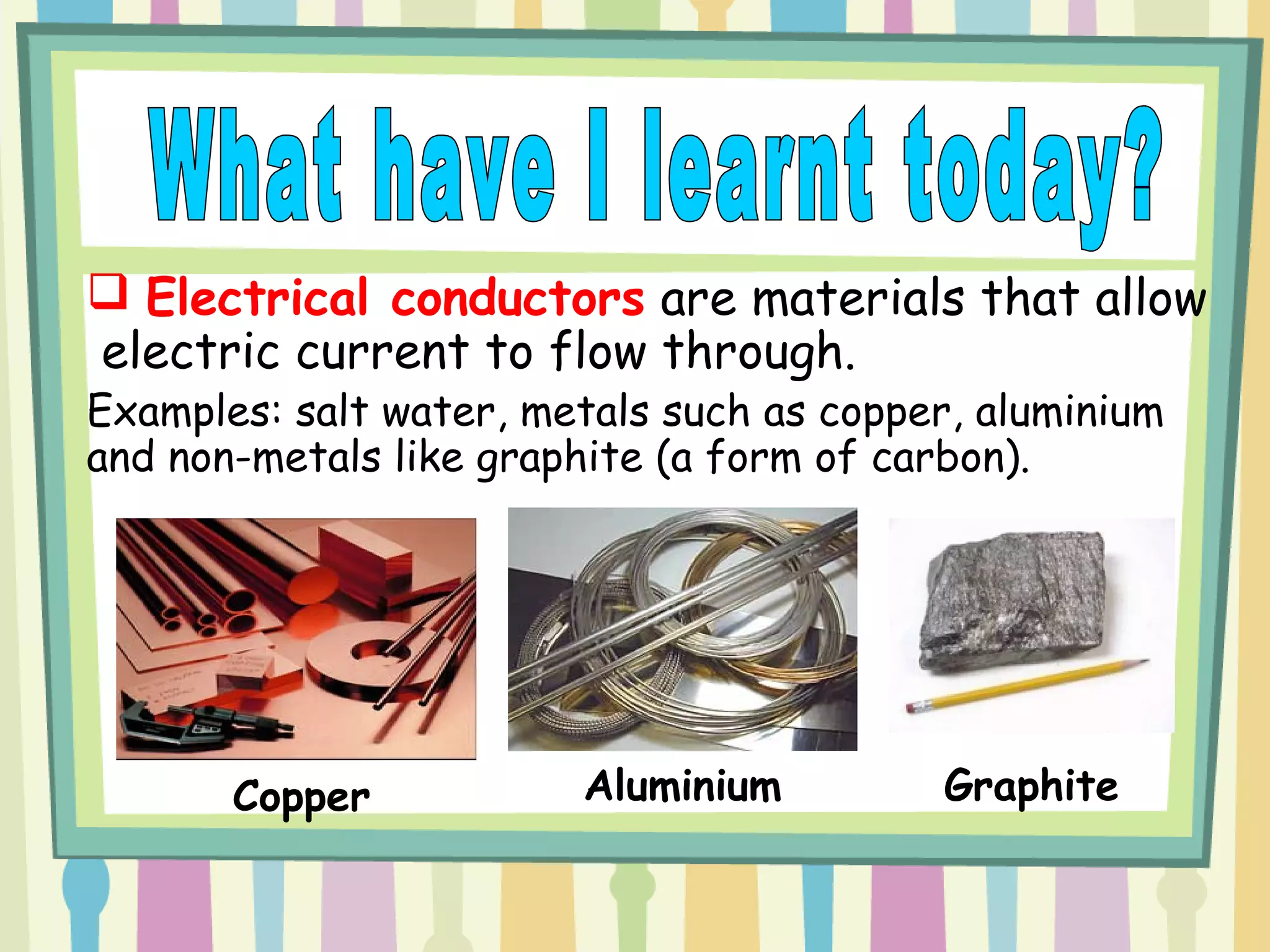
Electrical conductors are materials that permit the flow of electric charge with minimal resistance. This ability is defined by the presence of "free" or delocalized electrons within the material’s atomic structure, which move easily through the lattice when an electromotive force is applied. Metals like copper, silver, and aluminum are the most common conductors utilized in industrial and consumer electronics due to their high electron mobility and structural stability.
Contents
The Atomic Basis of Electrical Conductivity
To understand why certain materials function as conductors, one must examine the behavior of valence electrons. In metallic bonding, atoms share their outer-shell electrons in a "sea" of charge. Because these electrons are not tightly bound to a single nucleus, they are free to drift through the material. When a voltage is applied across the ends of such a material, these electrons migrate from the negative terminal toward the positive terminal, creating an electric current.
The efficiency of this process depends on the material’s resistivity—a property that measures how strongly a material opposes the flow of electric current. Lower resistivity translates to higher conductivity. Factors influencing this performance include temperature, purity of the material, and the physical cross-sectional area of the conductor.
Primary Metallic Conductors
Metals are the gold standard for electrical conductivity. While many elements conduct electricity to some degree, a select few are prioritized based on cost, durability, and conductivity ratings.
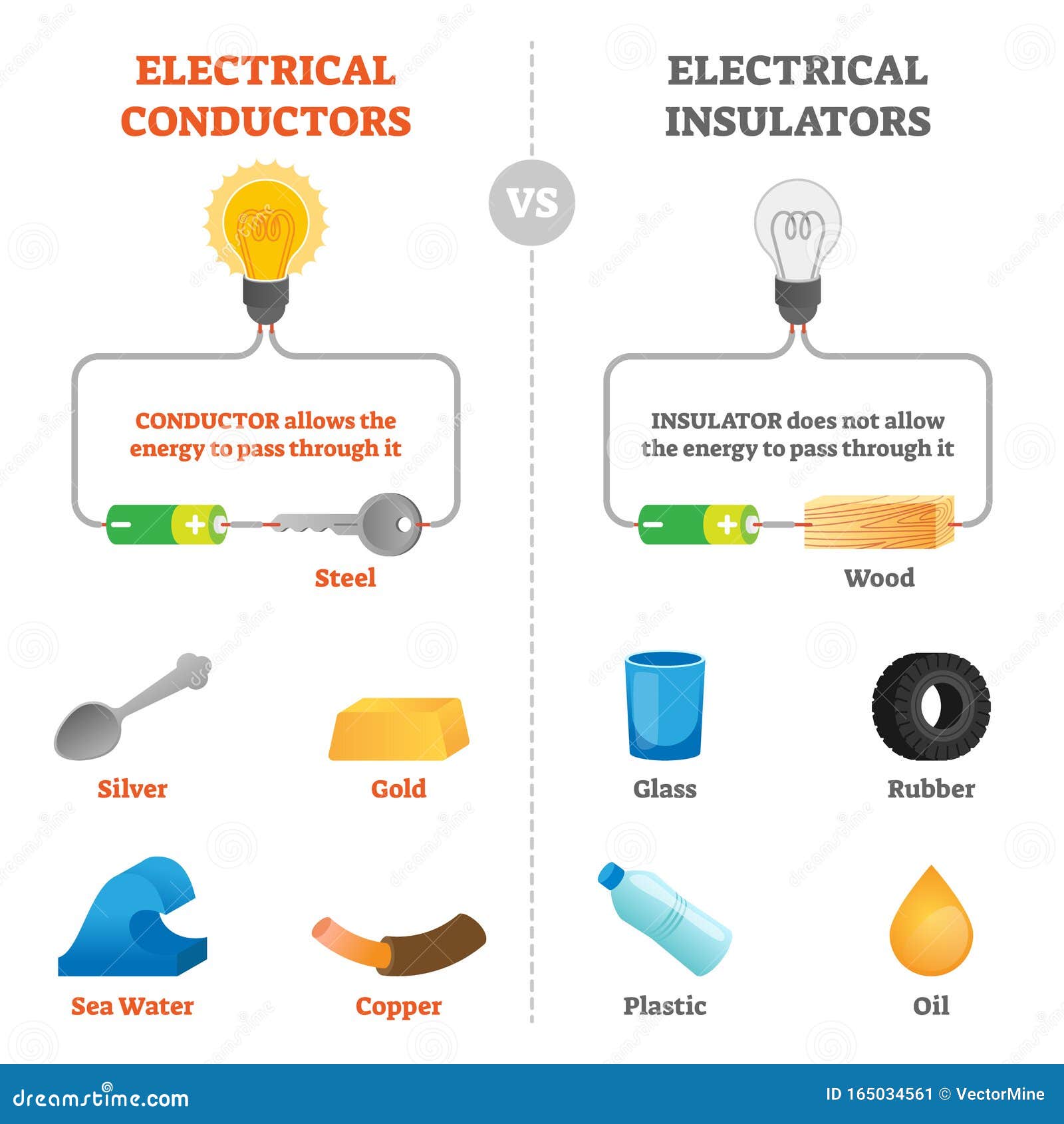
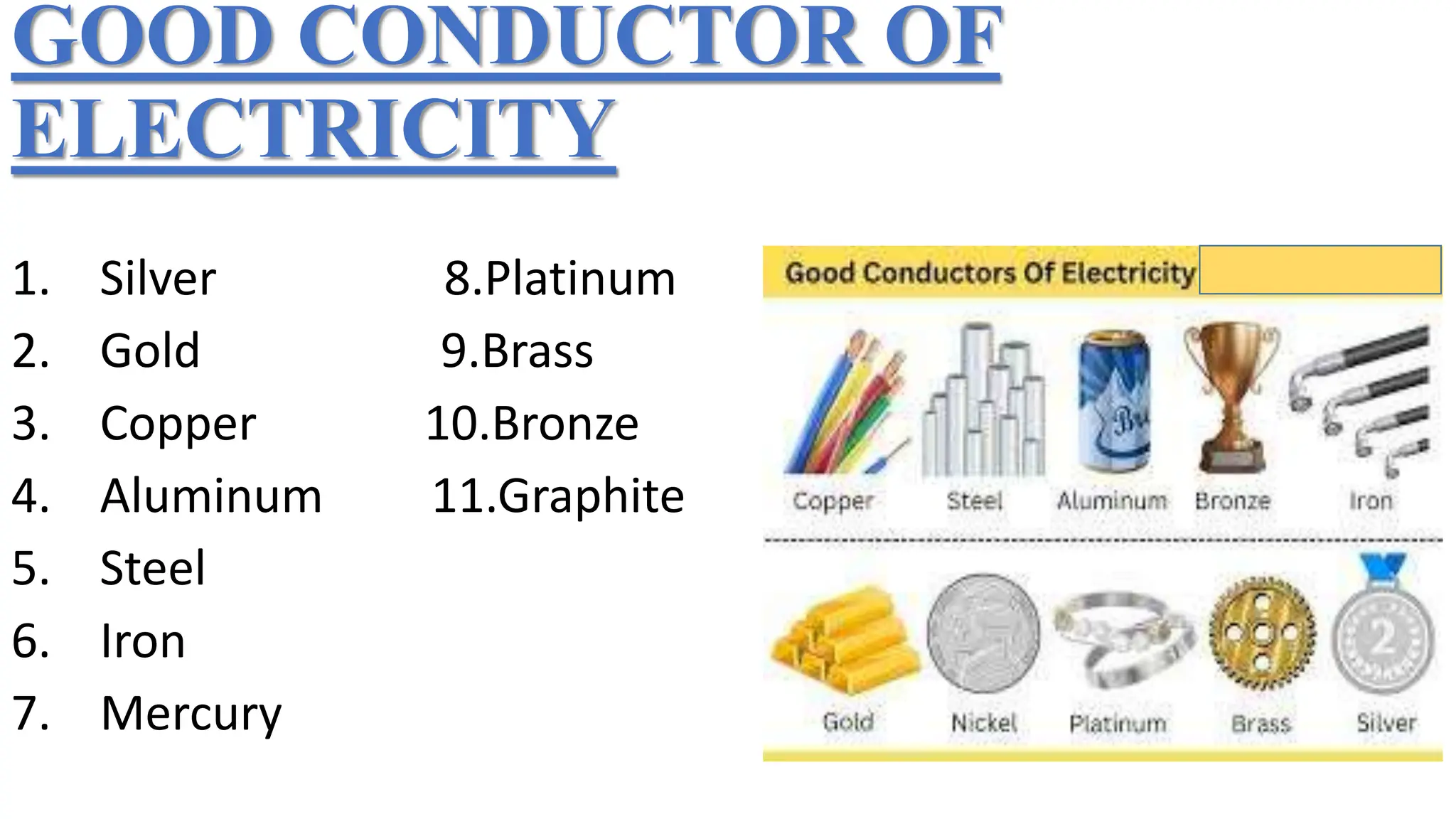
- Silver: Silver possesses the highest electrical conductivity of any metal. It is highly resistant to oxidation, making it ideal for specialized applications like high-end audio equipment, satellite circuitry, and microscopic electrical contacts. However, its high market cost limits its use in large-scale infrastructure.
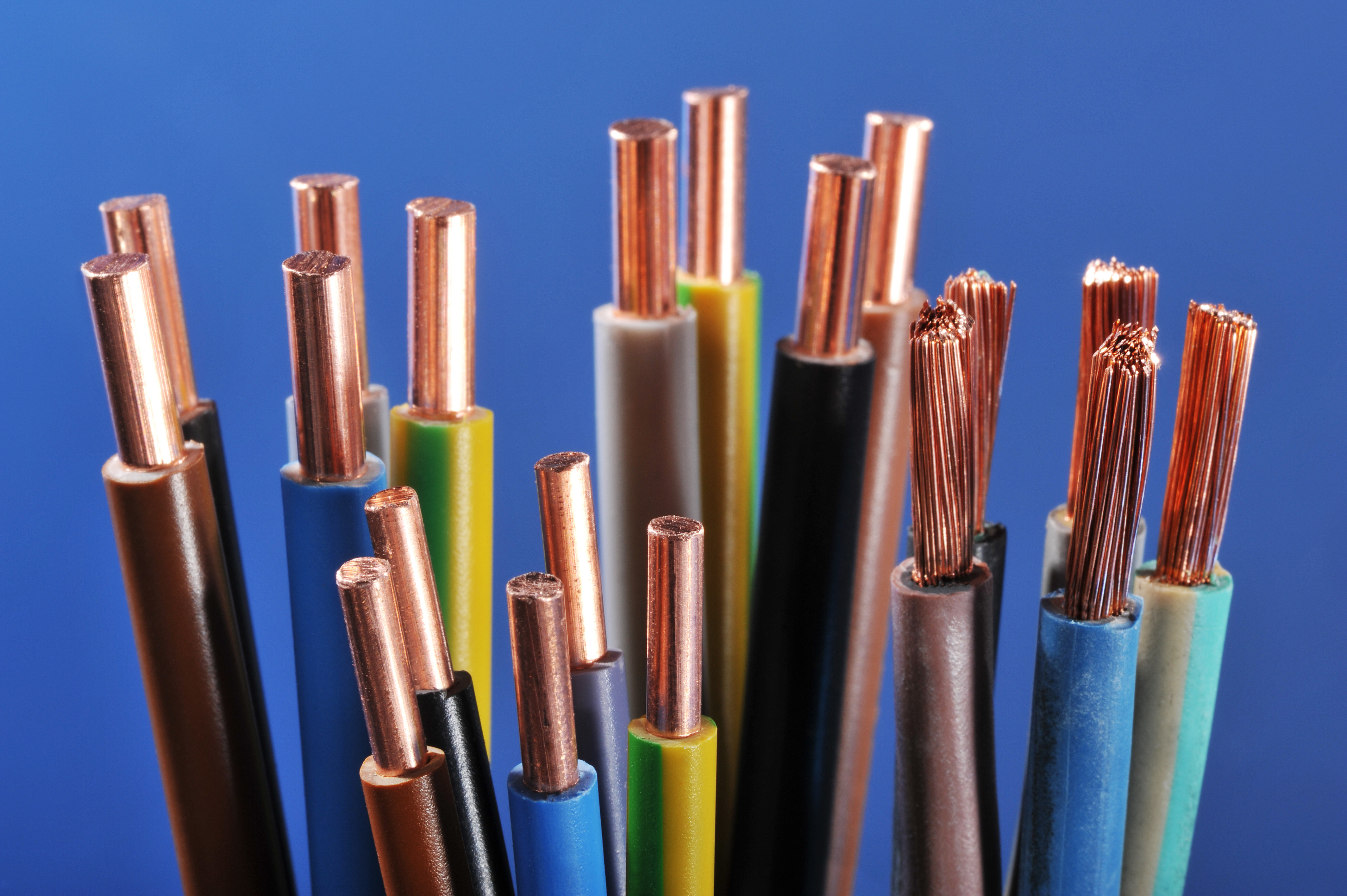
- Copper: Copper is the global standard for electrical wiring. It offers an excellent balance between cost, corrosion resistance, and high conductivity. Because it is ductile, it can be drawn into thin wires without losing structural integrity, making it indispensable for residential, commercial, and industrial power distribution systems.
- Gold: While less conductive than silver or copper, gold is chemically inert and does not corrode. This makes it the preferred material for coating connectors, pins, and relay contacts where long-term reliability in humid or harsh environments is required.
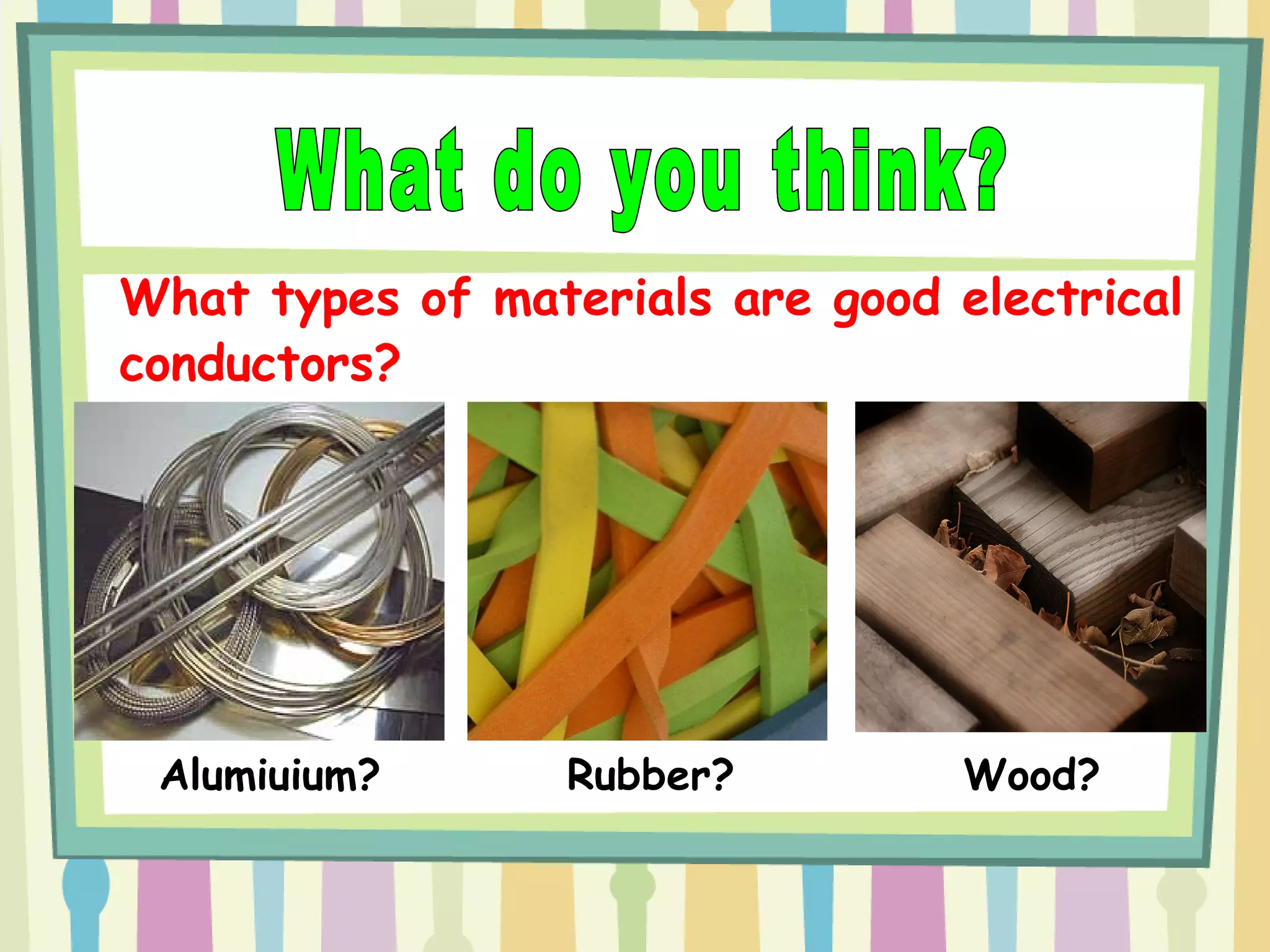
- Aluminum: Aluminum is significantly lighter than copper and more cost-effective for long-distance power transmission. While it has higher resistivity than copper, its low density allows for longer spans between utility poles, reducing the total cost of materials and structural support in high-voltage grids.
Comparison of Conductive Materials
When choosing a material for a specific electrical application, engineers evaluate conductivity relative to cost and environmental durability. The table below outlines key properties of common conductive materials.
| Material | Relative Conductivity (IACS*) | Key Application | Primary Limitation |
|---|---|---|---|
| Silver | 105% | Precision electronics | High cost |
| Copper | 100% | Building wiring | Subject to theft/price volatility |
| Gold | 70% | Connector plating | Expensive for bulk use |
| Aluminum | 61% | High-voltage grids | Galvanic corrosion |
| Brass | 28% | Plumbing/connectors | Lower efficiency |
*International Annealed Copper Standard (IACS) sets pure copper at 100%.
Non-Metallic and Advanced Conductors
While metals dominate, other materials demonstrate significant conductive properties in specific contexts:
- Electrolytic Solutions: Liquids containing dissolved ions, such as salt water or battery acid, are excellent conductors. In these materials, the charge is carried by the movement of ions rather than electrons. This principle is fundamental to the operation of lead-acid and lithium-ion batteries.
- Carbon-Based Conductors: Graphite is a non-metallic material capable of conducting electricity. It is frequently used in brushes for electric motors and in high-temperature applications where metals might melt or lose structural integrity.
- Conductive Polymers: Modern material science has developed polymers that mimic the conductive properties of metals while remaining lightweight and flexible. These are currently utilized in antistatic packaging, flexible circuit boards, and organic light-emitting diode (OLED) displays.
- Superconductors: Certain materials, when cooled below a "critical temperature," exhibit zero electrical resistance. While traditionally limited to laboratory settings using liquid nitrogen or helium, ongoing research in room-temperature superconductivity remains a major area of exploration for future power grids.
Operational Constraints and Safety
The practical use of conductors is limited by two major factors: heat and insulation.
- Thermal Effects: As current flows through a conductor, collisions between moving electrons and the atoms of the material generate heat—a phenomenon known as Joule heating. If the current exceeds the wire's capacity (ampacity), the material can melt or ignite surrounding insulation. This is why electrical codes, such as the National Electrical Code (NEC), define strict gauge requirements for wiring based on expected current loads.
- Oxidation and Corrosion: Metals that are exposed to air or moisture may develop a surface layer of oxide. This layer acts as an insulator, increasing contact resistance and potentially causing the connection to overheat. Specialized pastes and shielding are used in industrial environments to prevent this degradation.
Factors Influencing Material Selection
Selecting the right conductor requires balancing the technical requirements of the load against the lifecycle costs of the material.
- Environmental Exposure: In marine or high-humidity environments, copper must be tinned or protected to prevent "green rot" (copper oxidation).
- Weight Constraints: In aerospace engineering, weight is critical. Aluminum or aluminum-clad copper is often preferred over pure copper to reduce fuel consumption and stress on structural members.
- Frequency of Signal: At very high frequencies, the "skin effect" becomes relevant, where electrons travel only on the outer surface of a conductor. In these scenarios, silver plating over a cheaper base metal is often the most efficient way to maximize performance while minimizing expenditure.
Troubleshooting Common Conductor Issues
When electrical systems fail, the culprit is often not the material itself, but the connection point.
- Loose Connections: High resistance at a connection point (a splice or terminal) leads to localized heating. If you notice discoloration or melting on the insulation of a wire, the connection is likely loose or oxidized and should be cleaned and tightened or replaced.
- Galvanic Corrosion: Mixing two different metals, such as copper and aluminum, in the presence of moisture leads to galvanic corrosion. This destroys the integrity of the connection. Use specialized anti-oxidant joint compounds or bimetallic lugs to safely transition between different conductor types.
- Voltage Drop: Over long distances, even highly conductive materials experience a drop in voltage. If a tool or appliance is not receiving enough power, verify that the conductor's gauge is sufficient for the length of the run.
Frequently Asked Questions
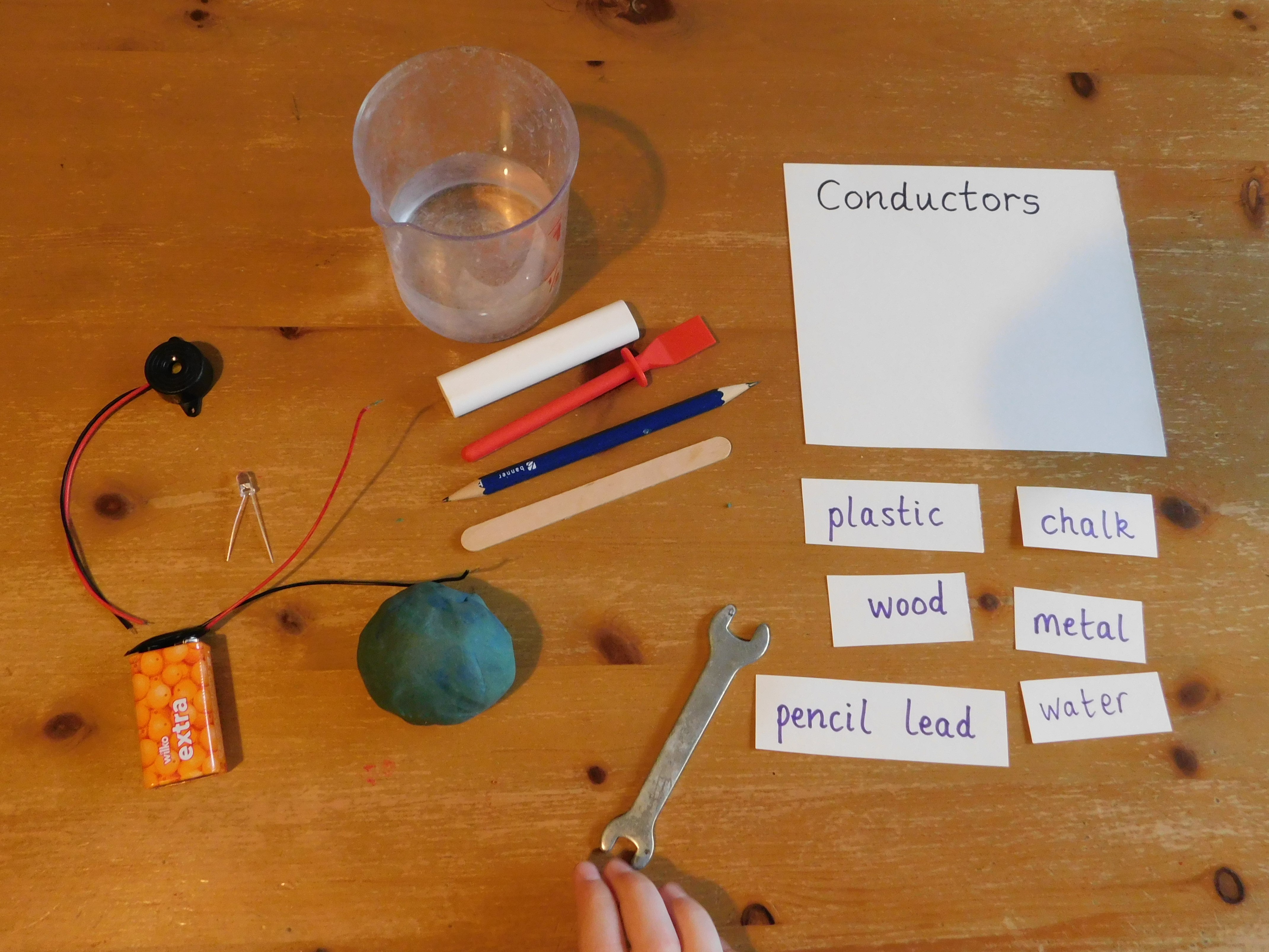
Is water an electrical conductor? Pure, distilled water is a poor conductor, but standard tap water or seawater is highly conductive because of the dissolved minerals and salts. These impurities provide the ions necessary to carry an electrical charge through the liquid.
Why is aluminum used in power lines if it is less conductive than copper? Aluminum is much lighter and cheaper than copper. For long-distance transmission, the weight savings allow for fewer towers and longer spans, which significantly lowers the total project cost, compensating for the need for a thicker cable to handle the same current.
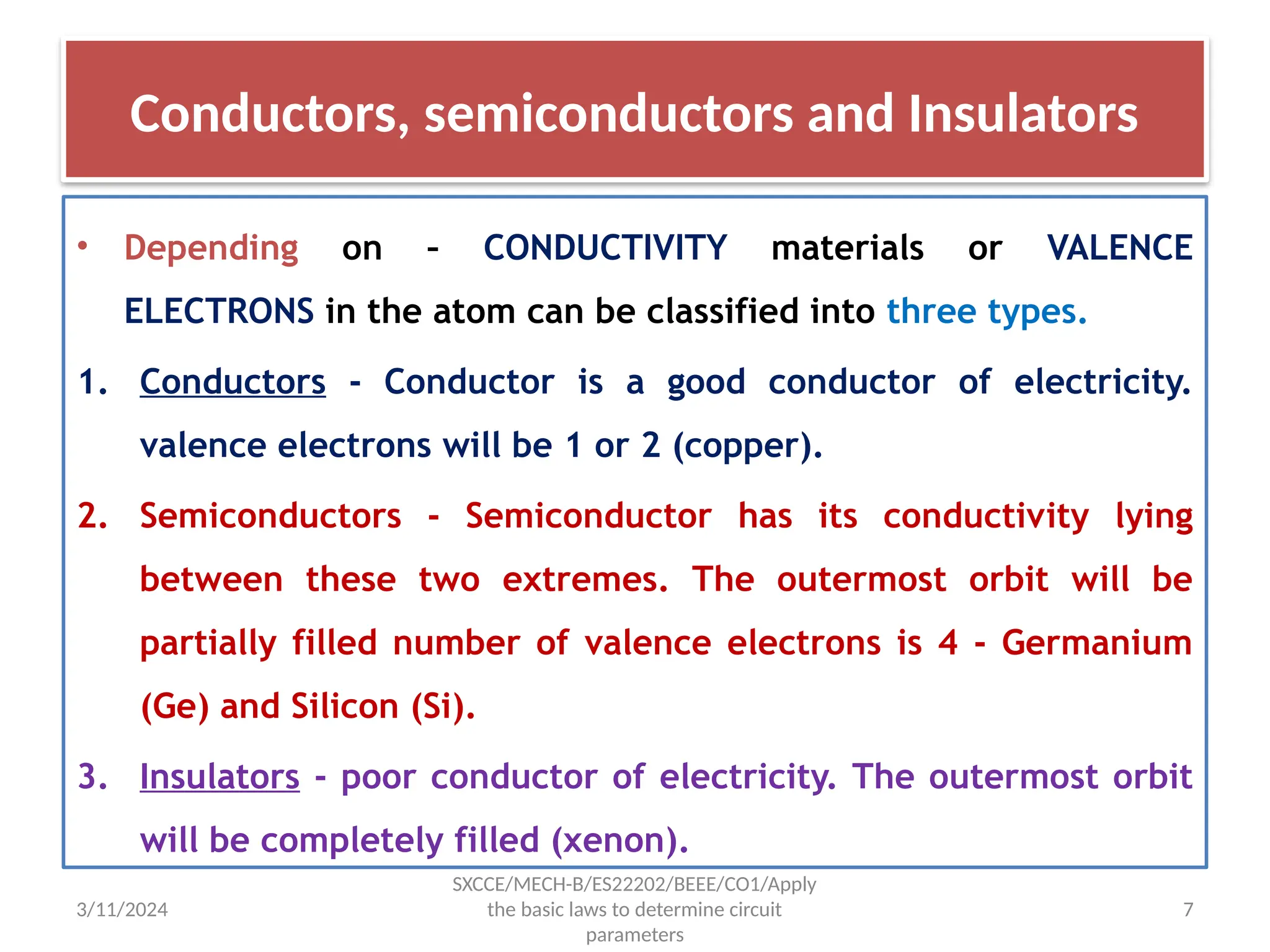
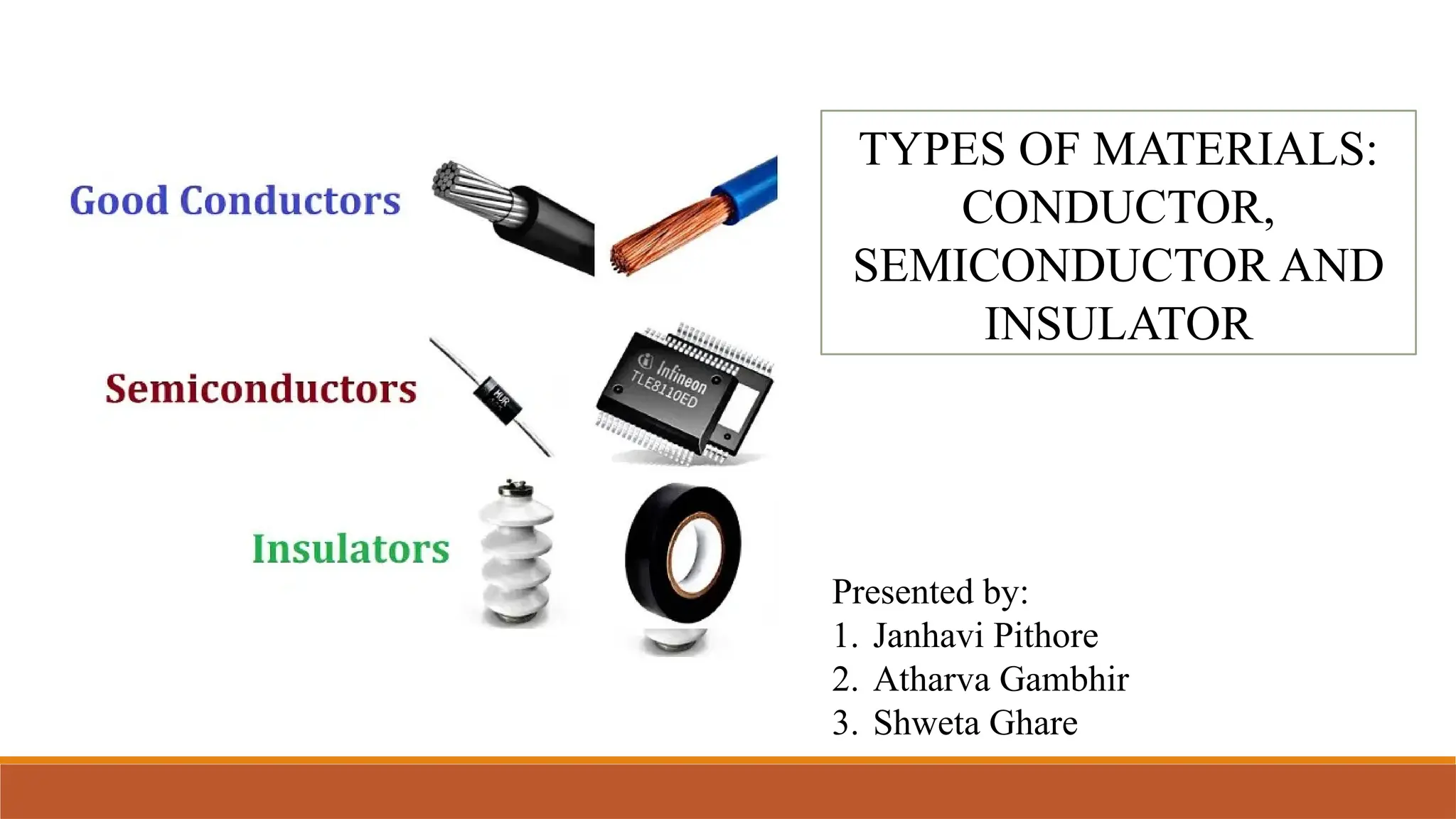
What is the difference between a conductor and a semiconductor? A conductor has a high density of free electrons and conducts electricity readily. A semiconductor, such as silicon, has a conductivity that falls between an insulator and a conductor. Its conductivity can be precisely controlled by adding impurities, which is the basis for all modern transistor and microchip technology.
How does temperature affect conductivity? For most metals, electrical conductivity decreases as temperature increases. As the material heats up, the atoms vibrate more intensely, making it more difficult for electrons to pass through the lattice without colliding, which increases the resistance.
Can plastic be a conductor? Standard plastics are insulators, meaning they prevent the flow of electricity. However, specialized "conductive plastics" have been engineered by adding carbon black, metal powders, or other conductive fillers to the polymer matrix.
Next Steps for Implementation
When selecting materials for an electrical project, always reference the latest electrical standards for your region to ensure compliance with safety codes. If you are working with high-current applications, prioritize copper for its low resistance and reliability. For large-scale or budget-sensitive projects, aluminum is a standard alternative, provided that appropriate bimetallic connectors are used to prevent corrosion. Always ensure that connections are clean, properly sized for the intended current, and inspected annually for signs of thermal stress.
Image Gallery