How to Cook a T-Bone Steak on the Stove
Cooking a T-bone steak on the stove requires a balance of high-heat searing and controlled moisture management to ensure the meat reaches your desired doneness without overcooking the outer edges. By using a heavy-bottomed skillet and...
Cooking a T-bone steak on the stove requires a balance of high-heat searing and controlled moisture management to ensure the meat reaches your desired doneness without overcooking the outer edges. By using a heavy-bottomed skillet and a technique known as butter-basting, you can achieve a professional-grade crust and a tender, juicy interior at home.
Contents
Understanding the T-Bone Steak
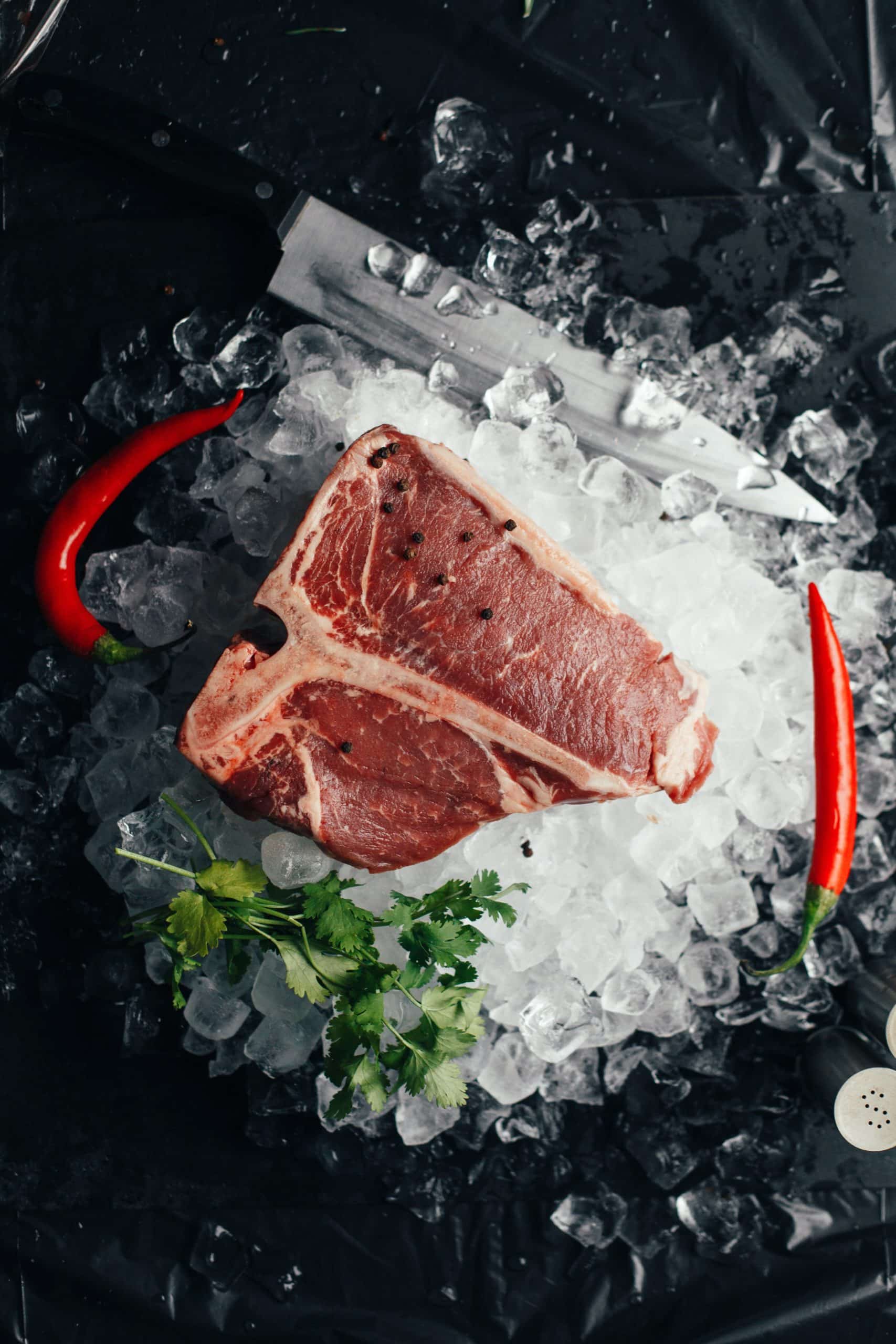
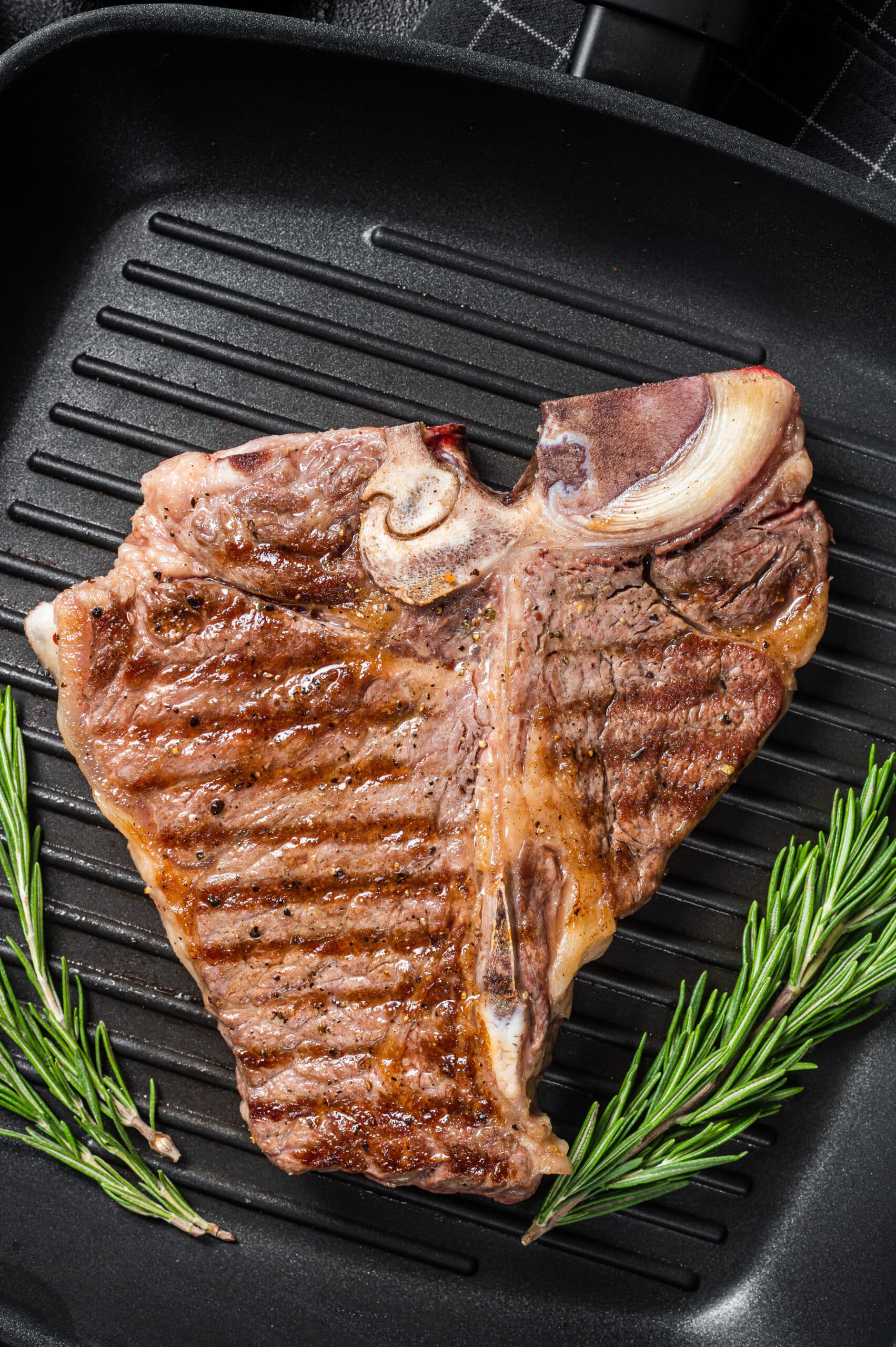
A T-bone steak is a unique cut that presents a distinct challenge because it contains two different muscles separated by a T-shaped lumbar vertebra. On one side of the bone is the strip loin (New York strip), and on the other is a smaller portion of the tenderloin (filet mignon). Because these two muscles have different densities and fat contents, they cook at slightly different rates.
When cooking on the stovetop, the bone acts as a thermal insulator. While it adds flavor, it can also create cool spots near the center. Recognizing that the tenderloin side is generally leaner and smaller means you must prioritize preventing it from drying out while ensuring the thicker strip side reaches the required internal temperature.
Prerequisites and Equipment
Success starts with preparation. Before heat touches the pan, gather the necessary tools and ingredients:
- The Skillet: Use a cast-iron skillet or a heavy-gauge stainless steel pan. These materials possess high thermal mass, meaning they hold heat effectively when the cold steak is placed in the pan, ensuring a consistent sear.
- The Steak: Choose a steak that is at least 1.5 inches thick. Thinner steaks will overcook in the center before the crust develops. Ensure the meat is temperate; let it sit at room temperature for 30 to 45 minutes before cooking.
- Seasoning: Use coarse kosher salt and freshly cracked black pepper. Apply the salt liberally on all sides, including the fatty edges, roughly 20 minutes before cooking. This allows the salt to penetrate the surface fibers via osmosis.
- Cooking Fat: Use an oil with a high smoke point, such as grapeseed, avocado, or refined canola oil. Extra virgin olive oil is generally discouraged for the initial sear due to its low smoke point.
Step-by-Step Cooking Process
- Dry the Surface: Use paper towels to pat the steak completely dry. Surface moisture is the enemy of a good sear; if the meat is wet, it will steam rather than brown.
- Preheat the Pan: Place your skillet over medium-high heat. Allow it to get hot—it should be shimmering and nearly smoking. Add two tablespoons of high-smoke-point oil.
- The Initial Sear: Place the steak into the pan carefully. Lay it away from you to prevent oil splatter. Sear the first side for approximately 3 to 4 minutes without moving it. This duration is critical for the Maillard reaction, the chemical process that creates the complex, savory crust.
- Flip and Baste: Flip the steak once a deep brown crust has formed. Reduce the heat to medium. Add 2 tablespoons of unsalted butter, two cloves of smashed garlic, and a sprig of fresh thyme or rosemary to the pan.
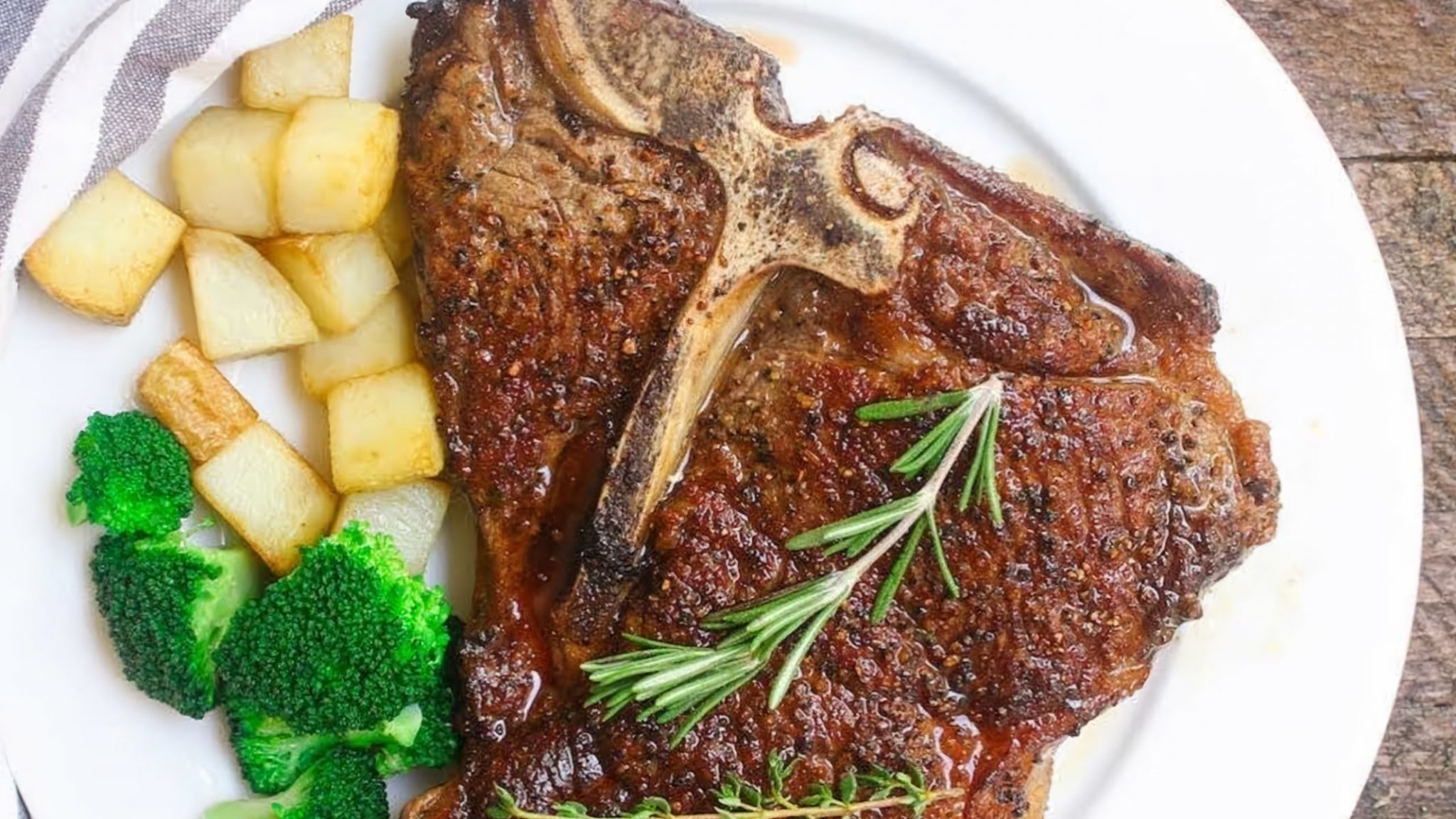
- Butter Basting: As the butter foams, tilt the pan slightly and use a large spoon to continuously scoop the hot, flavored butter over the steak. This technique, known as arrosé, helps cook the interior evenly while basting the meat in aromatics.
- Verify Temperature: Use an instant-read digital meat thermometer to check the thickest part of the steak, ensuring the probe does not touch the bone, which can yield a false reading.
Temperature Verification Guidelines
To ensure food safety and preferred texture, always rely on internal temperature rather than time alone. The USDA recommends an internal temperature of 145°F (63°C) for beef, followed by a three-minute rest. However, many prefer the following internal temperatures for specific levels of doneness:
| Level of Doneness | Target Internal Temperature | Description |
|---|---|---|
| Rare | 120°F–125°F | Cool red center |
| Medium-Rare | 130°F–135°F | Warm red center |
| Medium | 140°F–145°F | Warm pink center |
| Medium-Well | 150°F–155°F | Slightly pink center |
Note: Remove the steak from the pan when it is about 5 degrees below your target temperature, as the internal heat will continue to rise during the resting phase.
The Importance of Resting
Resting is the most frequently overlooked step in home cooking. Once the steak reaches the target temperature, remove it from the skillet and place it on a cutting board or warm plate. Tent it loosely with aluminum foil and let it rest for at least 8 to 10 minutes.
During the cooking process, the heat causes the muscle fibers to contract, pushing juices toward the center of the meat. Resting allows these fibers to relax and reabsorb the juices. If you cut into the steak immediately, the juices will run out onto the board, leaving you with dry, flavorless meat.
Common Troubleshooting and Mistakes
- Smoking Excessively: If your pan is smoking heavily, the heat is too high or the oil has reached its limit. Briefly remove the pan from the heat, add a splash of cooler oil, or slightly lower the burner setting.
- Grey Banding: A thick grey band beneath the crust indicates the steak was cooked for too long at a low temperature. Ensure the pan is properly preheated before starting.
- Cold Center: If the steak is cold in the middle but charred on the outside, you likely used a steak that was too thin or pulled it directly from the refrigerator. Always temper the meat before cooking.
Frequently Asked Questions
Why does my T-bone steak get grey before it gets brown? This usually occurs because the pan was not hot enough. If the surface temperature of the pan drops significantly when the cold meat is added, the surface will steam instead of searing. Always ensure your oil is shimmering before adding the steak.
Should I trim the fat before cooking? It is generally better to leave the fat cap intact while cooking, as it provides flavor and moisture. You can trim away excess connective tissue, but the fat along the edge helps insulate the meat and renders down during the butter-basting process.
Can I cook a T-bone without butter? Yes, but you will lose a significant amount of flavor and the added moisture that butter-basting provides. If you avoid dairy, use high-quality beef tallow or a neutral oil with a few cloves of garlic to achieve a similar, albeit different, flavor profile.
How do I clean my pan after cooking? If you used a cast-iron skillet, avoid using harsh soap. After the pan has cooled slightly but is still warm, scrub it with a stiff brush and hot water, dry it thoroughly, and apply a light coating of oil to prevent rusting.
Is it safe to eat a steak that is still pink in the middle? Yes. According to the United States Department of Agriculture (USDA) guidelines, as long as the steak reaches an internal temperature of 145°F and is allowed to rest, it is safe. Cooking to lower temperatures (like 130°F for medium-rare) is a common culinary preference for texture and flavor, though it carries a slightly higher risk of bacterial exposure compared to well-done meat.
Final Recommendation
To master the T-bone on the stove, practice heat control. If you find the exterior darkening too quickly before the center is finished, turn the heat down and rely on the residual heat of the pan and the butter-basting process to bring the center to temperature. Always calibrate your digital thermometer annually to ensure your temperature readings remain accurate and safe.
Image Gallery