Understanding Japan as a Small Country in Global Context
While Japan is frequently perceived as a compact island nation, labeling it a "small country" requires nuanced examination of geography, population density, and economic output. Spanning approximately 377,975 square kilometers, Japan r...
While Japan is frequently perceived as a compact island nation, labeling it a "small country" requires nuanced examination of geography, population density, and economic output. Spanning approximately 377,975 square kilometers, Japan ranks 61st globally in total land area. However, its influence, infrastructure, and demographic concentration challenge the traditional narrative of limited size by demonstrating how limited space can sustain a massive global economy.
Contents
Geographical Reality and Topography
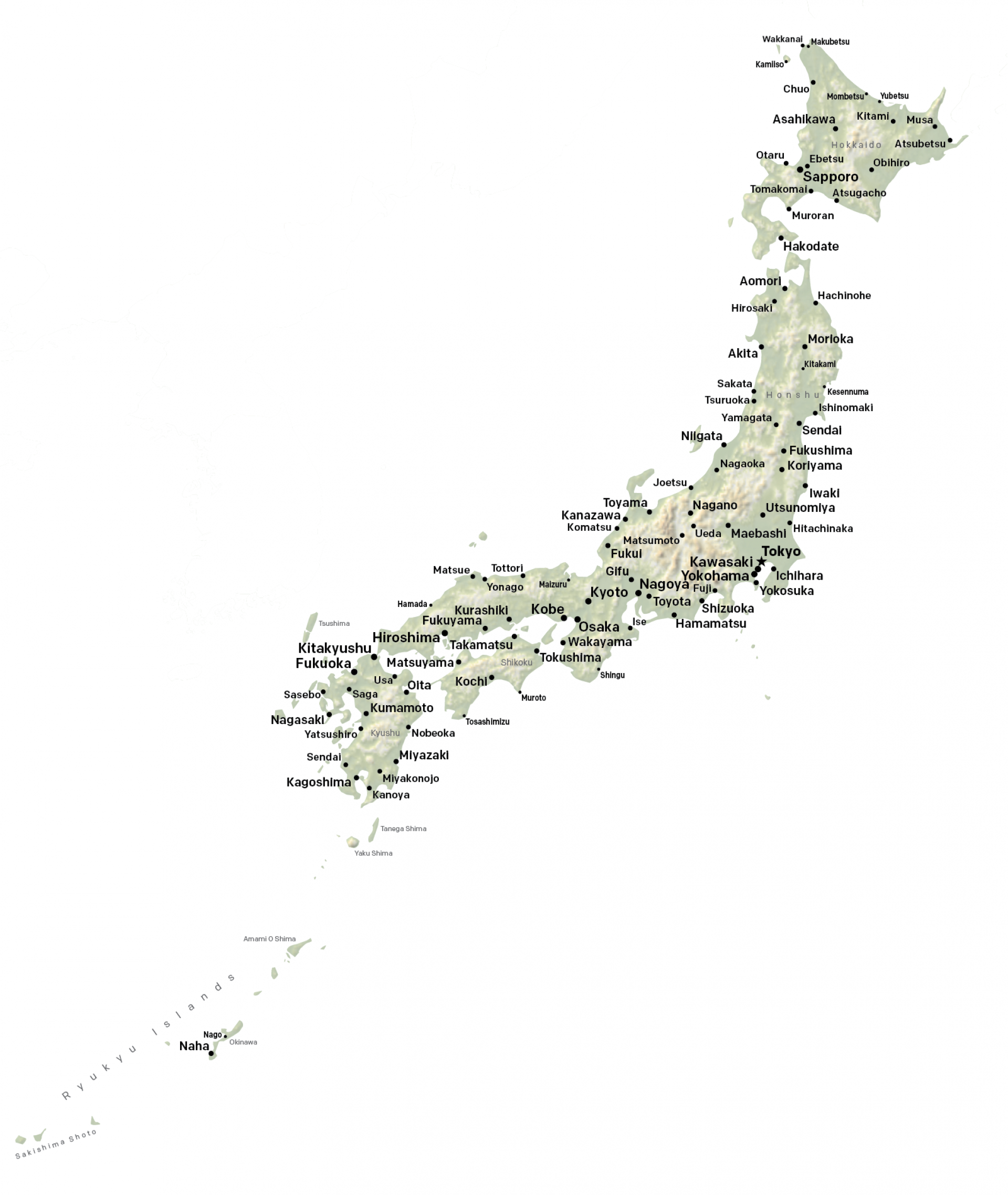
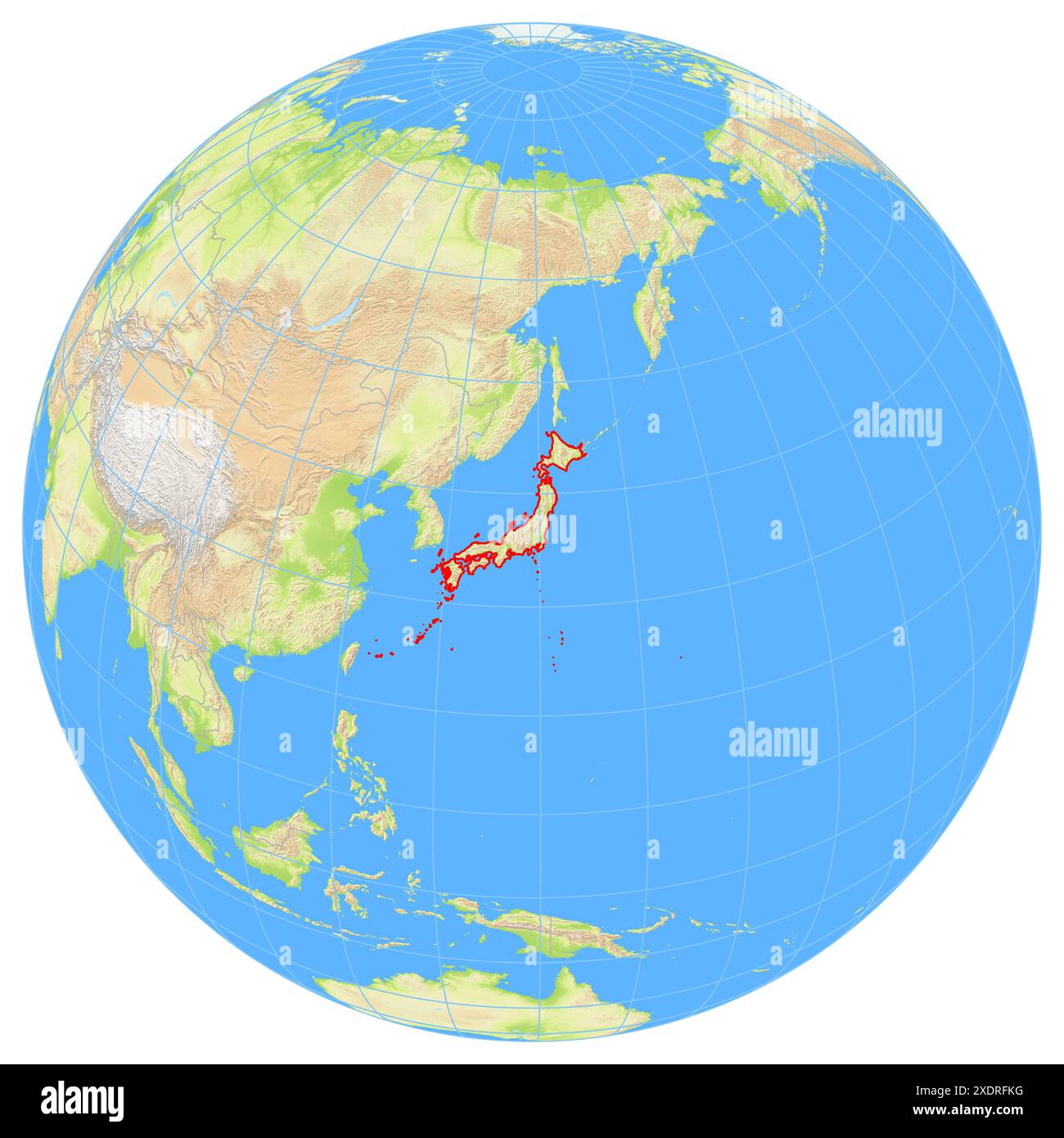
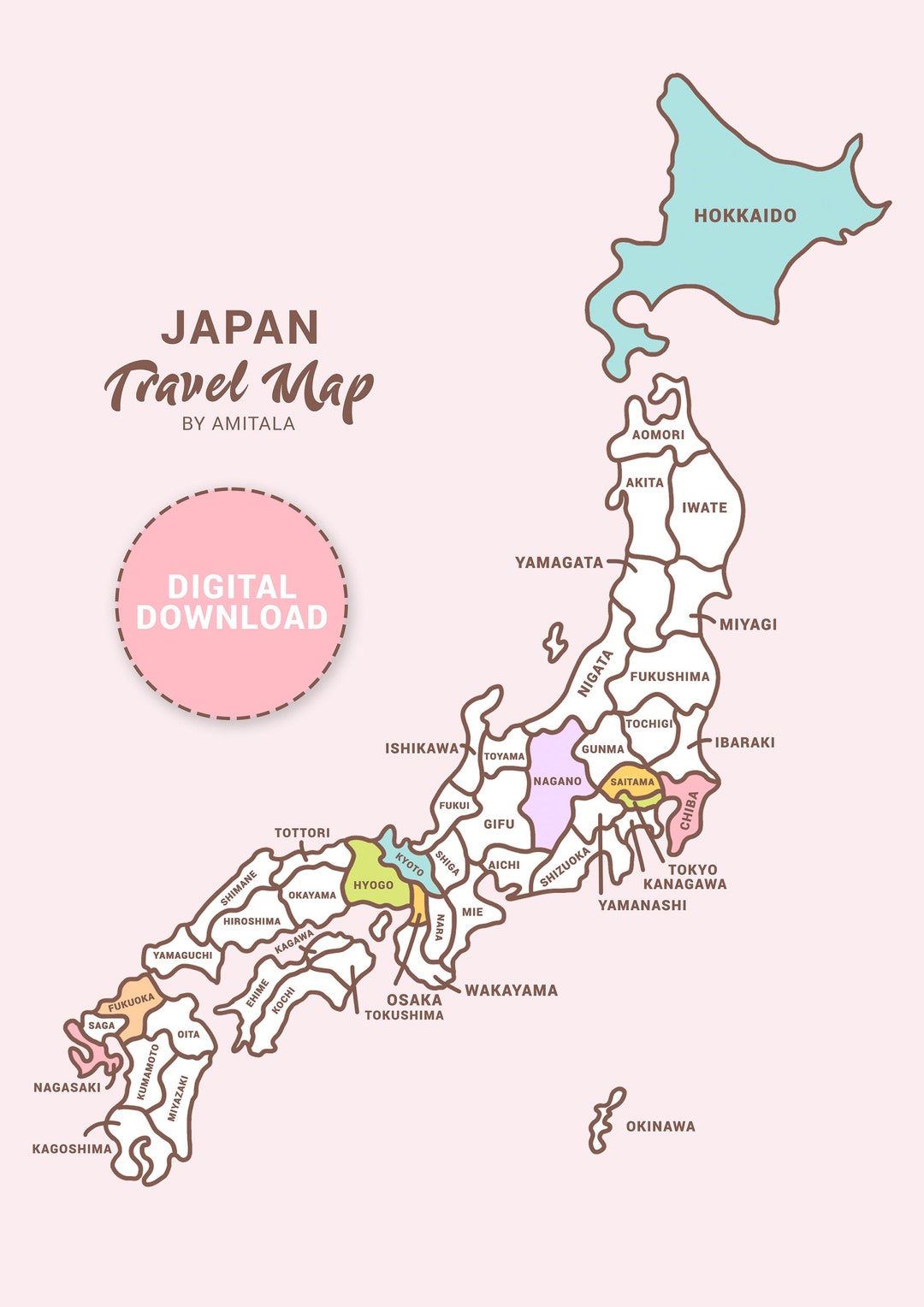
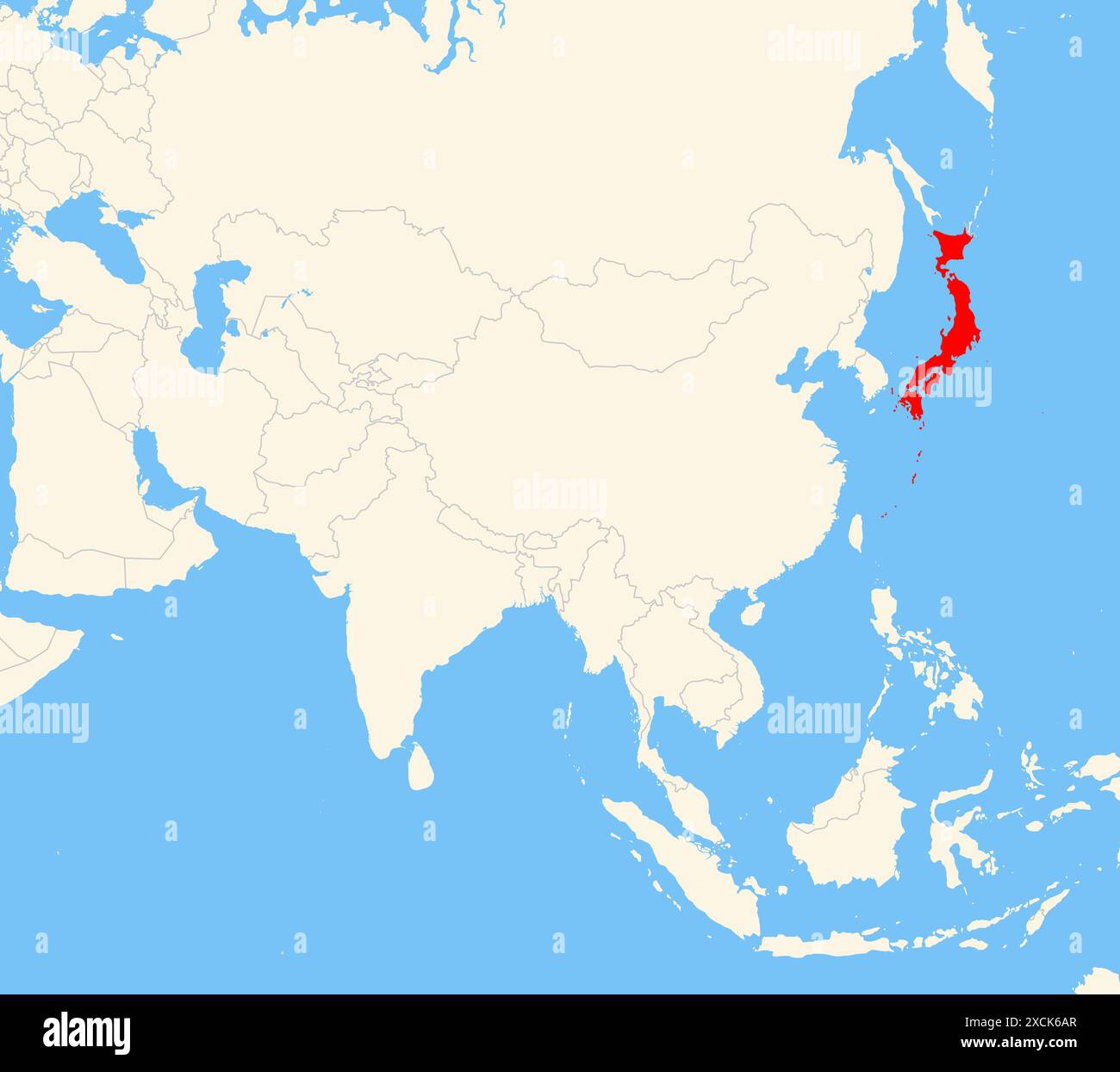
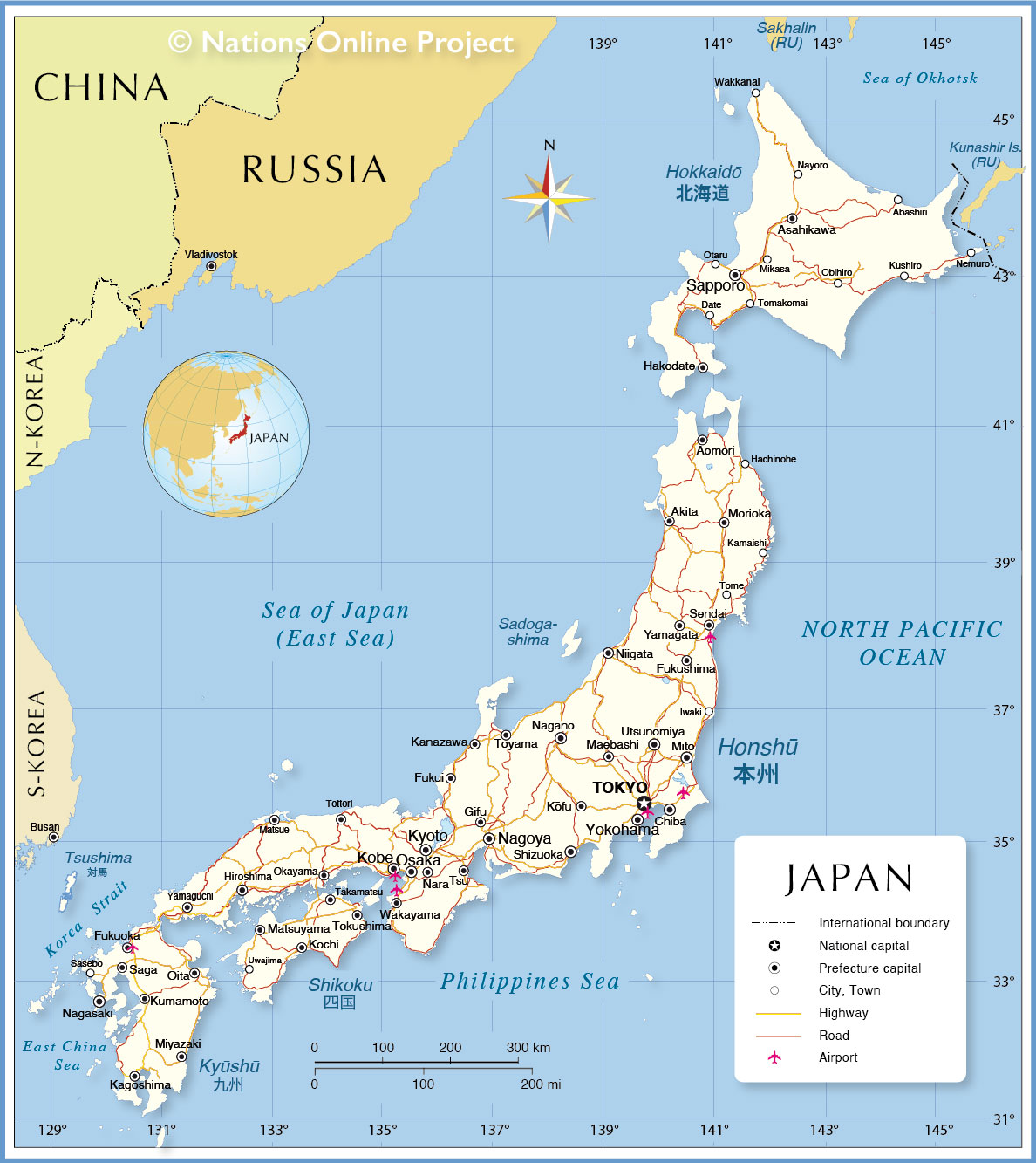
Japan consists of an archipelago of 6,852 islands, with the four main islands of Honshu, Hokkaido, Kyushu, and Shikoku comprising 97% of the total landmass. When viewed on a global map, Japan appears relatively small compared to continental giants like the United States, China, or Brazil. However, when compared to European nations, its scale becomes more apparent. Japan is significantly larger than the United Kingdom and slightly smaller than Germany.
The primary factor defining Japan’s "smallness" is not merely surface area, but inhabitable land. Approximately 73% of Japan’s terrain is mountainous, consisting of steep, rugged peaks that are largely unsuitable for large-scale agricultural development or high-density urban expansion. This unique topography forces the vast majority of the population—roughly 123 million people as of 2026—into narrow coastal plains and lowland basins.
Population Density and Urban Concentration
Because of the mountainous interior, Japan maintains one of the highest population densities among developed nations. When calculating density based strictly on habitable land rather than total geographic area, the concentration is extreme. The Greater Tokyo Area serves as the primary example, functioning as the most populous metropolitan region in the world.
This spatial constraint has dictated the evolution of Japanese urban planning and architectural design. To accommodate millions in a limited footprint, Japan pioneered high-efficiency transit systems, multi-layered urban infrastructure, and transit-oriented development. Vertical integration—where residential, commercial, and transportation hubs are stacked within a single building—is a hallmark of Japanese city living, necessitated by the reality of limited land.
Economic Impact vs. Physical Footprint
Despite being a "small" country in terms of land area, Japan has consistently held a position as a top-tier global economic power. For decades, it has maintained a place among the world’s largest economies, driven by advanced manufacturing, automotive engineering, robotics, and the service sector. This paradox—a small, resource-poor archipelago wielding significant influence—highlights a shift from geography-based power to human-capital and innovation-based power.
The limitation of space forced Japan to become an importer of raw materials and an exporter of high-value, processed goods. Without expansive natural resources, the country’s economic history has been defined by efficiency, supply chain mastery, and the meticulous use of limited space to maximize industrial output.
Comparative Land Mass and Population Metrics
To better understand how Japan sits within the global context, it is helpful to compare its physical and demographic data against other major economies.
| Country | Land Area (sq km) | Population (Approx.) | Key Characteristic |
|---|---|---|---|
| Japan | 377,975 | 123,000,000 | Mountainous, high density |
| Germany | 357,022 | 84,000,000 | Central European hub |
| United Kingdom | 242,495 | 68,000,000 | Island nation dynamics |
| California (USA) | 423,970 | 39,000,000 | Similar area, lower density |
As demonstrated, while Japan is physically similar in size to Germany or the state of California, its population density remains significantly higher. This results in different legislative approaches to land use, zoning, and public transport infrastructure compared to larger nations where urban sprawl is more common.
Resource Management and Sustainability
Japan’s limited landmass has fostered a culture of extreme resource efficiency. Because domestic energy resources and arable land are scarce, Japan has invested heavily in sustainable technologies. From nuclear energy and hydroelectric power to advanced waste-management systems, the country treats its limited space as a closed system requiring constant optimization.
Agriculture in Japan is also uniquely impacted by its geography. With limited flat land, the country utilizes highly advanced, small-scale intensive farming techniques. Terraced rice paddies, though historically significant, are being supplemented by vertical farming and automated hydroponics, which allow for food production in urban settings where traditional field agriculture is impossible.
Frequently Asked Questions
Is Japan physically smaller than the United Kingdom? No, Japan is larger than the United Kingdom. Japan covers approximately 377,975 square kilometers, while the United Kingdom spans roughly 242,495 square kilometers. Despite this, both are considered island nations with high population densities.
Why does Japan feel crowded if it has so much mountainous land? The "crowded" feeling is a result of the population clustering in lowland areas. Because 73% of the country is mountainous, over 90% of the population resides on the remaining 27% of the land, specifically near the coasts and in urban basins like the Kanto Plain.
How does Japan’s size affect its logistics and transport? The limited space has necessitated the creation of the Shinkansen (bullet train) network and highly dense urban train systems. Because driving between distant cities is time-consuming due to mountainous terrain, rail transport is the primary mode of long-distance travel, allowing for high-speed connectivity across the country.
Does Japan have the same space-related problems as other countries? Japan faces specific challenges related to housing supply, seismic retrofitting, and land scarcity. While other nations might struggle with urban sprawl, Japan’s primary struggle is maximizing utility within existing boundaries, leading to sophisticated land-use laws and compact residential architecture.
Is it accurate to call Japan a "small" country? The term is relative. In terms of sheer square mileage, it is a mid-sized nation. However, in terms of economic power and cultural footprint, it is a global leader. The "smallness" of Japan is a factor in its efficiency, but it does not accurately reflect the country's scale of industrial, cultural, or social influence.
Next Steps for Understanding Geographic Constraints
For those researching Japan’s spatial dynamics further, the most productive path is to examine the Ministry of Land, Infrastructure, Transport and Tourism (MLIT) white papers. These documents provide granular data on urban planning, land-use zoning, and the governmental strategy for maintaining high-density infrastructure. Observing how Japan manages its "small" geography provides a blueprint for other nations facing similar constraints, particularly in an era of global urbanization and the need for high-efficiency resource management.
Image Gallery