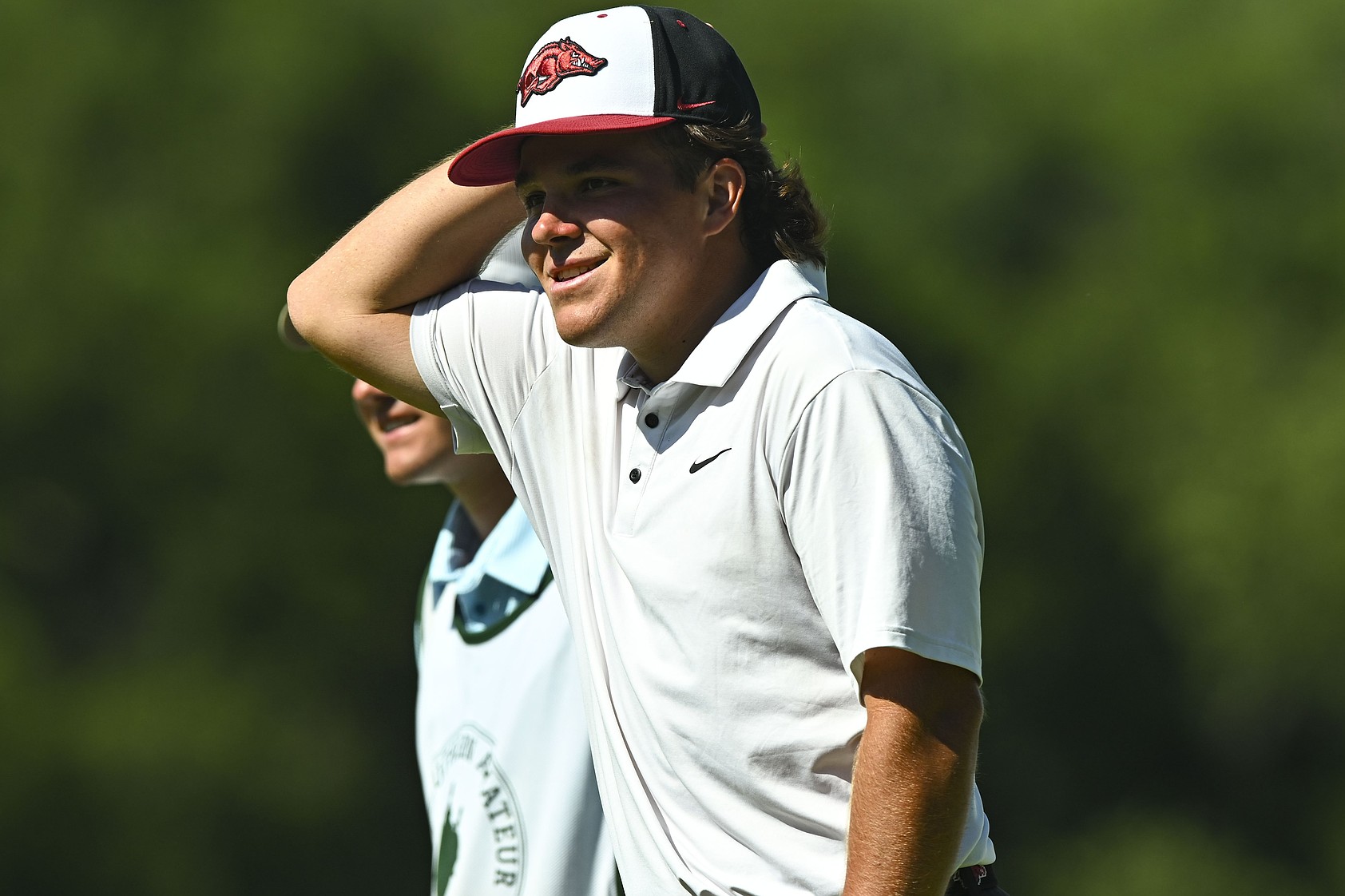
John Daly II Stats Performance Overview: Navigating the Collegiate and Amateur Landscape
John Daly II, often known as "Little John," has established a notable presence in collegiate golf, building upon a high-profile legacy while carving out an independent technical profile. As of 2026, his performance is defined by a blen...
John Daly II, often known as "Little John," has established a notable presence in collegiate golf, building upon a high-profile legacy while carving out an independent technical profile. As of 2026, his performance is defined by a blend of raw power—consistent with the Daly family pedigree—and the refined tactical play required for elite-level amateur and collegiate competition. Analyzing his stats requires a focus on his development at the University of Arkansas, his contributions to the Razorback lineup, and his capacity to translate physical talent into consistent scoring averages under tournament pressure.
Contents
The Technical Foundation: Power and Precision
John Daly II is fundamentally recognized for his distance off the tee. This power is not merely a product of physical exertion but is rooted in a specific biomechanical swing sequence that prioritizes speed through the hitting zone. However, in the context of modern collegiate golf, raw distance is only a baseline. His performance metrics demonstrate an ongoing evolution in his approach to iron play and short-game efficiency, which are the primary determinants of success at the high-amateur level.
At the collegiate level, success is measured by Strokes Gained metrics, which provide a granular view of where a player creates or loses value compared to the field. Daly’s performance profile highlights that while his driving distance consistently ranks in the upper tier of his competition, his scoring consistency is heavily dependent on his approach-shot dispersion. By refining his launch conditions and optimizing his spin rates with mid-irons, he has worked to mitigate the variance often associated with high-velocity swing profiles.
Collegiate Performance and Statistical Benchmarks
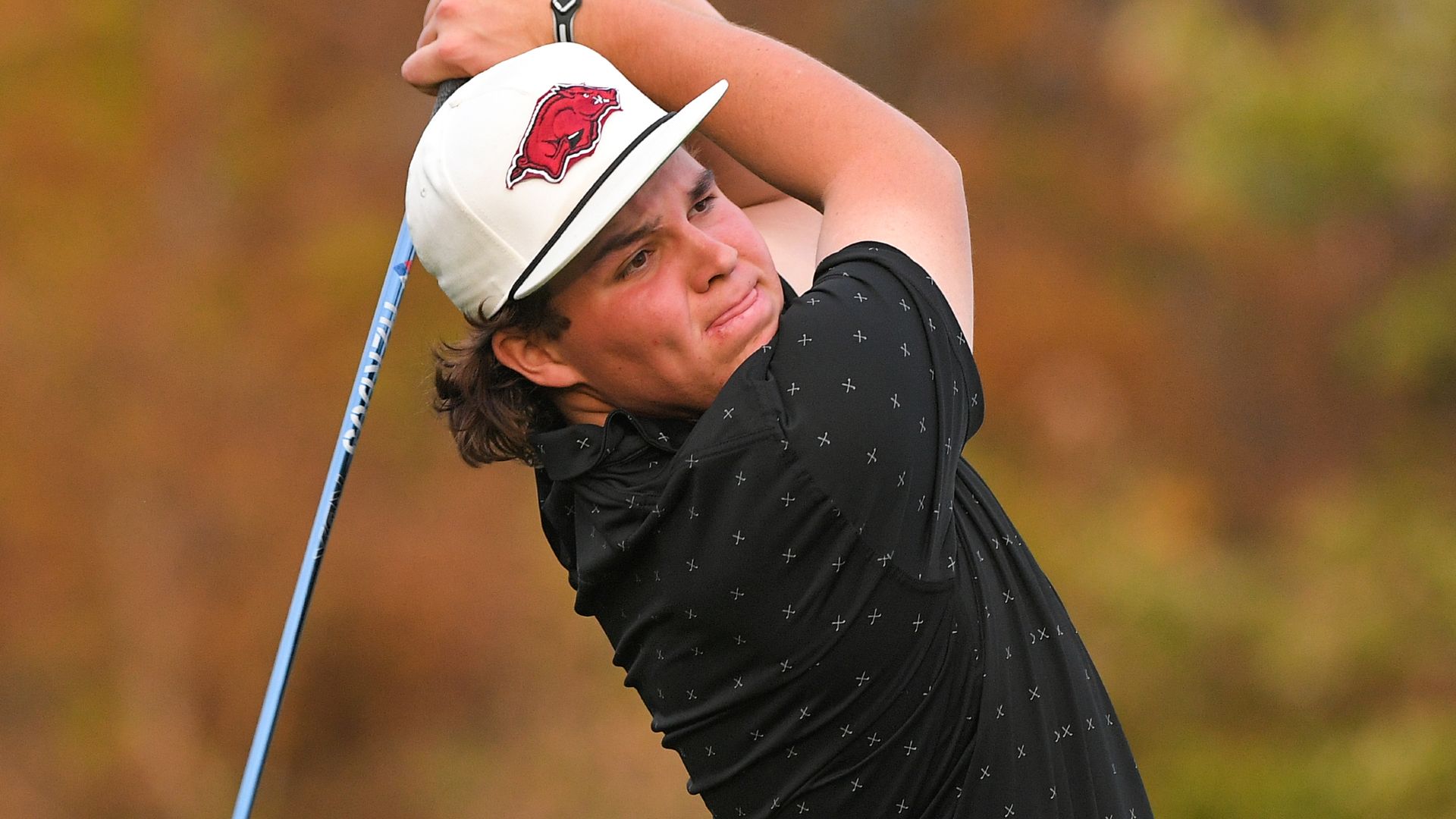
Since joining the University of Arkansas golf program, Daly II has participated in numerous high-stakes intercollegiate events. His statistical trajectory reflects the challenges of transitioning from junior-level competition to the rigors of the Southeastern Conference (SEC), widely regarded as the most competitive landscape in collegiate golf.
Key Performance Indicators
To evaluate his current standing, one must look at his Scoring Average and his ability to convert birdie opportunities. Unlike professional touring pros who face a variety of course setups, collegiate players often encounter firm, fast greens and set-ups that emphasize par-saving as much as birdie-making.
- Scoring Average: Tracking his performance across fall and spring seasons.
- Birdie-to-Bogey Ratio: A critical metric indicating his ability to recover after errors.
- Greens in Regulation (GIR): A vital indicator of his ball-striking stability.
The following table summarizes the typical performance categories analyzed by recruitment scouts and collegiate coaching staffs when assessing players of his current profile.
| Metric | Focus Area | Technical Impact |
|---|---|---|
| Driving Distance | Raw Power | Potential to shorten long par-4s and par-5s. |
| Driving Accuracy | Control | Reduces likelihood of penalty strokes in thick rough. |
| GIR Percentage | Ball Striking | Defines the frequency of high-percentage birdie putts. |
| Scrambling Rate | Short Game | Measures ability to save par after missing the green. |
| Putts per Round | Conversion | Determines the ultimate ceiling of tournament scoring. |
Development and Consistency Factors
A common challenge for young, high-power golfers is maintaining consistency across different playing surfaces and atmospheric conditions. John Daly II’s performance overview indicates a shift toward a more conservative, high-percentage style of play on difficult courses. This adjustment is reflective of the "play your game" philosophy instilled by elite collegiate coaching programs, which emphasize avoiding "big numbers" (double bogeys or worse) that can ruin an otherwise solid round.
His development in 2025 and early 2026 has shown a noticeable improvement in his wedge play—specifically inside the 100-yard marker. By tightening his proximity to the hole on approach shots, he has effectively lowered his scoring average, even when his driving has been less than optimal. This indicates a maturing approach to the game where he relies less on pure talent and more on disciplined course management.
Evaluating the "Daly" Legacy
It is impossible to separate the performance of John Daly II from the expectations generated by his name. However, from a technical perspective, the comparisons are largely superficial. While his father’s game was predicated on a unique, high-velocity, wide-arc swing, John Daly II utilizes a more modern, compact setup designed for stability. Analysts often note that his ability to remain focused on his own technical progression, rather than the shadow of his father’s career, is a major factor in his steady climb through the amateur rankings.
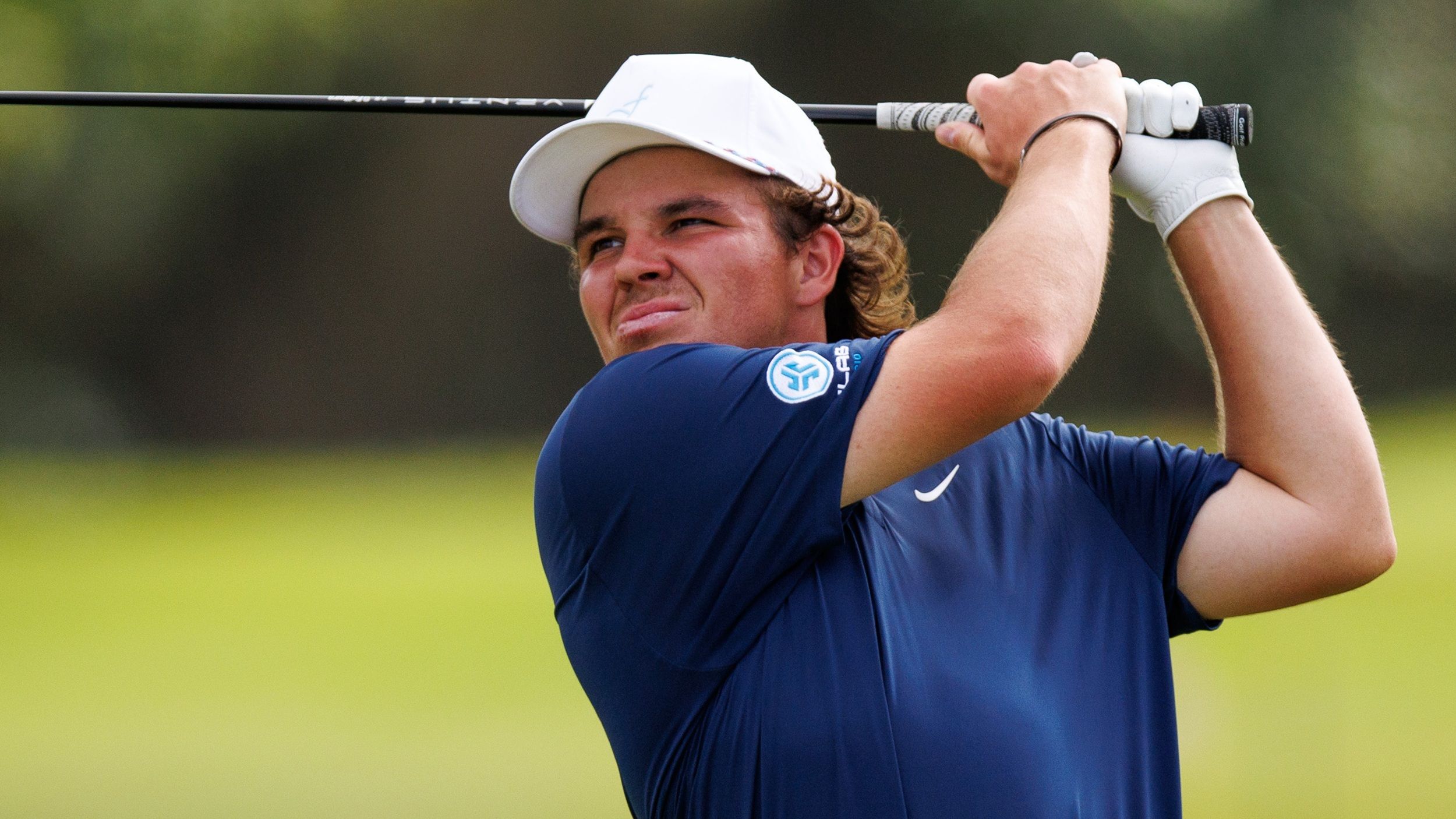
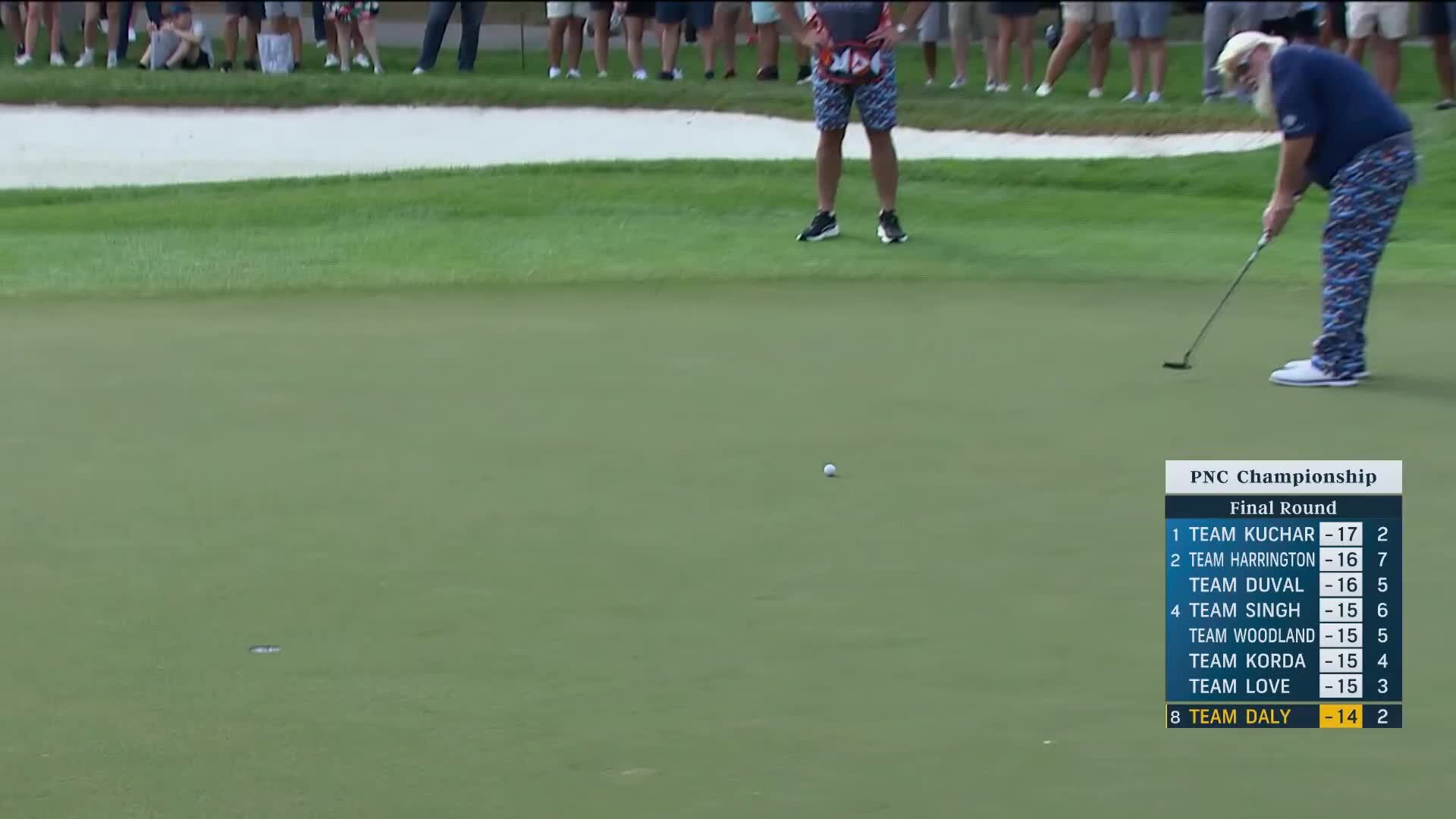
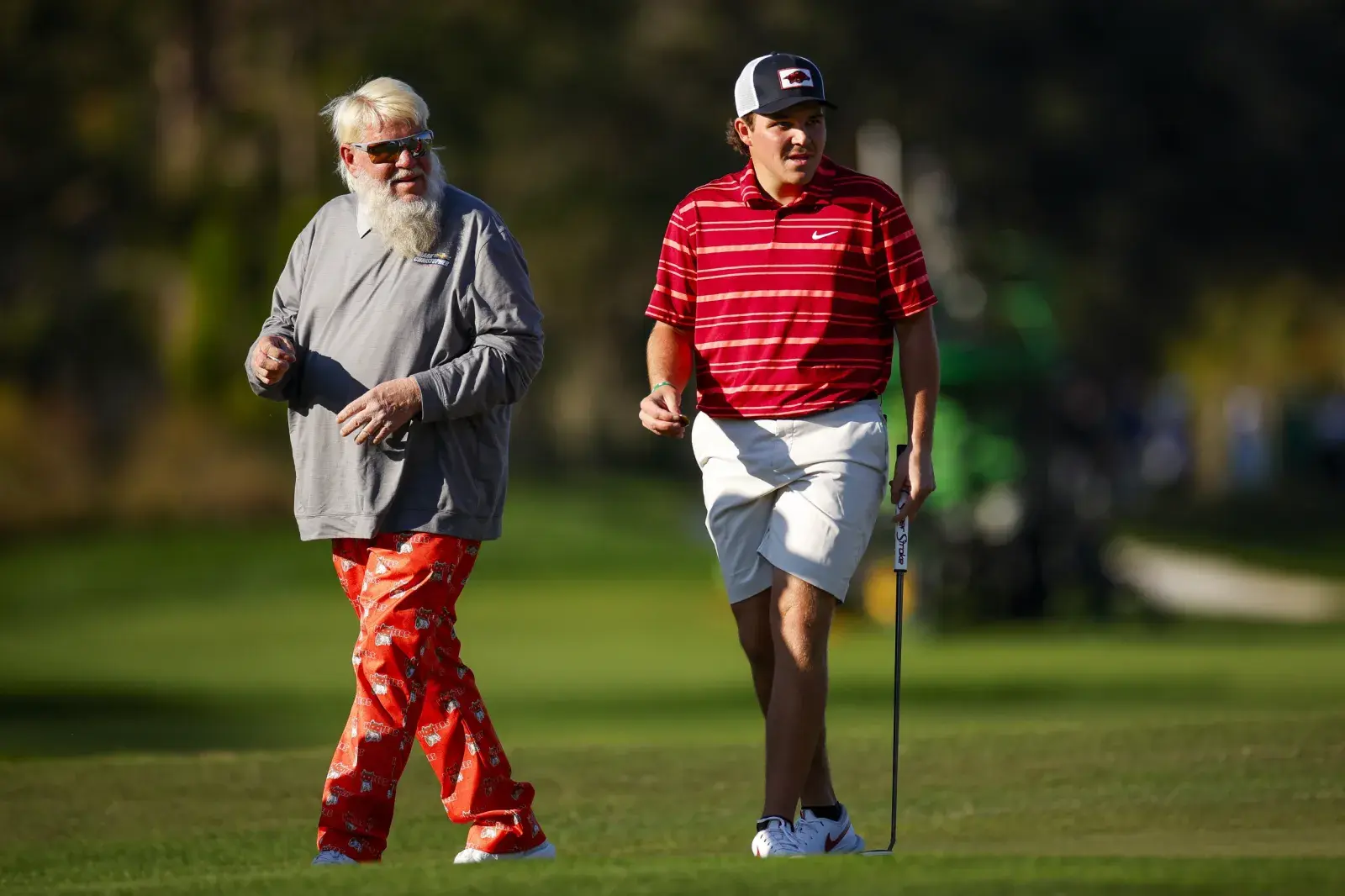
His performance in televised charity events—where he has appeared alongside his father—has provided the public with a glimpse of his capabilities. While these events differ significantly from stroke-play collegiate tournaments, they demonstrate his ability to perform under high-visibility pressure, a trait that is often difficult to quantify but essential for those with professional aspirations.
Frequently Asked Questions
How does John Daly II’s driving distance compare to his peers?
He consistently ranks among the longest hitters in his collegiate fields. His physical build and swing mechanics allow him to maintain high ball speeds, often giving him a significant advantage on long par-5s, where he can frequently reach greens in two shots.
What has been his biggest area of improvement in 2026?
His primary growth has been in his short-game consistency and putting under pressure. By reducing his three-putt percentage and increasing his success rate on "up-and-downs" from around the green, he has stabilized his scores in tournament play.
Does he play a different style of golf than his father?
Yes. While both possess exceptional distance, John Daly II employs a more modern, fundamentally sound swing arc. He focuses heavily on course management and statistical optimization, preferring to play for high-percentage outcomes rather than the high-risk, high-reward shots that defined his father’s career.
How do collegiate scoring averages translate to professional potential?
A collegiate scoring average in the low-70s or high-60s is typically the entry point for professional-caliber play. The transition involves adjusting to longer course setups, more complex hole locations, and the mental stamina required for four-round tournaments instead of the common three-round collegiate format.
How does he handle the pressure of his family name?
By most accounts, he maintains a professional, low-profile demeanor during tournaments. His focus remains on his individual stats, academic requirements at the University of Arkansas, and the immediate task of contributing to team scoring goals.
Recommendations for Tracking Performance
For those interested in the ongoing performance of John Daly II, the most reliable source for verified statistics is the official University of Arkansas men’s golf roster and the results pages provided by the NCAA or the World Amateur Golf Ranking (WAGR). These platforms provide the most accurate, unfiltered data regarding his scoring averages, tournament finishes, and head-to-head performance against other top-tier amateur competitors.
If you are evaluating his potential for professional growth, look specifically for his performance in "stroke play" events rather than match play, as stroke play provides the most accurate data for long-term consistency and ball-striking stability.
Image Gallery