The Reality of Single Parent Fathers in the United States
The reality of single parent fathers in the United States is defined by a significant increase in visibility and responsibility over the last two decades. While historically underrepresented in public policy and media, single fathers n...
The reality of single parent fathers in the United States is defined by a significant increase in visibility and responsibility over the last two decades. While historically underrepresented in public policy and media, single fathers now manage an expanding share of household headship, balancing complex workplace demands, child-rearing, and the navigation of family law systems that were often designed with traditional custody models in mind.
Contents
The Statistical Shift in Fatherhood
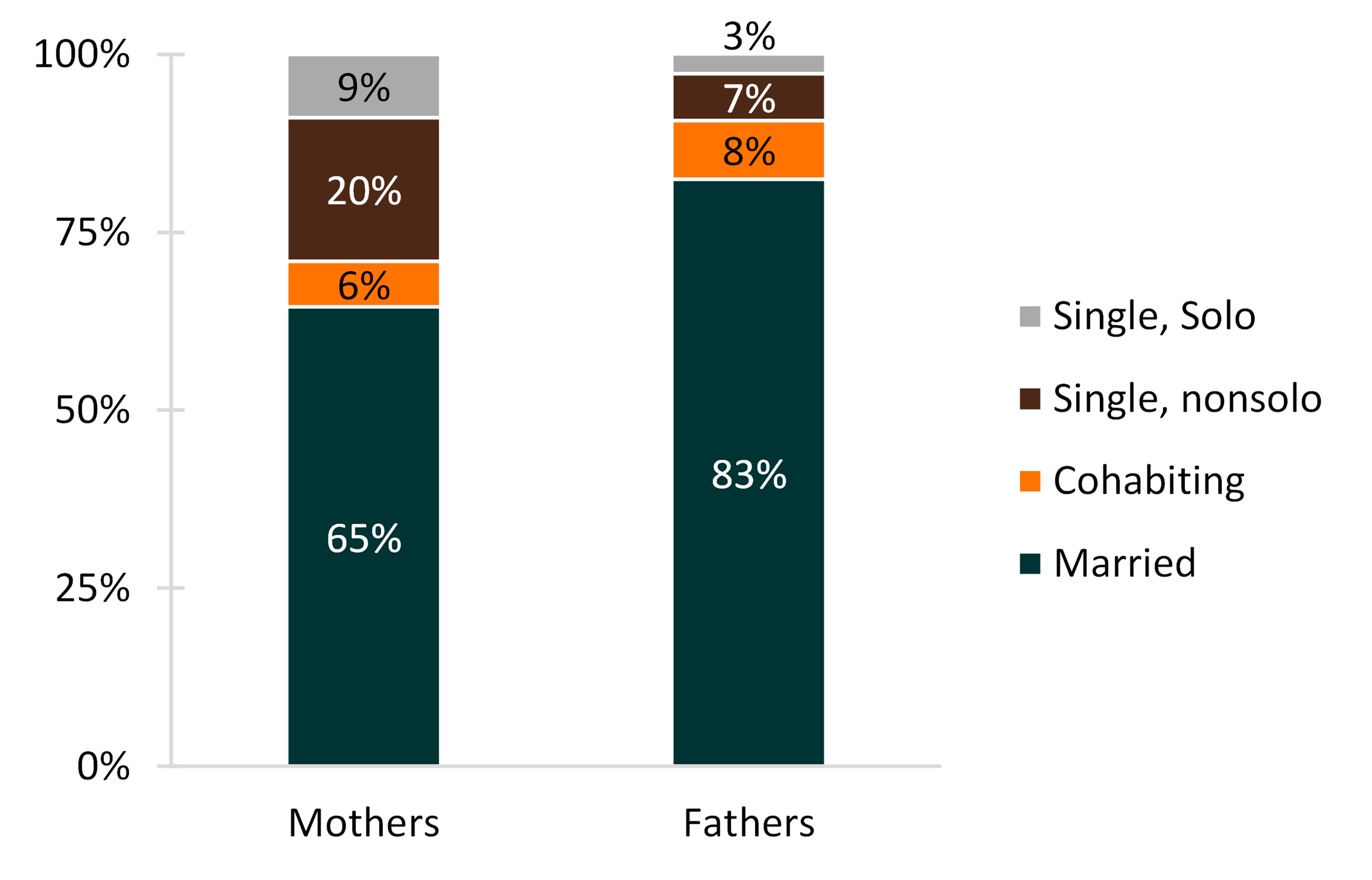
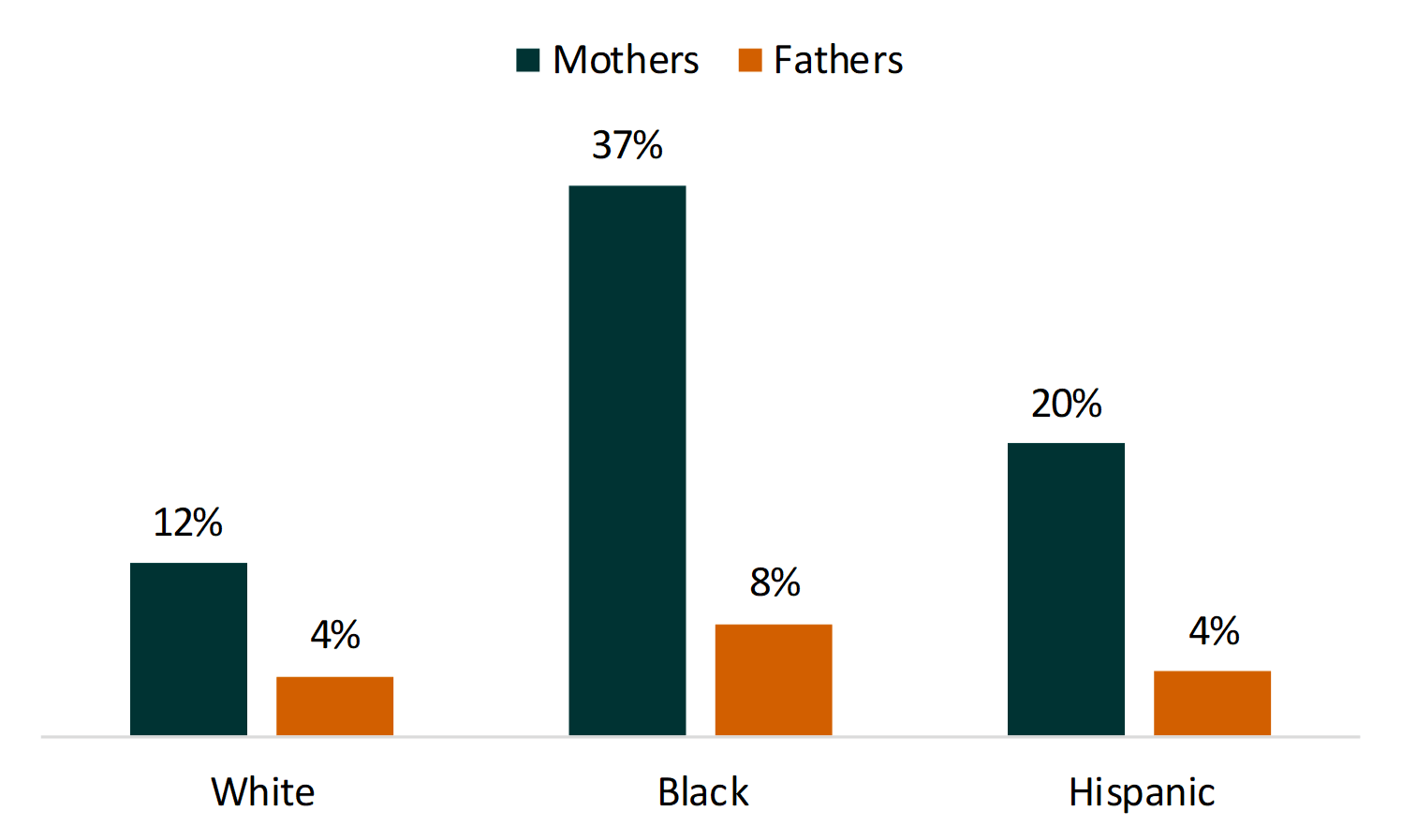
The demographics of American households have shifted considerably, moving away from the "breadwinner-homemaker" model that dominated the mid-20th century. According to U.S. Census Bureau data, the number of single-father households has roughly tripled since the 1970s. While single-mother households still represent a larger statistical share of single-parent homes, the growth rate of single-father households highlights a shifting societal expectation regarding paternal involvement.
This growth is not a monolithic trend. It encompasses fathers who have gained sole custody through the legal system, those who have assumed primary caregiving duties due to the death of a spouse, and an increasing cohort of men choosing to pursue solo parenthood through adoption or surrogacy. The "reality" for these individuals involves a unique intersection of social stigma, economic variables, and the logistical challenges of maintaining a career while fulfilling the role of primary caregiver.
Economic Considerations and Workplace Integration
A primary challenge facing single fathers is the economic environment. The United States lacks a centralized federal policy for parental leave that is universally accessible, placing the burden of balancing financial stability with child-rearing squarely on the individual. For a single-parent father, the "second shift"—the work done at home after professional hours—is often intensified by the absence of a secondary partner to share the load.
Economic data suggests that single fathers tend to have higher median incomes than single mothers, yet they are often less likely to utilize public safety nets. This may be attributed to a "masculinity gap" in seeking assistance, where men report lower rates of accessing federal nutrition programs (like SNAP) or childcare subsidies, even when they meet the eligibility criteria. Navigating these systems requires proactive outreach and a departure from the traditional expectation that men should be self-sufficient at all costs.
Legal Landscapes and Custody Dynamics
The legal framework in the United States has undergone a quiet evolution. Historically, the "tender years doctrine" favored mothers in custody disputes. Today, most states operate under the legal presumption of the "best interests of the child," which is theoretically gender-neutral. However, the application of this standard can vary wildly by jurisdiction.
Single fathers often encounter institutional inertia where family courts or mediators may hold implicit biases regarding a father’s role in emotional labor or daily child management. For fathers seeking to establish themselves as the primary custodial parent, the process frequently involves:
- Demonstrating Routine: Documenting consistent involvement in school events, medical appointments, and daily hygiene.
- Legal Literacy: Understanding state-specific statutes regarding joint versus sole custody, which often require explicit proof of why a shared arrangement is not viable.
- Evidence-Based Advocacy: Maintaining logs of childcare contributions, which serve as foundational evidence in court hearings to counter claims of parental deficiency.
Comparative Realities of Single Parenthood
The experience of single fathers differs from that of single mothers in terms of societal expectations and support networks. The following table summarizes the common distinctions encountered by single parents in the U.S. landscape.
| Feature | Single Fathers (Tendencies) | Single Mothers (Tendencies) |
|---|---|---|
| Social Perception | Often viewed as "heroic" or "atypical." | Often subject to judgment regarding "broken homes." |
| Support Networks | Frequently smaller; lack of "dad-centered" community. | Larger, more formalized peer-to-peer networks. |
| Public Assistance | Lower uptake of government aid programs. | Higher utilization of SNAP, WIC, and subsidies. |
| Work-Life Balance | High pressure to maintain primary earner status. | High pressure to balance career and caregiving. |
Practical Challenges and Support Systems
Beyond the courtroom and the office, the day-to-day reality of the single father involves overcoming social isolation. Many community spaces, such as school parent-teacher associations (PTAs) or neighborhood parenting groups, are historically designed by and for mothers. This can lead to a sense of exclusion that is not malicious but systemic.
Fathers navigating this role often find success by:
- Seeking Niche Communities: Engaging with organizations dedicated to divorced or single dads, which provide both emotional support and practical advice on managing household logistics.
- Leveraging Technology: Using scheduling software, shared digital calendars, and meal-planning services to mitigate the organizational exhaustion associated with solo household management.
- Direct Communication with Institutions: Proactively introducing themselves to pediatricians, teachers, and coaches as the primary point of contact for all child-related matters.
Addressing Health and Emotional Well-being
Mental health is a critical component of the single-parent reality. Studies indicate that single fathers are at a higher risk for depression and anxiety, often exacerbated by the stigma against men expressing vulnerability. The pressure to remain "the rock" for the family can prevent men from seeking the psychological support necessary to parent effectively.
Effective management of these challenges requires moving away from the notion of "doing it alone." Whether through therapy, support groups, or simply forming a tighter network of extended family, the sustainability of single fatherhood is contingent upon the father's ability to prioritize his own mental and physical well-being. A parent who is physically or emotionally depleted cannot provide the stability that a child requires.
Frequently Asked Questions
Are single fathers eligible for government assistance programs? Yes. Single fathers are eligible for the same benefits as single mothers, including SNAP, TANF, and the Child Tax Credit. Eligibility is determined by income and household size, not gender. If you meet the income requirements, you can apply through your state’s health and human services portal.
How can a single father improve his chances of gaining primary custody? Focus on creating a documented history of caregiving. This includes keeping records of school communication, medical checkups, and extracurricular involvement. Courts prioritize the parent who has been the "primary caregiver," so demonstrating that you manage the child's daily life is more persuasive than simply arguing for your right to see them.
Is it common for single fathers to feel isolated? It is quite common. Many social structures surrounding parenting remain mother-centric. Engaging with specialized support groups or online forums for single parents can provide a necessary outlet and connect you with others navigating similar legal or social hurdles.
What is the most significant hurdle for new single fathers? The logistical transition from a two-parent household to a single-parent household is often the most taxing. This involves shifting from a division of labor to total responsibility. Utilizing automation—such as autopay for bills, grocery delivery services, and shared digital calendars—is essential for reducing the mental load.
How does the legal system view fathers in custody cases in 2026? The system officially treats both parents as equals under the "best interests of the child" standard. However, bias can still manifest in local court practices. Hiring an attorney who specializes in family law and has experience representing fathers can help you navigate local customs and ensure your rights are protected.
Recommendation
For those navigating the reality of single fatherhood in the United States, the most actionable step is to build a robust documentation trail and seek professional legal guidance early. Do not wait for a crisis to understand your rights or your financial options. If you are struggling with the transition, prioritize connecting with local community organizations or support groups specifically designed for single parents to alleviate the isolation and administrative burdens inherent in the role.
Image Gallery