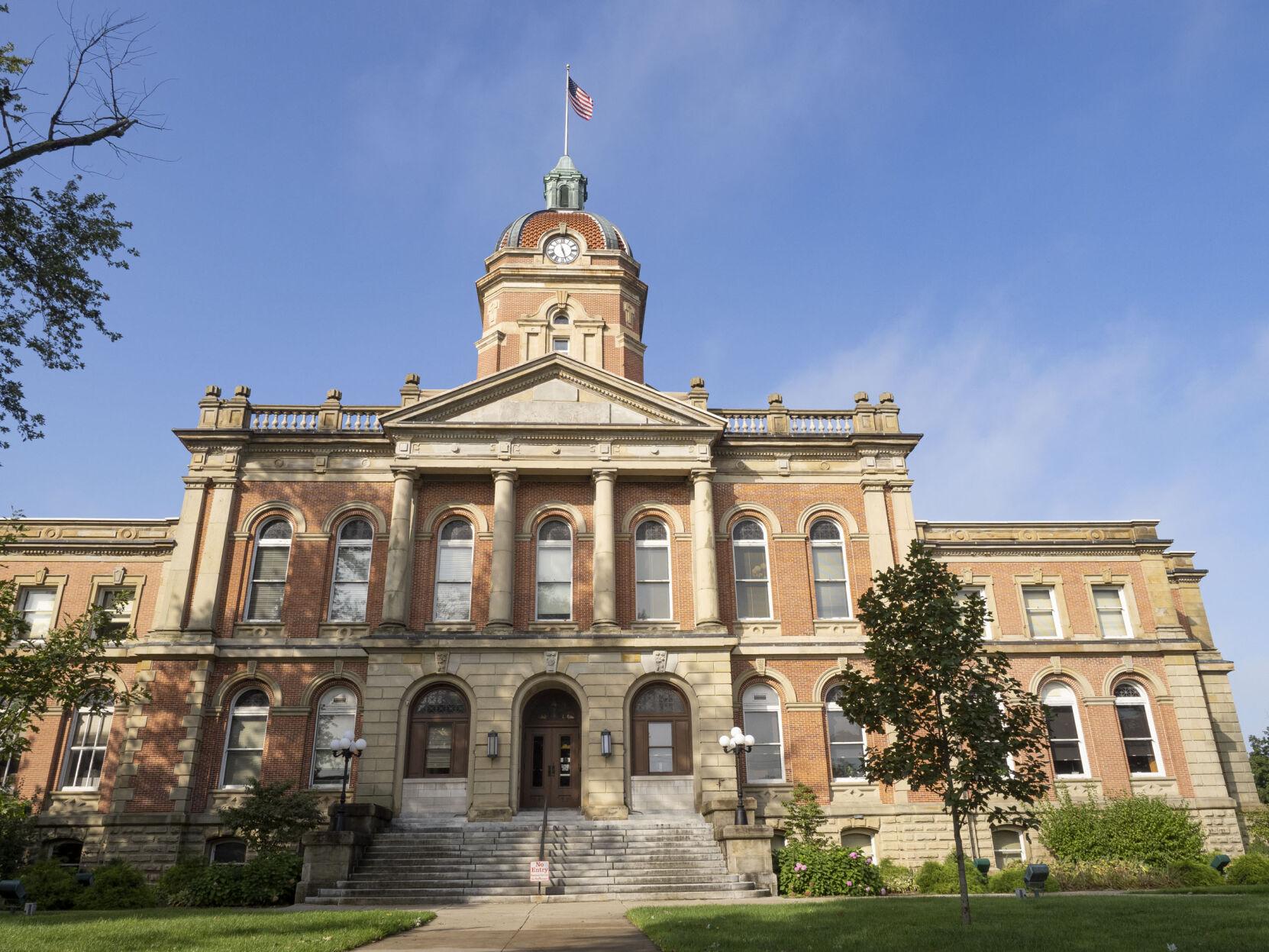
The Elkhart County Courthouse: A Legacy of Justice and Future Infrastructure Planning
The Elkhart County Courthouse, a cornerstone of legal administration in Goshen, Indiana, serves as the primary seat of the county’s judicial system. Its history reflects the architectural evolution of the late 19th century, while curre...
The Elkhart County Courthouse, a cornerstone of legal administration in Goshen, Indiana, serves as the primary seat of the county’s judicial system. Its history reflects the architectural evolution of the late 19th century, while current and future planning initiatives are centered on addressing modern courtroom security, technological integration, and the rising demand for expanded judicial capacity within the growing North Central Indiana region.
Contents
Historical Foundations and Architectural Significance
The story of the Elkhart County Courthouse in Goshen is inextricably linked to the development of the county itself. As Elkhart County grew in the mid-to-late 1800s, the need for a permanent, centralized facility to manage legal proceedings, public records, and governmental administration became a priority. The current structure, completed in 1870, is a prominent example of Second Empire-style architecture, characterized by its distinctive mansard roof, dormer windows, and ornate detailing that signaled the prosperity and stability of the post-Civil War era.
For over 150 years, this building has functioned as more than just an office for judges and clerks; it has been the civic heart of Goshen. Historically, courthouse squares in the Midwest were designed to be the nexus of commercial and social life. The Goshen courthouse was no exception, anchoring the downtown district and providing a central point for land deed records, probate proceedings, and criminal trials. The preservation of the original structure has been a priority for the county, leading to various restoration efforts that maintain the integrity of its limestone facade and interior woodcraft, even as the facility has struggled to keep pace with the evolving nature of the American legal system.
The Challenges of Modernizing Historic Facilities
Operating a high-volume judicial system within a 19th-century framework presents significant technical and logistical challenges. The primary issue facing the Elkhart County judicial administration in 2026 is the physical configuration of the original courthouse, which was not designed to meet contemporary security protocols or the technical requirements of a digital-first legal landscape.
Security and Accessibility Constraints
Modern court security requires distinct "flow" management—separating the movement of incarcerated defendants, judicial staff, and the general public to prevent potential security breaches. In older facilities like the Elkhart County Courthouse, creating these isolated corridors within the existing footprint is often physically impossible. Furthermore, achieving compliance with the Americans with Disabilities Act (ADA) within a historic building has necessitated expensive modifications, such as the installation of modern elevators and structural ramps, which often conflict with the aesthetic requirements of historical preservation.
Technology and Infrastructure
The legal system has transitioned from paper-heavy workflows to electronic document filing, high-definition video conferencing, and digital evidence presentation. Older courthouses often lack the high-bandwidth fiber optic cabling, robust climate control for server rooms, and electrical capacity required to support these modern standards. Constant retrofitting is a significant budget item for the county, as technicians must work around historic architectural elements to integrate modern networking hardware.
Comparative Overview of Judicial Facilities
When evaluating the future of the courthouse, county planners frequently look at the trade-offs between renovating historical assets versus constructing modern judicial centers. The following table highlights the primary considerations in this ongoing debate:
| Feature | Historical Courthouse (Renovated) | Modern Judicial Center (New Build) |
|---|---|---|
| Operational Capacity | Generally limited by existing footprint | Highly scalable and customizable |
| Security Logistics | Complex to retrofit secure corridors | Built-in secure transport pathways |
| Preservation Value | High; serves as a local landmark | None; architectural utility focus |
| Integration Cost | High per-square-foot for technology | Lower initial integration costs |
| Public Accessibility | Often challenging in older structures | Optimized for modern ADA compliance |
The Future of Elkhart County Judicial Services
As of 2026, the discussion regarding the future of the Elkhart County Courthouse is focused on balancing the need for expanded space with the desire to preserve the community's heritage. The county has engaged in long-term feasibility studies aimed at determining whether to consolidate more services into new peripheral facilities or to continue investing in the downtown core.
Expansion versus Consolidation
Many growing counties in Indiana have opted for the "Judicial Campus" model, where the historic courthouse remains the symbolic home of the judiciary and perhaps handles ceremonial functions or appellate courts, while a newly constructed, high-security facility handles the bulk of criminal trials and day-to-day magistrate work. This model allows for the necessary technical upgrades—such as specialized witness rooms and secure holding cells—that are difficult to implement in older architecture.
Financial and Administrative Considerations
The cost of maintaining a historic building is ongoing and compounding. Every renovation phase requires specialized labor and materials to meet historic preservation standards. However, the demolition of a county's primary historic courthouse often meets with significant public resistance. Therefore, the future trajectory for Elkhart County involves "Adaptive Reuse." This strategy prioritizes maintaining the original structure as a primary landmark while shifting the heaviest judicial operational burdens to newer, more efficient adjacent buildings.
Frequently Asked Questions (FAQ)
1. Is the Elkhart County Courthouse open to the public? Yes, the courthouse remains an active government building open to the public for scheduled proceedings and administrative business. However, access to specific courtrooms or sensitive record archives may be restricted based on current security levels and case privacy requirements.
2. How do I access court records in Elkhart County? Most non-confidential court records are managed through the Indiana Odyssey Case Management System. You can access public case information and schedules online through the official state judiciary portal, which eliminates the need to visit the physical courthouse for basic record inquiries.
3. Will the courthouse be relocated in the near future? As of 2026, there are no immediate plans to abandon or fully relocate the courthouse from its historic location. Current planning focuses on long-term capacity management, which may include building additional facilities nearby rather than a complete relocation of judicial services.
4. Why is it difficult to modernize the existing courthouse? The primary difficulty stems from historic preservation ordinances and the original building design. Modern judicial standards require specialized security zones and robust digital infrastructure that often require intrusive structural changes, which are prohibited or highly expensive in protected historic structures.
5. How does the courthouse handle accessibility needs? The county provides accommodations for individuals with disabilities in accordance with federal and state law. If you have a specific accessibility concern, it is recommended to contact the Clerk of the Court’s office at least 48 hours prior to your visit to ensure that necessary arrangements are in place.
Strategic Recommendations for Stakeholders
For residents and legal professionals interacting with the Elkhart County judicial system, the recommendation is to prioritize digital channels. Given the spatial constraints of the historic courthouse, in-person traffic is often high, leading to limited seating and longer security wait times. Utilizing the Indiana Odyssey portal for document filings and case checks significantly reduces the need for physical presence.
For those tracking the future development of the facility, engagement with the Elkhart County Commissioners' public hearings is the most reliable way to monitor infrastructure updates. The debate between historical preservation and functional expansion is dynamic; public input remains a critical factor in how the county allocates funds for facility upgrades in the coming decade.
Image Gallery