Why the Average Pool Price in Houston Matters for Your Wallet
The average pool price in Houston serves as a critical economic indicator for homeowners, directly influencing property valuation, ongoing maintenance budgets, and the long-term feasibility of domestic water and energy consumption. Mon...
The average pool price in Houston serves as a critical economic indicator for homeowners, directly influencing property valuation, ongoing maintenance budgets, and the long-term feasibility of domestic water and energy consumption. Monitoring these costs helps residents anticipate market fluctuations, prepare for seasonal repairs, and ensure their backyard investment remains an asset rather than a financial burden.
Contents
Understanding the Market Value of Houston Pools
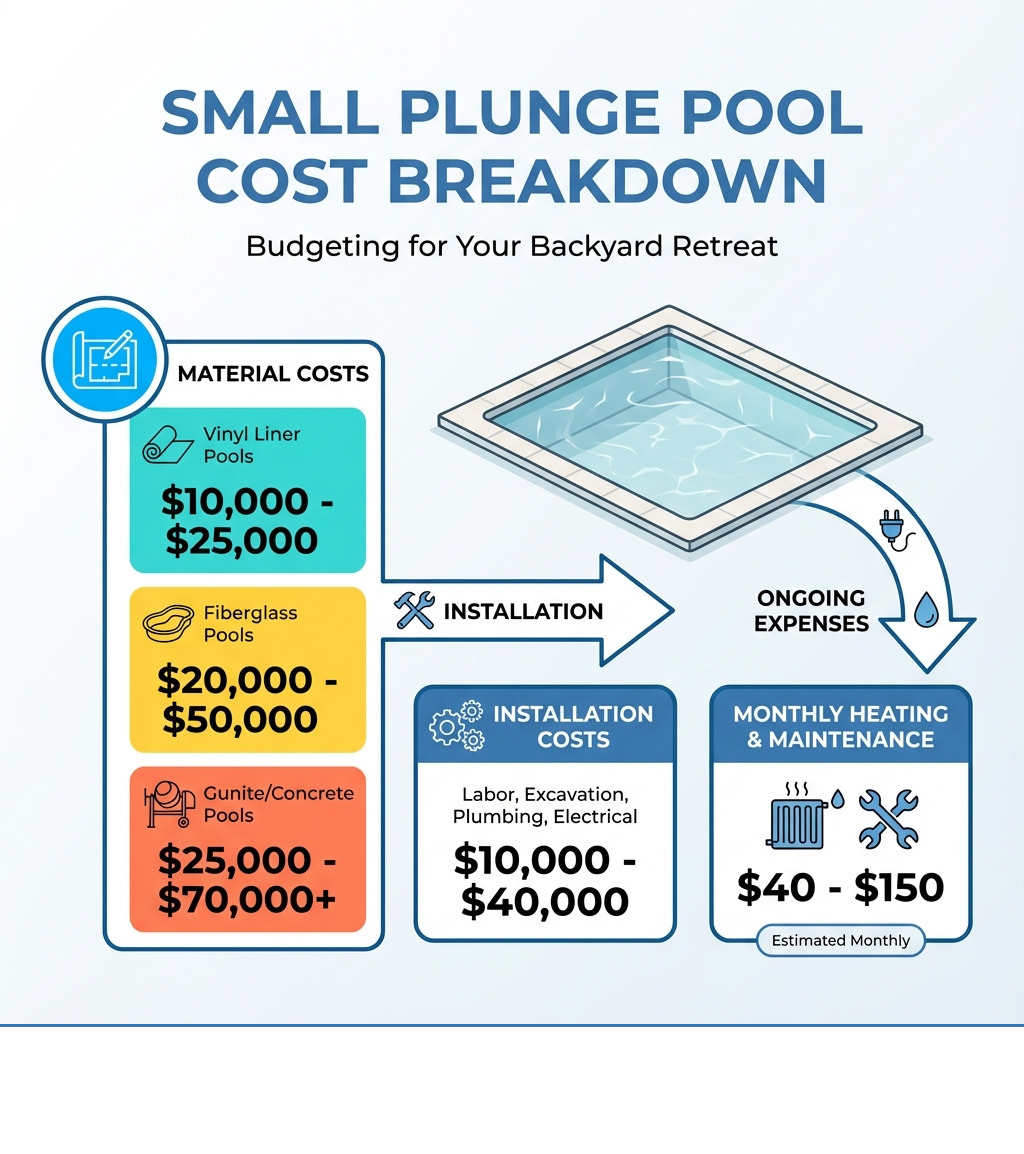
In the Houston metropolitan area, a swimming pool is more than a leisure amenity; it is a significant real estate feature. Because the local climate sustains pool usage for a larger portion of the year compared to northern states, the costs associated with installation and upkeep are substantial. As of 2026, the cost of pool ownership is dictated by a complex interplay of material inflation, labor demand for specialized technicians, and the rising cost of utilities.
When you look at the "average price," you are not just seeing a single number. You are seeing the aggregated reflection of regional labor rates, the cost of municipal water permits, and the price of chemical stabilizers. Understanding this average allows you to benchmark whether your current maintenance service or renovation quotes are aligned with the local market or if you are paying a premium for services that should be competitively priced.
The Impact on Property Appraisal and Resale
The relationship between your pool and your wallet begins with your property tax assessment and potential resale value. In Harris County, appraisers look at the overall utility and quality of property improvements. A well-maintained pool that aligns with the local "average" quality often enhances home value, but a pool that requires significant structural repair—or one that is overly custom and difficult to maintain—can actually become a deterrent for future buyers.
If the average pool price in Houston rises due to increased costs for concrete, piping, or deck materials, the replacement cost of your current pool increases. This is a vital detail for your homeowners' insurance policy. Ensuring your dwelling coverage reflects the current cost of replacing the pool—rather than its depreciated value—protects your financial interest in the event of a catastrophic failure or storm damage.
Breaking Down Ongoing Operational Costs
The total cost of ownership extends far beyond the initial build. In 2026, Houston homeowners face distinct operational pressures that affect their monthly cash flow. The primary drivers of these costs include:
- Electricity Rates: Filtration pumps are the most consistent energy consumers. With Texas experiencing extreme heat, pump run-times must be increased to prevent algae growth, directly impacting your monthly electric utility bill.
- Water and Sewer Rates: Evaporation is a significant factor in the Houston climate. Refilling a pool due to water loss is not just a matter of the water cost; it often involves navigating municipal sewer volume charges if your local utility provider calculates sewer fees based on water intake.
- Chemical and Maintenance Inflation: The prices of chlorine, cyanuric acid, and alkalinity balancers are subject to supply chain stability. Bulk purchasing at the start of the season is a common strategy to mitigate the impact of fluctuating prices.
Comparative Cost Factors in 2026
To understand where your spending sits relative to the market, it is helpful to categorize the types of pools commonly found in Houston and the associated cost profiles.
| Pool Type | Primary Cost Driver | Typical Financial Impact |
|---|---|---|
| Plaster/Concrete | Resurfacing cycles | High initial cost, moderate long-term maintenance |
| Fiberglass | Structural longevity | Lower chemical usage, lower maintenance costs |
| Vinyl Liner | Liner replacement frequency | Moderate initial cost, high recurring replacement cost |
| Saltwater System | Cell replacement | Higher upfront tech costs, lower day-to-day chemical spend |
Managing Your Maintenance Budget
One of the most effective ways to protect your wallet is to transition from reactive repairs to a preventative maintenance schedule. Reactive repairs in Houston are notoriously expensive during peak summer months when demand for pool technicians is at its highest. By performing off-season checks—specifically inspecting pumps, filters, and leak detection—you can avoid the "emergency rate" premiums charged by service providers in July and August.
Furthermore, energy efficiency represents the largest opportunity for savings. If your pool equipment relies on older, single-speed pumps, the long-term cost is likely higher than the investment required to install a Variable Speed Pump (VSP). These pumps adjust their flow rate to the specific needs of the filtration cycle, significantly reducing the kilowatt-hour draw on your home’s electrical system.
The Role of Local Regulations
The city of Houston and surrounding municipal utility districts (MUDs) periodically update codes regarding water conservation and safety barriers. Compliance with these regulations is not optional. Fines or the requirement for retrofitting fencing and alarms can be a significant, unexpected expense. Staying informed about the 2026 city guidelines regarding pool safety barriers and water discharge ordinances ensures you avoid legal penalties that could otherwise be redirected into your household savings.
Frequently Asked Questions
1. Does a pool increase my property tax significantly in Houston? While a pool does add value to your property, it is classified as a permanent improvement. The Harris Central Appraisal District (HCAD) assesses market value, which includes the pool. However, if your home is subject to a homestead exemption, the annual increase in your taxable value is capped, which helps shield you from immediate, drastic tax hikes due to the pool’s presence.
2. Is it cheaper to do my own maintenance or hire a service? For most, hiring a service provides consistency, but the cost has risen in 2026 due to labor shortages. If you have the time, performing your own chemistry balancing is significantly cheaper. However, if you lack experience, the cost of fixing a chemical imbalance (such as clearing a massive algae bloom) often exceeds the annual cost of a professional service contract.
3. How do I know if I am overpaying for pool chemicals? Monitor the "price per pound" of your primary disinfectants. By comparing prices at big-box retailers against local pool supply stores and online wholesalers, you can establish a baseline. If your service company charges a markup exceeding 30% over the average retail price for chemicals, it may be time to negotiate your contract.
4. How does the current year's energy climate affect my pool bill? In 2026, regional energy costs remain volatile. Because pool pumps are often the second-largest electrical load in a home, integrating your pool filtration schedule with "off-peak" electricity pricing—if offered by your electricity provider—is a critical strategy to keep your wallet protected from rising energy rates.
5. What is the most common hidden cost of pool ownership? The most common hidden cost is leak detection and sub-surface pipe repair. Even a small pinhole leak in a pipe under the deck can lead to thousands of dollars in water loss and potential foundation soil erosion. Regularly monitoring your water levels and monthly water bills for unexplained spikes is the best way to catch these issues early.
Next Actions for Homeowners
To effectively manage your pool-related finances, start by auditing your last twelve months of utility bills and service invoices. Identify the months where energy consumption peaked and look for correlations with pool usage. If you have not replaced your pool pump in over seven years, request a quote for a variable-speed upgrade; the reduction in your monthly energy bill often covers the cost of the unit within two to three years. Finally, verify that your insurance policy explicitly lists your pool as a covered structure to ensure you are not under-insured in the event of a total loss.
Image Gallery